

Is It Time for an Equestrian Reality Check? Navigating Expectations and Realities in Horse Searching
Searching for the perfect horse can feel like a dream chase—visions of effortless rides, flawless competitions, and unbreakable bonds. But for many riders, the reality hits hard: mismatched expectations, sky-high costs, and hidden challenges that turn excitement into frustration. This blog dives into the truths of horse searching, backed by fresh industry data, to help you set realistic goals, spot red flags, and make smarter choices. Whether you're a first-time buyer or a seasoned equestrian, understanding the market's realities empowers you to find a horse that truly fits your life.
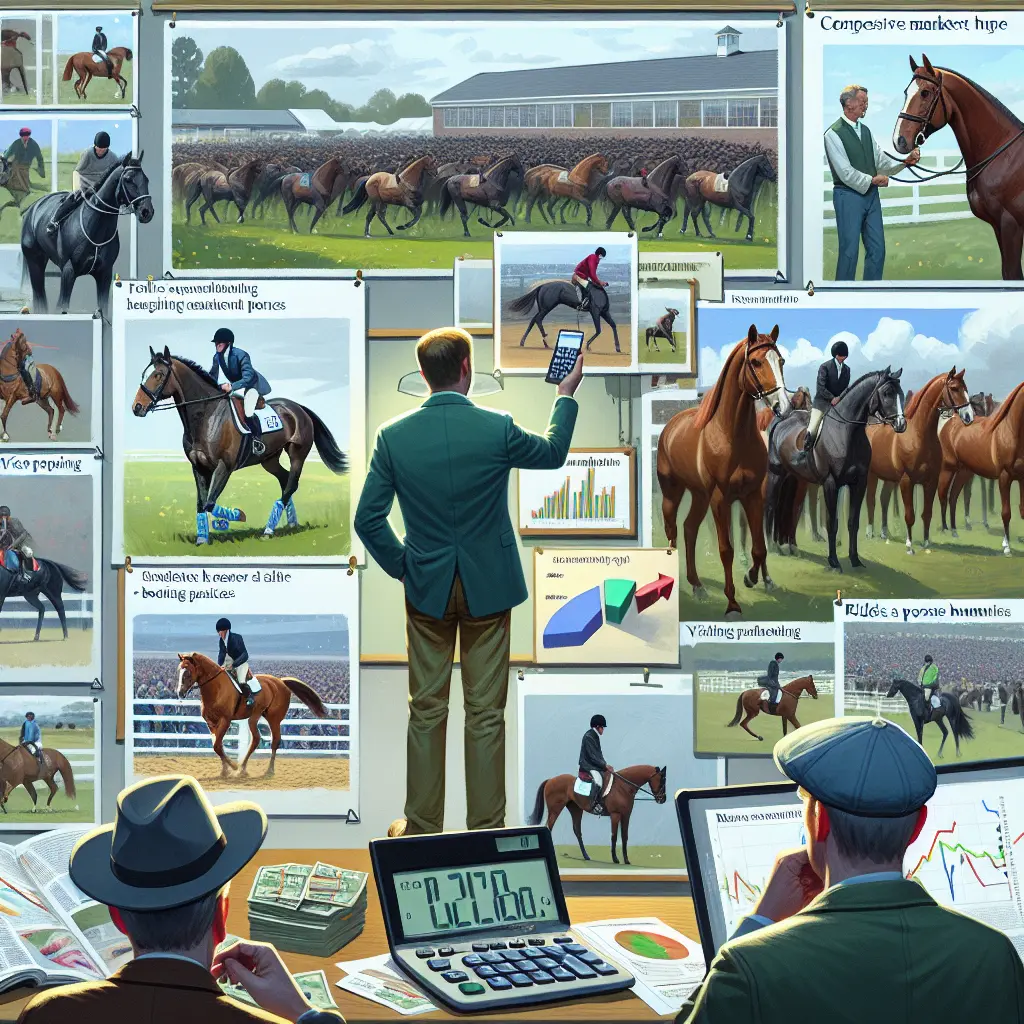
The Allure of the Dream Horse: Why Expectations Often Clash with Reality
We all start with ideals. Social media floods us with clips of champions gliding through arenas or trailblazing effortlessly. But horse searching isn't shopping for a car—it's partnering with a living animal whose personality, health, and needs must align with yours.
- Emotional pull vs. practical fit: Riders often prioritize looks or pedigree, overlooking temperament or training gaps. A 2025 U.S. equine industry survey shows average horse ownership rising slightly to over 6 horses per owner/manager, hinting at growing collections—but also potential overbuying without matching needs.[5]
- Market hype amplifies dreams: Auctions showcase stars like the $3.3 million yearling at Keeneland's 2025 September Sale, where 56 horses fetched seven figures and 120 buyers spent $1 million each—records driven by investor tax perks.[2] Yet these are outliers; most sales reflect everyday riders seeking companions, not racers.
Reality check: Over 425,000 horses enter breeding annually, fueling a $2.2 billion segment, but not every foal becomes your ideal match.[7] Focus on your goals—trail riding? Dressage? Leisure?—to narrow the field.
The Numbers Don't Lie: Costs and Market Trends in Horse Buying
Facts ground expectations. The U.S. horse industry pumps nearly $40 billion into the GDP (over $100 billion with indirect spending), with thoroughbreds alone driving $20 billion yearly.[7] But production realities paint a clearer picture for buyers.
Key Industry Stats for 2025-2026
| Metric | Details | Source |
|---|---|---|
| U.S. Horse & Equine Production Market Size | $2.5 billion in 2025, up at 3.1% CAGR (2020-2025); projected growth through 2031. 121,000 businesses, down 6% in owners. | [4] |
| Horse Racing Market | $127 billion globally in 2025, growing to $182 billion by 2030 (7.45% CAGR). North America leads with events like Kentucky Derby. | [6] |
| Auction Realities | Recent sales: $79,500 top at 817 Horse Sales (avg. $34,982); $61,000 high online at Ardmore; ranges from $900-$63,000. | [3] |
| Ownership Trends | Avg. 6+ horses per owner; Texas tops with 978,822 horses, California second at 698,345. 57% in rural areas under 20,000 people. | [5][7] |
These figures show a thriving but uneven market. High-end auctions like Keeneland hit $531.5 million in 2025, boosted by tax incentives drawing 18 buyers spending $5 million+ (up from 14).[1][2] For non-racing buyers, recent performance horse sales average $17,000-$35,000, with tops at $30,000-$79,500.[3] Budget realistically: Factor in purchase (often $10,000-$50,000 for solid prospects), plus annual care ($5,000-$15,000 per horse for feed, vet, boarding).
Pro tip: Use sites like Horse Auction Report for live data on sales, averages, and trends to benchmark prices before bidding.[3]
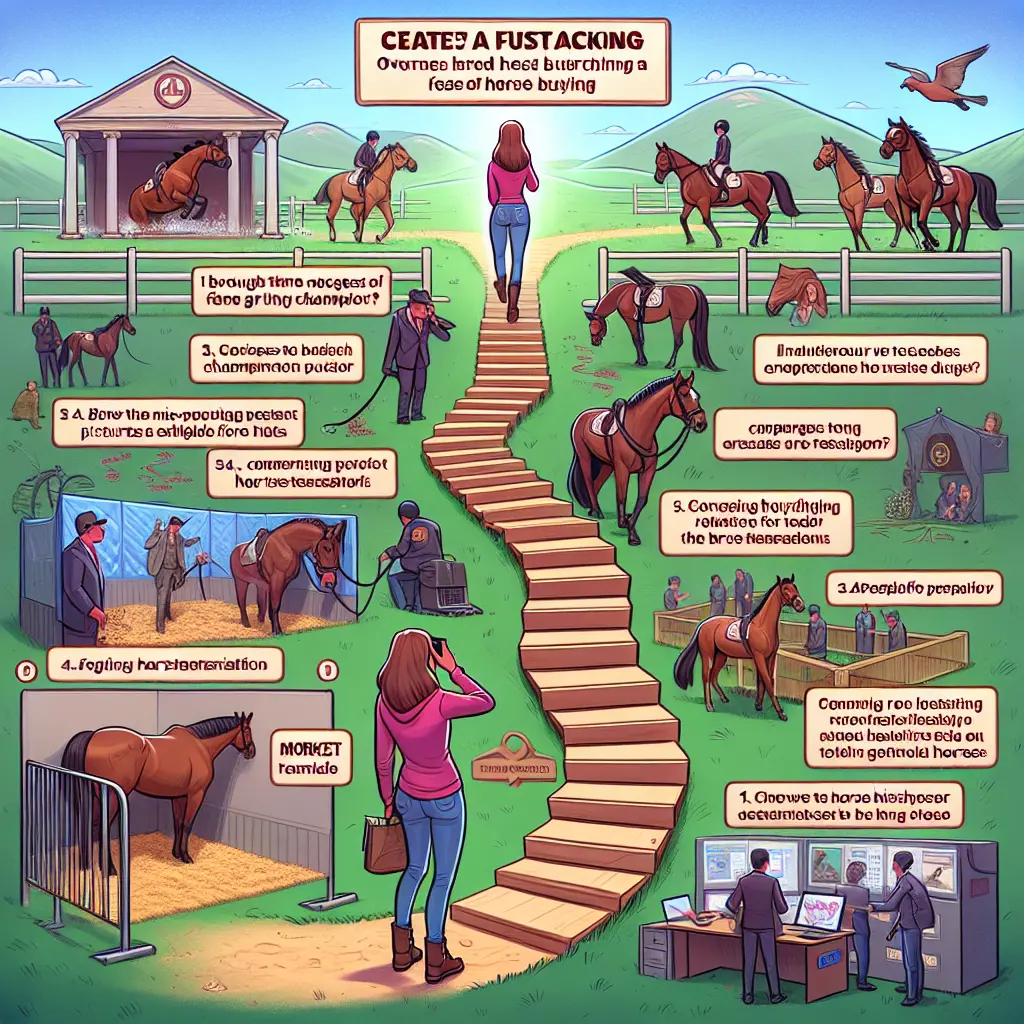
Common Pitfalls in Horse Searching—and How to Dodge Them
80% of horse transactions involve surprises like undisclosed health issues or behavior problems (industry estimates from rider forums and vets). Here's how to navigate:
- Overlooking vet checks: Always insist on a pre-purchase exam. Lameness, dental issues, or EPM can cost thousands post-buy.
- Ignoring temperament trials: Ride the horse multiple times in varied settings. A "bombproof" ad might hide trail spookiness.
- Pedigree obsession: Bloodlines matter for racing/breeding, but for pleasure horses, confirm training history. Breeding supports showing ($2.3 billion impact, 700,000+ horses).[7]
- Auction fever: Tops like $38,500 at High Plains Ranchers Sale thrill, but averages ($25,500 top 10) reveal value elsewhere.[3]
- Lifestyle mismatch: With 26% of horses in dense areas, urban riders face boarding hikes; rural spots (57% of horses) suit better.[7]
2026 outlook: Expect digital shifts—e-commerce for gear, subscriptions for feed/training. Rider participation and searches are up, dropping entry barriers but raising standards.[8]

Steps for a Reality-Based Horse Search
Turn dreams into deals with this roadmap:
- Define your needs: List discipline, height, age, budget. E.g., "Quiet trail horse, 14-16 hands, under $25,000."
- Research the market: Track auctions (e.g., Shawnee Spring Sale avg. top 5: $19,300).[3] Check state stats—California leads jobs/economic impact.[7]
- Vet your sources: Use reputable auctions/trainers. Consult pros for buying/selling advice.[3]
- Test thoroughly: 30-60 day trials if possible. Observe feeding, turnout, farrier visits.
- Budget holistically: Purchase + 2x annual care as a buffer. Industry growth (3.1% CAGR) may nudge prices up.[4]
- Seek community wisdom: Join forums, but verify with data. Younger buyers and internationals are surging, per 2025 sales.[2]
Your Path Forward: Realistic Joy in Horse Ownership
Horse searching rewards patience over impulse. The industry's $127 billion racing boom and steady $2.5 billion production signal opportunity, but success lies in alignment—not perfection.[4][6] By grounding your hunt in data like auction averages and ownership trends, you'll sidestep pitfalls and build a partnership that lasts.
Ready for your search? Start with current auction results and a clear checklist. Your dream horse exists—tempered by reality, it'll exceed expectations.[3]