

Understanding Hoof Balance and Lameness: Insights from Hoof X-rays and Navicular Changes
Horse lovers, riders, and caretakers, unite! Horses might not speak our language, but their hooves certainly have a lot to tell us. Unravel the mystery behind hoof balance, its impact on lameness, and the role of hoof X-rays with insights from trusted studies.
What Is Hoof Balance and Why Does It Matter?
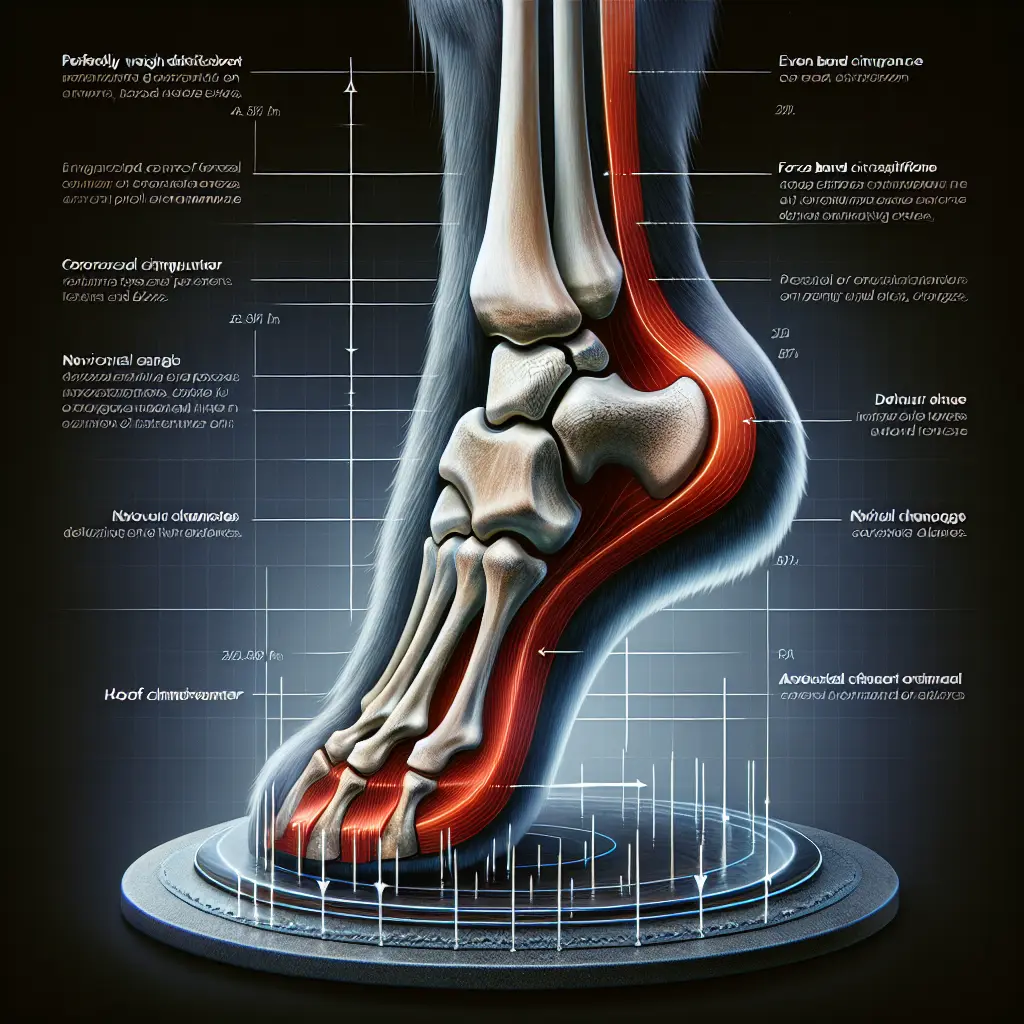
Hoof balance involves the even distribution of weight across a horse's hoof, ensuring a straight hoof-pastern axis (HPA). This axis is akin to the magic line connecting the front of the hoof wall to the back of the pastern. A perfectly balanced hoof absorbs impact like a pro, significantly reducing strain on tendons, joints, and bones. Supplements can also support optimal hoof health.
Why Hoof Balance Isn't Just a Fancy Phrase
Imbalanced hooves are akin to wearing shoes two sizes too small—ouch! Distorted forces and displacement lead to injuries over time. Research suggests that show jumpers and dressage horses with mismatched coronet band circumference (CBC) and dorsal hoof wall angle (DHWA) are more injury-prone. The recommended DHWA is around 50 degrees for the best fit. Stable rugs also help to maintain overall horse comfort and health.
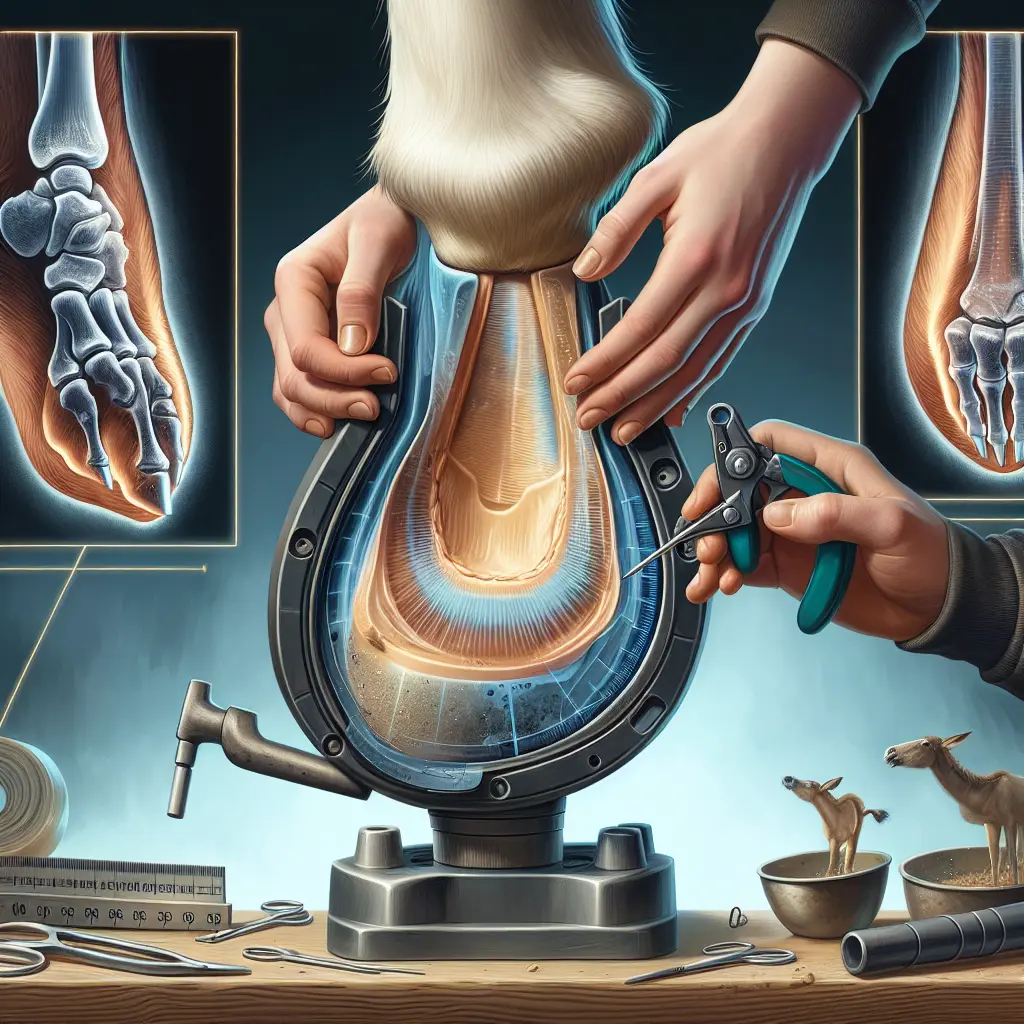
How Hoof Imbalances Cause Lameness: Key Insights from Research
Broken-back Hoof Axis
A "broken-back" hoof axis results in a negative or neutral plantar angle of the distal phalanx (PADP), prolonging hoof ground contact and straining the deep digital flexor tendon (DDFT) [2]. This can lead to serious issues like tarsitis, or inflammation in the horse's hock.
Hindlimb Effects
Negative PADPs can cause pain in the horse's hock and proximal metatarsus, affecting tendons and ligaments [2]. This can alter loading on areas like the lumbar spine and stifles, frankly not fun for anyone involved!
Front Limb Patterns
Among a study of 43 working horses, 51% showed front limb asymmetry, with 25.6% affected by left front lameness and 23.3% by right front [3]. It's the little imbalances that pack a big punch!
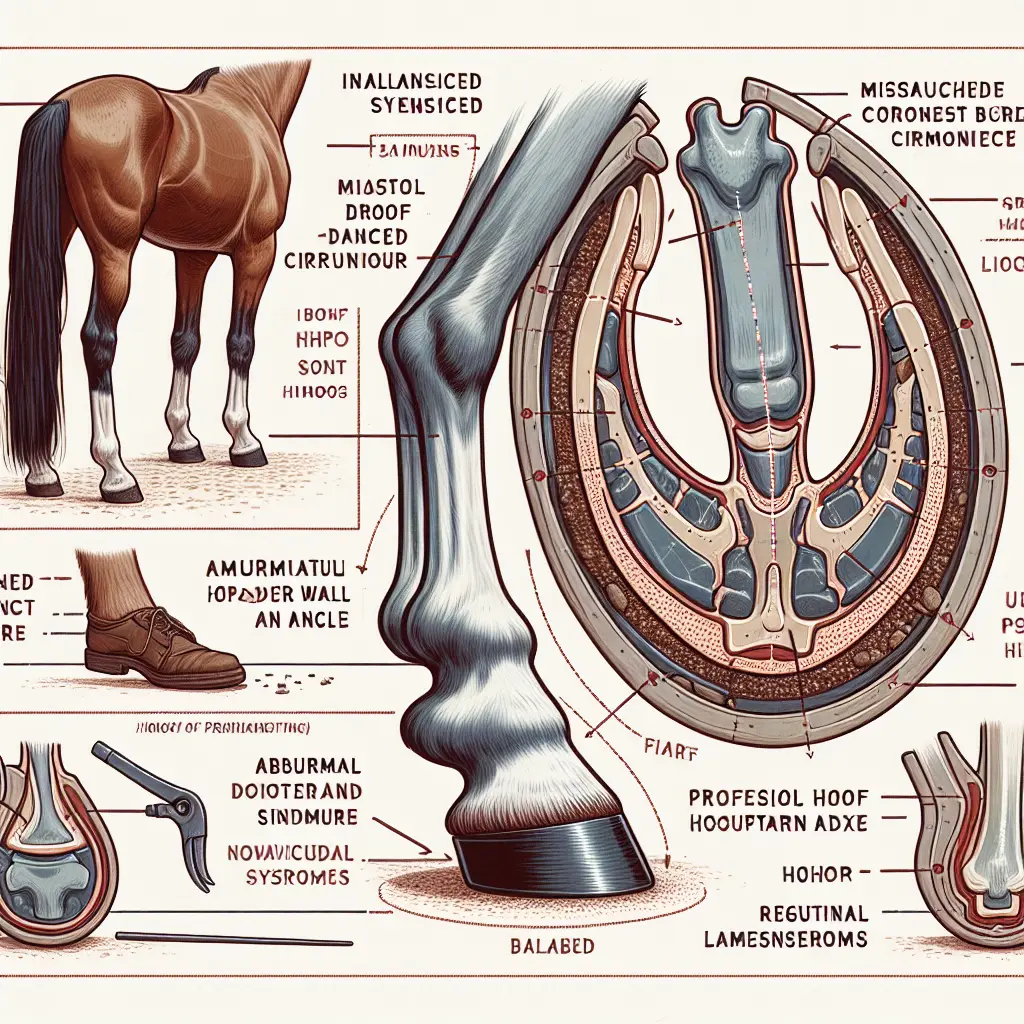
The Role of Hoof X-rays in Diagnosis
When it comes to detecting imbalances with precision, hoof X-rays are the Sherlock Holmes of the equestrian world. They offer a detailed view of the navicular bone, coffin joint, and DDFT alignment within the hoof capsule [6]. X-rays aren't just for problem-solving; they're part of preventative care, just like fly protection nets keep your horse bug-free.
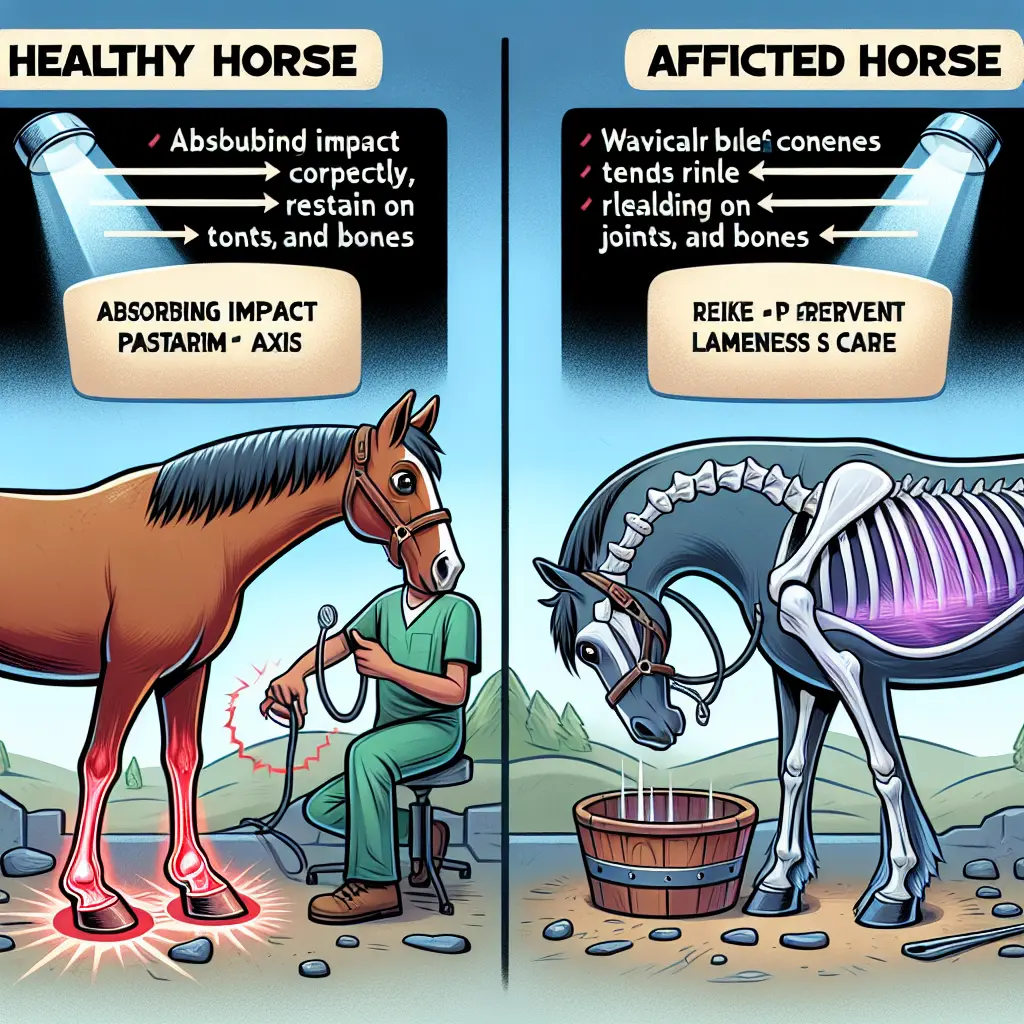
Navicular Changes as Indicators of Imbalance
Navicular syndrome is often the uninvited guest at the hoof health party. It's linked with inflammation of the navicular bone and often coexists with lesions on the DDFT, causing heel and toe pain [5]. Proactive interventions based on early detection can help prevent a full-blown case, and turnout rugs can support your horse's comfort during recovery.
Preventive Measures to Enhance Hoof Health
- Routine Measurement: Keep track of CBC, DHWA, and PADP, using tools like photos and X-rays [1][2].
- Regular Farrier Visits: Asymmetry is common; make visits count to ensure each hoof gets the care it needs [3]. Check out our jodhpur collection to stay comfy while tending to your horse.
- Fitness and Appropriate Terrain: Avoid hard or slippery surfaces that increase strain [4].
- X-ray Baselines: Annual X-rays can act as a preemptive strategy to monitor hoof health, especially for performance horses [5][6].
Conclusion: A Step Towards Balanced Hoof Care
Ensuring optimal hoof balance is crucial in providing the care our beloved equine friends deserve. From regular farrier checks to preventative X-rays and maintaining a balanced diet, numerous factors contribute to the overall health and performance of your horse. Promote harmony with the right gear from our Horse Riding Boot Collection and keep your horse cozy with the right accessories.
Remember, a little balance goes a long way. By understanding the science behind hoof balance and acting on it, we can keep our horses happy, healthy, and galloping for years to come!