

Understanding the 'Hot Seat': The Dance of Communication Between Rider and Horse
In the world of equestrianism, the concept of the “hot seat” is crucial for understanding the delicate balance and communication between horse and rider. Riders must be in tune with their horses to avoid unintentional signals that may cause unwanted behavior. In this blog, we will delve into the phenomenon of the hot seat, identify its causes, effects, and provide actionable advice to cultivate a more harmonious relationship with your equine partner.
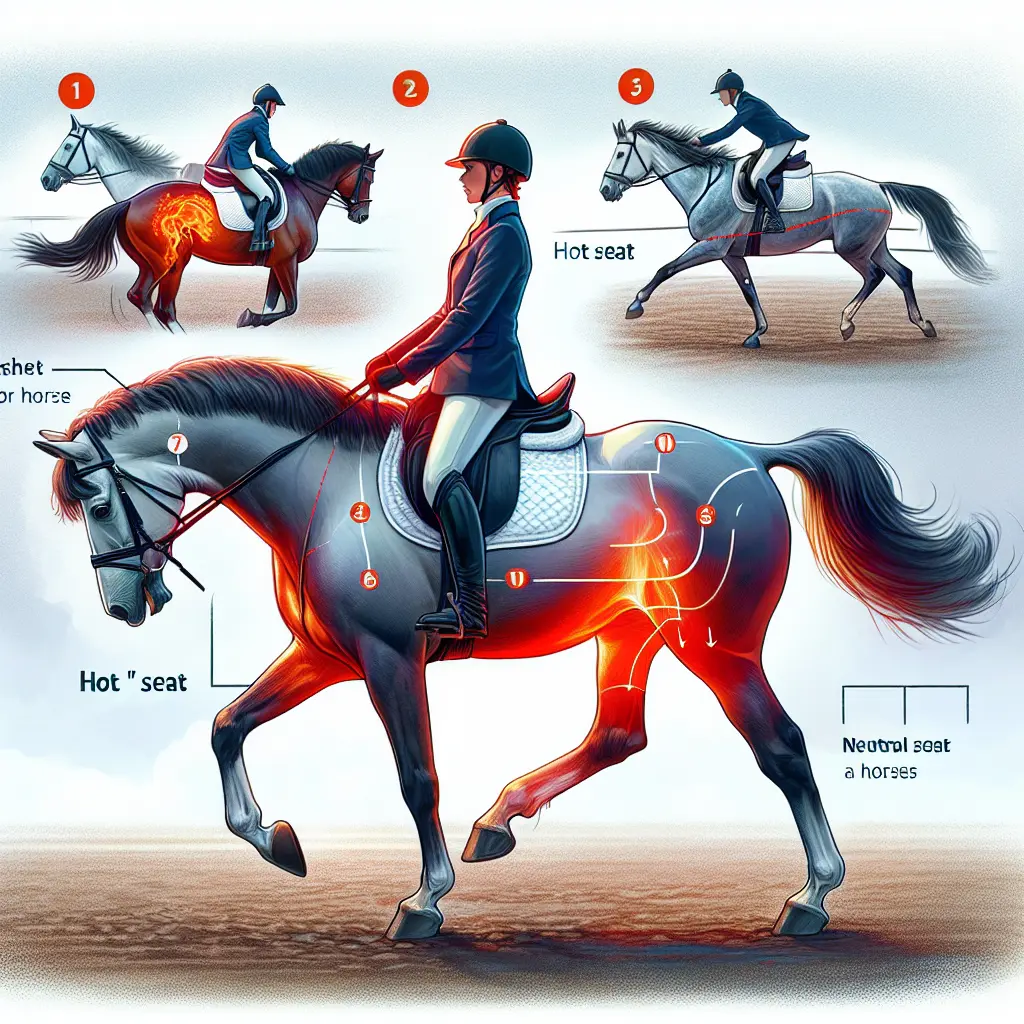
What Is a 'Hot Seat' in Horse Riding?
The term “hot seat” refers to a rider's tendency to drive forward aggressively with their seat, creating constant pressure that signals the horse to move faster. It’s akin to having an “electric butt,” where subtle cues inadvertently push the horse onward against the rider's intent. This pressure arises from an overuse of the seat as a primary aid rather than maintaining a balanced, independent seat where movements are calm and controlled [source].
Impact on Horse Behavior
A poorly managed seat can have significant repercussions on horse behavior:
- Increased hotness or liveliness: Horses may become overly forward, tense, or skittish as the rider's seat amplifies their energy unnecessarily [source].
- Ignoring aids: Horses might tune out the rider’s signals over time, becoming dull to subtler aids [source].
- Physical strain: Constantly driven motion can cause horses to hollow their backs, increasing the risk of long-term physical issues [source].
Recognizing a Hot Seat
Key indicators of riding with a hot seat include your horse feeling on the forehand or rushing through gaits, displaying a hollow-backed canter, or ignoring leg aids while reacting strongly to seat pressure. Such reactions underscore the necessity to evaluate and adjust your riding technique promptly.
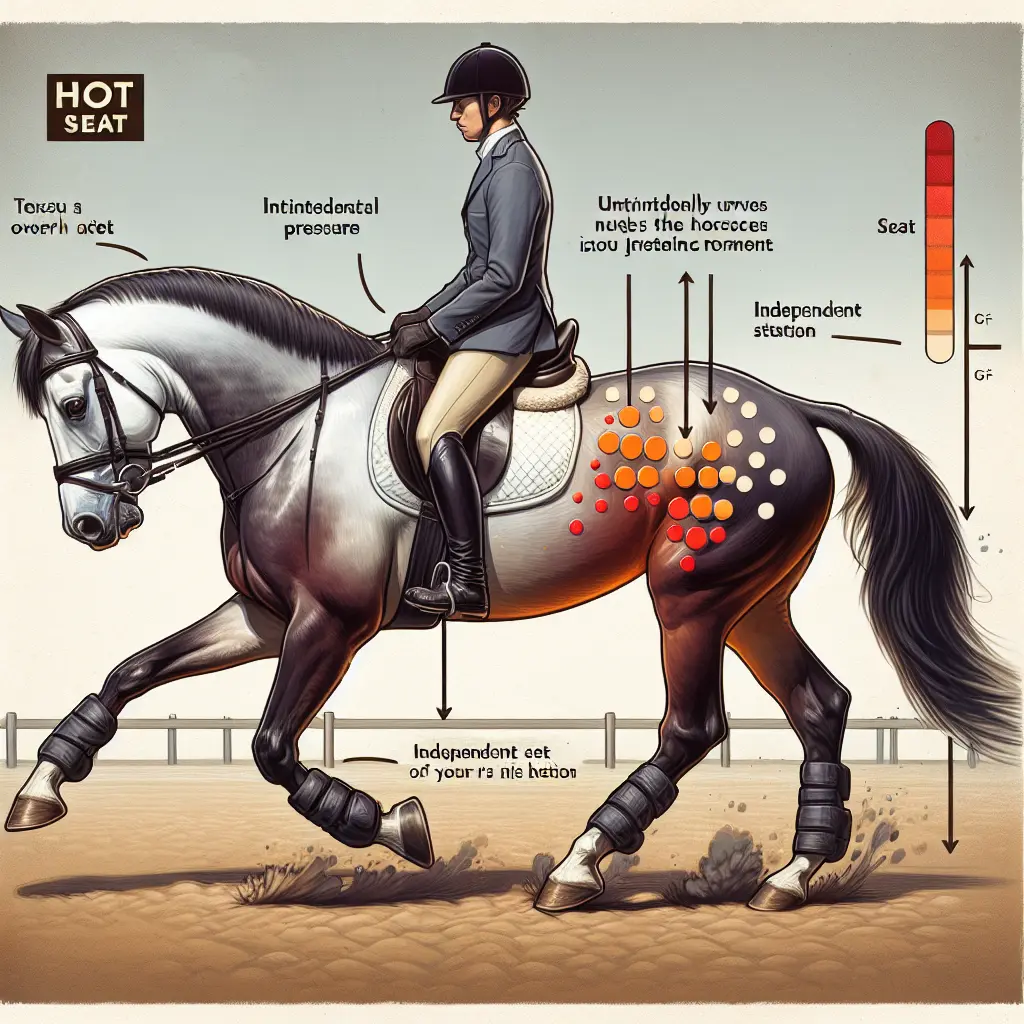
Potential Causes of a Hot Seat
Several factors contribute to the development of a hot seat:
- Lack of an independent seat: Riders may struggle to separate their seat from legs and hands, resulting in unintentional forward driving.
- Compensation habits: Attempting to compensate for a lazy horse by pushing forward might work for some, but it can become a hard-to-break habit [source].
- Tension buildup: Stress and inadequate posture can contribute to incorrect seat positioning, making it crucial to regularly partake in lessons or exercises aimed at improving core stability [source].
Practical Steps to Ameliorate a Hot Seat
Thankfully, hot seats are correctable with dedication and practice. The aim is to cultivate a neutral seat that aligns with the horse’s movement without driving forcefully [source]. Here’s a roadmap to improvement:
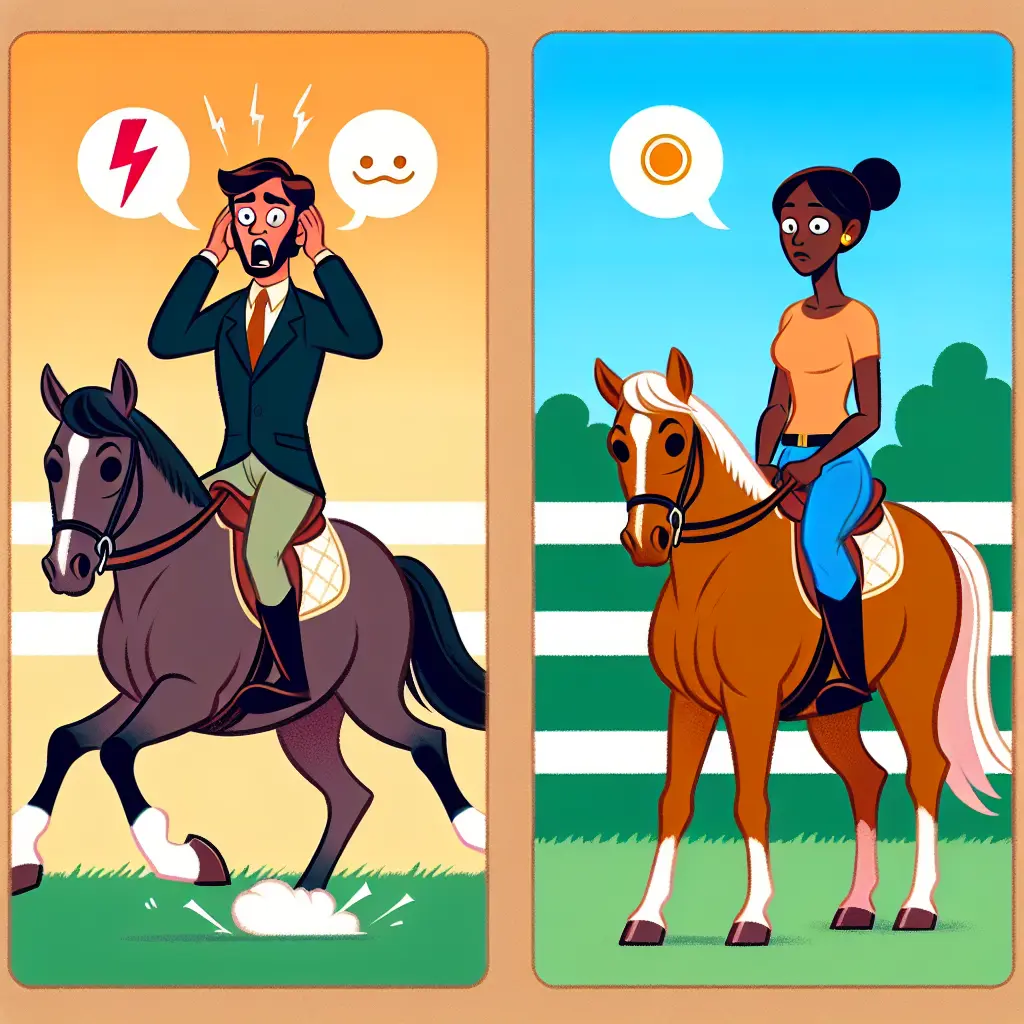
Step 1: Build Awareness
Begin by riding without stirrups or on a lunge line to better feel your seat's impact. Strive to sit deeply and synchronize your movements with your horse’s natural gait, promoting a relaxed atmosphere [source].
Step 2: Finding a Neutral Gear
Practice disengaging your seat across all gaits. In particular, let your hips follow naturally in the canter without added force.
Step 3: Strengthen Seat Independence
Incorporating core exercises off-horse, such as planks and yoga, will strengthen your balance, helping your legs remain soft and your hands steady [source].
Step 4: Gait-Specific Adjustments
- Trot: Lighten your seat every other stride to prevent the build-up of driving force.
- Canter: Visualize “sitting tall” during transitions, avoiding any forward shove [source].
Step 5: Monitor Progress
A horse should respond by softening its back, accepting the contact, and reacting appropriately to softer aids. It may take 4-6 weeks of consistent practice to see significant changes in behavior [source].
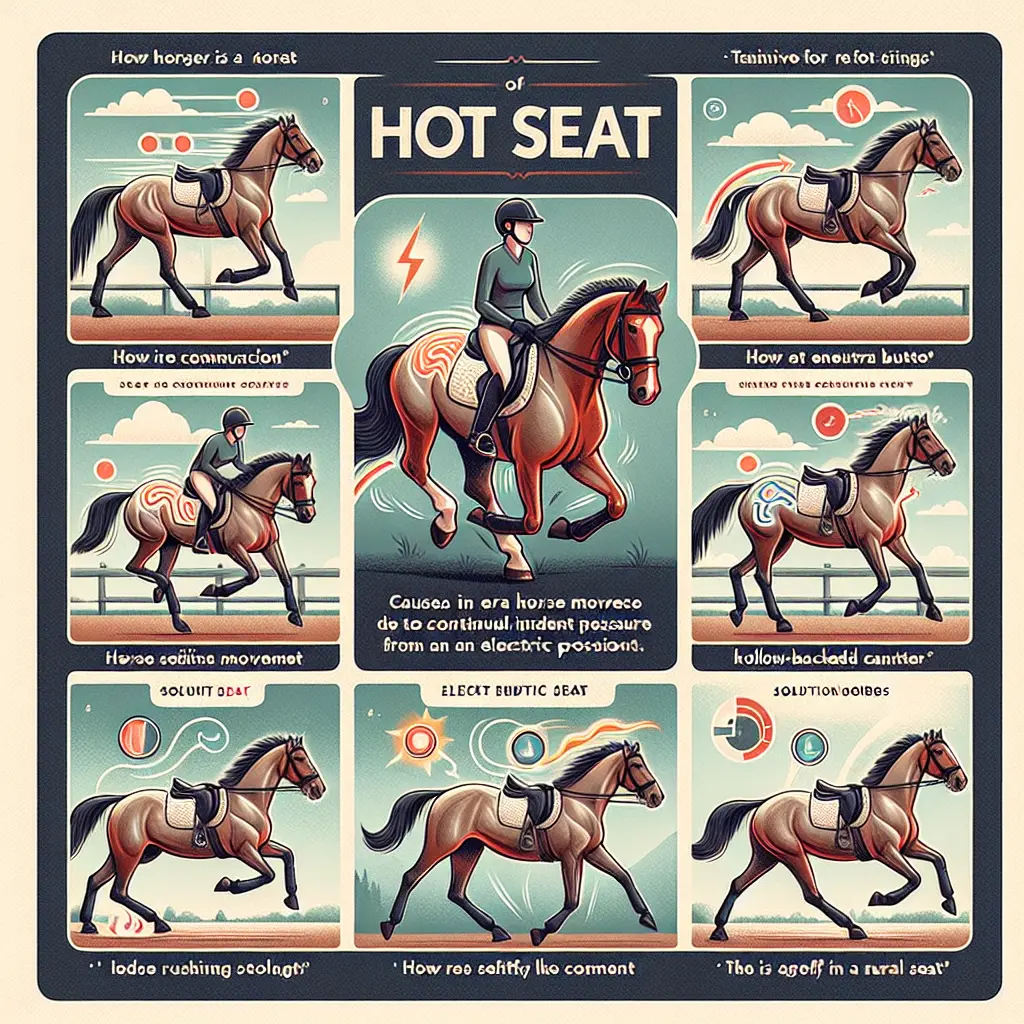
Exploring the Long-term Benefits
By mastering an independent seat, riders pave the way for calmer horses, smoother transitions, and reduced risk of injury for both parties. The principles of distributing weight evenly ease the horse’s workload and mitigate uneven wear and strain on joints [source].
Ultimately, achieving a balanced, neutral seat elevates the bond between horse and rider, transforming it into a seamless partnership rather than a battle. With knowledge and skill, riding becomes a quiet yet powerful dance of *communication*.
Explore our Jodhpur Collection and Horse Riding Boot Collection for essential riding gear to support your journey towards a better riding experience. For additional resources and gear to enhance both your and your horse's comfort, check out our Horse Riding Gloves and Socks Collection.