

Introduction
Falling off a horse is a *rite of passage* for many young riders, but it can turn into a source of distress if it triggers riding anxiety. This article explores the phenomenon of riding anxiety post-fall, offering evidence-based strategies and real-world insights to help young equestrians regain their confidence and passion for riding.
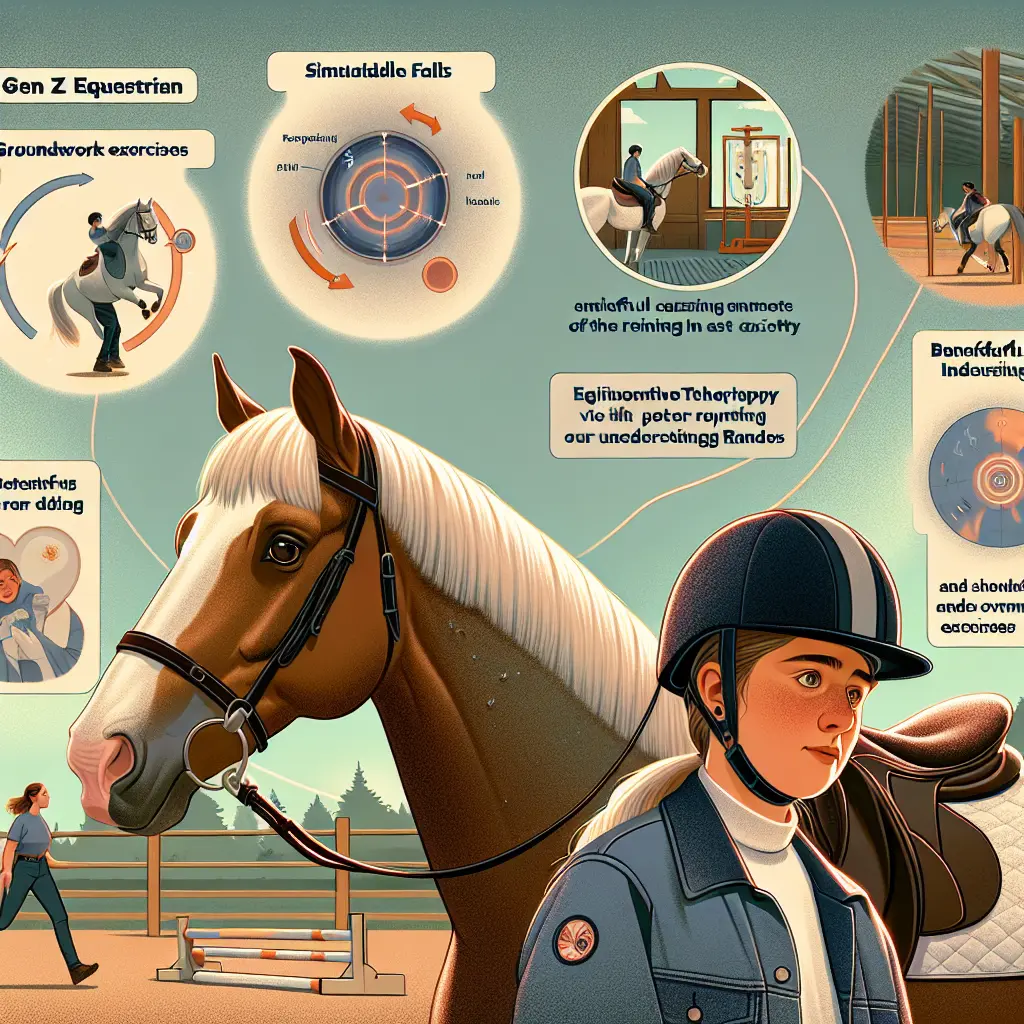
Understanding Riding Anxiety in Young Riders
Anxiety after a fall frequently springs from fears of recurring injury, control loss, and performance pressure. Among Gen Z equestrians, about 65% report mental health challenges, with anxiety paving the way. [2] Untreated, these emotions can create a cascading effect—impacting both mental health and future performance. [3]
The Physiological and Psychological Effects of a Fall
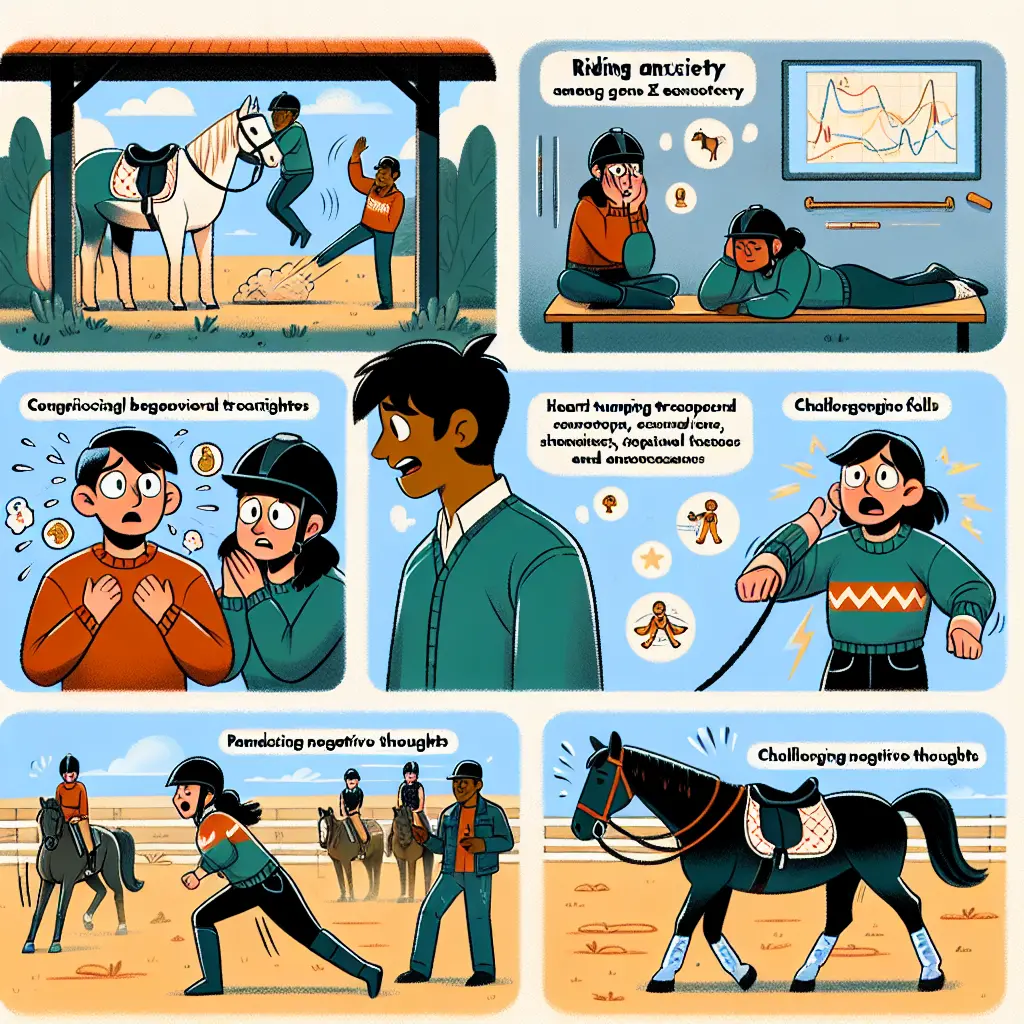
A fall on horseback ignites the body's *fight-or-flight* response, releasing stress hormones that intensify fear. Symptoms like a fast heartbeat, sweaty palms, and tense muscles are common, as are mental barriers that prevent young riders from re-engaging with their equestrian passions.
Physical Indicators
Look for physical signs such as rapid heartbeat or muscle tension as alerts for budding anxiety in young riders.
Mental and Behavioral Shifts
Increased worry and behavior changes like avoiding lessons or tightly gripping reins often emerge. A study on competition anxiety showed experienced riders managed lower anxiety than novices, suggesting increased exposure builds resilience. [5]

Proven Strategies to Overcome Post-Fall Anxiety
Recovery involves a combination of manageable, evidence-based steps. Here's a step-by-step guide tailored for young riders.
1. Professional Equine-Assisted Therapy
Programs like Reining in Anxiety (RiA) utilize **adaptive riding alongside CBT** to alleviate anxiety and facilitate emotional regulation in youth aged 6-17. [1][3] This structured program fosters a safe environment for recovery without compromising animal welfare.
How It Works
Sessions aim to reshape worrisome thoughts ("I fell once, but I can manage my response") while teaching crucial equestrian skills.
Key Findings
Studies confirm that horse stress remains stable throughout these sessions—proving that both riders and horses benefit. [1]
2. Groundwork and Desensitization
Rebuild confidence without rushing back to riding. Focus on groundwork such as leading horses and practicing mounting improves trust and rapport. Adding breathing exercises can mitigate stress effectively.
3. Cognitive Behavioral Techniques
Leverage CBT strategies to systematically address anxiety. Identify triggers, reframe concerns, and celebrate progressive exposure to feared activities.
Building a Support Network
Connect with coaches familiar with Gen Z anxiety trends. Involving instructors and peers can defuse fear and rebuild trust in riding environments. A solid social support structure is a crucial factor that caters to the needs of 65% of young riders. [2]
Physical and Mental Wellness Integration
Exercise and Mindfulness
Activities like walking mirror horse rhythms, promoting benefits like improved heart rate variability (HRV) that aid in relaxation and stress management. [4]
Mindfulness and Self-Esteem
Practicing mindfulness during or off riding sessions enhances self-esteem, proving advantageous for both mental and physical well-being.
Real Results from Research
Research on RiA shows a significant drop in reported anxiety from caregivers, alongside a rise in emotion regulation. An RCT confirmed CBT-adaptive riding triumphs over standard methodologies in symptom reduction. [3]
Long-Term Prevention and When to Seek Help
Regular therapeutic interventions curb relapse risks. If recurring anxiety persists, consider combining equine programs with professional counseling. Access to equine support makes therapy more approachable for many young individuals lacking traditional access. [1]
Conclusion
*The journey to overcoming a fall* is fraught with challenges, yet perseverance yields stronger riders who thrive on empathy and improved equine relationships. Small steps today can lead to confident rides tomorrow.