

Deciding When to Retire Your Elderly Horse: Key Signs and Considerations

Making the decision to retire your elderly horse stands as one of the most difficult choices horse owners face. Ultimately, it revolves around valuing your horse's quality of life over performance, carefully considering physical, behavioral, and health changes that may indicate a need for a slower pace of life.
Understanding Horse Aging: No Set Timeline
There is no fixed retirement age for horses. Each horse's trajectory is highly individualistic. While some ponies continue competing into their 30s, others manifest signs of aging in their mid-teens. Factors such as breed, genetics, workload, and prior injuries play significant roles in this variation (source). For instance, elite competition horses might need retirement by age 18, whereas pleasure horses might continue working into their late 20s or beyond.
Natural Physiological Changes with Aging
- Reduced muscle mass, flexibility, and stamina, making warm-ups and recovery a slower process.
- Joint issues like degenerative joint disease (DJD) or osteoarthritis (OA) can begin earlier in horses with a history of rigorous exercise.
- Presence of digestive inefficiencies can lead to less effective nutrient absorption from feed.
- Immune system weakening, sensory decline, and conditions like equine Cushing's disease (PPID) or metabolic syndrome become more prevalent.
Interestingly, lameness is the most frequent reason for retirement, often originating from persistent injuries or wear-and-tear (source). Thus, regular veterinary check-ups are essential for identifying these concerns early.
Key Physical Signs It's Time to Retire
Prioritize observing several physical changes in your horse's body and movement, suggesting that the current workload could be excessive. Watch for signs like:
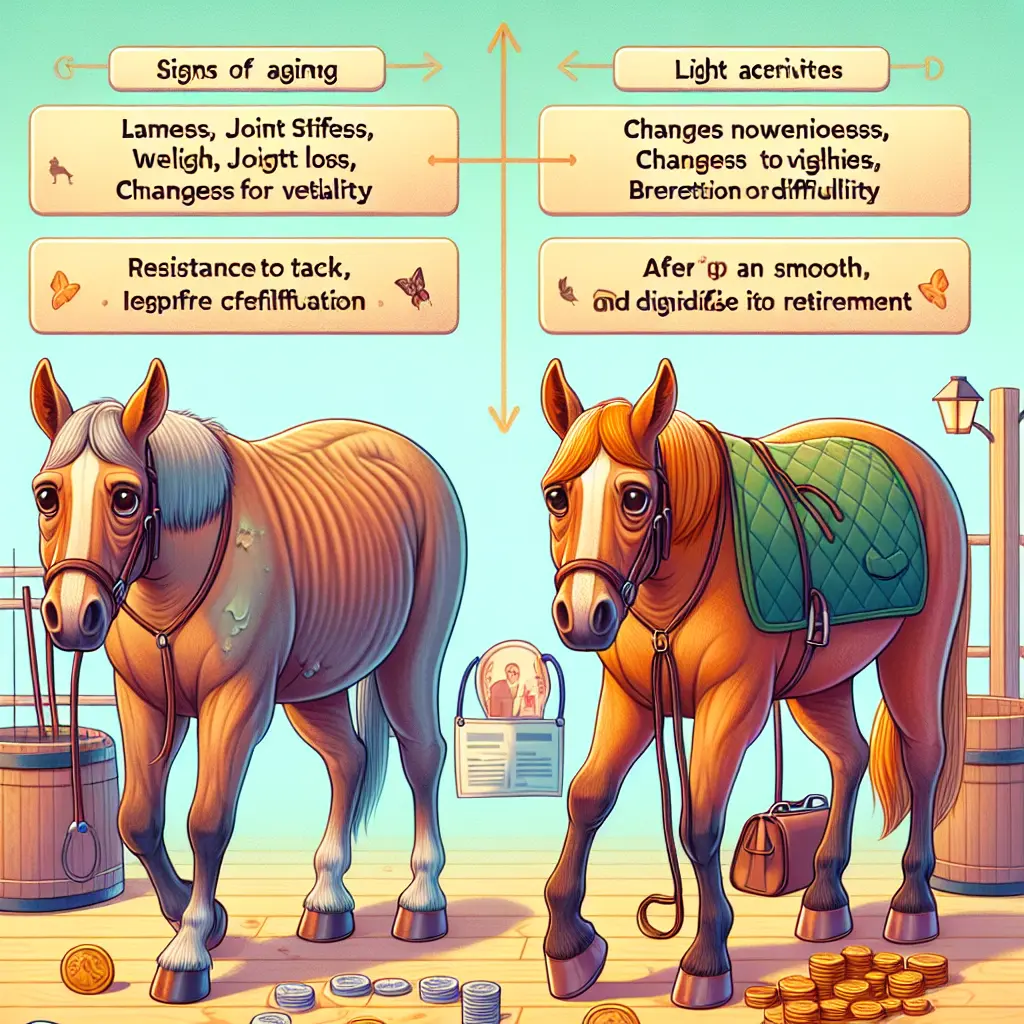
- Lameness or recurring soreness: Frequent stumbling or tripping, heavy breathing with minimal effort, or difficulty post-activity (source).
- Joint stiffness or reduced fitness: This may manifest as lengthier warm-ups, slower recovery after exercise, or changing leads before jumps.
- Weight loss difficulties: Older horses might struggle to maintain weight despite adequate feeding due to slower cellular turnover in the gut.
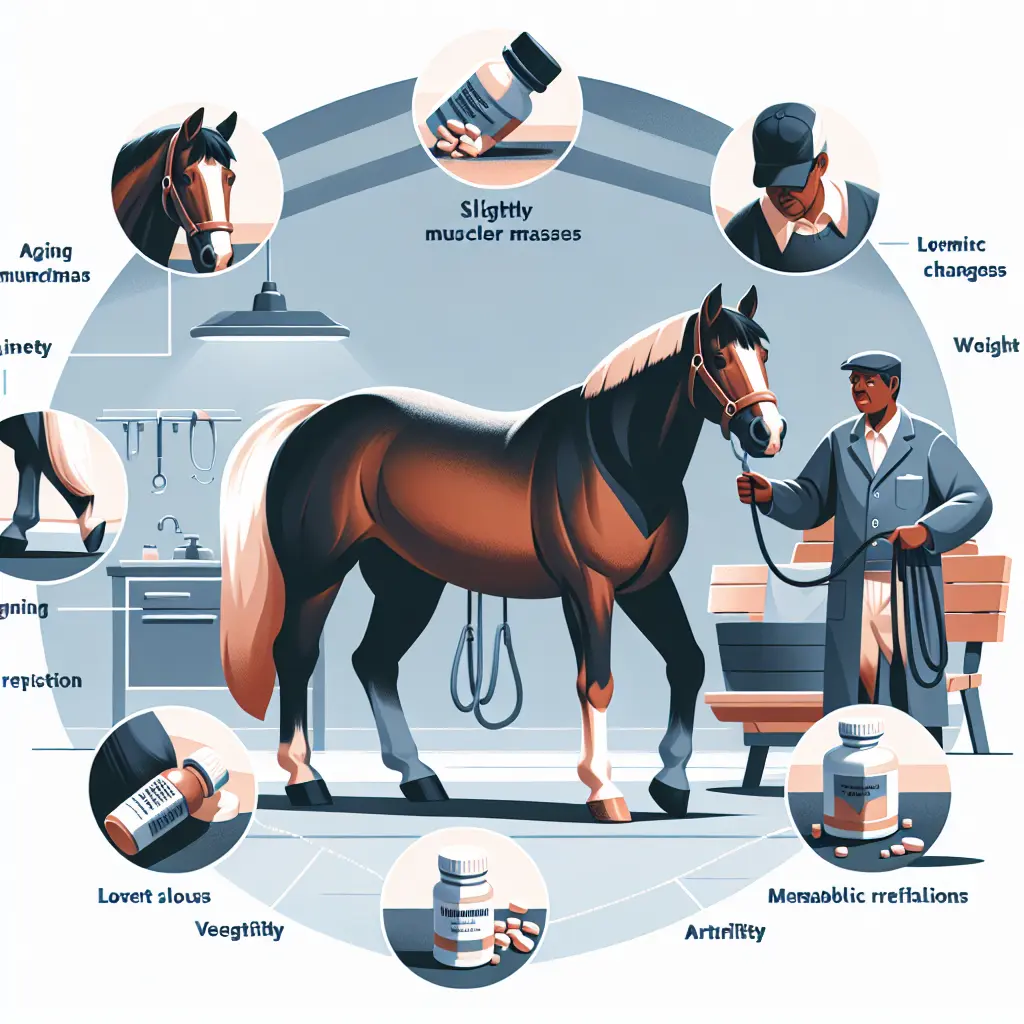
If you observe that your horse only performs well with painkillers, it’s crucial to reassess their situation since pain medications can mask significant discomfort, potentially exacerbating damage over time.
Behavioral Signs: Listening to Your Horse's Mood
Horses often express discomfort through their behavior. Notable signals include:
- Resistance to tack or riding: This might be seen as unwillingness to be saddled, ear-pinning, or general grumpiness during activities.
- Lethargy or depression: A lack of energy or enthusiasm for previously enjoyed activities like turnout or trail-riding.
- Irritability: This might include aggressive responses during work or handling.
These are not just indications of "laziness," rather they signal a need for change in their routine or activities.
Health Conditions That Tip the Scales
Age-related health issues can also decisively influence the retirement discussion:
- Dental problems: Difficulty chewing can lead to weight loss.
- Metabolic disorders or PPID (Cushing's): These cause poor coat condition, increase the risk of laminitis, and while manageable, can significantly impact work capabilities.
- Arthritis or bone density loss: These can develop from a history of inactivity or overwork.
Remarkably, horses without movement can lose bone density quickly, highlighting the importance of maintaining an active lifestyle, albeit at a slower pace.
Is Full Retirement Best? Consider a "Step-Down" Career
Retirement doesn't necessitate complete inaction; horses flourish with a bit of light activity. Engaging in gentle movement can help in avoiding stiffness and maintaining muscle tone.
Some stepped-down career options might include:
- Transitioning from competitive jumping to moderate trails.
- Focusing on longer, slower hacks rather than intense workouts.
Consider adapting your horse's job. For example, a show horse may take on the role of a companion animal. It's about finding the right balance to maintain their interest and well-being.
Practical Considerations for a Smooth Transition
- Vet consultation: Regular check-ups are paramount to understanding any underlying concerns.
- Nutrition tweaks: Adjusting diet to include senior feed options can aid digestion.
- Environment: Encourage daily turnout and consider vet-approved joint supplements if necessary.
- Financial planning: It's worth noting that retiring a horse can cost between $3,000-$10,000 per year, varying with location and care specifics.
Emotionally, many owners may feel guilt, but prioritizing your horse's welfare is a definitive way of honoring the bond you share.
Final Thoughts: Your Horse Deserves Dignity
Decide on retirement when struggles outweigh moments of joy—it's a gift of respect for their years of service. Remember, each horse's needs are unique, so rely on your observations, advice from your veterinarian, and your love for your equine partner. Through considered and compassionate care, many horses enjoy vibrant golden years well into their late 20s or beyond (source).
*For tailored advice, always consult with your veterinarian. This guide incorporates insights from equine health experts to support informed and empathetic decisions.*