

Restoring Confidence in Horse and Rider: Rebuilding Trust Through Pain Rehabilitation
Rebuilding confidence after rehabilitating a horse with pain-induced behaviors is a delicate but rewarding process. This journey requires understanding, patience, and informed strategies to mend trust.
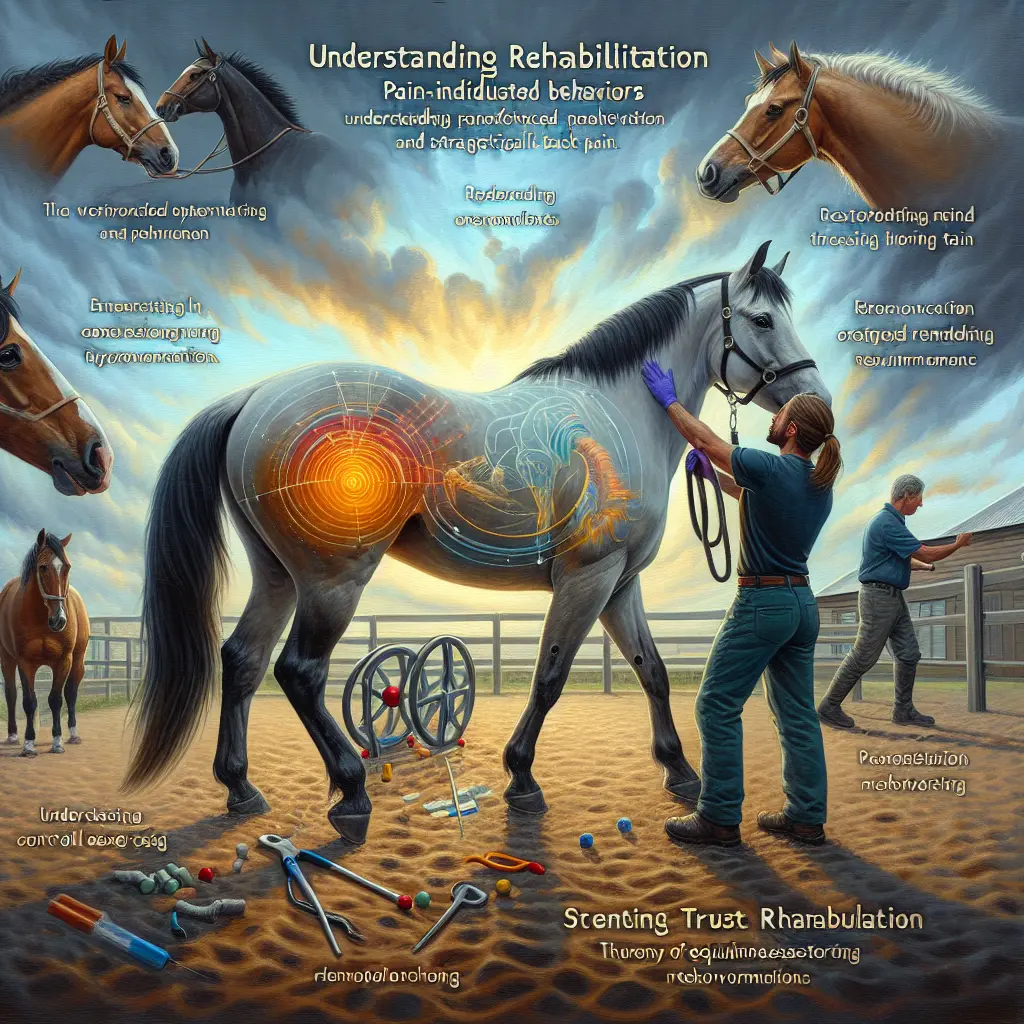
Understanding Pain-Induced Behaviors in Horses
Horses can develop behavioral problems due to chronic or acute pain, often manifesting as fear, resistance, or aggression. These behaviors can erode the rider's trust and confidence, making the need for appropriate supplements and equipment more apparent.
Causes and Effects of Pain in Horses
Pain syndromes are multifactorial and encompass biological, psychological, and social factors. Recognizing subtle signs such as unwillingness to work, poor gait, or changes in attitude is crucial to detecting pain early (source).
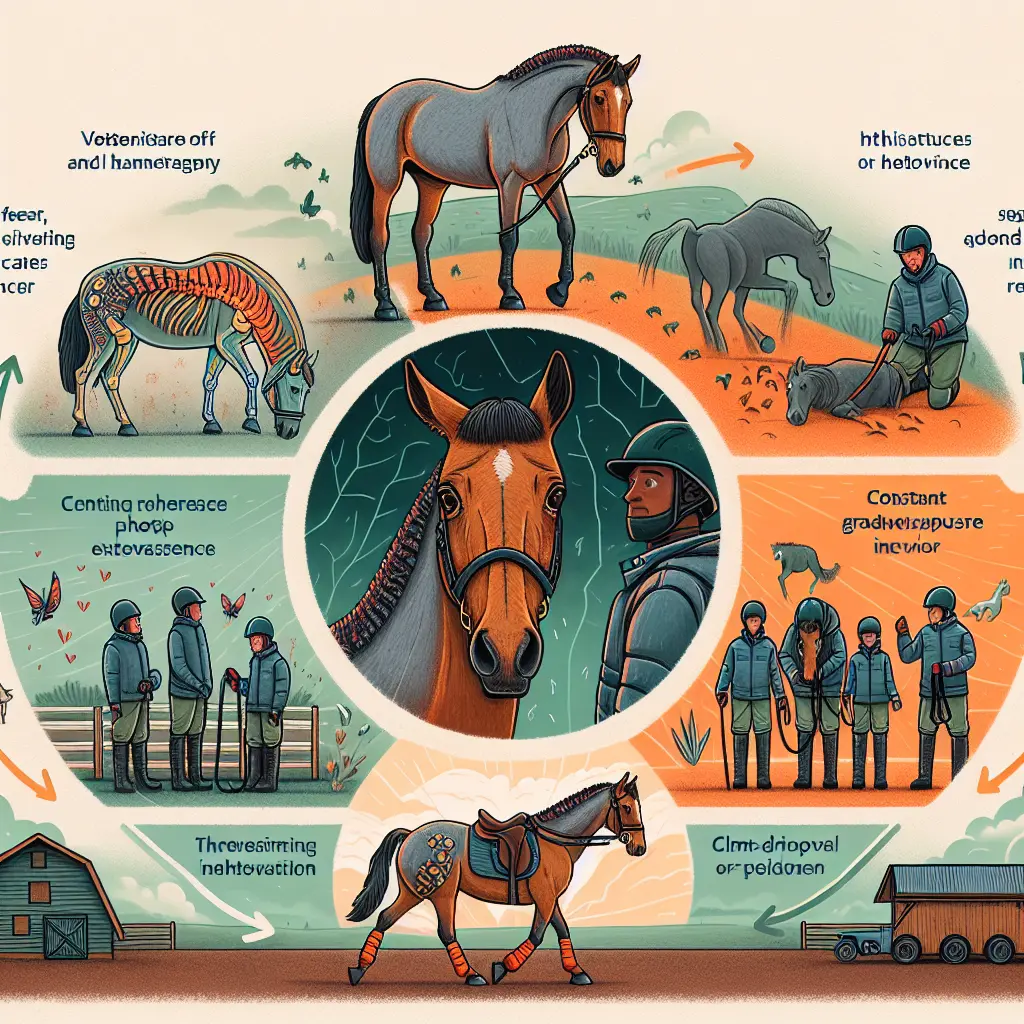
Rehabilitation and Its Effects
Effective rehabilitation can significantly reduce a horse’s pain and improve its behavioral responses. Pain rehabilitation programs lasting around 5-8 weeks with controlled exercise have shown significant improvements (source). Using suitable stable rugs and turnout rugs can assist in maintaining comfort during rehabilitation.
Rebuilding Confidence: Key Steps
Pain Management and Veterinary Assessment
A thorough veterinary evaluation is essential for diagnosing and treating underlying pain sources. Management may involve physical therapies, medication, and corrective shoeing to reduce discomfort.
Gradual Exposure and Positive Reinforcement
Once pain is managed, reintroduce the horse to handling and ridden work gradually. Utilize positive reinforcement techniques to encourage calm behavior and rebuild trust broken by painful experiences (source).
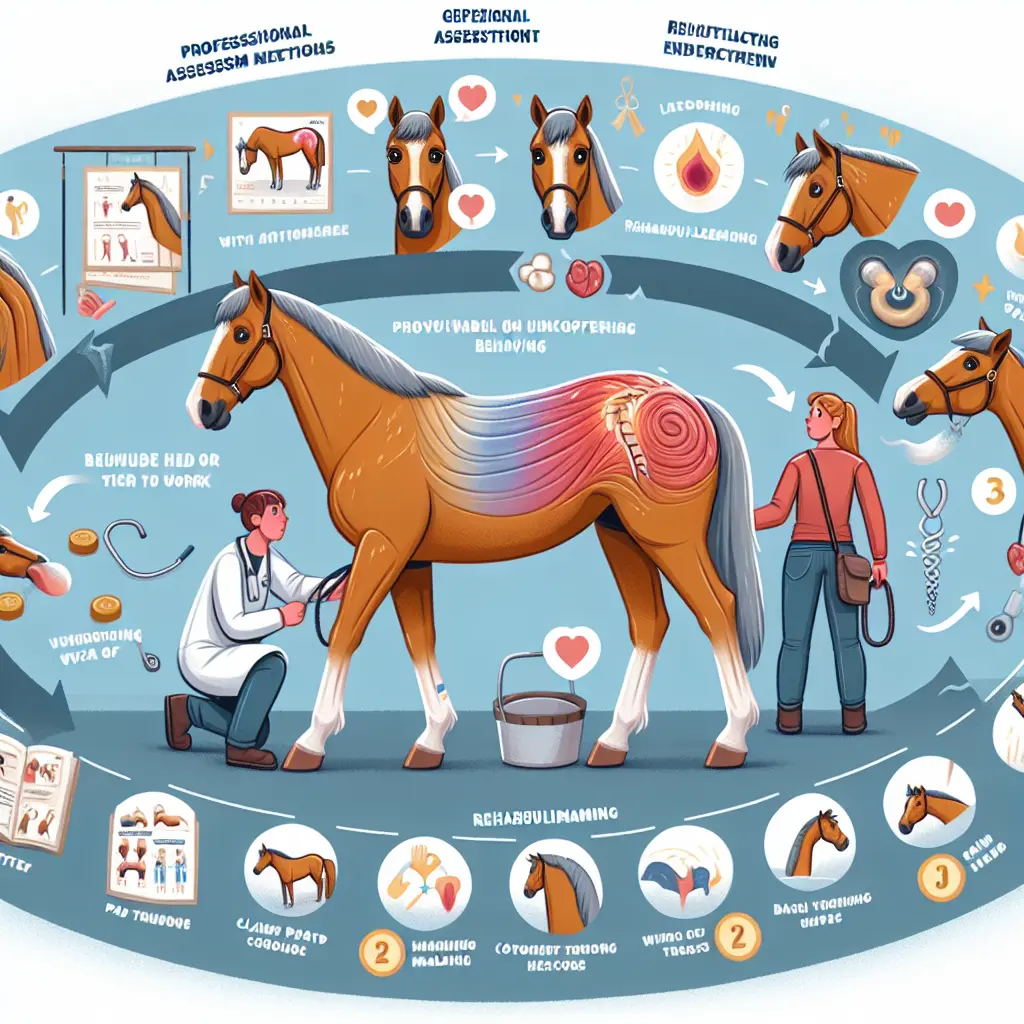
Consistent, Calm Handling
Fear diminishes when horses experience predictability and safety. A calm, consistent handler who respects the horse’s pace supports emotional healing. Utilizing proper gloves can enhance handling safety and confidence.
Body Language and Behavioral Awareness
Understanding the horse’s subtle signals—such as changes in attention or muscle tension—during rehabilitation is crucial. Recognizing these signals helps in adapting work plans to the horse's needs (source).
Use of Equine-Assisted Activities (EAA)
Interacting with horses reduces pain perception and promotes positive emotions in both horses and humans, helping rebuild mutual confidence and reduce anxiety (source).

The Psychological Dimension for the Rider
Riders often experience anxiety or loss of confidence following their horse’s pain-induced behavior. Gradual exposure to the horse’s new behavior patterns and working with professionals improves human confidence while supporting the horse’s recovery.
Facts and Figures Adding Credibility
- Chronic back pain prevalence in horses can be as high as 35% in some populations (source).
- Pain-related behaviors include at least 69 distinct forms linked to discomfort caused by bit issues (source).
Conclusion
Informed pain management, patient rehabilitation, positive reinforcement, and mutual trust rebuilding can help handlers and riders overcome fear and regain confidence. This journey not only improves equine welfare but revitalizes the human-animal partnership. Visit Just Horse Riders for quality equipment and supplements to support your healing journey.