

Evaluating Conformation Challenges: Should You Invest in a Young Horse with Toeing Out?
When considering purchasing a young horse with toeing out (also known as splay-footed), it’s crucial to grasp the implications this conformational trait may have on the horse's future soundness, performance, and manageability. This blog delves into the intricacies of toeing out, offering insights encompassing severity, potential corrections, soundness outlook, and investment considerations.
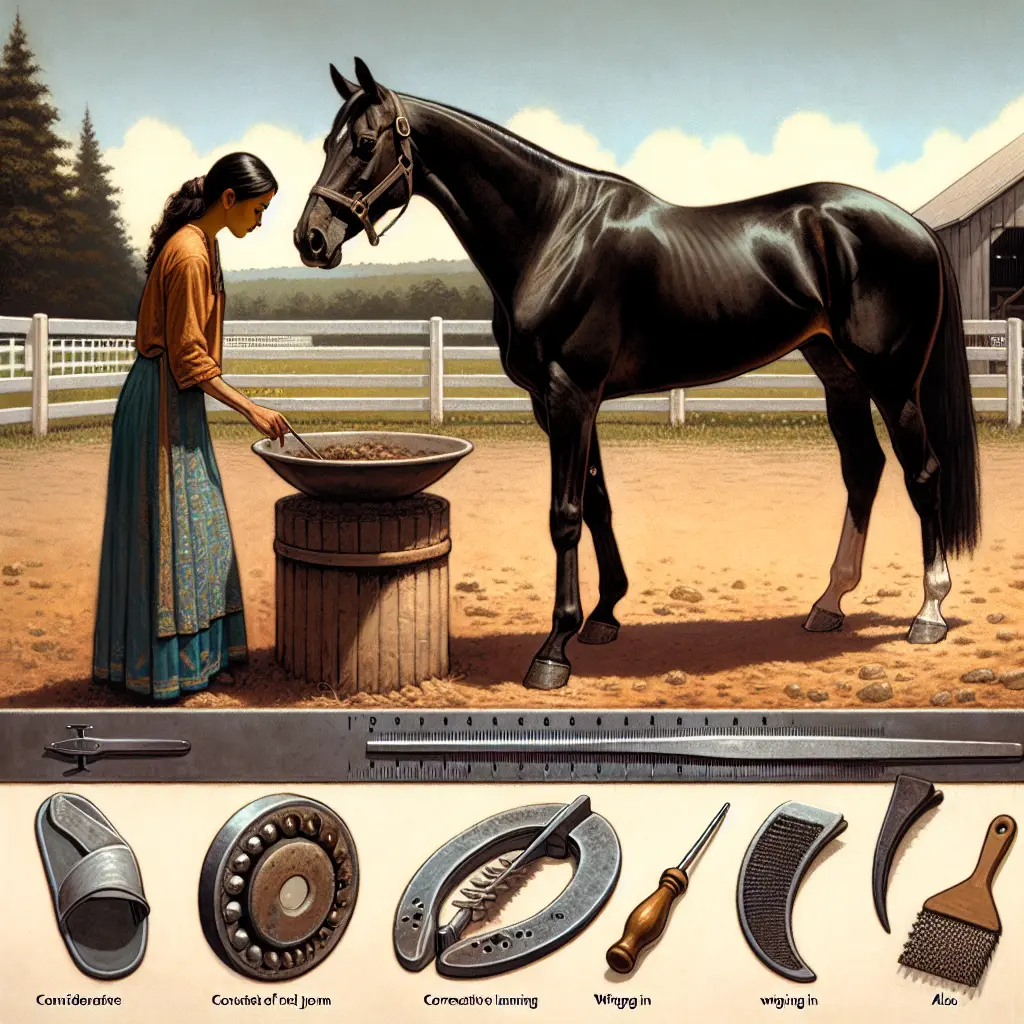
What is Toeing Out?
Toeing out occurs when one or both hooves point outward rather than straight ahead. This deviation may stem from various leg parts, including the shoulder, hip, knee, and fetlock, or it might be just a matter of hoof alignment. It is usually congenital, meaning the horse is born with this condition, but can develop with age or injury. Learn more about equestrian supplies at Just Horse Riders.
How Does Toeing Out Affect Movement?
Leg conformation significantly influences a horse’s gait. Typically, horses with toeing out demonstrate "wing in" movement, where the hooves swing inward during a stride. This could lead to interference, where the horse might actually strike a limb with another, consequently increasing injury risk and potentially leading to uneven wear on hooves and joints over time. University of Georgia CAES provides further insights.
Conversely...
Horses with toeing in, or pigeon-toed horses, tend to "wing out." Both conditions create unique stress points on specific parts of the hoof and leg. Specifically, toeing out places additional strain on the inside or medial side of the limbs. TheHorse.com offers detailed biomechanical explanations and treatment strategies.
Severity and Age: Key Factors
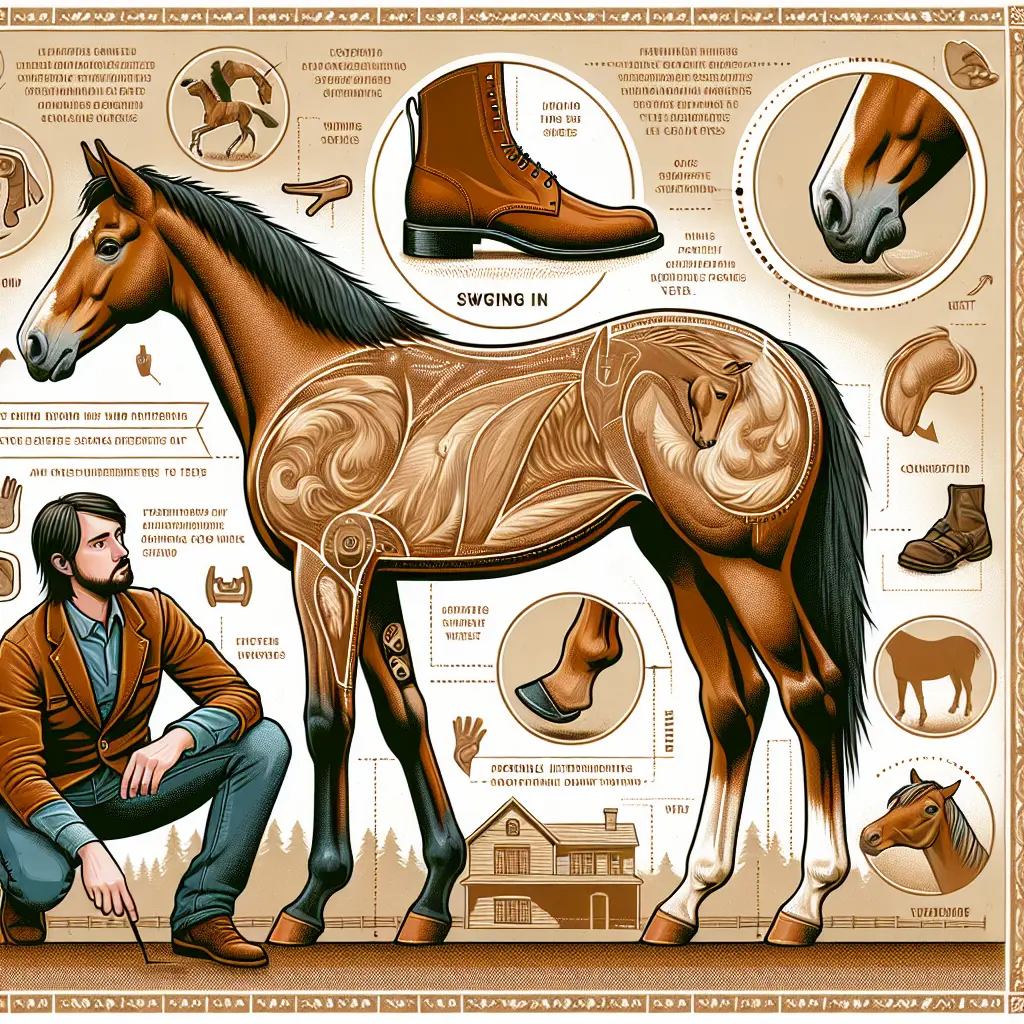
Younger Foals
Mild toeing out in foals is common and often corrects itself as the foal matures and strengthens. Monitoring is commonly preferred unless the deviation is severe or results from structural contractures that require veterinary treatment. The American Farriers Journal emphasizes early-life interventions like corrective trimming.
Mature Horses
Persistence of toeing out into adulthood is generally concerning, given its deeper implications on gait biomechanics and potential exposure to soundness problems under athletic strain. The University of Georgia's research underscores careful considerations.
Impact on Different Disciplines
The consequences of toeing out are also influenced by specific disciplines:
Impact on Sports Requiring Agility
Sports necessitating tight turns and quick maneuvers, like barrel racing or cutting, may see horses disadvantaged by toeing out, as this alignment can hinder agility and amplify interference potential.
On a Positive Note...
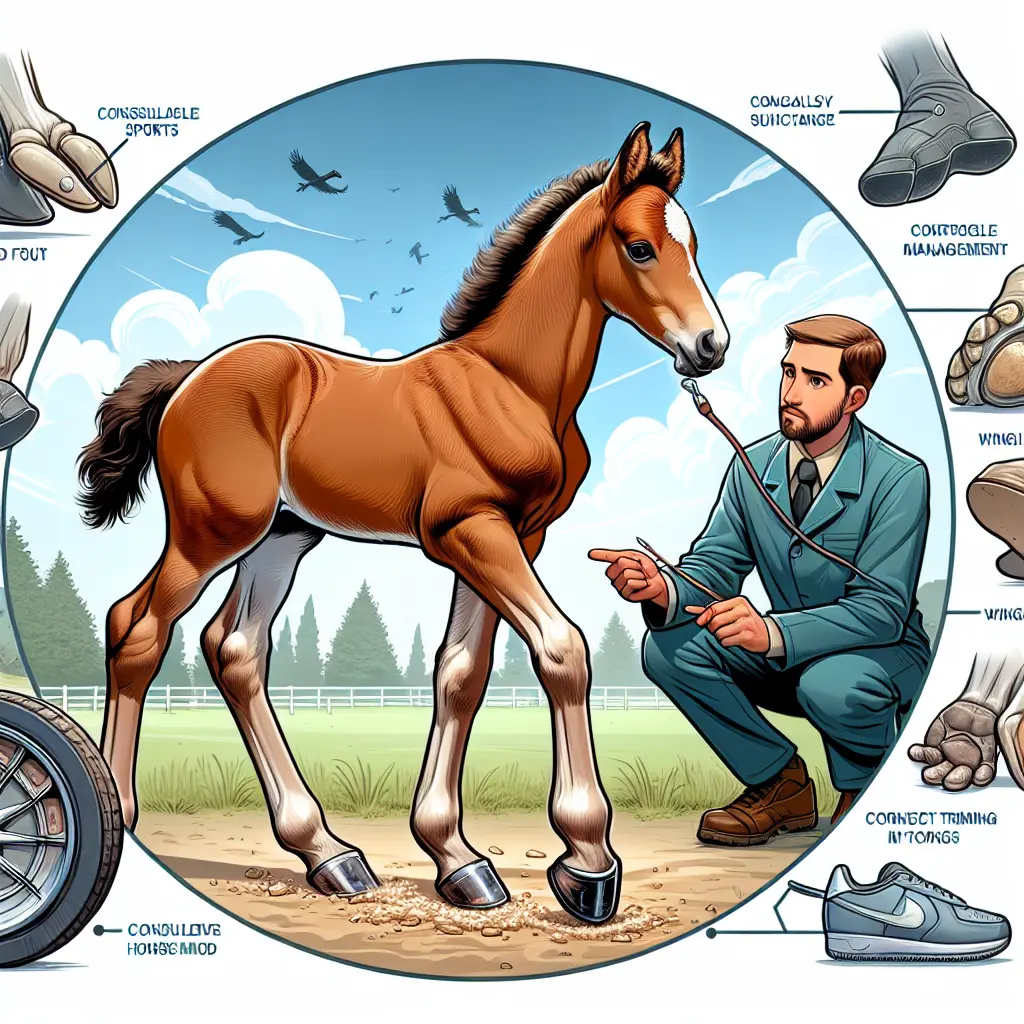
Some trainers suggest mild toeing in or out may be less visibly impactful if the rotation occurs uniformly along the leg, rather than localized at one joint such as the fetlock. For more agility, consider investing in quality Jodhpur Collection.
Potential for Correction
Corrective Trimming and Shoeing
Early intervention through corrective trimming and shoeing can manage toeing-out conformation effectively, especially if addressed promptly within the first one to two months of life. Veterinary interventions, such as oxytetracycline injections for structural contracture-induced abnormal foot placement, are also available. Severe cases might opt for surgery or continued management. Learn more about Horse Riding Gloves for your equestrian needs.
Soundness Outlook and Investment Considerations

Long-term Soundness
Slight toeing out doesn't automatically rule out long-term soundness—some successful performance horses have maintained demanding careers despite mild toeing out. Evaluation should include a thorough observation of the horse’s movement from multiple angles to identify any interference or inefficient movement patterns. Diagnostic imaging could be warranted when sudden toeing out accompanies other abnormalities.
Evaluating the Prospect
Investment decisions should consider the deviation severity, its causation, prospects for possible correction, and the intended use of the horse. Everyday Horse Vitamins & Supplements can offer additional support for maintaining soundness.
Cognizant planning with experienced vets and farriers early on can optimize a positive long-term outcome for the equine involved. Explore Horse Treats And Gifts for rewarding your equine companions.
Conclusion
Investing in a young horse with toeing out requires informed caution. Mild toeing out often ameliorates with growth and management, offering potential for an undeterred equestrian future. From degree of deviation to corrective potential and projected use, these factors are paramount. Prioritizing gait quality observation, specialist advising, and preventive care ensures maximizing asset value and enjoyment. Join us at Just Horse Riders for more equestrian insights.