

Is Gradual Turnout After Horse Surgery Really Necessary?
You've probably heard the recommendation: keep your horse on stall rest right after surgery. But what if the key to better healing is actually gradual turnout and managed movement? Recent insights and research from leading equine surgeons challenge traditional views and can potentially change the way we help horses recover.
Why Stall Rest Isn't Always the Best Default
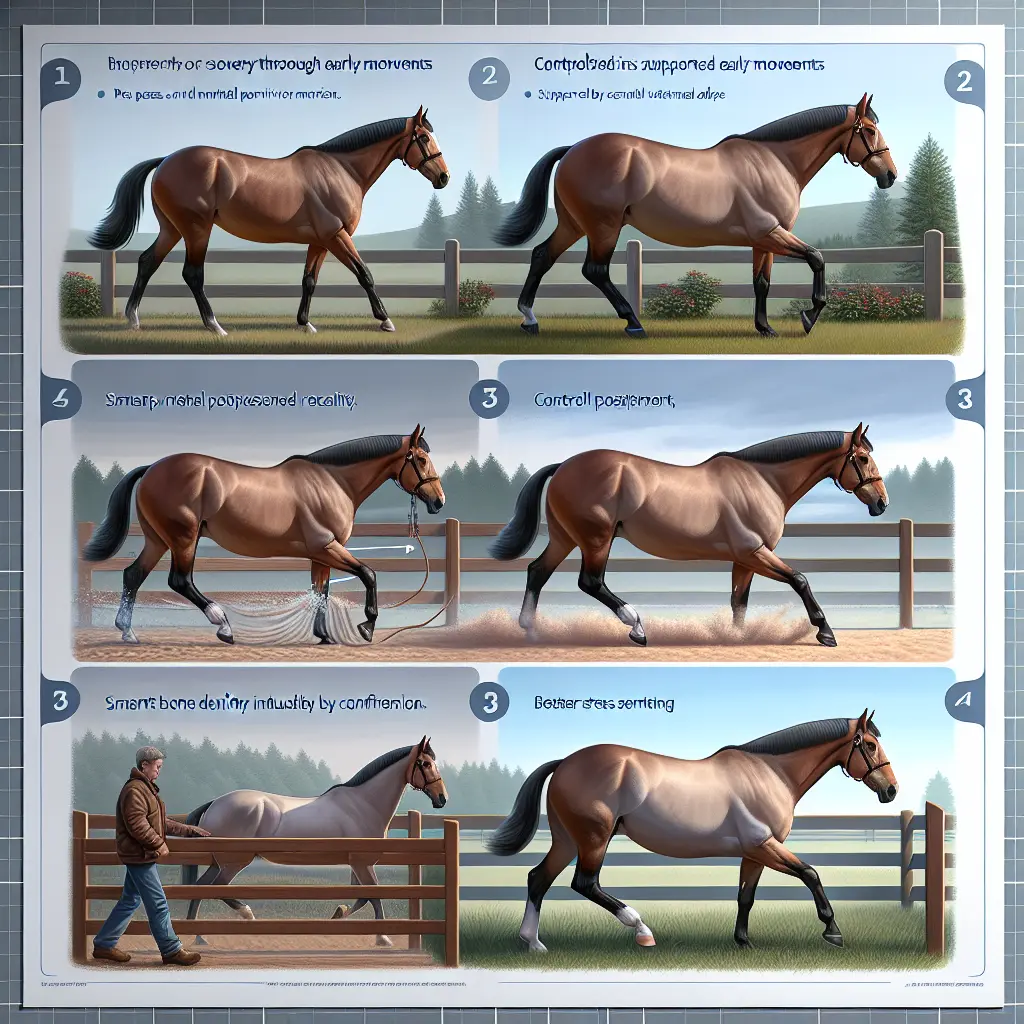
An oft-repeated mantra among horse owners post-surgery is "stall rest." It's rooted in the fear that any movement could cause re-injury. However, horse health experts, like Dr. Larry Bramlage, emphasize that controlled turnout aids skeletal healing by encouraging bone remodeling. Practices from the past of strict confinement are being replaced by more nuanced approaches, thanks to modern diagnostics and imaging techniques.

The Science-Backed Benefits of Early, Controlled Turnout
Movement can often be more beneficial than keeping horses stationary. Here's how turnout aids in post-surgery recovery:
- Bone and Joint Strength: Movement increases bone density. Research in the Journal of Equine Veterinary Science indicates horses with greater freedom develop stronger bone and joint health than their stalled counterparts.
- Tendon and Ligament Healing: Gradual turnout enables tendons to adapt, avoiding the stiffness and weakness caused by complete immobilization.
When Gradual Turnout Beats Full Restriction
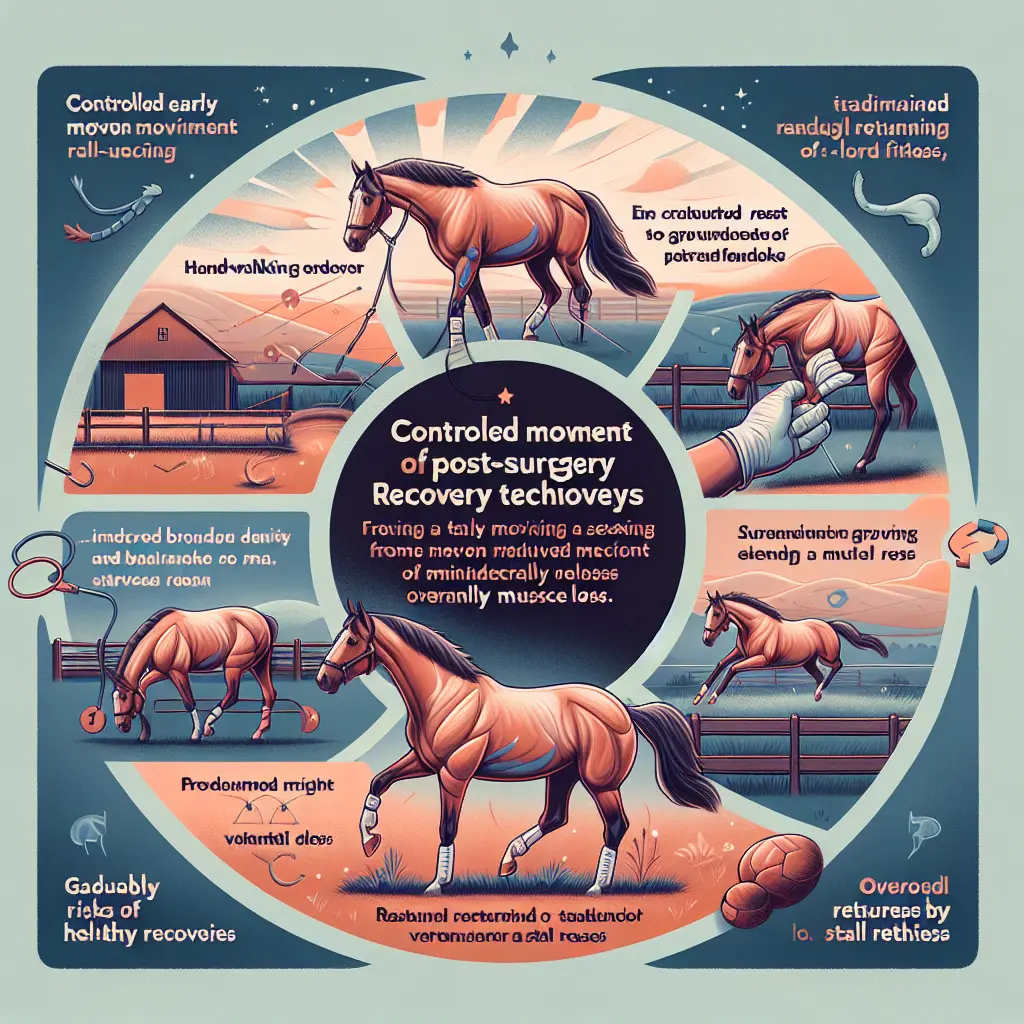
Full restriction isn't always necessary if you start gradually. Tailoring turnout to the stage of injury can be significantly beneficial. Consider these practices:
During the early phase (days to weeks post-surgery), aim for hand-walking or small-paddock turnout. This movement mimics natural motion, but with much less freedom. As your horse progresses to the mid-recovery phase, aim for 12+ hours of turnout. Finally, when the vet approves, allow bigger fields for complete recovery.
Treatment Comparison Matrix
| Turnout Type | Best For | Key Benefits | Risks if Misused |
|---|---|---|---|
| No Turnout (Stall Rest) | Severe acute injuries only | Prevents immediate re-injury | Muscle loss, joint stiffness, stress |
| Limited (1-4 hours, small area) | Early post-surgery | Bone remodeling, low stress | Minimal if monitored |
Practical Steps for Safe Turnout Post-Surgery
Here are some steps that can help ensure your horse safely benefits from turnout:
- Consult Your Vet: Work closely with a vet to create a custom plan.
- Choose Safe Spaces: Opt for footing that’s soft and even, steering clear of potential hazards.
- Scale Wisely: Start with 15-30 minutes of turnout and build as your horse's tolerance develops.
Busting Myths: Turnout Doesn't Mean Risky Freedom
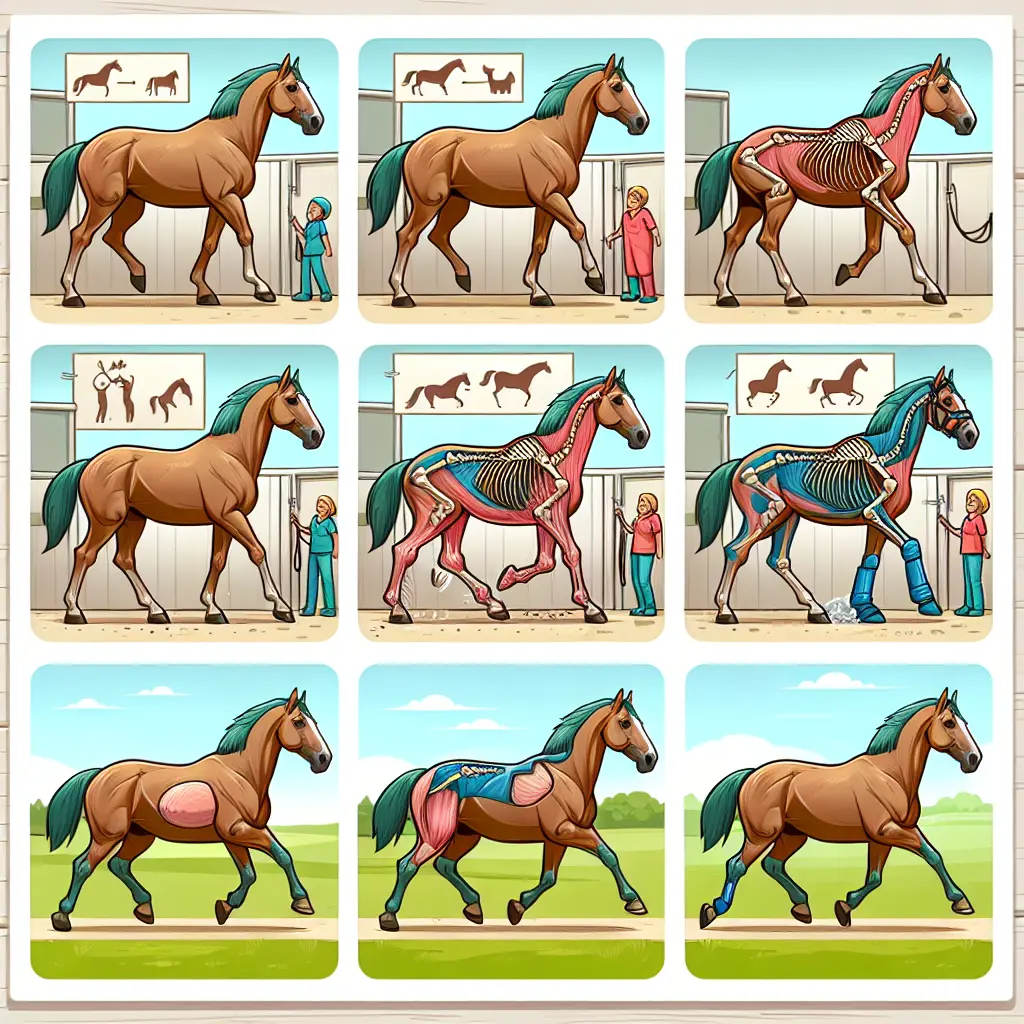
Two myths to debunk: that any turnout leads to disaster and all horses need extended stall rest. Contrary to old beliefs, controlled turnout can mitigate risks like colic and ulcers, offering crucial movement many horses need for optimal recovery.
Final Takeaway for Horse Owners
For top-notch recovery, prioritize controlled turnout over default stall rest. It allows for faster, healthier healing, supported by both research and experienced surgeons. Don't let unnecessary restrictions hold your horse back from a vibrant post-surgery recovery. Consult your vet regularly and adjust plans as needed to give your horse a great shot at long-term soundness.
Explore Our Collections
While you’re focusing on your horse's recovery, ensure you have the right gear for all your equestrian needs. Check out our Jodhpur Collection, explore the Horse Riding Boot Collection, or pamper your horse with some Horse Treats and Gifts.