

Introduction
The elegance of dressage is often accentuated by the immaculate braiding of a horse's mane. For those competing or partaking in this equestrian art form, plaiting holds a special significance. But is it just an aesthetic choice, or does it delve deeper into tradition and welfare concerns? This comprehensive guide will explore these aspects, offering insights and practical advice.
The Historical Significance of Mane Braiding
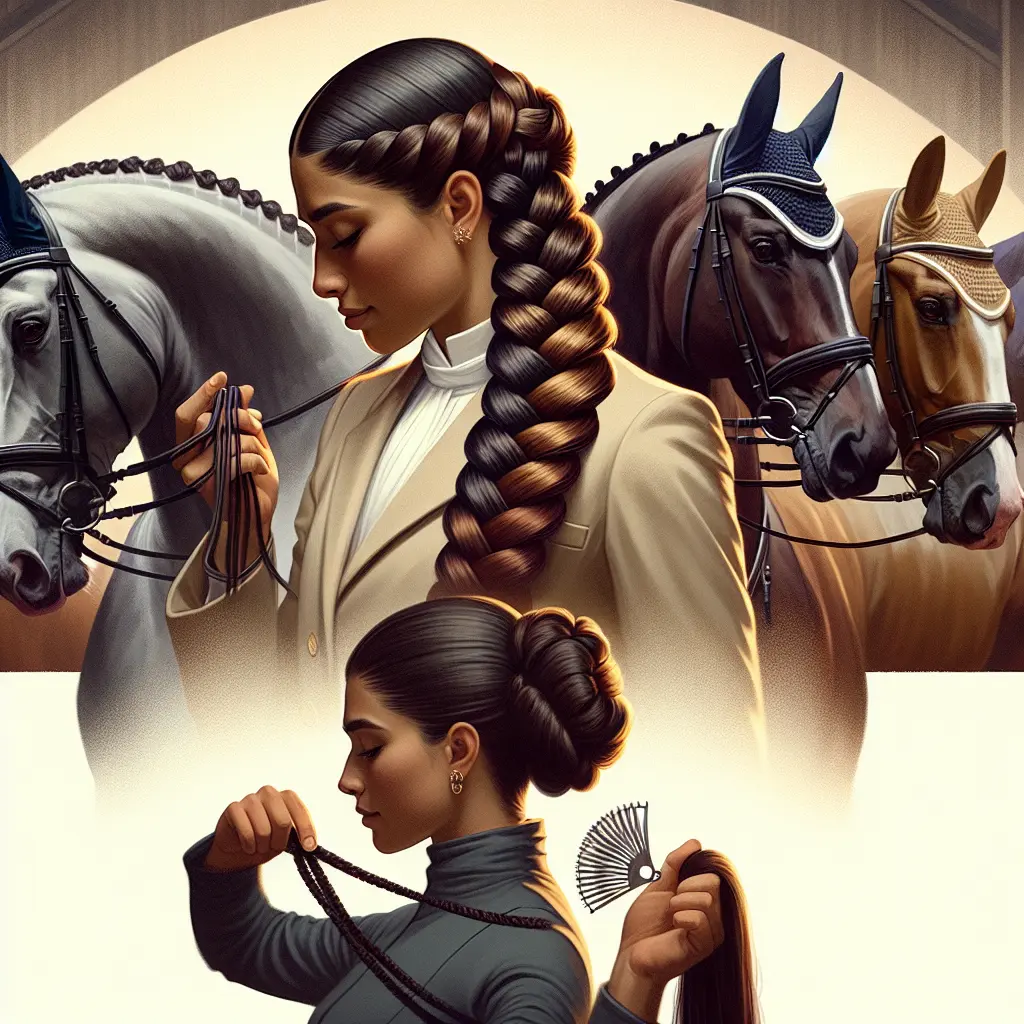
From Function to Form
Mane braiding, also known as plaiting, originates from a need to keep manes tidy and free from tangles during hunts or military parades. Back then, it was all about practicality. However, as time went on, it transformed into a symbol of precision and professionalism in the equestrian world.
A Cultural Tradition
The art of braiding has its roots in various cultures, often surrounded by folklore. Stories tell of fairies braiding manes, known as "elf knots," with an aura of mystique surrounding each braid. This rich cultural tapestry adds layers of tradition to modern competing practices.
Dressage and Its Current Practices
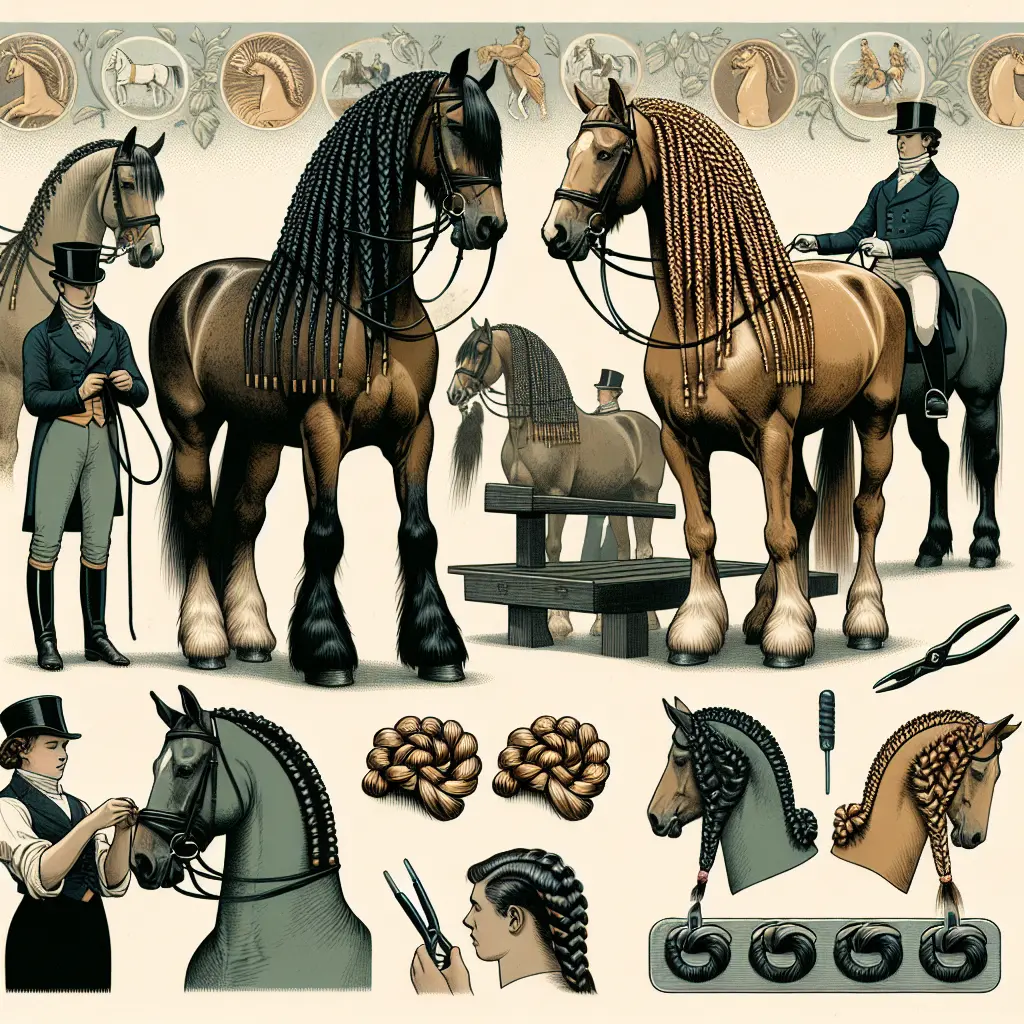
The Importance of Presentation
The tradition survives today, especially in dressage, where presentation is paramount. A well-executed braid can accentuate a horse's conformation, influencing judges discerning judgments (Hes-Tec).
Maintaining Heritage and Respect
Braiding is not just about aesthetics; it honors the sport, showcasing a rider's dedication. This intricate art offers respect to the rich history dressage represents (Braid Secrets).
Equine Welfare: Plait or Not?
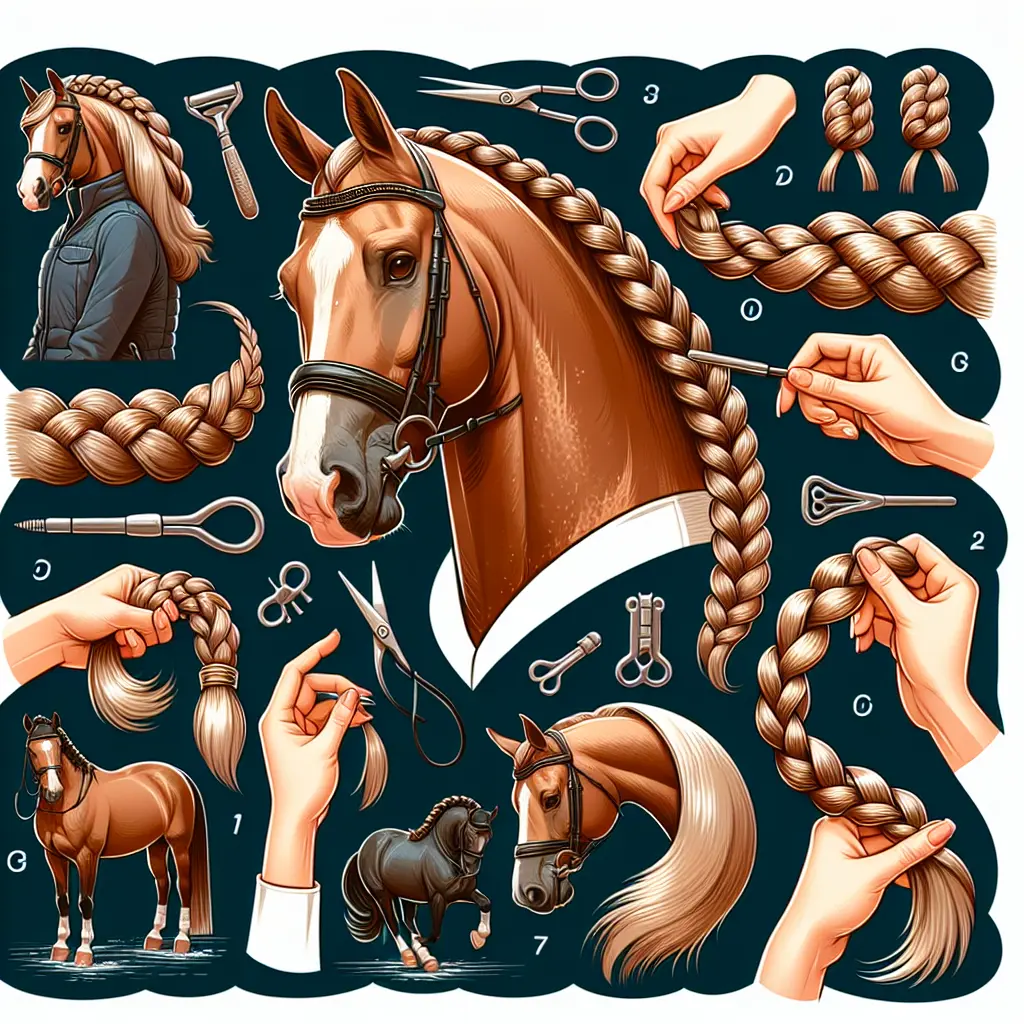
Addressing Discomfort
The debate around plaiting extends beyond aesthetics to welfare. Braiding, if too tight or left unattended, can cause discomfort. Horses with sensitive skin or those exposed to long periods of plaits might experience skin irritations or hair loss.
Alternatives on the Rise
Luckily, equine welfare awareness has paved the way for innovations like Quick Knot clips. These maintain a neat appearance without the stress of traditional braiding (Braid Secrets). These modern solutions provide a compromise, preserving tradition while respecting the animal's health.
Making Informed Choices in Dressage
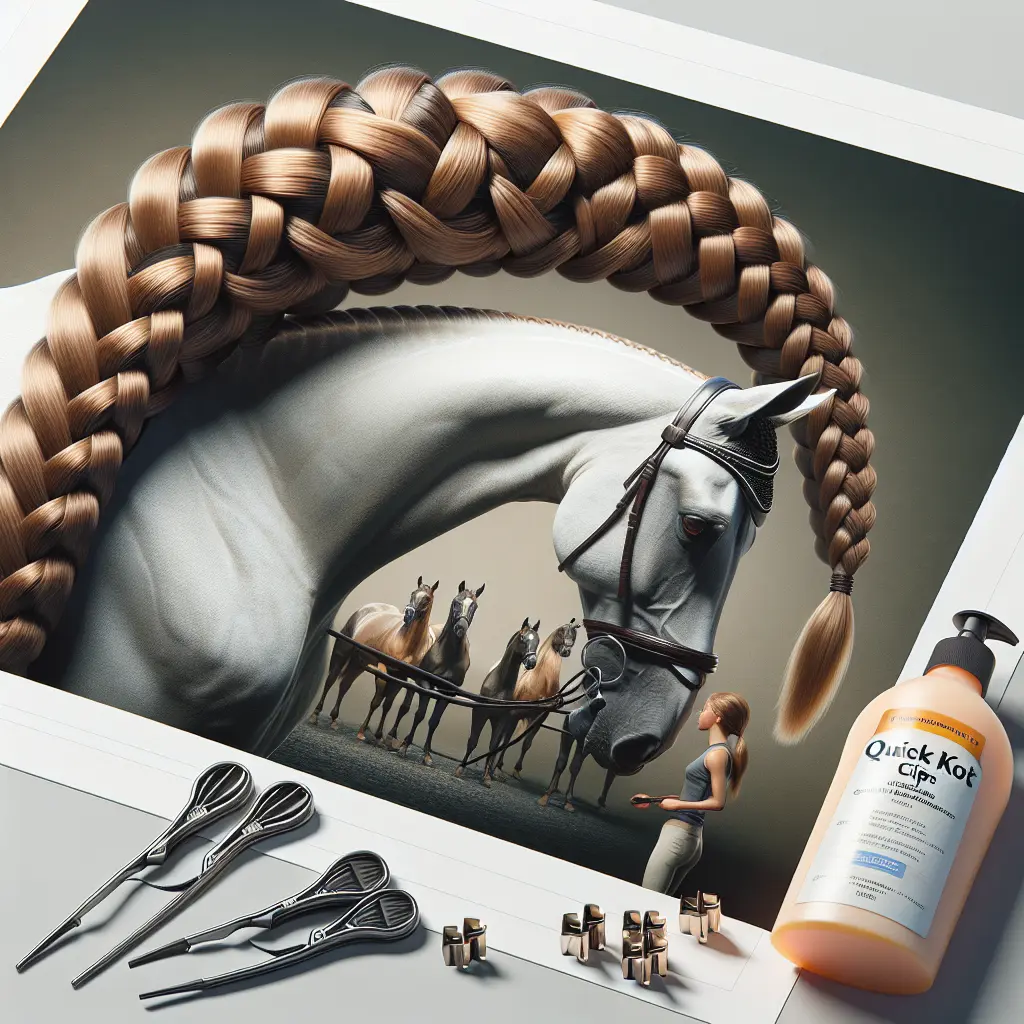
Balancing Act: Tradition and Ethics
The shift in perspective is evident as riders now choose styles based on comfort and aesthetics. Opting for natural manes or softer braiding methods can still meet the expectations of dressage without compromising on welfare standards.
Practical Tips for Modern Braiders
Creating a well-balanced braid calls for expertise. Skilled grooms can craft styles that are pleasing yet gentle by employing softer techniques and paying close attention to any signs of discomfort. Frequent breaks and conditioning treatments are highly recommended.
Conclusion
The journey of whether to plait or not is complex, interwoven with tradition and modern empathy for animal welfare. Dressage and equestrian enthusiasts find themselves in a dialogue that treasures the rich history of the sport while advancing the ethics of today. The beauty, professionalism, and wellbeing of our equine partners remain paramount. Whether embracing tradition or opting for natural elegance, the goal is the same: exhibiting the splendor and capabilities of horses while ensuring their well-being. For a variety of equestrian needs beyond grooming, explore our collections from Jodhpurs to Horse Treats.