

The Ultimate Guide to Transitioning Horse Bedding: From Shavings to Wood Pellets
Transitioning your horse’s bedding from traditional wood shavings to wood pellets might seem like a challenging task, but fear not! It can offer significant benefits in terms of absorbency, comfort, and ease of maintenance. This guide will break down everything you need to know: the advantages and disadvantages of each bedding type, how to make the switch smoothly, and key factors to ensure your horse’s health and comfort.
Understanding the Bedding Options
Wood Shavings
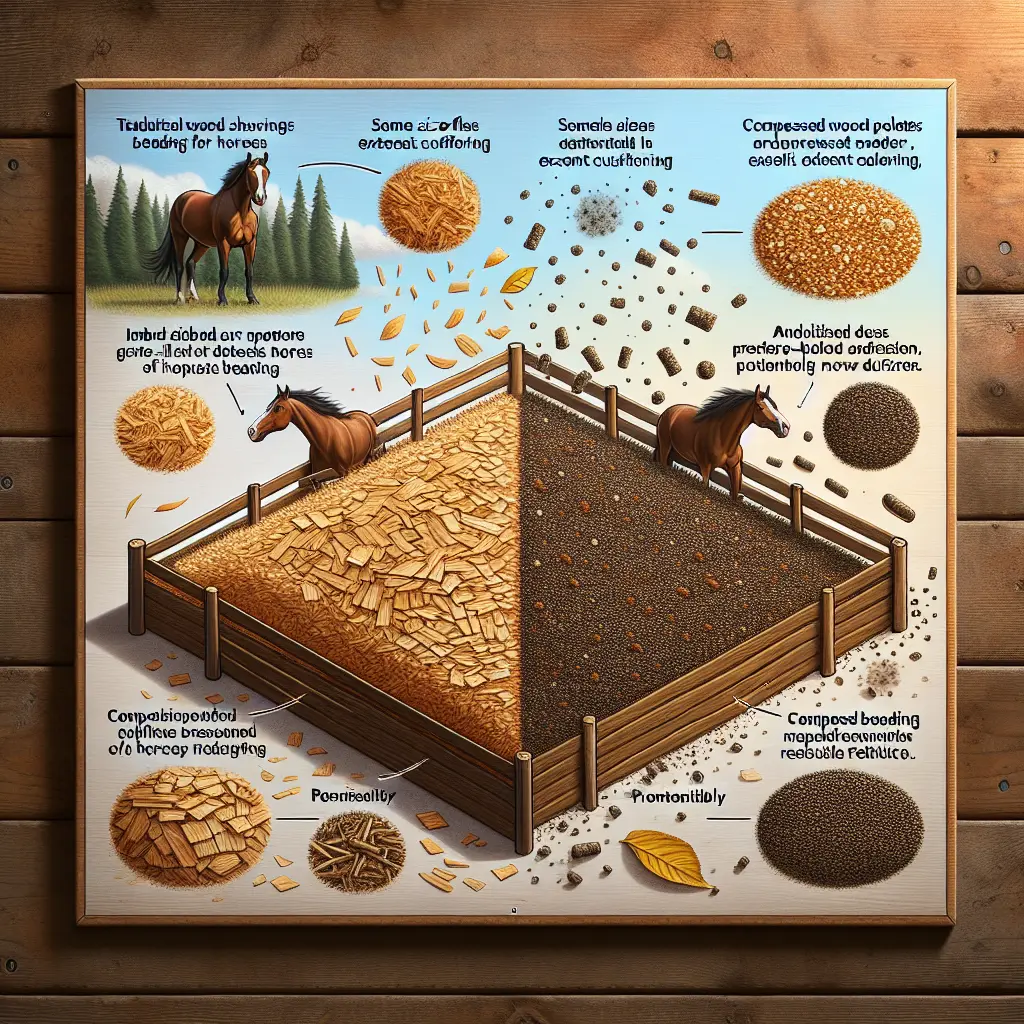
Wood shavings have long been a popular choice for horse bedding, especially for mature horses. They offer:
- Absorbency & Cushioning: Softwoods like pine provide excellent cushioning and absorb moisture well, keeping stalls dry and comfortable.
- Dust and Mold Reduction: Compared to straw, shavings emit less dust and are less prone to mold growth, reducing potential respiratory risks.
- Varied Flake Size: Smaller flakes absorb better, while larger flakes offer more cushioning and less dust, beneficial for horses with respiratory issues.
However, there are some downsides:
- Cost: Shavings tend to be less expensive per bag than pellets, making them a budget-friendly option.
- Disposal Challenges: Wood shavings don’t compost easily, and in some regions, disposal can be complicated due to landfill restrictions.
- Toxicity Risks: Owners must avoid certain woods like black walnut, oak, and red maple, which can cause serious health issues like laminitis.
Overall, wood shavings remain a reliable bedding material, but transitioning to pellets introduces new benefits [4][1].
Wood Pellets
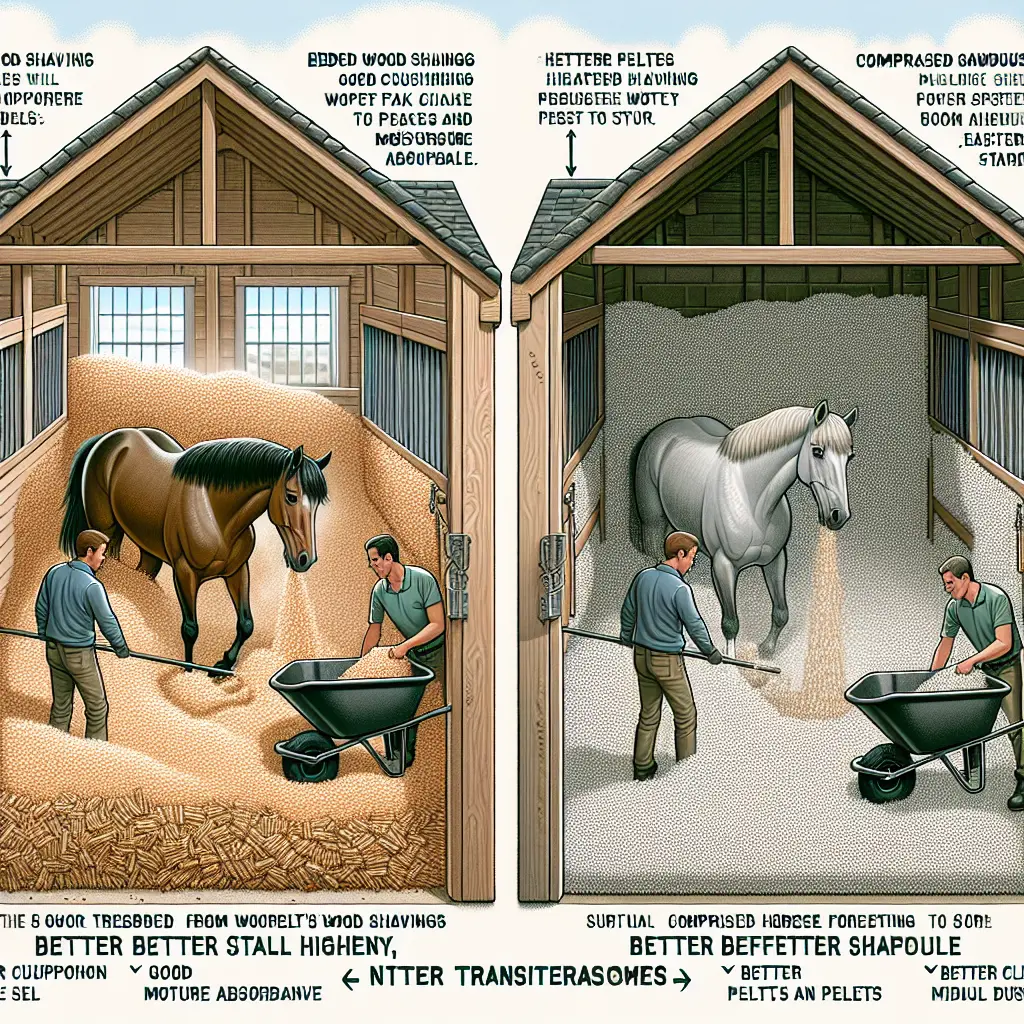
Wood pellets are made from compressed sawdust, usually pine, which expands when water is added to create soft, absorbent bedding. Their benefits include:
- High Absorbency: Pellets absorb urine efficiently, often requiring less frequent changes.
- Easy Cleaning: The compact nature and low dust levels allow for easier sifting and waste removal.
- Comfort & Joint Relief: Once expanded, pellets form a soft base that can reduce stress on horse joints.
- Reduced Dust & Allergens: Premium pellets minimize dust, which is excellent for horses with respiratory sensitivities.
On the downside:
- Higher Cost: Pellets, particularly horse-specific quality pellets, tend to be more expensive than shavings.
- Preparation Time: Pellets must be wetted before use, which adds a step to stall maintenance.
- Quality Variability: Some pellets on the market are repurposed from wood stove fuel pellets, which may contain unsafe woods or chemicals.
Despite these cons, many horse owners praise pellets for their long-term benefits and cost-effectiveness due to less frequent bedding replacement[5][2][3].
Why Transition from Shavings to Wood Pellets?
Here are compelling reasons to consider this change:
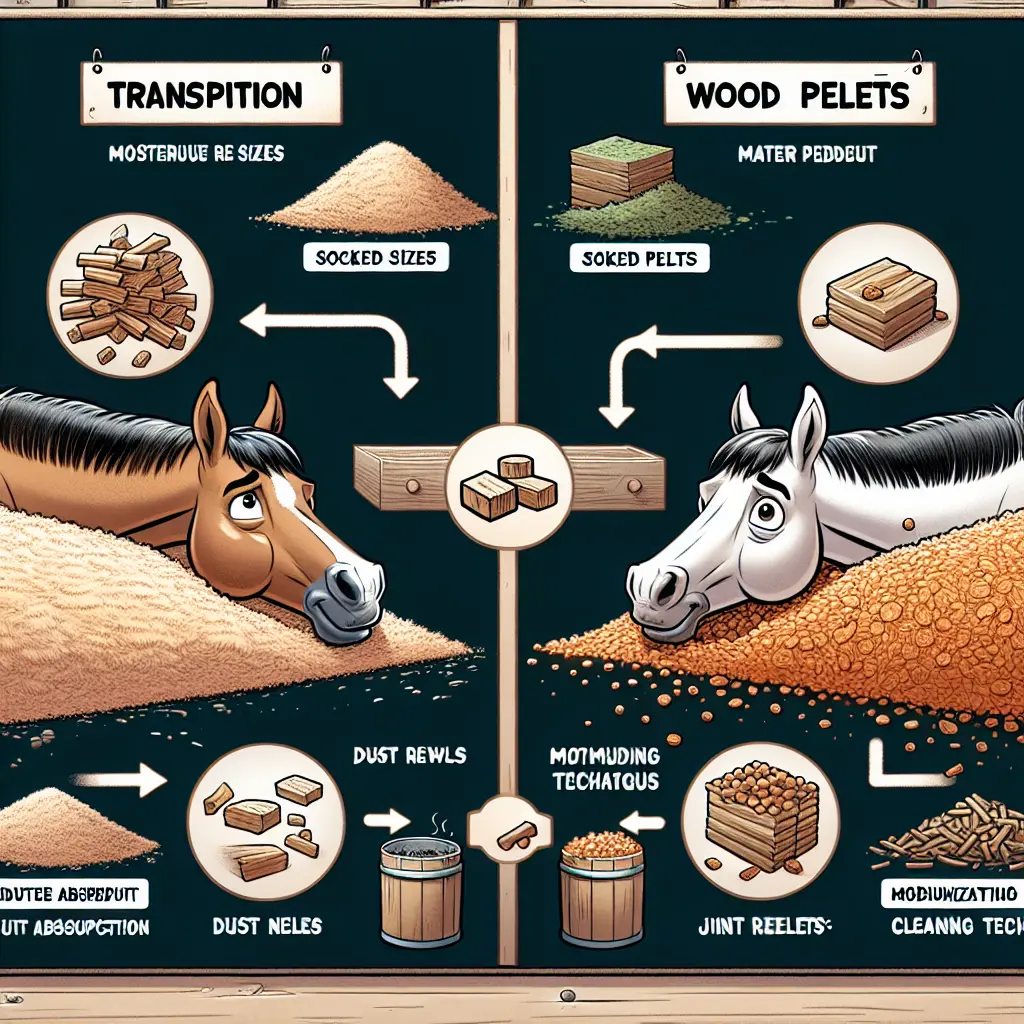
- Improved Stall Hygiene: Pellets' superior absorbency helps maintain a drier stall environment, reducing odor and bacterial build-up.
- Better for Respiratory Health: Lower dust levels decrease risks of respiratory ailments common in horses housed indoors.
- Sustainability: Pellets are typically made from compressed sawdust by-products, which can reduce waste and environmental impact compared to fresh-cut shavings.
- Ease of Storage and Handling: Pellets take up less space and are easier to store than bulky shavings bags.
How to Transition Your Horse’s Bedding Properly
Switching bedding types requires a gradual and thoughtful approach to prevent stress or discomfort for your horse. Here's how you can go about it:
- Start Slowly: Begin by mixing a small amount of soaked wood pellets into your horse's existing shavings bedding. This allows your horse to get used to the new texture and feel.
- Monitor Horse Behavior: Look out for any signs of discomfort, allergies, or respiratory issues during the transition.
- Adjust Stall Cleaning Routine: Pellets require wetting before use and may clump differently than shavings. Adapt your cleaning habits accordingly.
- Maintain Consistency: Once fully transitioned, regularly remove waste and replenish bedding to keep the stall dry and cushioned.
- Check Pellet Quality: Use horse-specific pellets made from safe woods like pine to avoid toxicity and ensure minimal dust production.
Cost Considerations
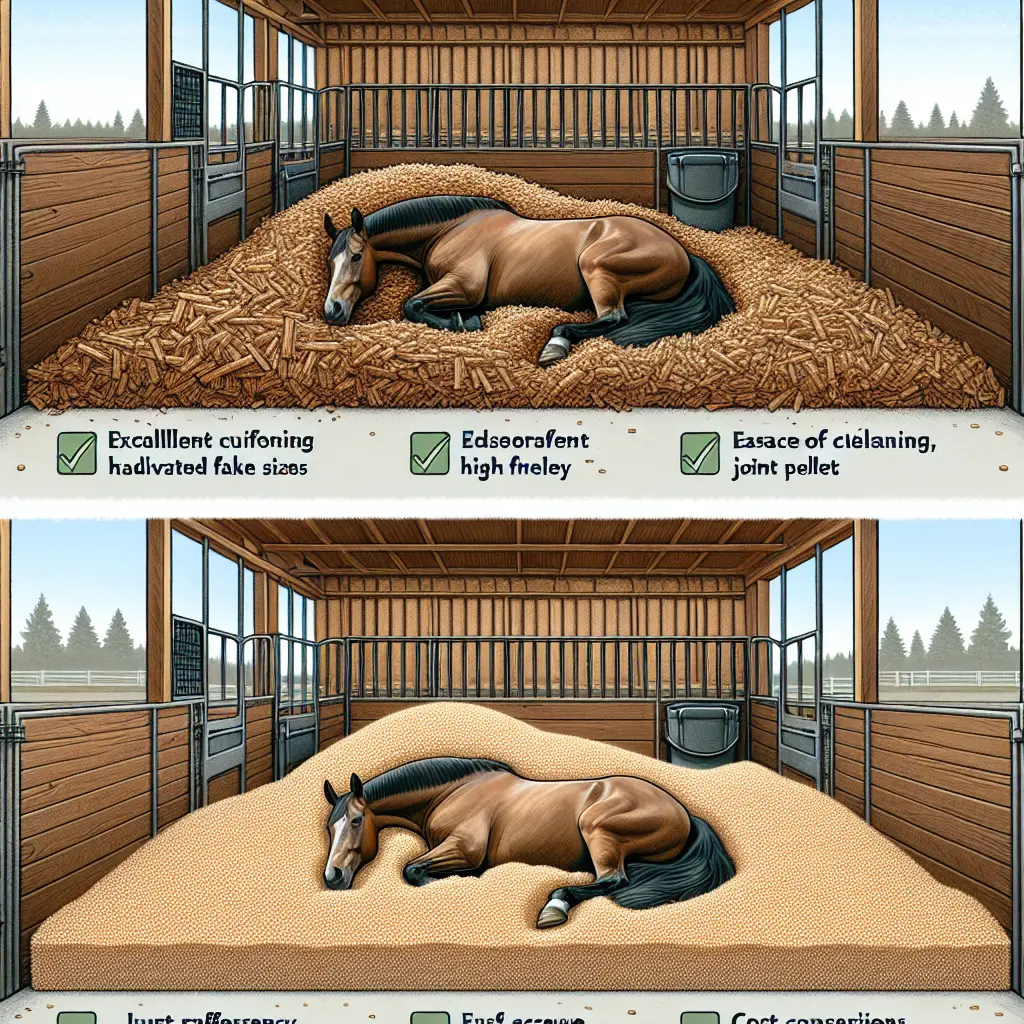
While wood pellets generally cost more upfront than shavings, their high absorbency can mean fewer total changes and less waste, balancing out expenses over time. Shavings are usually cheaper per bag but may require more frequent replacement and produce more waste by volume.
Final Thoughts
Transitioning from wood shavings to wood pellets can enhance your horse’s comfort, improve stall hygiene, and reduce respiratory risks. The key is to choose high-quality pellets, introduce them gradually, and observe your horse’s response closely. With thoughtful management, pellets can provide a superior bedding solution that supports both horse health and stable maintenance efficiency.
Further Reading & Resources
For an in-depth comparison of bedding pellets vs. shavings, including pros and cons from user experiences, visit Adenbrook’s bedding discussion[1].
Explore detailed insights on wood pellets bedding benefits and drawbacks at Just Horse Riders, which also covers preparation tips for optimal use[5].
Learn about health considerations tied to wood bedding types, including wood toxicity risks and dust effects, from MadBarn’s expert guide on horse bedding types[4]. These authoritative sources can help you make an informed decision confidently, ensuring your stable environment is safe, comfortable, and sustainable.
Explore More at Just Horse Riders
Don't forget to explore our exclusive collections for all your equestrian needs: