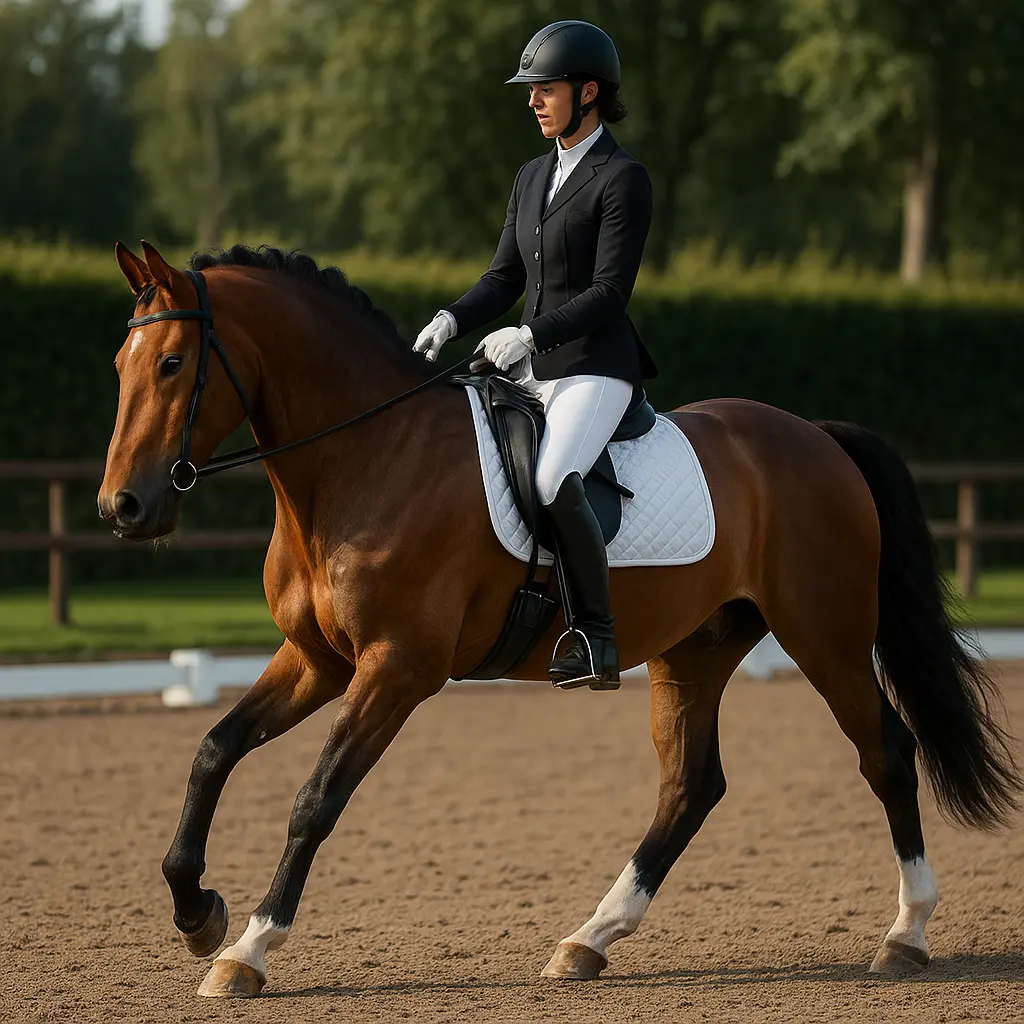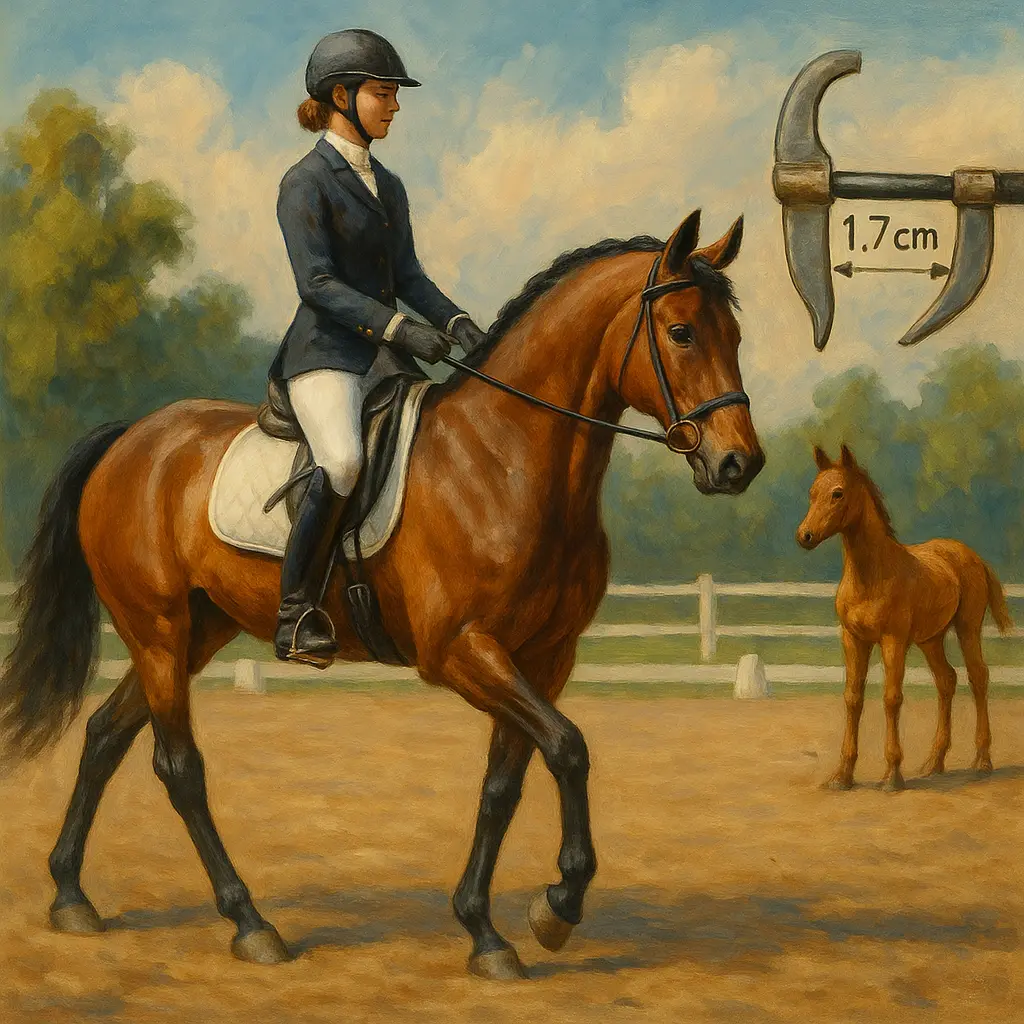
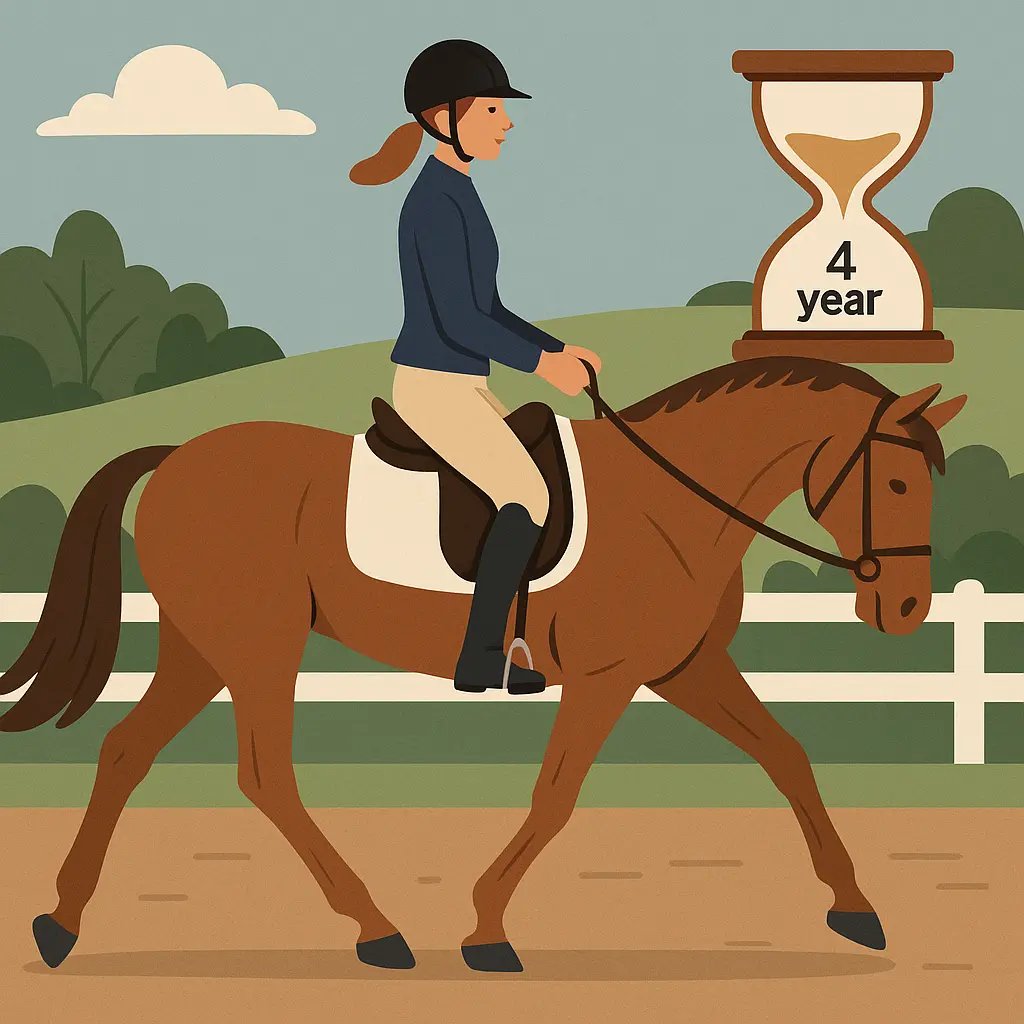
Sweden has just rewritten parts of dressage. From 1 January 2025, nosebands are optional in single-bitted bridles, rising trot is welcomed up to novice level, and four-year-olds must have two weeks off between competitions. Even if you never set hoof in Sweden, these welfare-led shifts are shaping what UK riders should do now.
Key takeaway: Prepare for welfare-first dressage by fitting nosebands to the 1.7 cm FEI standard, schooling with (and without) nosebands at home, using rising trot to build relaxation, and ring-fencing two-week breaks for young horses.
What Sweden changed for 2025 — and why it matters in the UK
Sweden has made nosebands optional on single-bitted bridles across all dressage levels from 1 January 2025, permitted rising trot up to novice B3/LB:3, and requires two-week competition breaks for four-year-olds.
These decisions are grounded in years of horse-first pilots and democratic input: around 10% of rule submissions focused on noseband choice, contributing to the optional policy. The Swedish reforms align closely with international welfare trends, including the FEI’s 2025 introduction of a calibrated noseband tightness check requiring at least 1.7 cm clearance at the nasal bone. For sources and further reading, see Eurodressage (nosebands optional) and our explainer on the wider programme of change at Just Horse Riders.
“We have welcomed the discussion about nosebands… We have received a lot of input from the association about making nosebands voluntary, and now the dressage committee has agreed to this.” — Andrea Barth, Director of Operations for Sport and Competition, Swedish Equestrian Federation
Sweden’s approach isn’t new. It builds on 2015 changes that made spurs and the curb optional nationally in dressage and follows a multi-year pilot for rising trot in tests. As Maria Nilsson, Chairwoman of the Swedish Dressage Committee, notes in Eurodressage’s 10-year review, these are measured, evidence-based steps to put harmony and welfare at the centre.
Are nosebands now optional in UK dressage?
No. British Dressage tests still require a noseband, and UK riders should expect FEI-aligned noseband tightness checks (1.7 cm minimum clearance) to be enforced at international level and increasingly referenced at affiliated national shows.
British equestrian bodies continue to align with FEI welfare standards, and the British Horse Society (BHS) strongly encourages routine tack-fit audits. So, while you must compete in a noseband at UK dressage, you should prepare for the same measurement focus Sweden and the FEI are applying. This means fitting for comfort and compliance at home, and arriving at shows ready for checks.
At Just Horse Riders, we recommend adding a calibrated noseband gauge to your show kit and practising with it in day-to-day schooling. Pack it alongside your competition clothing and keep it with your bridle tools to avoid last-minute scrambles in the warm-up.
Should you try removing the noseband at home?
Yes. School without a noseband on a quiet day to assess your horse’s comfort, contact, and stability before any decision about competition tack.
Going noseband-free can be enlightening: some horses soften and seek a more elastic contact; others become unsettled, toss the head, or struggle to maintain straightness. As international dressage judge Pia Fälth cautions in Eurodressage:
“I don’t think that many people will take advantage of it… The bridle becomes a little more unstable without a noseband, and many horses find it awkward.”
How to test it well:
- Start in a controlled environment. Ride in a familiar arena and keep the session short (20–30 minutes).
- Watch for signs of unease. Head tilting, tongue displacement, gaping, uneven contact, or tension in downward transitions.
- Compare feel and video yourself. Try your normal noseband the next day and review the footage side-by-side.
- If removing isn’t right, improve the fit. An anatomical cavesson or a softer flash/drop can stabilise the bridle while reducing pressure points.
Quick tip: If your horse is sensitive over the nasal bone, consider anatomically shaped cavessons from brands like Shires (bridles and cavessons) or LeMieux (comfort-first bridlework). If you’re upgrading on a budget, check our Secret Tack Room clearance for occasional bridle bargains.
How to measure and fit a noseband for 2025 checks
Use a calibrated gauge and maintain 1.7–2.0 cm space between the noseband and the nasal bone to meet FEI standards and welfare expectations.
Step-by-step fit and check routine:
- Position the noseband correctly. A cavesson should sit roughly two fingers below the facial crest; avoid resting on the soft cartilage of the nostrils.
- Fasten to comfort, not silence. You should achieve the 1.7–2.0 cm clearance at the nasal midline; over-tightening risks pain, restricted airflow, and pressure injury.
- Use a proper gauge. Slide the wedge or gauge at the nasal midline to confirm clearance; do not rely on finger thickness alone.
- Re-check after work. The best time to test is post-ride when nasal passages are warm and slightly dilated.
- Monitor for red flags. Rubs on the nasal bridge, reluctance to take the contact, grinding, or inconsistent breathing suggest you need to loosen or change the design.
Pro tip: Pack a mini tack-fit kit in your lorry — gauge, spare cavesson or drop, and a small punch — together with your plaiting and grooming essentials. If you love a streamlined kit bag, browse our practical gifts and toolkits that double as ring-side organisers.
Remember, Sweden’s optionality for single bits is about choice and welfare. As Maria Nilsson summarised in Eurodressage:
“We wanted to open up the possibility and make it optional where the decision lies with the rider to consider what they feel they need and what suits the horse best.”
Rising trot in dressage: when and why to use it
Rising trot is permitted in Sweden up to novice B3/LB:3 and is an excellent tool for developing relaxation, swing, and back health in young or novice horses.
The Swedish pilot that began in 2021 showed positive feedback for harmony at lower levels, and it aligns with what many UK trainers already practise: use rising trot to reduce spinal loading, encourage the horse to travel over the back, and keep the rhythm pure. In the UK, you can’t rely on it in all tests, but you can absolutely use it to build the quality of trot work in training.
How to integrate rising trot effectively:
- Alternate sitting and rising in sets (e.g., 3 minutes rising, 1 minute sitting) to maintain suppleness without fatigue.
- Use rising in lateral work introductions (leg-yield, shallow loops) to avoid bracing.
- In spring (April–June), take advantage of the softer going on grass to produce longer, elastic trots and reduce arena wear.
- In muddy autumns and winter, keep sessions shorter and focused; use poles to encourage cadence without impact.
Gear that helps: secure, grippy breeches and well-fitted boots make your position more stable and kinder to your horse’s back. Explore supportive women’s breeches and jodhpurs, children’s jodhpurs for juniors, and protective horse boots and bandages for careful gymnastic work.
Planning breaks for four-year-olds without losing training
Sweden mandates two-week breaks between competitions for four-year-olds; UK riders should adopt the same minimum and extend the rest in wet winters to prevent splints or joint strain.
For young horses, growth plates and soft tissues are still adapting to work. Competing hard every weekend is counterproductive. Mirror Sweden’s rule by scheduling two-week “down blocks” after any outing, especially from October to March when heavy ground increases strain. Use the time for low-impact development:
- Turnout with purpose. Light daily turnout maintains mental health and gentle movement; add turnout boots for support on muddy days.
- Rug appropriately. Keep muscles warm in changeable weather with breathable turnout rugs; look at durable options from WeatherBeeta for winter reliability.
- Bodywork and checks. Short physiotherapy sessions, carrot stretches, and weekly vet/therapist check-ins if you notice stiffness, girthiness, or reluctance to step under.
- Nutrition and recovery. Consider targeted supplements (e.g., electrolytes in mild spells, joint support for growth phases) and keep up with restorative grooming.
Quick tip: Log each competition and immediately book your horse’s rest window plus two short, easy hack days the week after. You’re less tempted to fill the diary when the rest is already inked in.
Train for harmony first: what judges want in 2025
Judges and committees are prioritising relaxation, rhythm, and welfare-led riding, and they expect rider choices (including tack) to support harmony.
Maria Nilsson’s guiding principle is clear:
“We have the horse and rider at the center and we want to see harmonious riding… Changes are made gradually… Our pilot projects are very good examples of something being tested before we implement it in the rules.”
Translate that into your schooling:
- Pilot before you commit. Trial noseband-free sessions, new cavessons, or bit choices at home with video feedback to track expression and contact quality.
- Upgrade the basics. A consistent warm-up recipe (stretch, transitions, figures) and rising trot to unlock the back beats a patchwork of tricks.
- Audit welfare monthly. Check saddle and bridle fit, shoeing cycle, and work/rest balance. Small tweaks now avoid bigger issues later.
- Vary the environment. Hacking builds confidence and breath, and it’s easier to find harmony outside the arena some days — go safely with hi-vis for riders and a well-fitted riding helmet.
- Reward softness. Pair a light seat and elastic hands with plenty of walk breaks — a handful from our horse treats selection can positively reinforce a tense youngster.
Show-day checklist for UK dressage under welfare-focused rules
UK shows will measure noseband fit at FEI level and may introduce similar checks nationally; arrive ready with compliant tack, calm schooling, and a welfare-first plan.
Pre-competition and ringside essentials:
- Noseband gauge and spare cavesson/drop to adjust for comfort and compliance.
- Bit wipes and a bridle punch for quick refinements.
- Cooling routine for the warm-up: timed walk breaks and water.
- Kit that fits and performs: polished riding boots and breathable competition clothing help you ride quietly and effectively.
- Pads and accessories you trust: well-shaped saddle pads from LeMieux and bridlework from Shires are popular with our dressage customers for comfort and stability.
- Backups on a budget: our Secret Tack Room clearance is ideal for a spare show pad or girth cover.
Pro tip: Plan your warm-up with rising trot sets, transitions, and stretching lines first, then add short bursts of test-specific work. This keeps the back loose and the mind settled.
Conclusion: three steps to get ahead this season
Sweden’s welfare-led changes and the FEI’s 2025 checks are signposts for where the sport is going. Get ahead by:
- Measuring noseband clearance at 1.7–2.0 cm every ride and after work.
- Schooling with nosebands on and off to find the most harmonious contact for your horse.
- Embedding rising trot sets and two-week post-show breaks (longer in wet winters) for young horses.
If you need help choosing comfort-first tack or building a welfare-savvy show kit, our team at Just Horse Riders is here to help — from supportive boots and bandages to reliable winter turnout rugs and rider essentials.
FAQs
Will UK dressage competitions adopt optional nosebands like Sweden?
Not currently. British Dressage requires a noseband, but FEI-aligned tightness checks (1.7 cm minimum) are being enforced internationally from 2025 and may influence national practice. See the policy background via Eurodressage.
How does rising trot benefit young horses in training?
Rising trot reduces spinal stress compared with sitting, making it ideal for building relaxation, swing, and rhythm, especially in greener horses. Sweden’s pilot up to LB:3 received positive feedback and is now part of their tests.
What rest is best for four-year-olds in UK competition schedules?
Give at least two weeks off after each competition, mirroring Sweden’s rule. In UK winters, extend the break if fields are deep or slippery to avoid splints or joint strain; monitor for fatigue signs like reluctance to work, dull coat, or sensitivity to girthing.
Does removing the noseband affect bridle stability?
Often, yes. Some horses go better; others become unstable or tense. Test at home first and consider a well-fitted, anatomical cavesson if you need more stability with less pressure.
Are these Swedish changes influencing FEI rules for UK riders?
Yes. Sweden’s welfare-first initiatives dovetail with FEI’s 2025 noseband measurement and ongoing tack and welfare reviews for 2026, which UK international competitors must follow.
How do I measure noseband tightness correctly?
Use a calibrated gauge at the nasal midline and maintain at least 1.7 cm clearance (up to about 2.0 cm for comfort). Check post-ride when nasal passages are warm, and avoid compressing soft tissue.
What should I buy to prepare for welfare-focused checks?
Add a noseband gauge, an anatomical cavesson, and a spare drop/flash to your kit, plus show-day basics like breathable competition wear and reliable riding boots. For comfort and value, keep an eye on our Secret Tack Room deals.