

Introduction
Welcome to the comprehensive guide on how to safely manage and improve your pony's field behavior. This article aims to educate equine enthusiasts on effective strategies for promoting safety, welfare, and a positive relationship with their ponies. You'll find practical advice on understanding, managing, and enhancing your pony's behavior in the field based on research and expert recommendations.
Why Field Behavior Matters
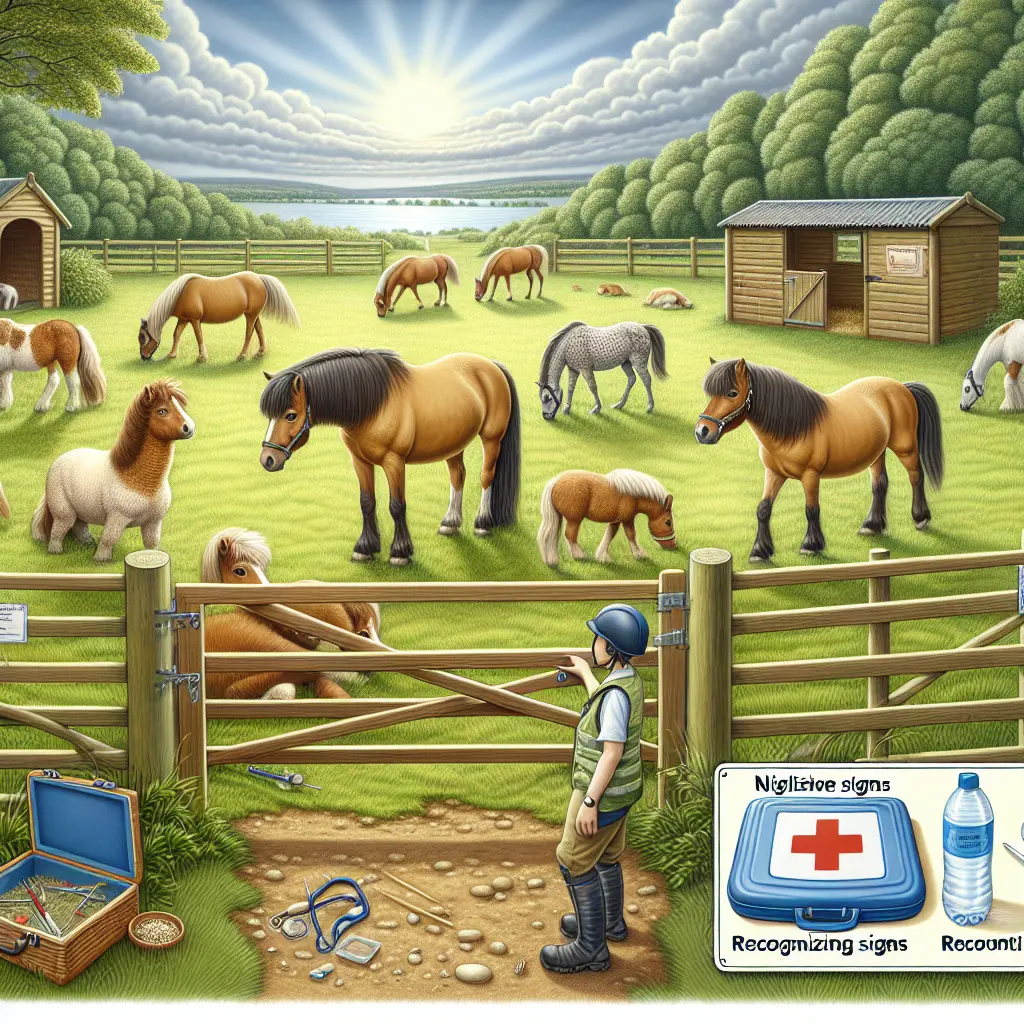
The behavior of ponies in the field is significant because it mirrors their physical and emotional well-being. Bad field manners such as barging, nipping, or refusing to be caught might suggest deeper issues like boredom, lack of training, pain, or social stress. Addressing these concerns early can help avert accidents and lay the groundwork for trust between you and your pony.
Understanding Pony Behavior Basics
Recognizing the nuances of pony behavior can greatly facilitate effective management. Ponies communicate primarily through body language. Ear position, tail movement, and general demeanor are indicators of their mental state.
Social Structure
Ponies are inherently herd animals and establish particular hierarchies. Understanding these dynamics can assist you in managing group turnout and minimizing conflict.
Natural Instincts
Activities like grazing, moving, and socializing are crucial for mental health. Limited turnout or isolation can lead to frustration and undesirable behaviors.
Common Field Behavior Challenges
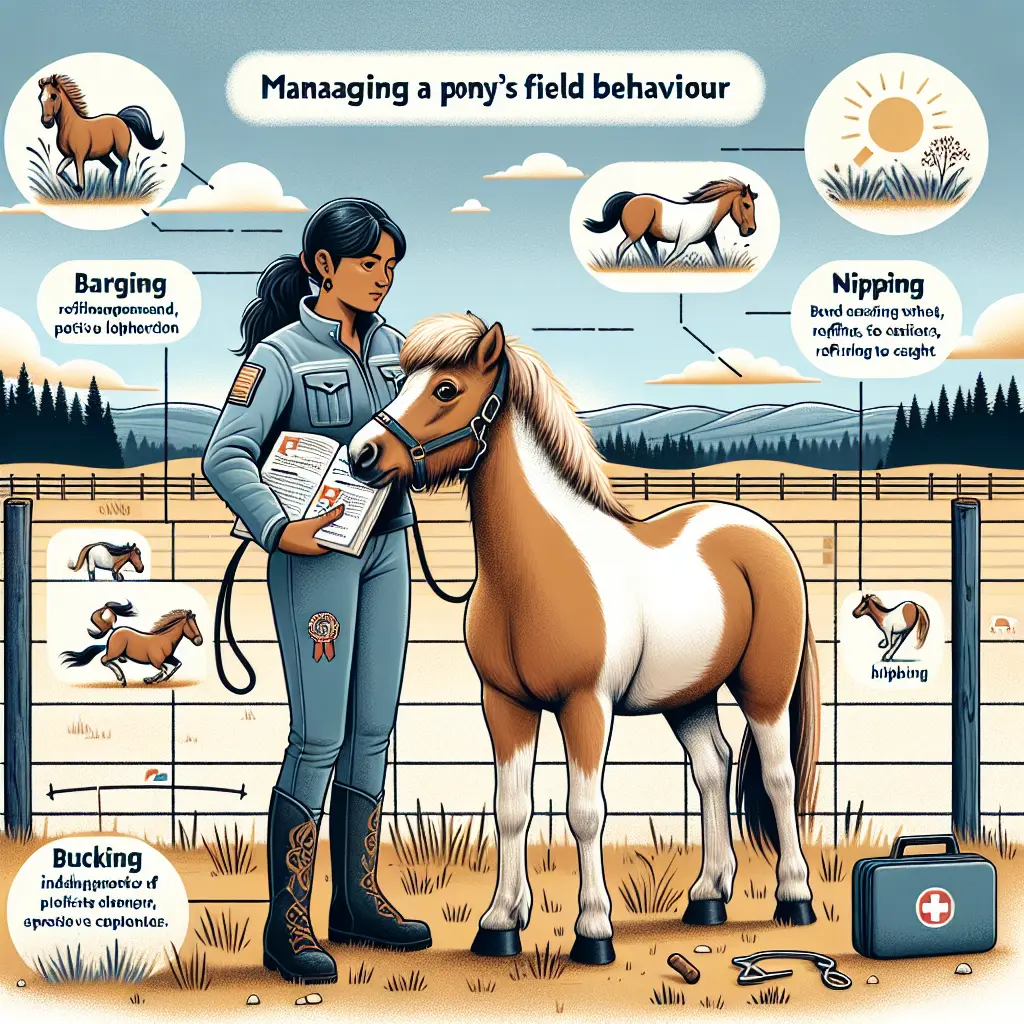
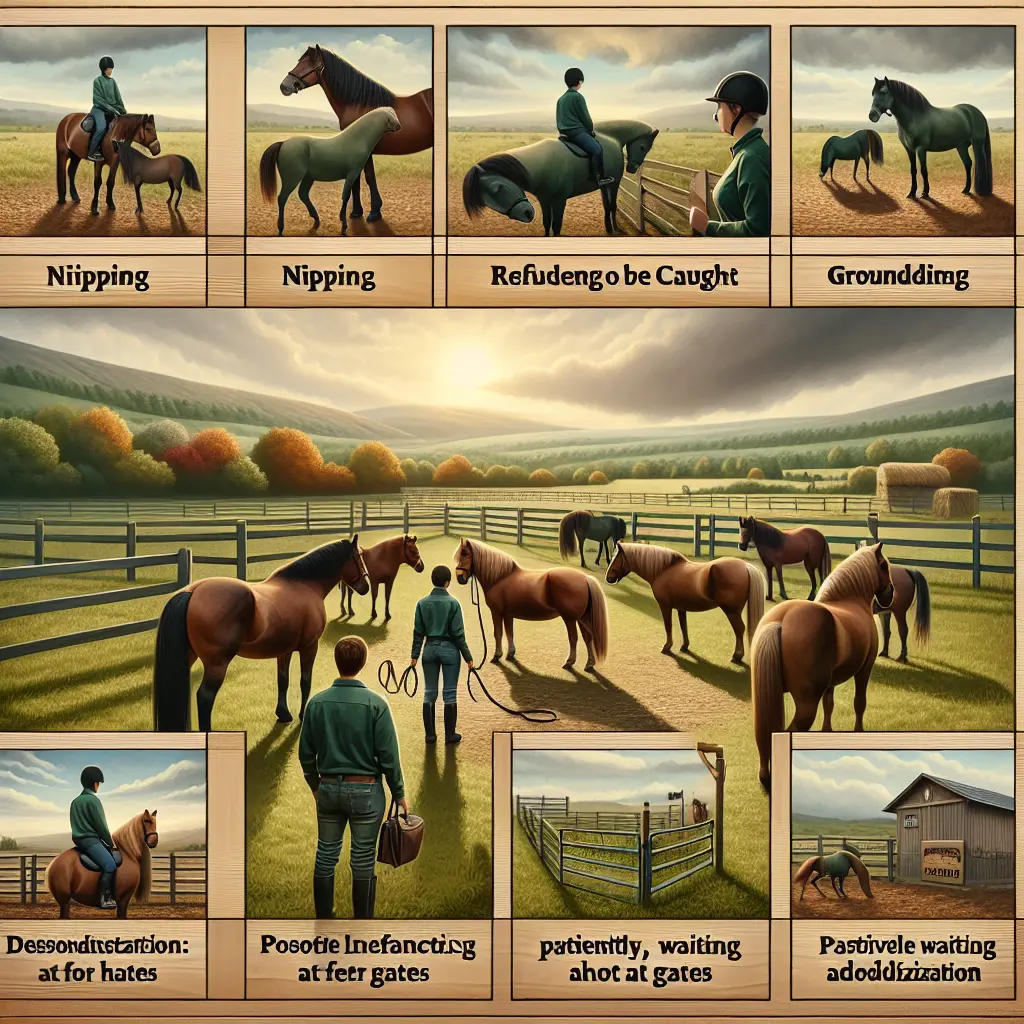
Mishaps in behavior, such as barging or gate issues, often arise from anticipation or lack of boundaries. Teaching your pony patience at the gate, employing consistent cues, and rewarding calm behavior can be effective solutions. Another behavior, nipping or biting, may stem from playfulness, dominance, or pain. Redirecting energy, checking for potential discomfort, and reinforcing gentle interactions are suggested remedies.
Safe Field Management Practices
Secure Fencing and Facilities
Frequently inspect fencing to ensure safety, using durable options like electric tape or post-and-rail. Remove potential hazards such as loose wire, sharp objects, or toxic plants.
Appropriate Group Dynamics
Introduce new ponies gradually and monitor their interactions. Overcrowding can increase aggression and injury risk. Ensure sufficient space for each pony to move independently.
Regular Health Checks
Always address pain or discomfort, which often leads to unwanted behavior. Schedule regular vet and farrier visits to check for issues like lameness, dental problems, or skin conditions.
Training Techniques for Better Field Manners
Groundwork Basics
Groundwork such as leading, halting, and backing up reinforces the role as a calm, consistent leader. This builds respect and eases communication between you and your pony, forming the foundation of effective management.
Positive Reinforcement
Encourage desired behaviors by rewarding them with praise or treats, which promotes repetition of these behaviors and strengthens the bond between you and your pony.
Consistency is Key
Consistency in setting clear rules is essential. Mixed signals can confuse your pony. All handlers should adhere to the same guidelines for effective learning.
Advanced Behavior Modification
Hold and Wait Technique
This method entails applying gentle, consistent pressure until the pony yields, then promptly releasing the pressure as a reward. This fosters responsiveness to subtle cues without defensiveness or pushiness, enhancing field manners.
Desensitization
Gradually familiarize your pony with potential stressors in a controlled environment, like flapping tarps. This reduces their fear-based reactions in real-world settings.
Regular Turnout
Daily turnout is crucial for both physical and mental health. Extended confinement can lead to stereotypic behaviors and increased reactivity.
Seasonal and Environmental Considerations
Winter Care
In winter, provide adequate shelter, fresh water, and use appropriate rugs if necessary. Watch for signs of cold discomfort, like standing huddled or reduced activity.
Summer Care
Ensure availability of shade, abundant water, and fly protection. Be vigilant for signs of heat stress, such as excessive sweating or lethargy.
Fireworks and Loud Noises
Prepare for events such as fireworks by establishing a safe and familiar environment. Consider stable-based turnout if your pony tends to be anxious.
Safety First: Preventing and Handling Emergencies
- First Aid Kit: Maintain a well-stocked equine first aid kit for emergencies.
- Emergency Contacts: Keep your vet’s number handy and have a plan for urgent care scenarios.
- Regular Drills: Practice catching and loading your pony regularly to ensure calm behavior during real emergencies.
Building a Relationship Based on Trust
Your pony’s field behavior is a direct reflection of the relationship you share. Invest time observing, grooming, and simply being present with your pony. A pony who trusts you will remain cooperative and easier to handle in challenging situations.
Key Takeaways
- Observe and understand your pony’s natural behavior and body language.
- Set clear, consistent boundaries and reinforce them with positive training techniques.
- Prioritize safety in terms of fencing, group dynamics, and daily management.
- Address health issues promptly as they often underlie behavioral problems.
- Invest in groundwork and positive reinforcement to build a respectful partnership.
- Adapt care to seasonal needs and environmental stressors.
- Prepare for emergencies with the right tools and a calm approach.
Further Reading and Resources
- Canadian Pony Club Stable Management Handbook: A comprehensive guide to daily care, safety, and stable management best practices.
- Pony Magazine: Offering articles on groundwork, pony care, and seasonal management tips from experienced equestrians.
- Horse Journals: Expert advice on training techniques for improving responsiveness and reducing pushiness.
Conclusion
Improving your pony’s field behavior is a worthwhile journey requiring patience, consistency, and a dedication to learning. By implementing effective management practices and embracing positive, reward-based training, you can look forward to a more enjoyable partnership with your pony. Remember, small consistent efforts foster lasting change, leading to a pony who is a pleasure in any situation.
For a wide range of Jodhpur Collections, explore the latest and most functional designs at Just Horse Riders.
Check out our Horse Riding Boot Collection for the perfect fit and comfort.
Ensure a firm grip and warmth with our top-notch Horse Riding Gloves.
Explore our Horse Riding Socks Collection for a variety of styles.
Discover delightful surprises in our Horse Treats and Gifts section.
Stay ahead with Everyday Horse Vitamins & Supplements to maintain peak health.
Check our Stable Rugs to keep your pony cozy during chilling months.
For weather resilience, explore our Turnout Rugs.
Guard against pesky flies with our Horse Fly Protection collection.