

Understanding Equine Lethargy During Coat Changes: As seasons shift, horses experience energetic demands associated with coat changes. This article delves into the causes of lethargy during this period and offers practical solutions to support your horse's wellness.
Causes of Lethargy During Coat Changes
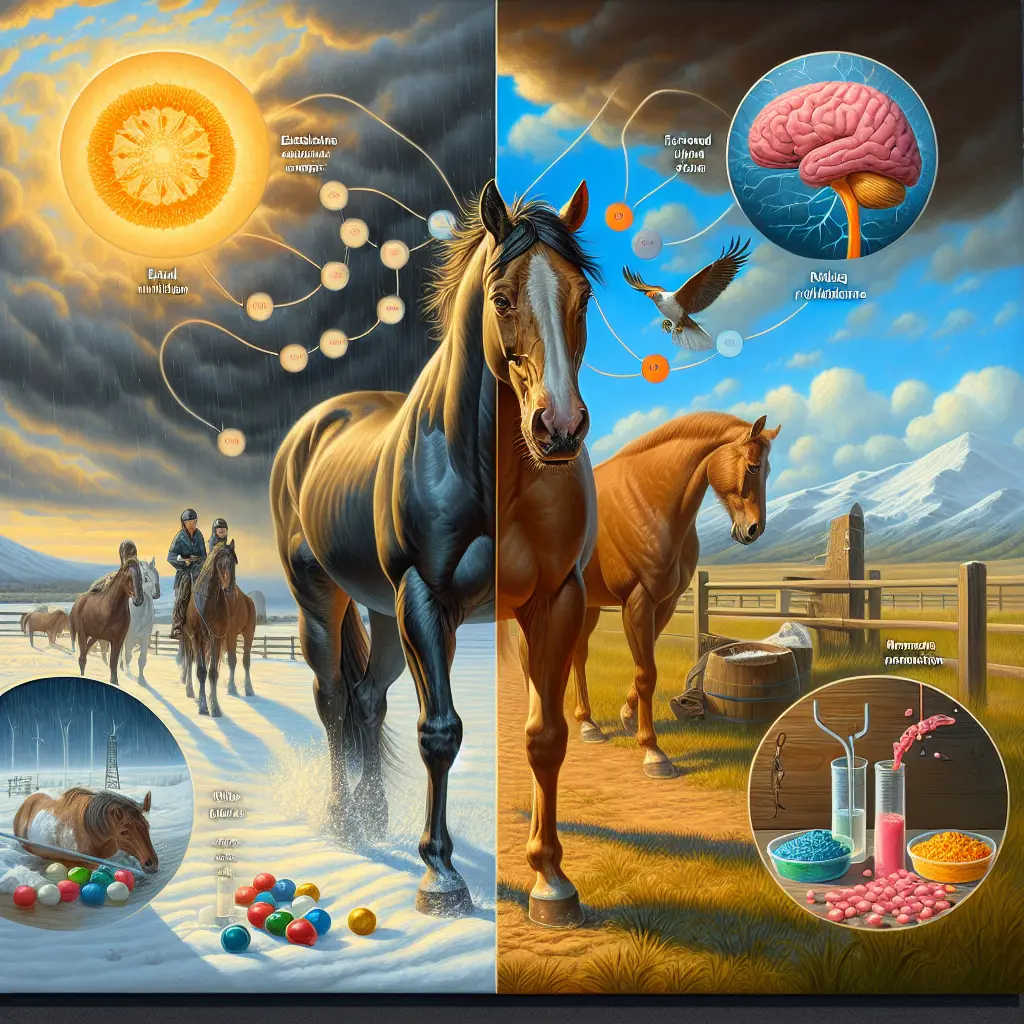
Energy Expenditure
Coat growth is a metabolic process requiring substantial energy, often leading to lethargy as resources are diverted from physical activity (source: Mad Barn).
Nutritional Demands
The development of a new coat relies on nutrients, especially B vitamins, crucial for energy metabolism. Deficiency in these nutrients can result in reduced vitality (source).
Hormonal Changes
The pineal gland regulates melatonin production with daylight changes, influencing energy levels and metabolism (source: Equistro).

Environmental Factors
Extreme temperatures and daylight changes create metabolic stress on horses, complicating the coat change process.
Underlying Health Issues
Lethargy may indicate health problems like Equine Cushing's disease, a condition affecting hair growth and shedding (source).
Recognizing Signs of Lethargy
- Reduced Activity Levels
- Decreased Appetite
- General Dull Appearance
- Prolonged Shedding or Hair Loss
Solutions and Support
Nutritional Support
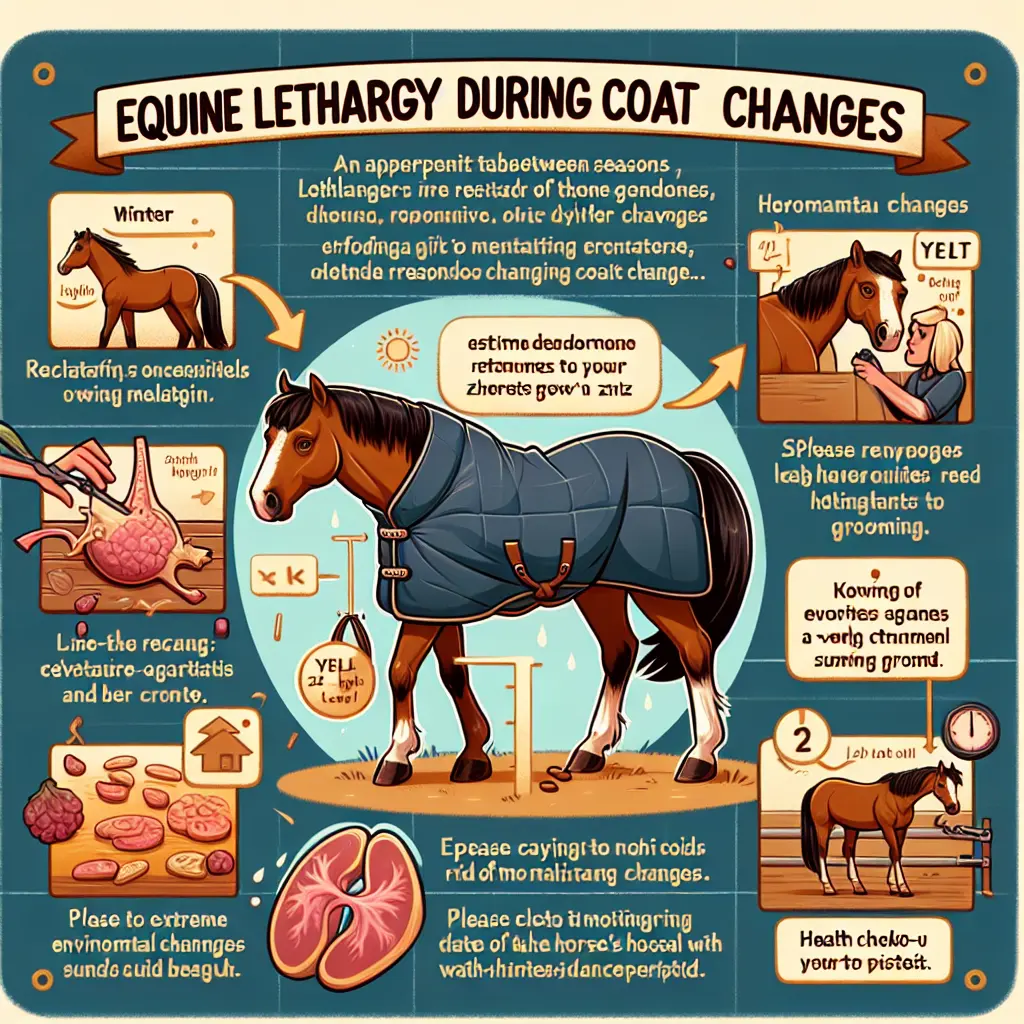
Ensure your horse's diet includes essential nutrients like B vitamins and zinc for health and energy. Consider exploring our Everyday Horse Vitamins & Supplements to meet dietary needs.
Reduce Stress and Workload
During coat changes, lower stress by reducing strenuous activities and rescheduling non-essential routines (Equistro).

Regular Grooming
Consistent grooming enhances skin health and mitigates shedding discomfort. Check out our Stable Rugs collection for additional comfort.
Monitor Health
Observe for persistent lethargy, keeping watch for conditions requiring veterinary attention (source).
Consult a Veterinarian
If lethargy continues, it's crucial to consult a veterinarian to exclude or treat serious health concerns.
Conclusion
Tackling equine lethargy during coat changes involves understanding the underlying causes and providing appropriate care. By addressing these aspects, you can help your horse journey through this transitional phase with ease. Explore our collections for essential items, including our Jodhpur Collection, Boots, and more to enhance your equestrian pursuits.