

Exploring the Myths and Realities of Hock Splints in Horses: What You Need to Know
Hock splints stand as a perplexing concern for many horse owners, cascading a plethora of misconceptions and misunderstandings. In this comprehensive guide, we'll delve into what hock splints truly are, debunk some common myths, and explore various treatment and prevention strategies to help maintain your horse's health and performance.
What Are Hock Splints?
The term hock splints refers to a condition characterized by the inflammation and bony growth on the splint bones, located near the hock joint of a horse's hind leg. These splint bones are located alongside the larger cannon bone and can become irritated due to several factors.
Common Myths About Hock Splints
- Myth 1: Splints Are Always Caused by Trauma. Reality: While trauma can be a cause, repeated concussion, poor conformation, imbalanced hooves, or excessive workloads during early training can also contribute to splints [1][4].
- Myth 2: Splints Always Cause Lameness. Reality: Not all splints lead to lameness. Some horses might experience swelling and heat without exhibiting lameness, while acute cases could lead to pain and lameness [3][5].
- Myth 3: Surgery Is Always Needed. Reality: Many splints can be managed conservatively, but surgery is reserved for severe or chronic cases [1][5].
Causes and Risk Factors
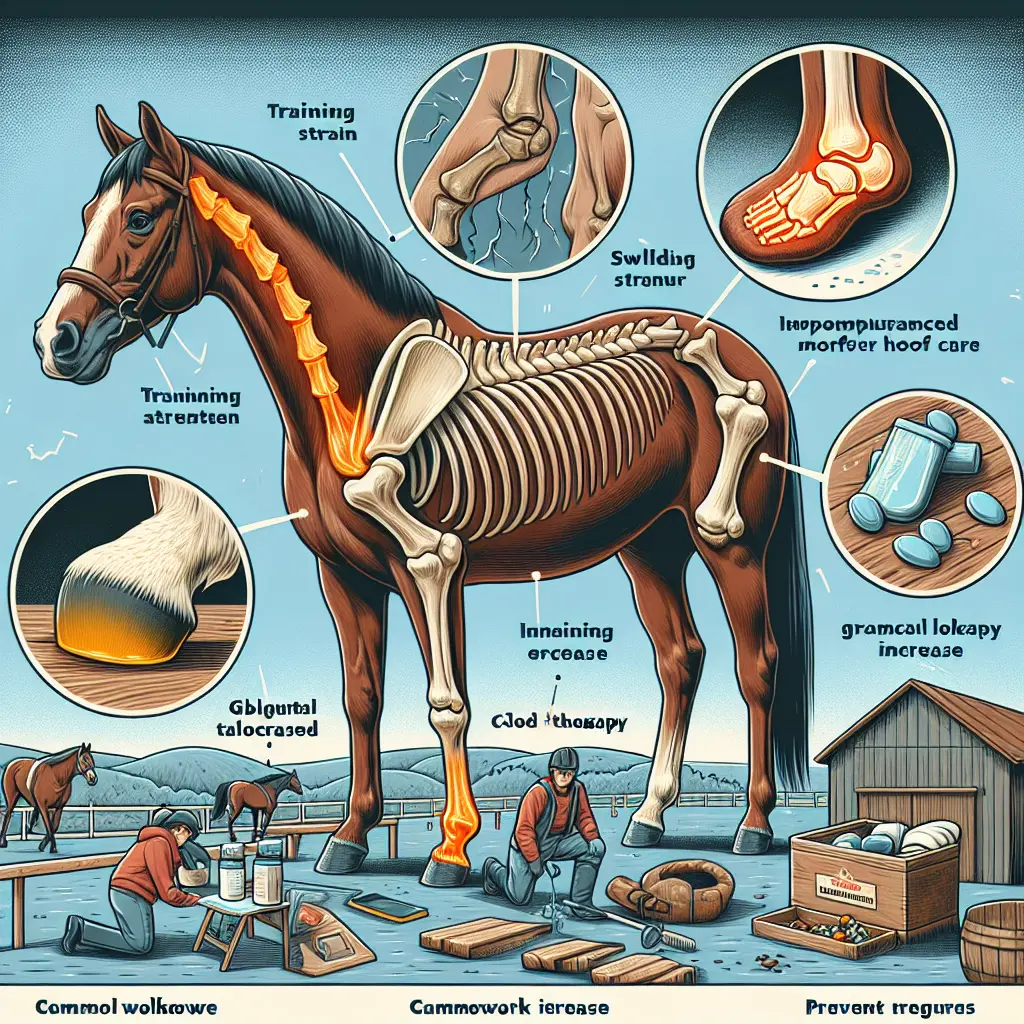
Hock splints can result from several factors, including:
- Excessive or repetitive strain during intense training or lack of conditioning.
- Direct trauma, such as kicks or brushing limbs.
- Poor conformation and hoof balance.
- Inflammatory responses contributing to new bone growth [1][2][4].
Signs and Diagnosis
Key signs of hock splints include:
- Pain and heat localized around the hock splint bone.
- Swelling either visible or palpable on the inner or outer sides of the hock.
- Potential lameness or uneven gait [3][4].
Veterinarians confirm the diagnosis through palpation and radiographs (X-rays) to differentiate between types and assess severity [4].
Treatment Options
The main objective of treatment for hock splints involves reducing inflammation, allowing healing, and minimizing pain:
- Rest: Stall rest is typically recommended for 30 to 45 days, followed by controlled hand-walking [1][2].
- Anti-inflammatory medications: NSAIDs such as phenylbutazone are commonly prescribed [2][3].
- Cold therapy: Icing or cold hosing can be useful in managing fresh splints [1][3].
- Supportive care: Incorporating techniques like pressure wraps and therapeutic modalities can expedite healing [1][2].
- Surgery: Reserved for severe cases that disrupt joint movement [1][5].
Prognosis & Recovery
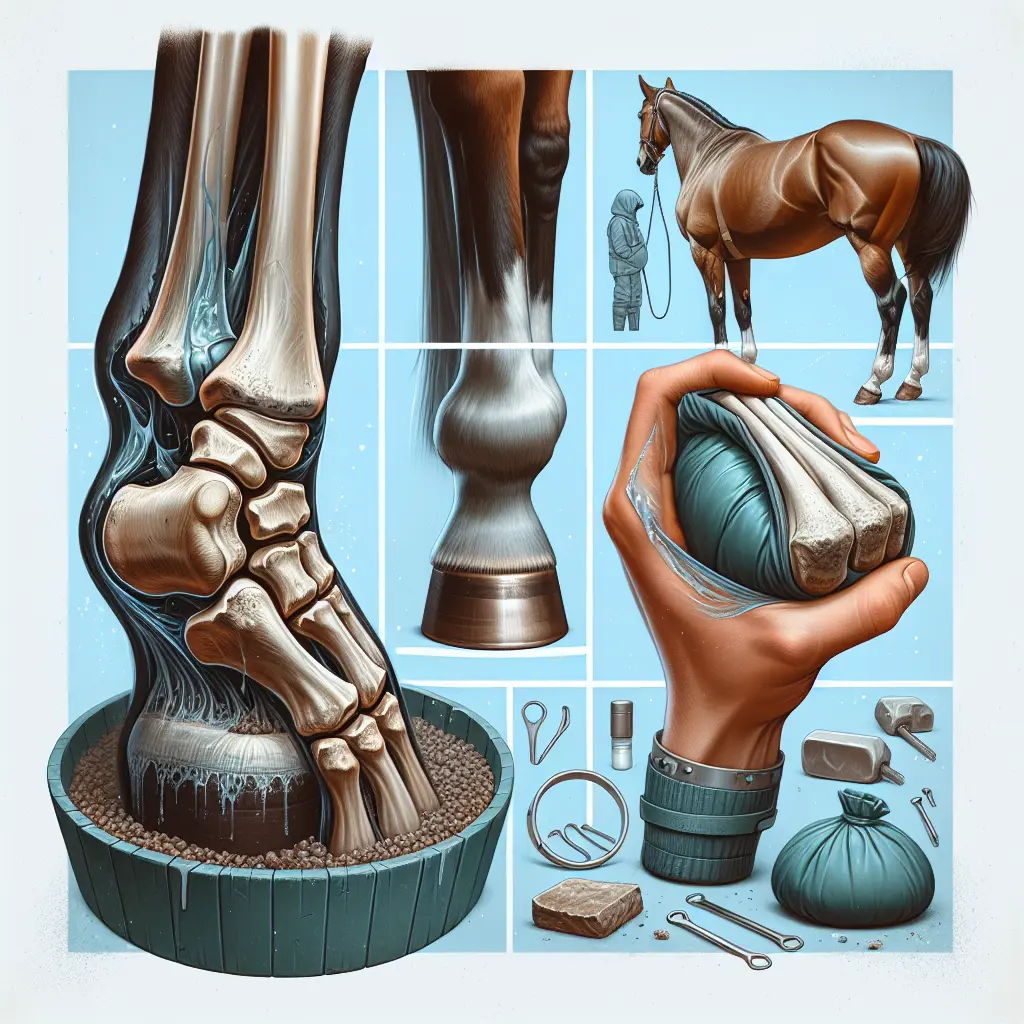
- Most horses show excellent recovery with proper rest and treatment.
- The prognosis may be less favorable if the splint involves the joint.
- Prevention of re-injury involves addressing conformation issues and improving hoof balance.
Prevention Tips
- Gradually increase the workload to avoid excessive strain.
- Maintain proper hoof trimming and shoeing.
- Use protective boots for horses prone to interference injuries.
- Ensure a proper diet to support bone health and repair.
Conclusion
By dispelling myths and embracing facts, horse owners can more effectively manage hock splints, ensuring their horses return to sound performance. For an assortment of Everyday Horse Vitamins & Supplements, visit Just Horse Riders for more information and resources to keep your equine companion in peak condition.