

The Mystery of Unbranded Turnout Rugs: Identifying Quality and Origin
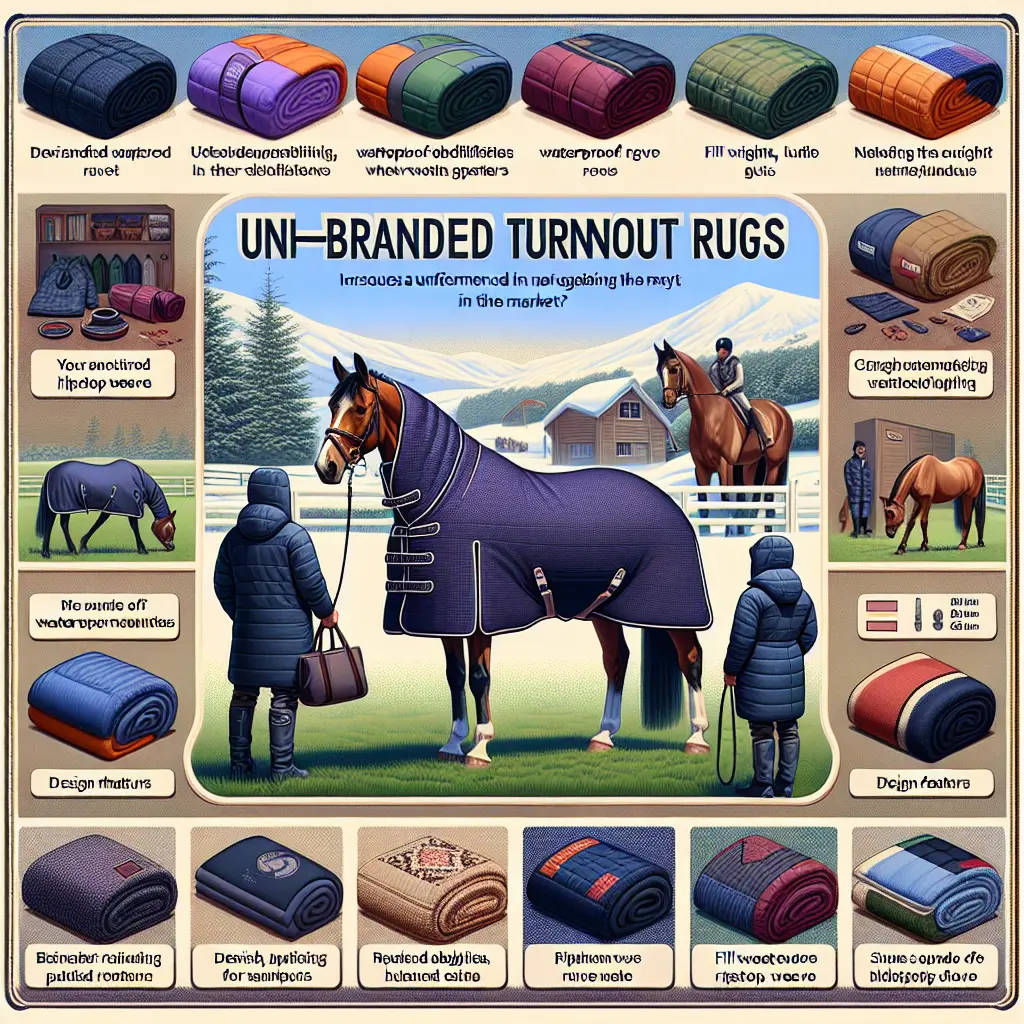 Horse turnout rugs are an essential investment for every horse owner, designed to shield your equine friends from the weather while ensuring their contentment and safety. Yet, the diverse market—driven by both branded and unbranded options—often leads buyers into a bewildering array of choices. With unbranded turnout rugs, the mystery deepens: how do you really judge their quality and ascertain their place of origin? This comprehensive guide will empower you to make informed decisions, placing your horse’s well-being at the forefront.
Why Do Unbranded Turnout Rugs Exist?
Unbranded turnout rugs are prevalent, thanks to a variety of reasons:
- Cost-efficiency: Priced attractively for owners on a budget.
- Mass production: Produced in bulk and distributed without distinct branding.
- OEM manufacturing: Made by companies that supply many brands or sellers without marking their own label.
Key Factors to Evaluate Turnout Rug Quality
1. Fabric and Denier (Durability)
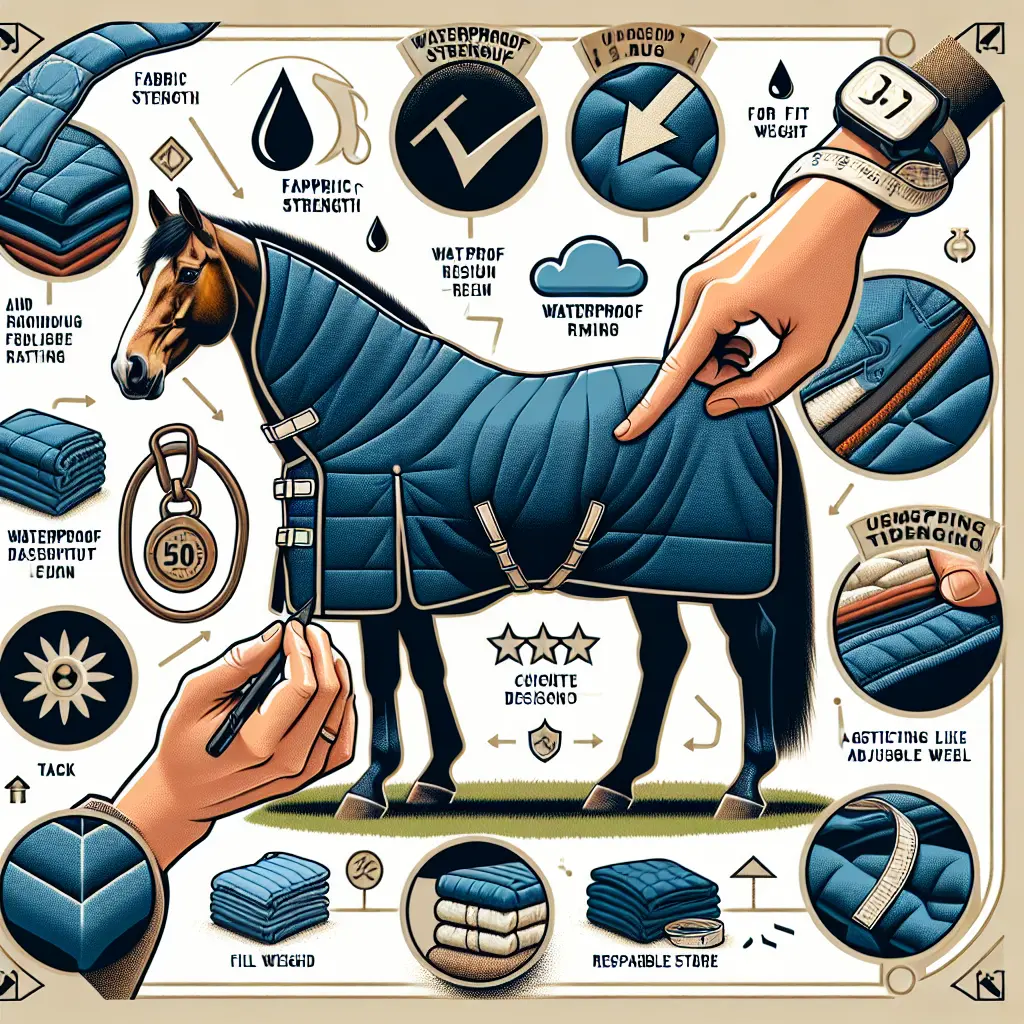 Assessing fabric *denier* is crucial as it translates to the rug’s strength and longevity. This value indicates fiber thickness, with a higher denier promising better endurance:
- 600 denier: Best for leisurely horses.
- 1200 denier and above: Optimal for vigorous activity and demanding environments, often used for sturdier breeds and continual outdoor exposure.
2. Waterproof Rating
A waterproof rating, usually expressed in millimeters of hydrostatic head, reveals the material’s ability to repel water. A range between 3000-5000 mm WP is typically sufficient for keeping horses dry during downpours. Unbranded rugs occasionally assert waterproofing without backing these claims with precise standards, so personally testing or examining the waterproofing technology is advisable. Established brands often leverage hydrophilic coatings for moisture wicking, a rarity in budget options.
3. Fill Weight and Insulation
Insulation effectiveness in rugs is indicated by fill weight, graded in grams. Lightweight rugs with approximately 100 grams are suited for layering or mild climates, whereas heavyweight rugs—the 300 grams club and beyond—offer the ideal buffer for severe winters. If unbranded options skip listing fill weights, scrutinize the loft and craftsmanship for insulation clues, ensuring the fill maintains its distribution and does not shift post-washing.
4. Fit and Design Features
 The right rug fit curtails friction and discomfort. Prioritize models with adjustable straps, belly guards, and contoured neck fittings. Especially broad-bodied breeds might require bespoke suits overlooked by generic unbranded designs. Look for features like neck covers or antibacterial linings to cater to horses with sensitivities.
5. Breathability
Breathability is vital to avert sweat accumulation, which could potentially expose your horse to cold or skin issues. High-end fabrics incorporate breathable membranes or coatings, whereas unbranded options may contribute to heat entrapment, fostering discomfort.
How to Trace the Origin of an Unbranded Rug
If branding is absent, uncovering the rug’s homeland involves some detective work:
- Material Clues: Fabrics like canvas with waterproofing often indicate New Zealand origins, recognized for rugged design.
- Labels: Occasional internal labels might disclose manufacturer specifics.
- Details: Quality stitching and hardware may indicate regional crafting styles (e.g., Europe vs. Asia).
- Seller Insight: While buying from credible suppliers, inquire about product provenance.
Why EEAT Matters in Horse Rug Information
The principles of Expertise, Experience, Authority, and Trustworthiness (EEAT) serve as a guidepost for reliable product advice:
- Provides accurate and updated insights about materials and tech.
- Offers trusted counsel from seasoned equestrians and creators.
- Promotes transparency regarding product standards.
- Emphasizes science-backed practices for equine care.
Final Tips for Choosing an Unbranded Turnout Rug
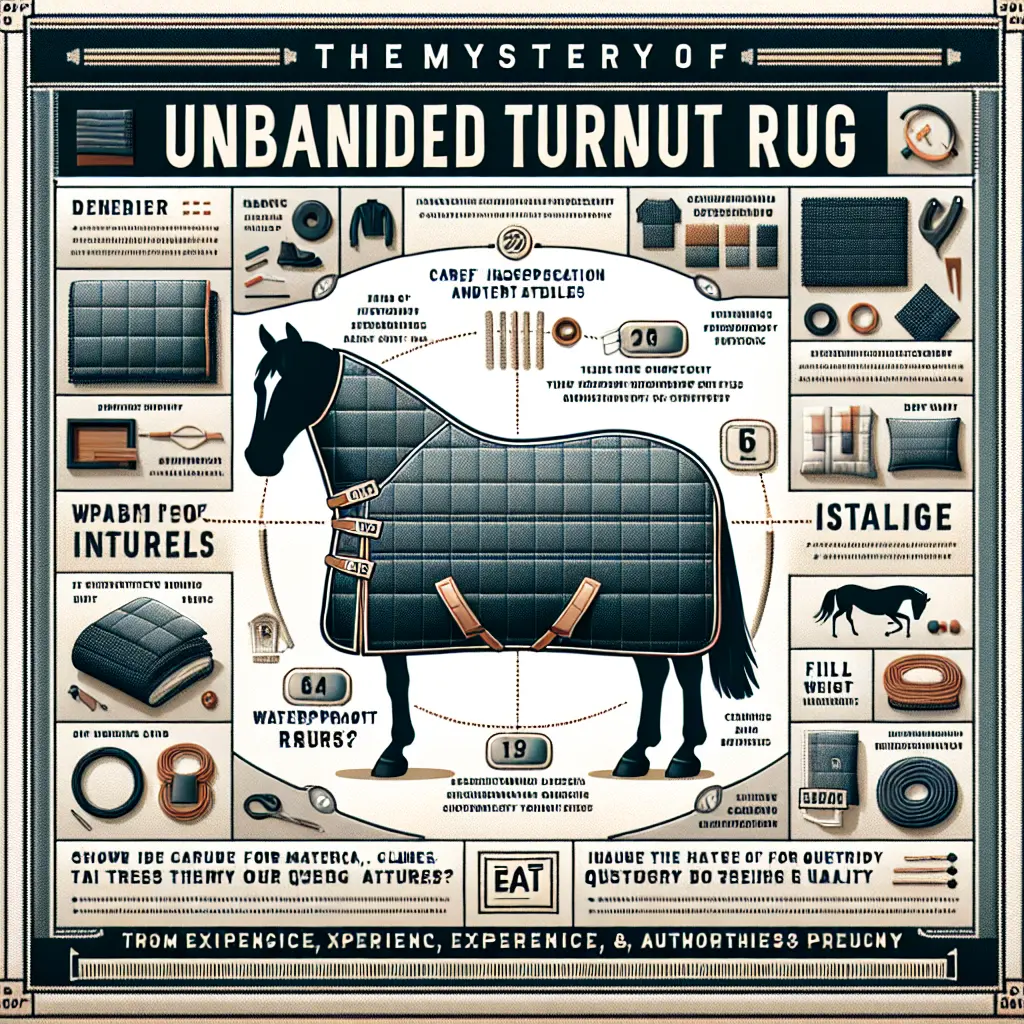 When selecting an unbranded turnout rug, bear these pointers in mind:
- Thoroughly check the fabric for ripstop weave and denier data.
- Validate waterproof ratings by testing repellency.
- Consider fill weight and ensure the rug contours your horse’s figure.
- Seek quality with durable hardware and modifiable enhancements.
- Match the rug weight to climate conditions and equine activity levels.
- Purchase from trusted outlets providing rich product details, such as the options available from Just Horse Riders Turnout Rugs.
Conclusion
Understanding the enigma of unbranded turnout rugs empowers you to make confident selections for optimal warmth, dryness, and happiness all year long. By focusing on fabric integrity, water repellency, insulation, fit, and tracking provenance when possible, you're ensuring your horse is not only cared for but also prepared to withstand the unpredictability of the seasons.
For more insights into rug technologies and care, refer back to trustworthy equine standards and expertise offered.