

A Breath of Fresh Air: Understanding Horse Breathing Post-Exercise
Horses are majestic creatures, revered as symbols of power and grace. At Just Horse Riders, understanding how a horse recovers its breath after exercise is crucial for anyone devoted to equestrian sports or interested in enhancing their horse's performance and health.

Why Breathing Matters
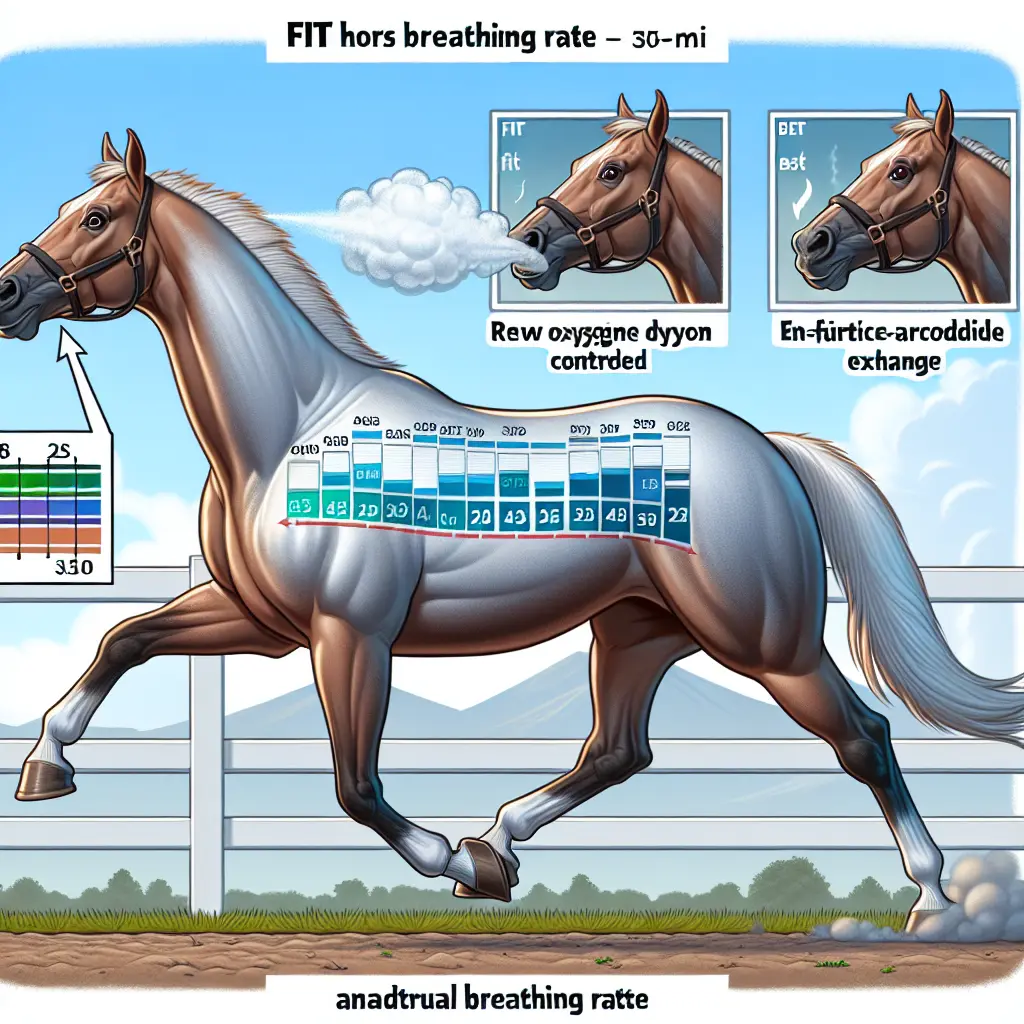
A horse's respiratory efficiency is integral to its performance. After a 350m canter, ideally, a fit horse's breathing rate will decrease steadily, falling below 60–80 breaths per minute within minutes. This steady recovery indicates effective oxygen delivery and carbon dioxide removal from the body, showing the horse's cardiovascular health and aerobic fitness level.
The Science of Horse Breathing
Resting and Exercising: A World Apart
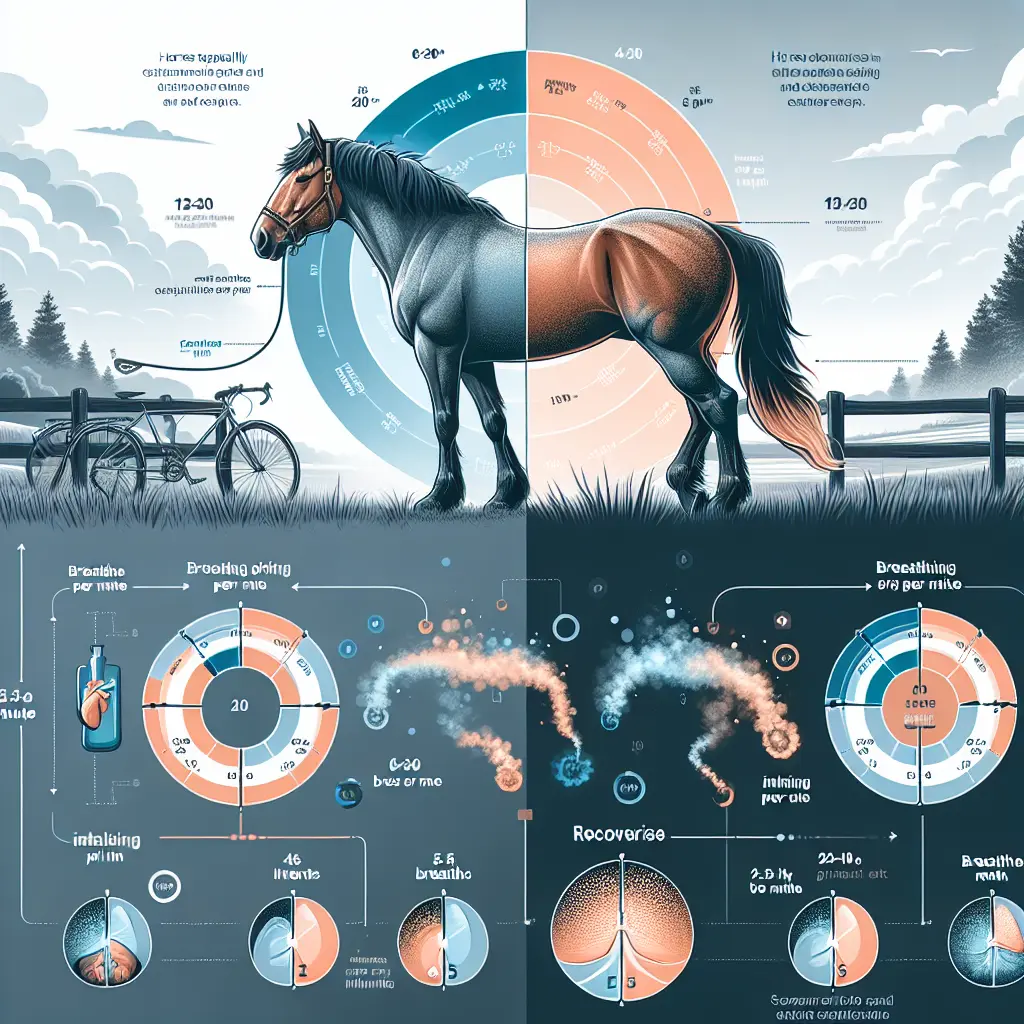
At rest, a horse's breathing rate is typically around 12–20 breaths per minute, inhaling approximately 5 liters of air with each breath. During physical exertions like a canter, the rate and depth of breathing increase dramatically. A horse can inhale 12–15 liters with each breath, with a rapid increase in breath per minute up to around 150 during intense galloping [Hodgson DR, 2022].
Automatic Adjustments: Chemoreceptors at Work
Horses possess a carefully tuned respiratory control system. Chemoreceptors within their bodies gauge blood changes, monitoring oxygen, carbon dioxide, and pH levels to adjust breathing accordingly. During exercise, increased carbon dioxide and acidity levels trigger deeper, expedited breaths to restore balance [Baudinette RV, 2017].
The Role of Fitness in Recovery
The Science of Recovery
A well-conditioned equine athlete will recuperate from a 350m canter with respiratory rates returning to resting levels swiftly. Typically, initial rapid breathing begins to slow down significantly within the first 1-2 minutes and stabilizes further by the 5-10 minute mark, allowing the horse to repay its oxygen debt effectively.
Signs of Stress: When Recovery Falters
Prolonged elevated breathing rates or shallow panting beyond 10 minutes may indicate stress or respiratory complications, signaling a need for informed assessment and possible veterinary intervention [Whitfield H, 2000].
Factors Influencing Recovery
Individual Variations
Several factors impact breathing recovery. Exercise intensity, ambient temperature, fitness levels, and overall health all play roles in determining how quickly a horse regains a normal breathing pattern. Astray from fit horses, unfit or roadless-health-horses might endure longer abnormal breathing rates [Haygain].
The Power of Conditioning
Training consistently improves cardiovascular-respiratory fitness, equipping horses to bounce back faster. Much like human athletes, horses develop endurance, fostering relaxed, controlled breathing patterns post-exercise.

Enhancing Your Horse's Recovery
Your Role as an Equestrian
As horse enthusiasts, there's much we can do to aid recovery. Incorporating the right Supplements and ensuring a balanced diet will help maintain optimal health. Moreover, choosing the right gear from our Jodhpur Collection ensures maximum comfort during rides, crucial for efficient post-exercise recovery.
Practical Advice for Post-Exercise Care
Attend to your horse immediately post-exercise. Give them plenty of time to relax with Stable Rugs to keep cool, and assess their breathing pattern. Offering Horse Treats and Gifts with nutritious value can also support overall health and energy management.
Conclusion
Monitoring your horse's respiratory function post-exercise is vital. Observing and understanding these patterns can ward off potential health issues and elevate performance levels. At Just Horse Riders, we provide the resources and knowledge to support every equestrian in ensuring their horse is breathing easy and thriving.
Check out our website for more detailed advice on horse care and our extensive collection of high-quality equestrian products designed to enhance the well-being and comfort of riders and horses alike.