

What to Do When Your Typically Calm Horse Starts Acting Out: Understanding Behavioural Changes in Horses
Introduction
If your normally gentle horse has suddenly become aggressive, withdrawn, or difficult to handle, you're not alone. Behavioral changes in horses can be alarming and frustrating, but they're rarely random. A calm horse that starts acting out is almost always trying to communicate something—whether it's physical pain, environmental stress, or a health issue that needs attention.
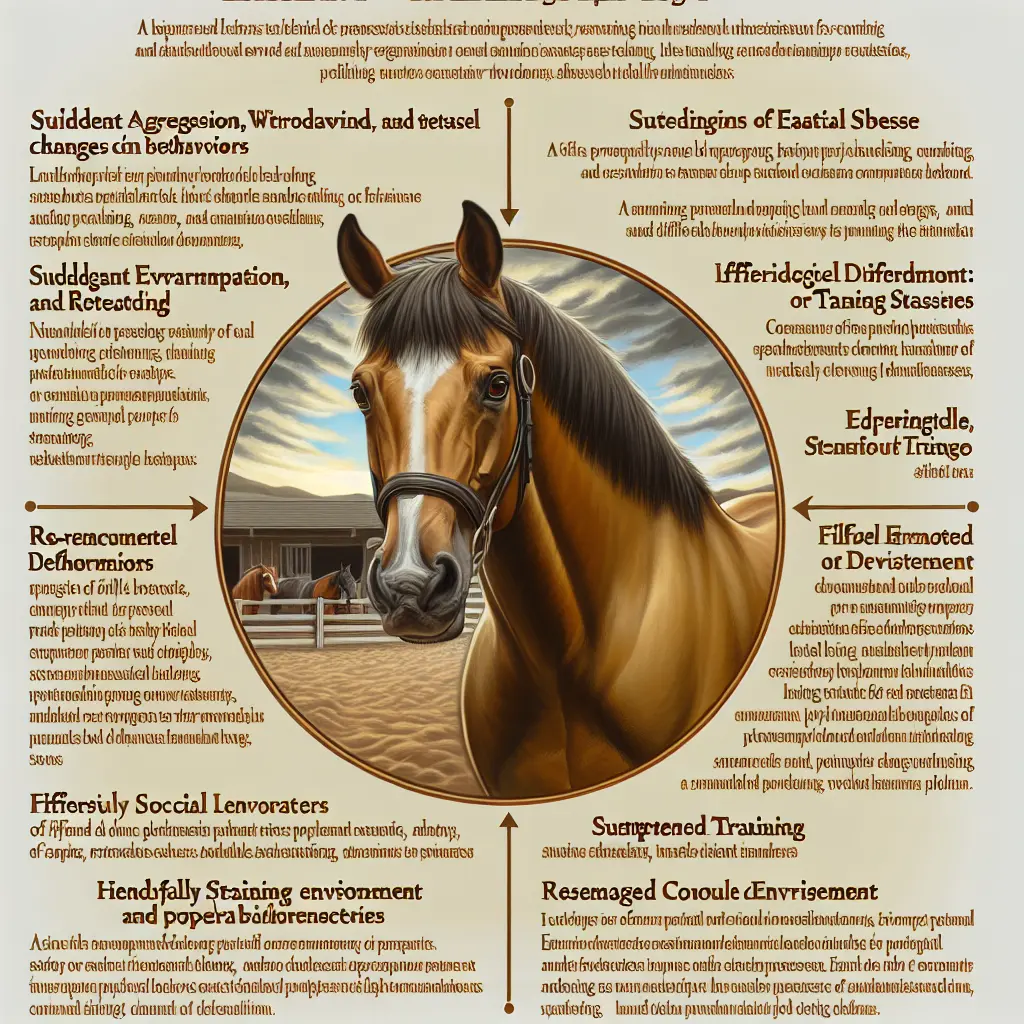
The key to addressing these changes is understanding that behavior problems are symptoms, not character flaws. Your horse isn't being deliberately difficult; instead, their altered behavior is typically a red flag signaling an underlying problem that requires investigation. This guide explores the most common causes of behavioral changes in horses, how to recognize them, and what steps you can take to restore your horse's peace and well-being.
The Most Common Causes of Behavioral Changes in Horses
1. Physical Discomfort and Pain
Physical discomfort is one of the most common causes of behavioral changes in horses. When horses experience pain, they cannot tell us verbally, so they communicate through behavior. Understanding the specific sources of pain can help you pinpoint the problem.
Dental Problems
Dental issues are a frequently overlooked cause of personality changes. Horses require regular dental check-ups because problems with their teeth can cause considerable discomfort and lead to aggression or withdrawal. A horse with dental pain may refuse to eat grain while accepting hay, drop food from their mouth, or become increasingly aggressive when bridled or handled around the head.
Back Pain and Ill-Fitting Tack
Poorly fitted saddles or incorrect riding techniques often lead to back pain, making horses reluctant to participate in activities they generally enjoy. This reluctance can be misinterpreted as stubbornness or disobedience, when in reality your horse is experiencing genuine discomfort. Signs of back pain include refusing to move forward, bucking, or sensitivity when touched along the spine.
Lameness and Hoof Issues
Lameness—often associated with hoof issues or injuries—can evoke irritability. A horse with a painful hoof might shift their weight unpredictably, become reactive to touch, or display sudden aggression as a defensive response to pain.
Gastric Ulcers
Gastric ulcers represent a significant but treatable cause of behavioral problems. Over 60% of performance horses have gastric ulcers, and this painful condition can have an adverse effect on your horse's performance, attitude, body condition, and overall well-being. Horses with gastric ulcers may show difficulty when ridden, reluctance to move forward, or changes in eating behavior.
2. Metabolic and Hormonal Disorders
Metabolic Disorders such as Cushing's syndrome or equine metabolic syndrome (EMS) can lead to behavioral changes. Symptoms such as unexplained aggression or lethargy can be signs of a metabolic disorder. These conditions affect your horse's hormone levels and energy production, which directly influences mood and behavior.
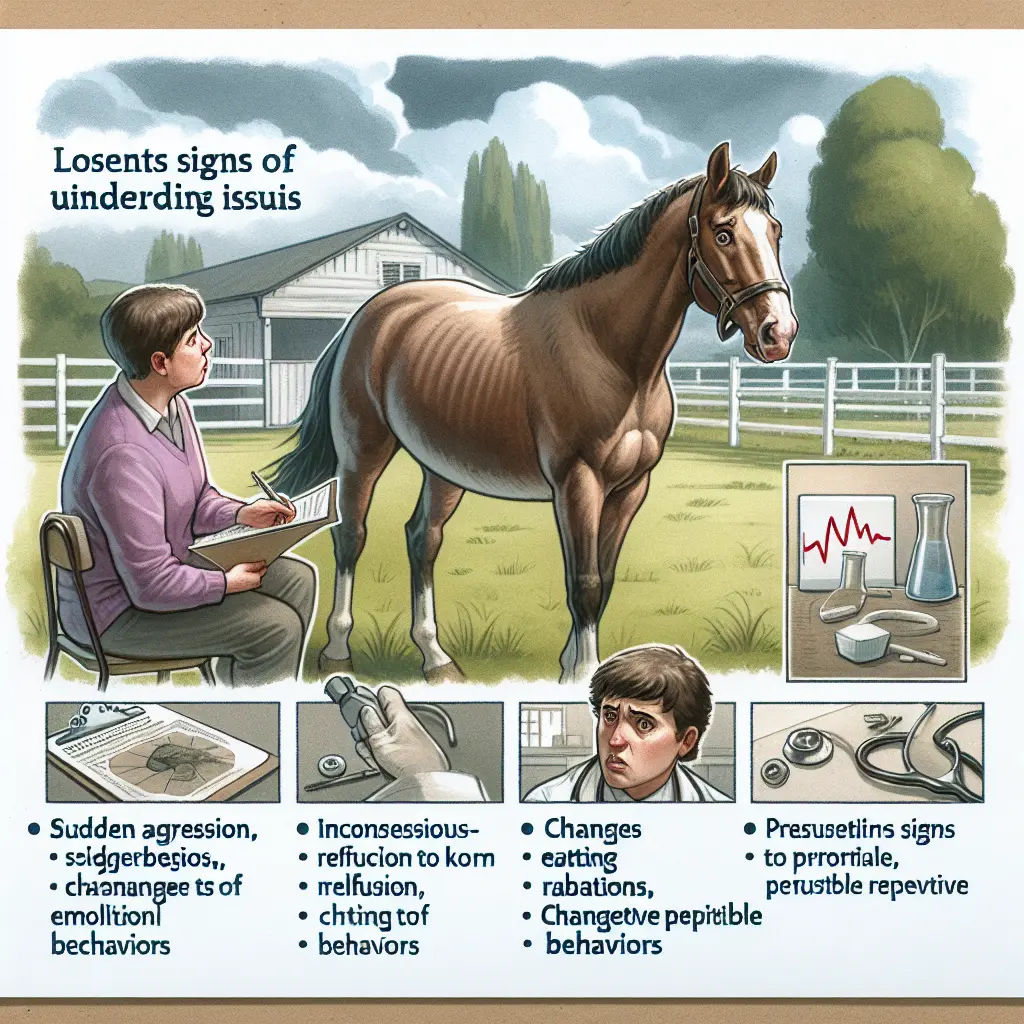
Hormonal Changes can also affect behavior, especially in mares. Hormonal imbalances can manifest in geldings and stallions as sudden nervousness or aggression. Mares in estrus may exhibit excessive estrous behavior, including squatting, frequent urination, and receptivity changes. Some granulosa cell tumors produce testosterone, leading to stallion-like behavior such as aggression, mounting, and urine marking.
3. Illness and Chronic Conditions
Health issues such as stomach ulcers, colic, and systemic inflammation can contribute to stress and behavioral changes. Chronic pain often leads to personality changes, making it important to monitor horses for signs of discomfort.
4. Tendon and Muscle Problems
Acute tendon injuries or muscle tension can lead to discomfort and altered movement behavior. These injuries may not always cause visible lameness but can result in your horse being irritable, reluctant to perform, or displaying sensitivity when groomed or handled.
5. Training and Management Issues
Incorrect training methods or environmental stressors can also trigger behavioral changes. Horses under too much pressure or trained incorrectly may react with behavioral changes. Punishment is not the solution to behavior problems—in fact, punitive training methods often worsen behavioral issues by increasing fear and anxiety.
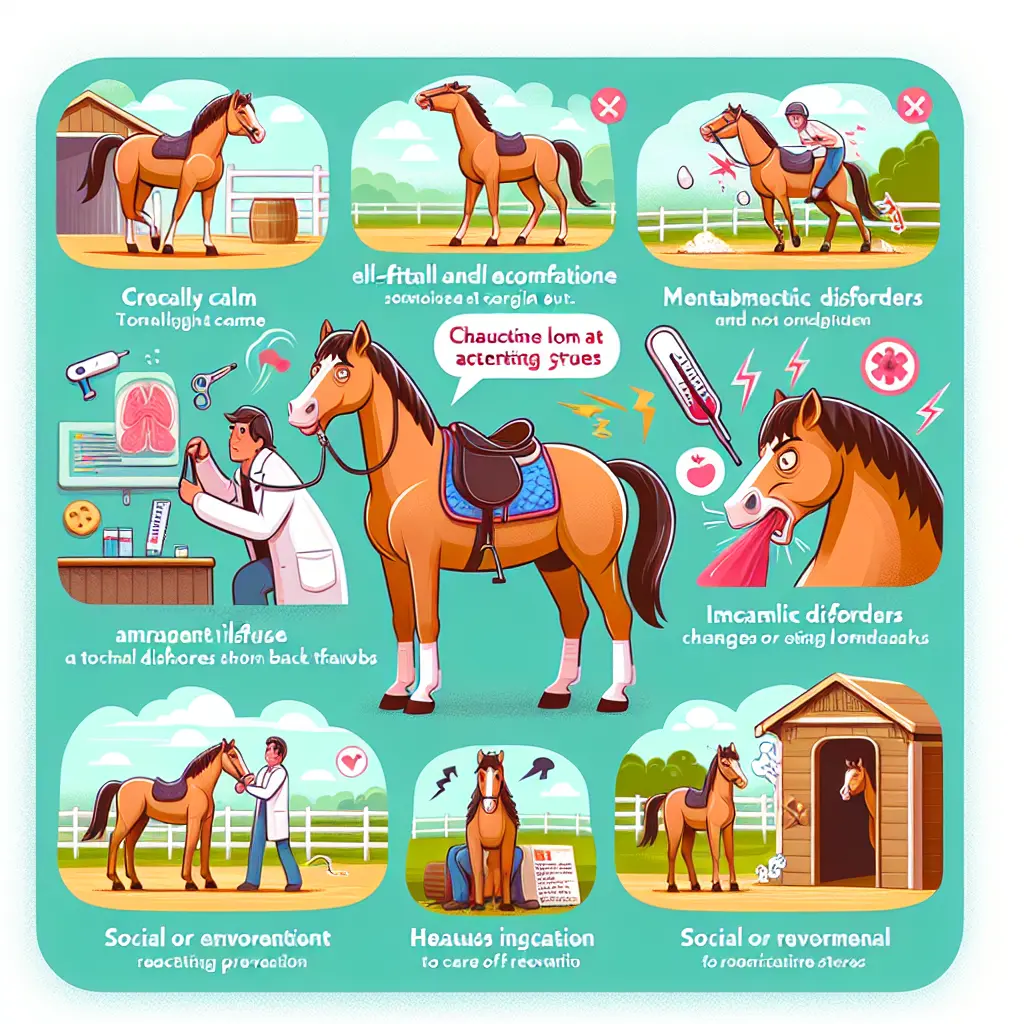
Environmental Stressors
Environmental changes can have a significant impact on a horse's behavior. Poor stable conditions with lack of cleanliness, inadequate space, or poor ventilation can generate significant stress. Lack of social interaction and inadequate exercise contribute to misbehavior.
6. Social Problems and Herd Dynamics
Changes in herd dynamics, such as the introduction of new horses or the loss of a herd member, can significantly impact behavior. An isolated horse can become restless or depressed, showing anxiety when separated from companions.
Recognizing the Signs: How Behavioral Changes Manifest
Understanding how your horse expresses distress is crucial for early intervention. Signs of aggression, such as backward-flattened ears, retracted lips, and rapid tail lashing, can indicate pain or frustration. On the other hand, apathy and withdrawal suggest distress, manifested through lack of appetite or lethargy.
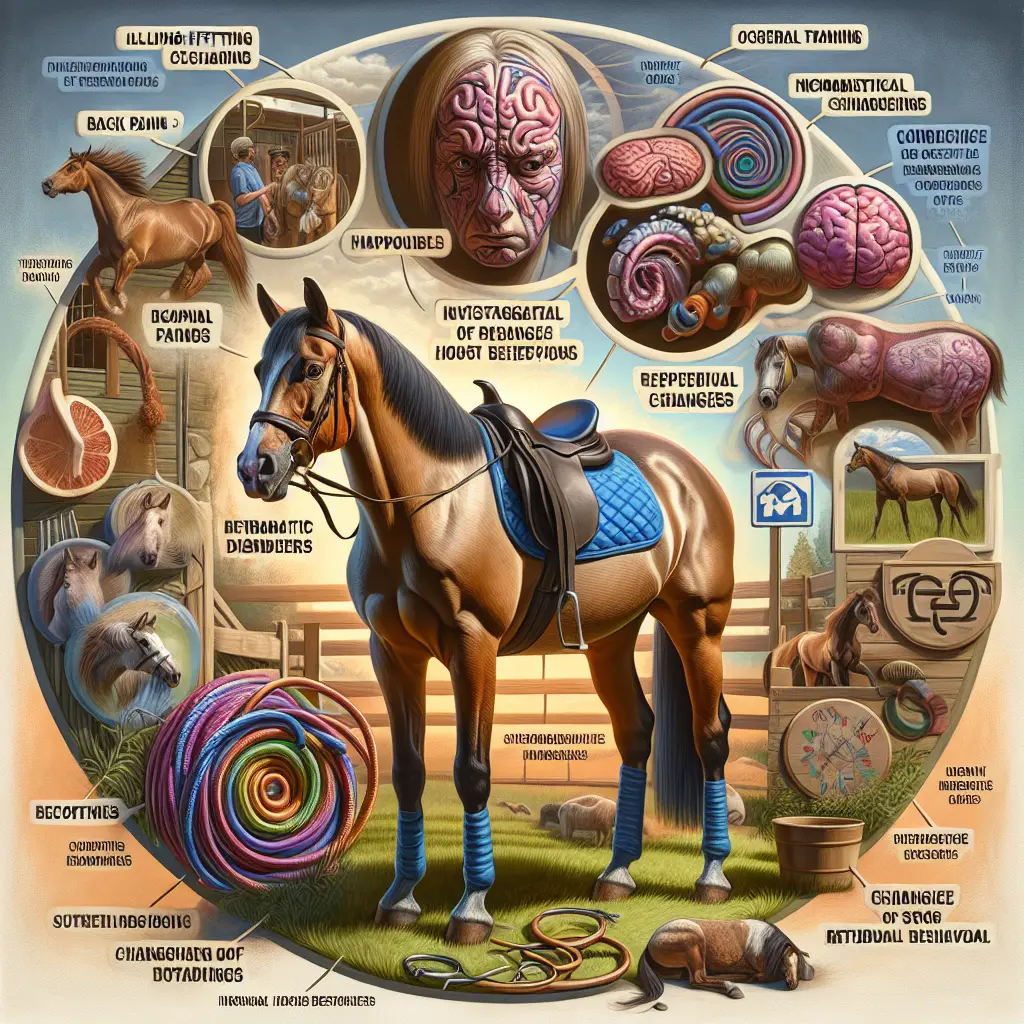
Nervousness and fear can reflect stress, while changes in eating behavior may signal health problems. Refusal to perform or fatigue could indicate energy blockages or metabolic issues.
Health Considerations: When to Call Your Veterinarian
Some behavioral changes warrant immediate veterinary attention, including sudden aggression, loss of appetite, lameness, or head shaking. Consulting your veterinarian for potential diagnoses like gastric ulcers, metabolic disorders, or hormonal imbalances is essential for effective treatment.
What You Should Do: A Practical Action Plan
Step 1: Schedule a Veterinary Examination
Start with a comprehensive veterinary check-up. Assess your horse's dental health, lameness, back and muscle condition, gastrointestinal health, and overall metabolic and hormonal status.
Step 2: Evaluate Your Horse's Environment and Management
Review stable conditions to ensure cleanliness, proper ventilation, and adequate social interaction. Ensure your horse receives adequate exercise and assess for any recent routine changes.
Step 3: Assess Your Training and Riding Methods
Use appropriate training techniques and ensure your saddle is well-fitted. Align your riding position to prevent discomfort and evaluate if your methods contribute to stress.
Step 4: Examine Tack and Equipment
Inspect all equipment for fit and wear. Consider horse riding gloves and boots for appropriate protection.
Step 5: Observe and Document
Document behavioral change patterns, environmental triggers, eating and drinking changes, and physical symptoms to aid in diagnosis.
Prevention: Maintaining Your Horse's Behavioral Health
Maintain your horse’s well-being through regular veterinary care, consistent positive reinforcement training, adequate turnout, and social interaction. Use equine supplements for health support and maintain a stable routine.
Conclusion
A typically calm horse showing uncharacteristic behavior is a message worth investigating. Treat behavioral changes as symptoms to be investigated, rather than training problems. Through comprehensive evaluation of health and care practices, you can restore your horse's peace and performance, leading to a happier, healthier equine companion.
For any changes in behavior, early intervention leads to better outcomes. Seek professional guidance promptly for a horse acting out.