

Understanding Sickle Hocks in Horses: Management, Risks, and Success Stories
The equestrian world is an intricate tapestry of knowledge, skill, and of course, passion for horses. To bolster this passion, understanding critical aspects of horse health, such as sickle hocks, is vital. In this article, we'll delve into what sickle hocks are, explore their inherent risks, and share strategies and success stories of effective management. Saddle up for a journey into the world of equine conformation!
What Are Sickle Hocks?
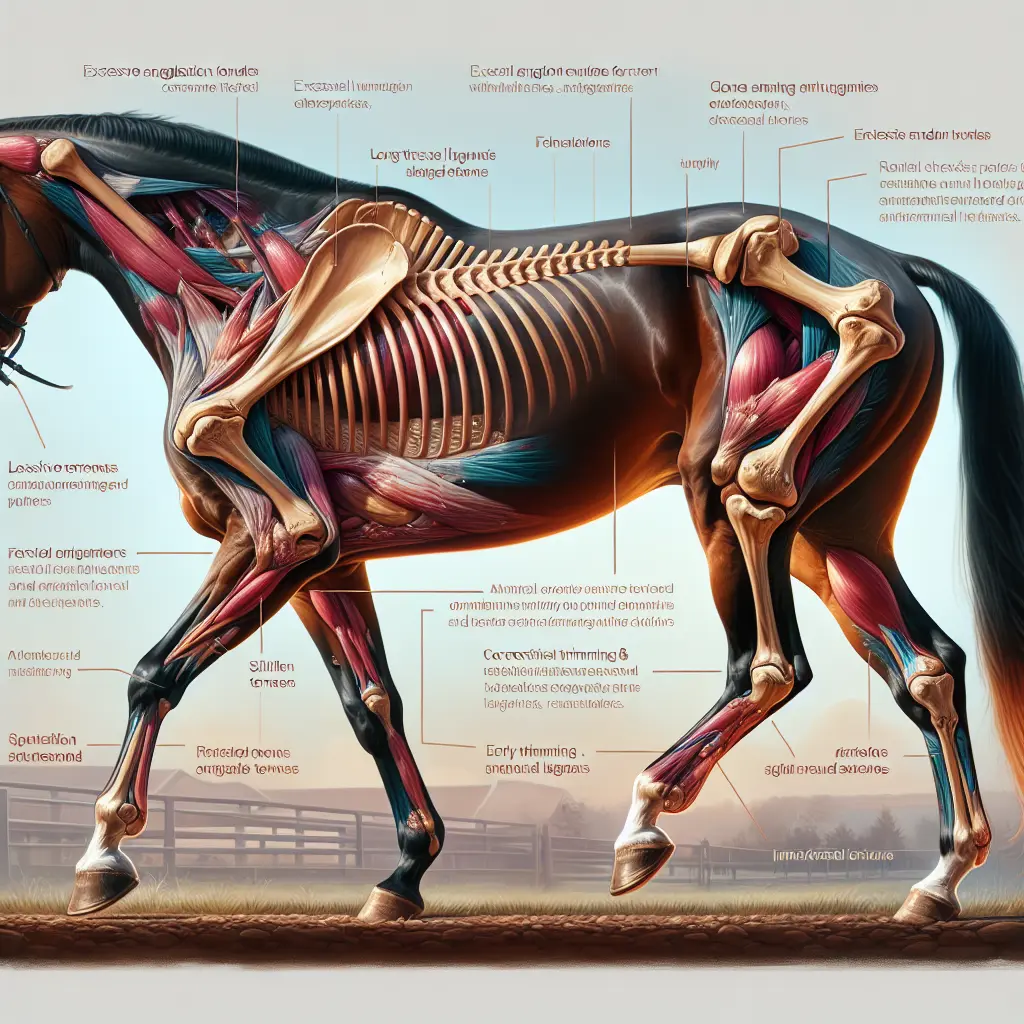
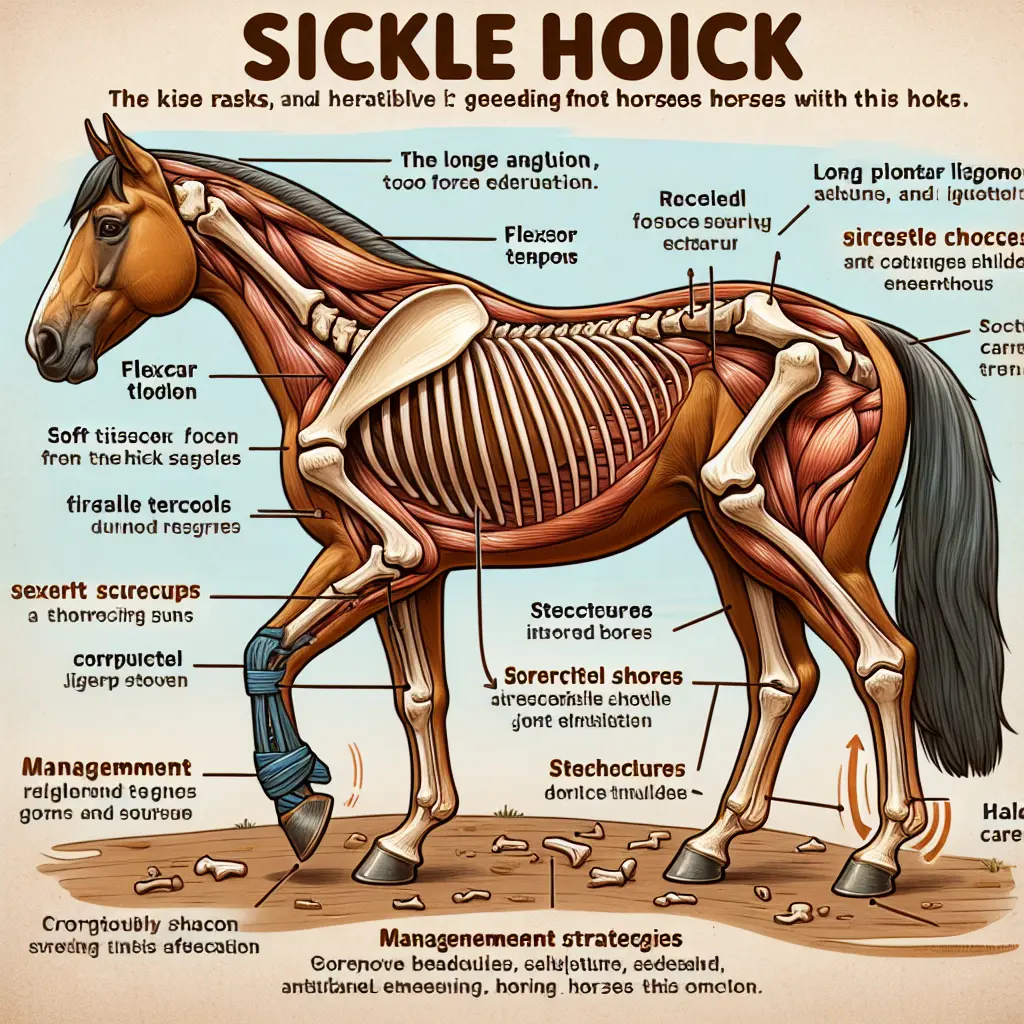
Sickle hocks refer to a specific conformational fault in horses. Picture the sickle's curve – that's the angle seen below the hock joint, causing the cannon bone to jut forward. This defect causes undue strain on the surrounding tissues and joints, resembling an intricate puzzle of equine anatomy. [Learn more about sickle hocks here](https://www.horseadvice.com/articles/equine-diseases/conformation/sickle-hock).
Understanding the Hock Structure
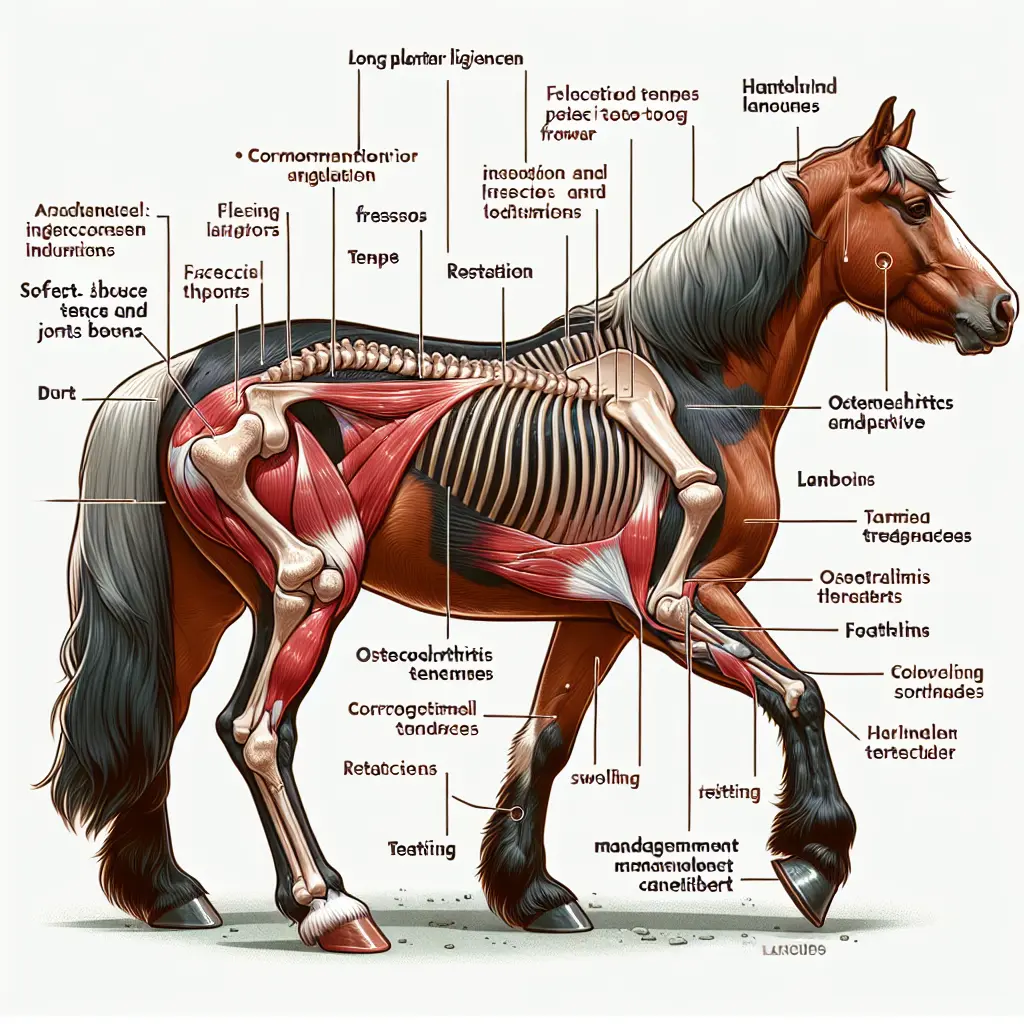
The hock, classified as the tarsus, is akin to the human ankle. It acts as a critical hinge in a horse's hind limb, built for shock absorption and propulsion. In sickle-hocked horses, the acute angle between the tibia and the cannon bone causes the foot to place unwarranted stress on:
- The long plantar ligament, which stretches down the back of the leg,
- Flexor tendons,
- Tarsal bones and ligaments,
- Various structures at the back of the hock.
Risks and Associated Conditions
The lovely canter across a field could be interrupted by a myriad of health issues if your horse has sickle hocks. This conformation can lead to:
- Soft tissue injuries such as sprains[2],
- Curb: inflammation within the hock structure[4],
- Bog spavin: chronic inflammation leading to swelling[5],
- And much more!
Problems may also include chronic arthritis, shortened strides, and particular reluctance to utilize the hindquarters effectively. For disciplines needing high collections like dressage, the stakes are even higher!
Causes and Heritability
A primary suspect in causing sickle hocks? Heredity! This heritable conformational flaw can persist throughout generations[5]. Breeding strategies are key here—promotion of healthy conformation will mitigate the issue for future horse generations.
Environmental Exacerbation
Repeated stress from activities such as jumping, uneven terrains, and other high-impact tasks contribute heavily to the predicament, as seen in some real case studies[6].
Management Strategies
So, how does one effectively manage sickle hocks? Start by ensuring regular veterinary check-ups as early identification of problems can thwart more serious conditions down the line.
- Engage in corrective trimming and shoeing to alleviate stress.
- Adjust workload to prevent exacerbation of symptoms.
- In worst-case scenarios, employ advanced veterinary treatments such as joint injections and shockwave therapy if needed[3].
Preventive Measures
Horses thrive in environments that prioritize health. Using the correct equipment like Jodhpurs, Boots, and Gloves, boosts both rider and animal comfort.
Success Stories
While the road may seem rocky, countless horses lead successful careers with sickle hocks when supported by proper preventative measures and veterinary care. Some Equestrian Supplements have proved useful in staving off negative effects.
- Reining horses with managed workloads continue competing brilliantly.
- Farriery and veterinary intervention have allowed horses to stay sound and competitive well into their golden years.
Embrace the Challenge with Knowledge
The key lies in early recognition, competent care, and a loving bond tailored to individual equine capabilities[1]. Understanding your horse's needs and limitations is critical to sustaining health and performance.
Ultimately, the thoughtful fusion of knowledge, vigilance, and love for your horse fuels success stories any equestrian proud! Remember, with proper protection and management, every horse can achieve its potential.
Explore More at Just Horse Riders
From informative insights into equine conformation, to top-of-the-line riding gear, we at Just Horse Riders are dedicated to supporting horses and horse lovers. Need a gift for a fellow equestrian? Our curated Horse Treats And Gifts ensure there’s something for every enthusiast!
Happy trails and here’s to healthy, happy horses!