

Exploring the Pros and Cons: Shavings vs Wood Pellets for Horse Bedding
Choosing the right bedding for your horse is crucial for their comfort, health, and overall well-being. With various options available, two popular types are wood shavings and wood pellets. Each option has its own set of advantages and disadvantages that we will explore in this article to help you make an informed decision.
Wood Shavings
What Are Wood Shavings?
Wood shavings are a byproduct of the timber manufacturing process. They provide soft, cushiony bedding that is easy to spread across stable floors. They are commonly used in the equestrian industry due to their availability and comfort.

Pros of Wood Shavings
Understanding the benefits of wood shavings can help in deciding their suitability for your horses:
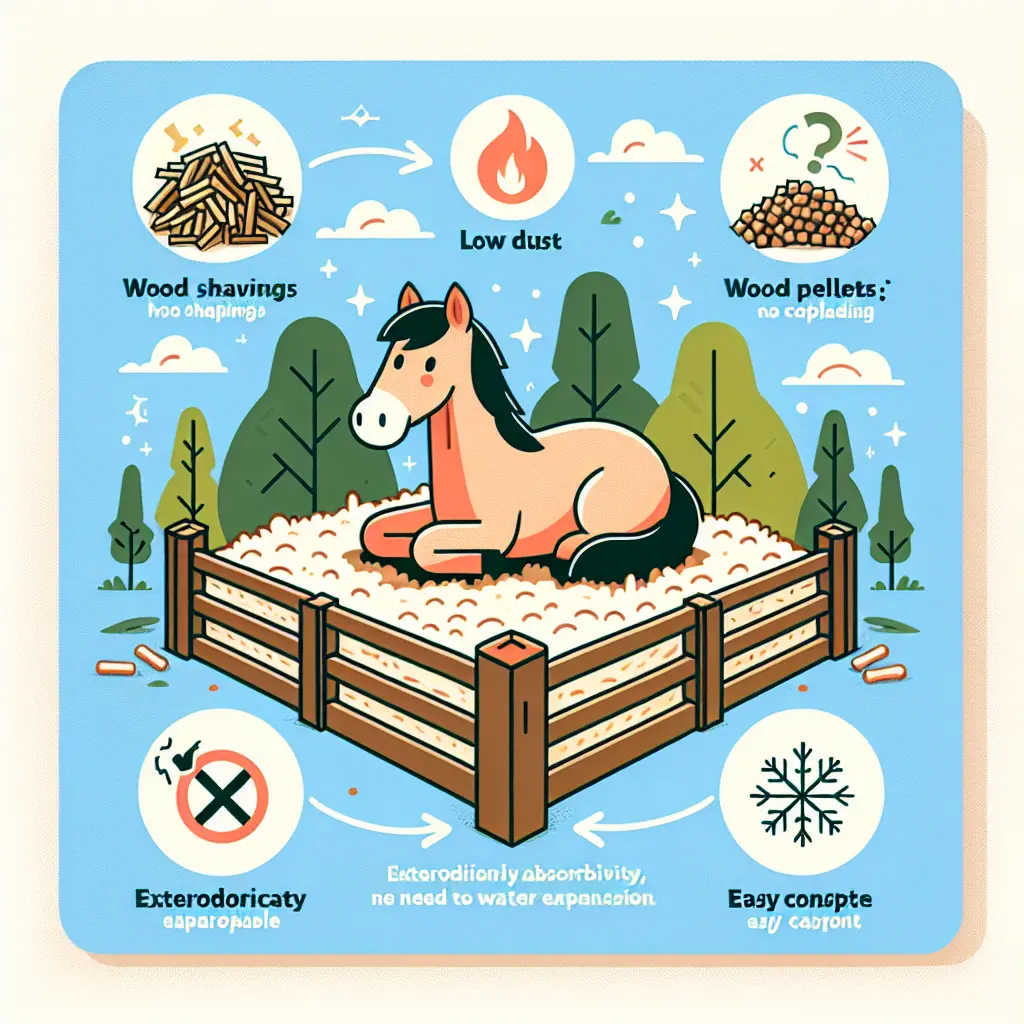
- Absorbency: Wood shavings absorb moisture effectively, controlling humidity in stalls more efficiently than straw. This contributes to a drier and healthier living space.
- Consistency: Their consistent texture helps maintain a clean and comfortable environment for horses.
- Availability: Being widely available, shavings can be easily purchased in bags for convenient storage and waste management.
- Less Dust and Mold: Compared to straw, wood shavings emit less dust and are less susceptible to mold, reducing respiratory issues.
Cons of Wood Shavings
Despite their benefits, there are some downsides to using wood shavings:
- Disposal Challenges: Wood shavings can be difficult to compost, and some landfills pose disposal restrictions.
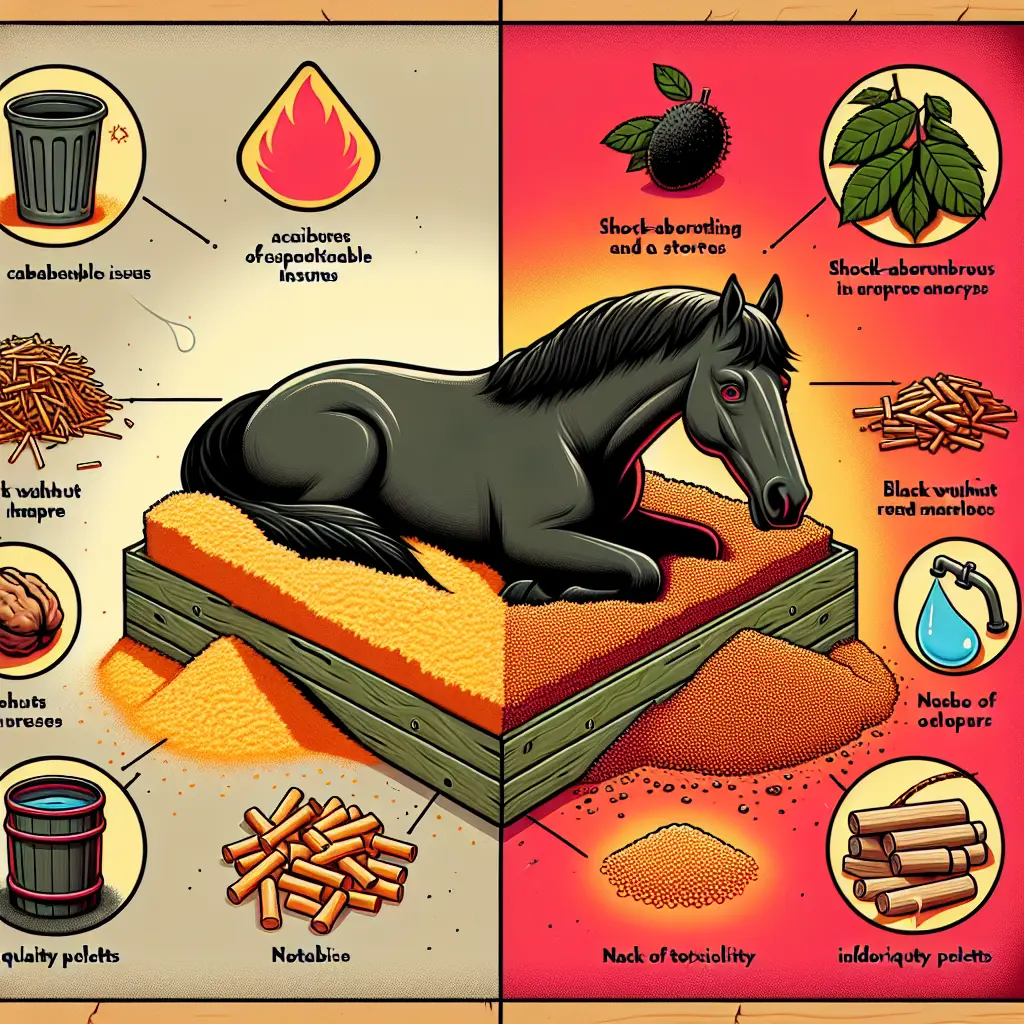
- Toxicity Concerns: Certain wood types, like black walnut and red maple, are toxic to horses and should be avoided.
- Price Variability: While often cheaper per bag, prices vary based on the type of wood, affecting overall costs.
Wood Pellets
What Are Wood Pellets?
Wood pellets are compressed sawdust that expands with the addition of water, transforming into bedding. Highly absorbent, they offer an economical and sustainable option for horse bedding.
Pros of Wood Pellets
Wood pellets come with notable benefits for equine bedding:
- High Absorbency: Pellets are extremely absorbent, requiring less frequent bedding changes compared to other types.
- Easy to Sift and Clean: Their design allows for easier cleaning, minimizing waste.
- Comfort and Durability: Once expanded, the soft pellets offer comfort and act as a base that can relieve stress on joints.
- Reduced Allergens and Dust: High-quality pellets are designed with minimal dust production.
Cons of Wood Pellets
However, wood pellets aren't without their challenges:
- Cost: They are generally more expensive than shavings, especially for horse-specific, high-quality pellets.
- Initial Preparation: Pellets require preparation by adding water, which can be time-consuming.
- Quality Variability: Not all pellets offer the same quality; some may be merely repurposed fuel-grade pellets.
Real-World Examples and Considerations
For a practical scenario, consider the local availability of both bedding options. If your area has abundant sources for either, it might sway your decision. Also, understanding the specific health and comfort needs of your horse plays a crucial role in selecting the right bedding.
Long-term Economic Impacts
While initial costs for wood pellets might be higher, their longer lifespan and superior absorbency might lead to savings in the long run. Conversely, despite wood shavings being cheaper upfront, their disposal challenges might result in additional costs.
Environmental Considerations
Both options have potential impacts on the environment. Consider logging and sourcing methods, biodegradability, and local disposal options. Sustainable practices can mitigate environmental effects while promoting ethical equine care.
Conclusion
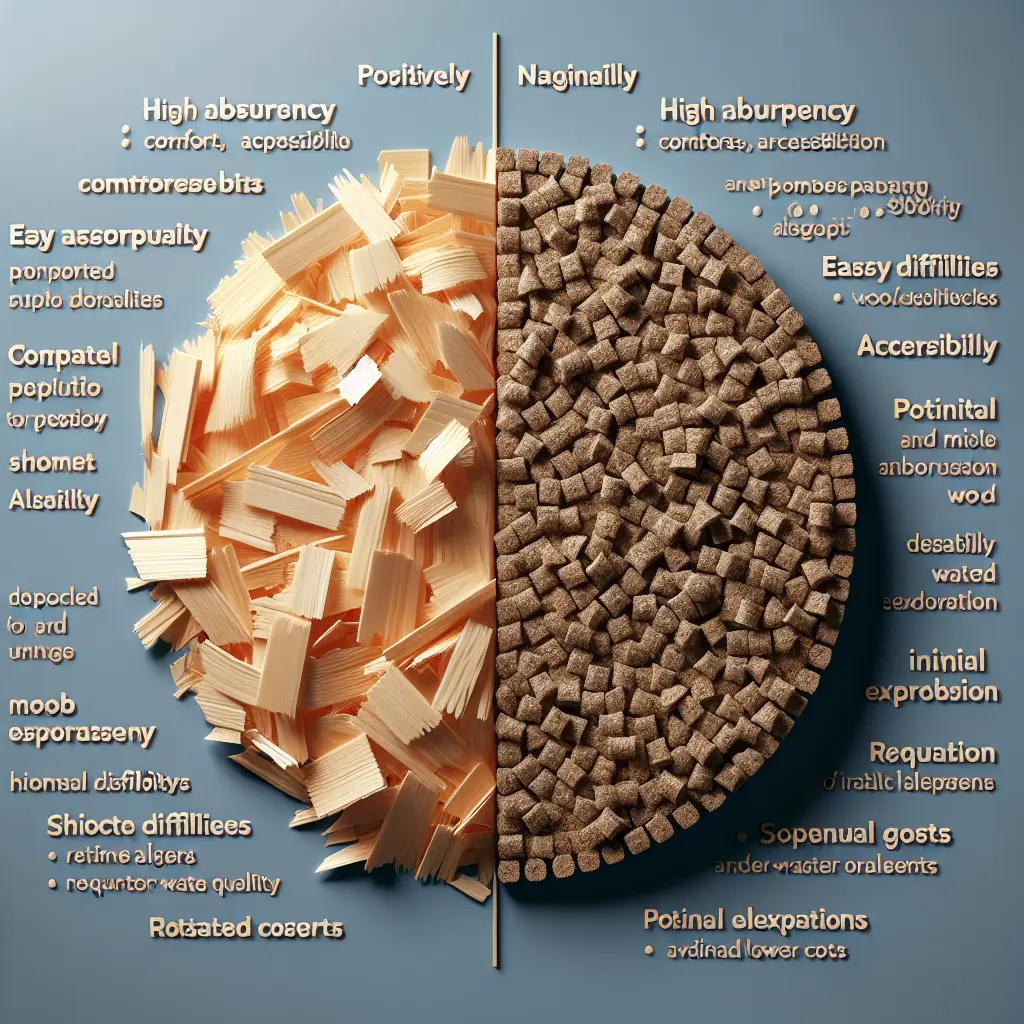
The decision between wood shavings and wood pellets ultimately depends on the specific needs and circumstances of you and your horse. Consider factors like absorbency, comfort, cost, and environmental impact. You can browse reliable sources such as Adenbrook and Guardian Horse Bedding for further insights.
Many horse owners find that supplementing their horse's environment with the correct bedding is complemented by dietary supplements to improve their overall well-being. As always, the key is to prioritize the health and happiness of your equine companion.
Explore Our Collections
Be sure to check out our extensive range of equestrian products: