

Unraveling Rocky's Mystery: A Journey into the World of Equine DNA Testing
Have you ever wondered about the stories hidden in your horse's genes? The world of equine DNA testing might be the key to uncovering mysteries about your horse's ancestry, characteristics, and health. This blog will explore the ins and outs of DNA testing for horses, providing you with insights and guidance on how to navigate this fascinating field.
Why Test Your Horse’s DNA?

Equine DNA testing is gaining traction among breeders and horse owners alike. It offers invaluable insights into:
- Parentage: Confirming a foal's parents with remarkable accuracy.
- Breed Ancestry: Shedding light on your horse's breed composition, which is particularly useful for registration and sport.
- Color and Health: Identifying coat color genes and potential genetic disorders, crucial for informed breeding decisions.
- Identification: Creating a unique genetic fingerprint, essential in cases of loss or theft.
Understanding the strengths and limitations of these tests will help you make the most of your horse's genetic information.
How Equine DNA Testing Works
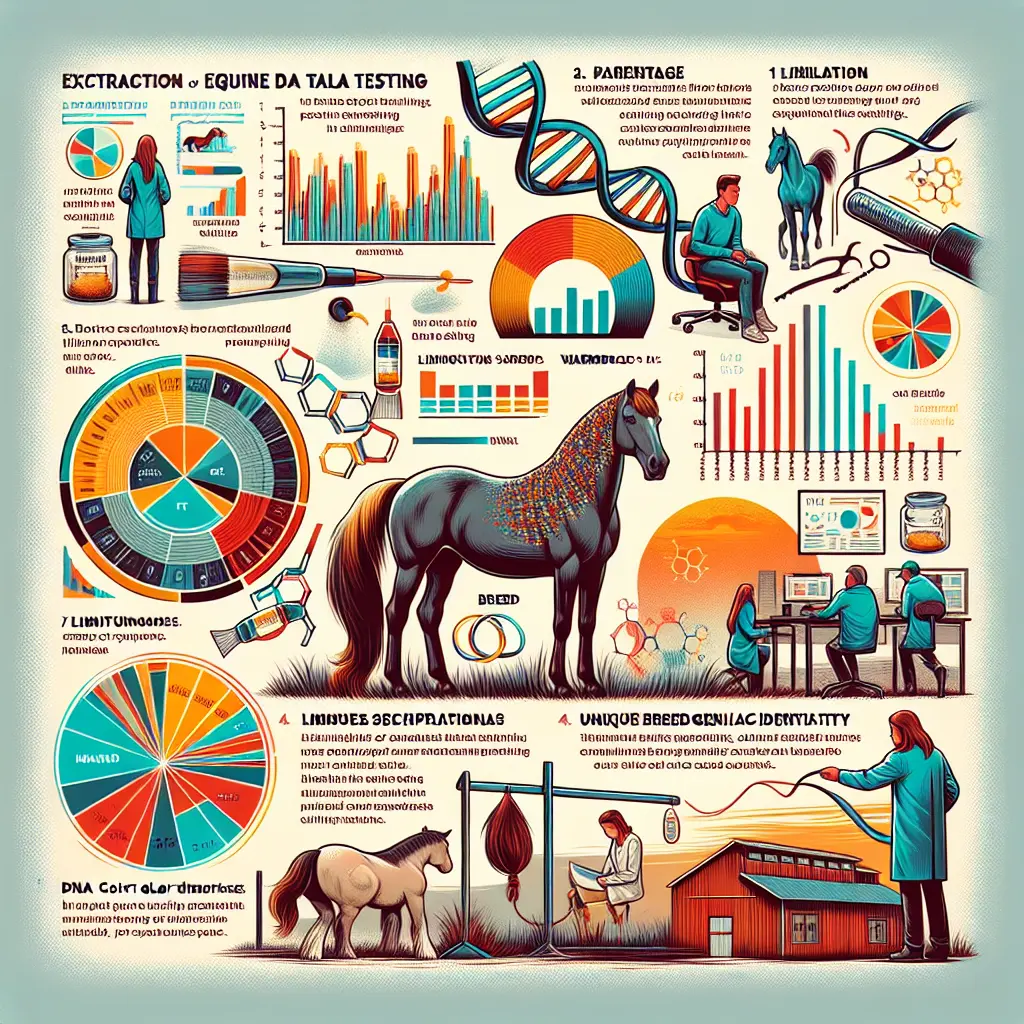
DNA samples are usually collected from your horse's mane, tail hairs, blood, or tissue. Using internationally accepted standards, laboratories analyze the genetic markers to provide reliable identification results.
Parentage Testing
Parentage tests are extremely accurate when both parents' samples are available, achieving over 99.99% accuracy. Even with a single parent, accuracy stays high but may dip slightly in closely related populations.
Breed Ancestry Testing
This testing is less straightforward due to shared genetic markers among breeds. Laboratories compare DNA to reference panels for potential breed matches. Accuracy depends on the size and diversity of these panels. Complex ancestry can present additional challenges.
Coat Color and Trait Testing
These tests predict base coat colors and dilution factors, helping owners make informed decisions about potential offspring.
What DNA Tests Can—and Can’t—Tell You
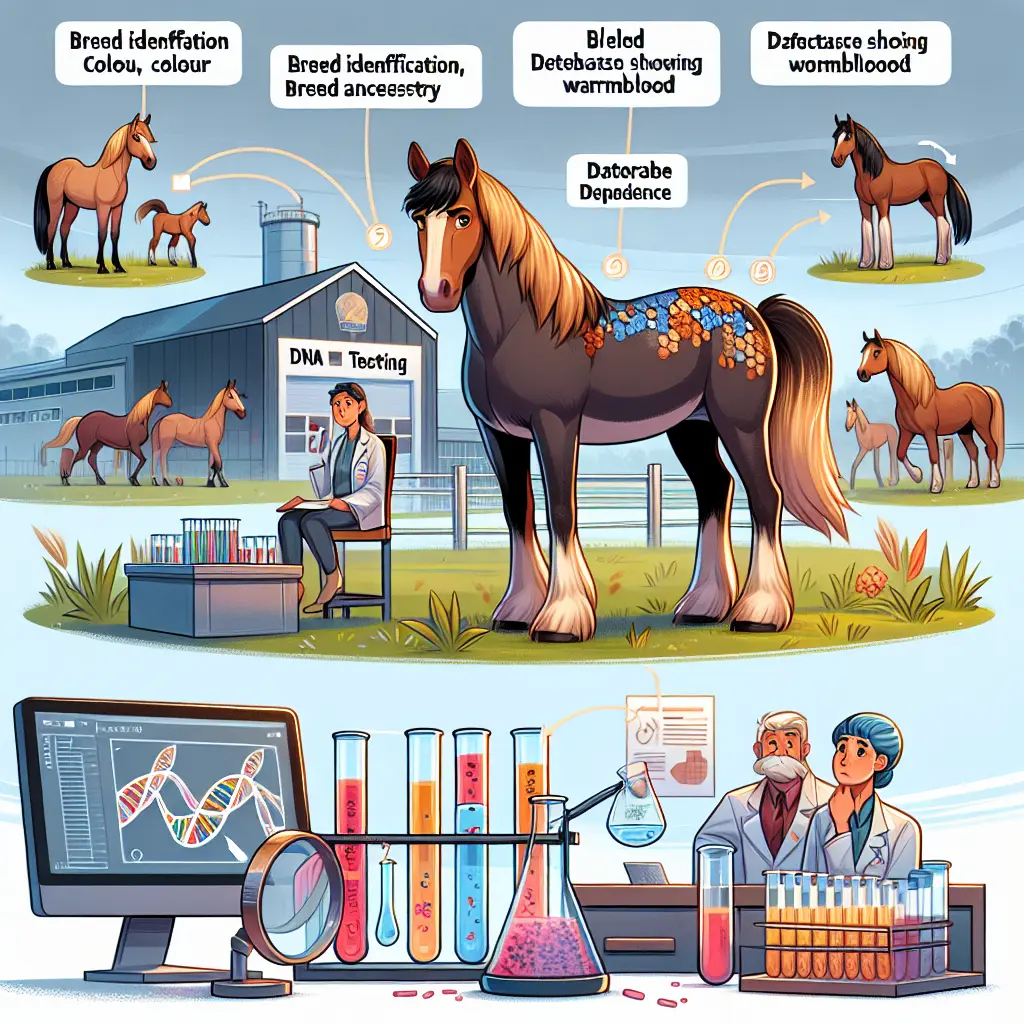
DNA tests offer remarkable tools for verifying parentage and identifying genetic traits. They are invaluable in helping owners predict physical traits as well.
Limitations and Challenges
While breed ancestry results provide insights, they are probabilistic and should be interpreted with caution. Certain breeds may not be well-represented in databases, leading to potential misidentifications.
Real Stories and Surprises
Imagine a mustang's DNA analysis indicating unlikely breeds like Selle Français or Holsteiner. While surprising, this underscores the genetic similarities and unexpected results possible in DNA testing.
Choosing the Right DNA Test for Your Horse
Before opting for DNA testing, consider:
- Your goals: parentage, breed, color, or health.
- The lab's reputation: Select those adhering to ISAG standards.
- Diversity of reference panels: Critical for accurate breed ancestry.
- Sample collection and processing guidelines.
- The end use of the results.
If results are unexpected, consider a second test from another lab.
Practical Takeaways for Horse Owners
DNA tests are potent tools, especially for identification and parentage verification. However, keep in mind the probabilistic nature of breed ancestry results.
For more reliable predictions and outcomes, a broader reference database is advantageous. Always interpret results within the context of genetic similarities.
The Future of Equine DNA Testing
As technological advancements continue, the scope and accuracy of equine DNA testing will expand. New genetic markers and more extensive databases promise deeper insights into your horse's genetic story.
Conclusion
DNA testing opens a window into your horse's past, hinting at parentage, breed, color, and health. While certain aspects of these tests are astonishingly accurate, such as identity and parentage, breed ancestry requires a nuanced approach.
For further understanding of equine DNA testing, explore resources from expert laboratories and publications. Whether you're a breeder, owner, or just a fan of a good mystery, there’s an entire genetic journey awaiting your exploration.