

Unmasking Online Professionals: The Dangers of Unverified Expert Opinions in Veterinary Care
In today's digital landscape, access to plentiful information about veterinary care via social media, blogs, forums, and various online platforms is just a click away. While this offers enormous potential benefits for pet owners, it also brings about a significant threat: the rise of unverified expert opinions, which could inadvertently lead to harmful consequences for animals. This article delves into the hazards of relying on unverified online sources for veterinary advice and provides guidance on how to safely navigate the digital world.
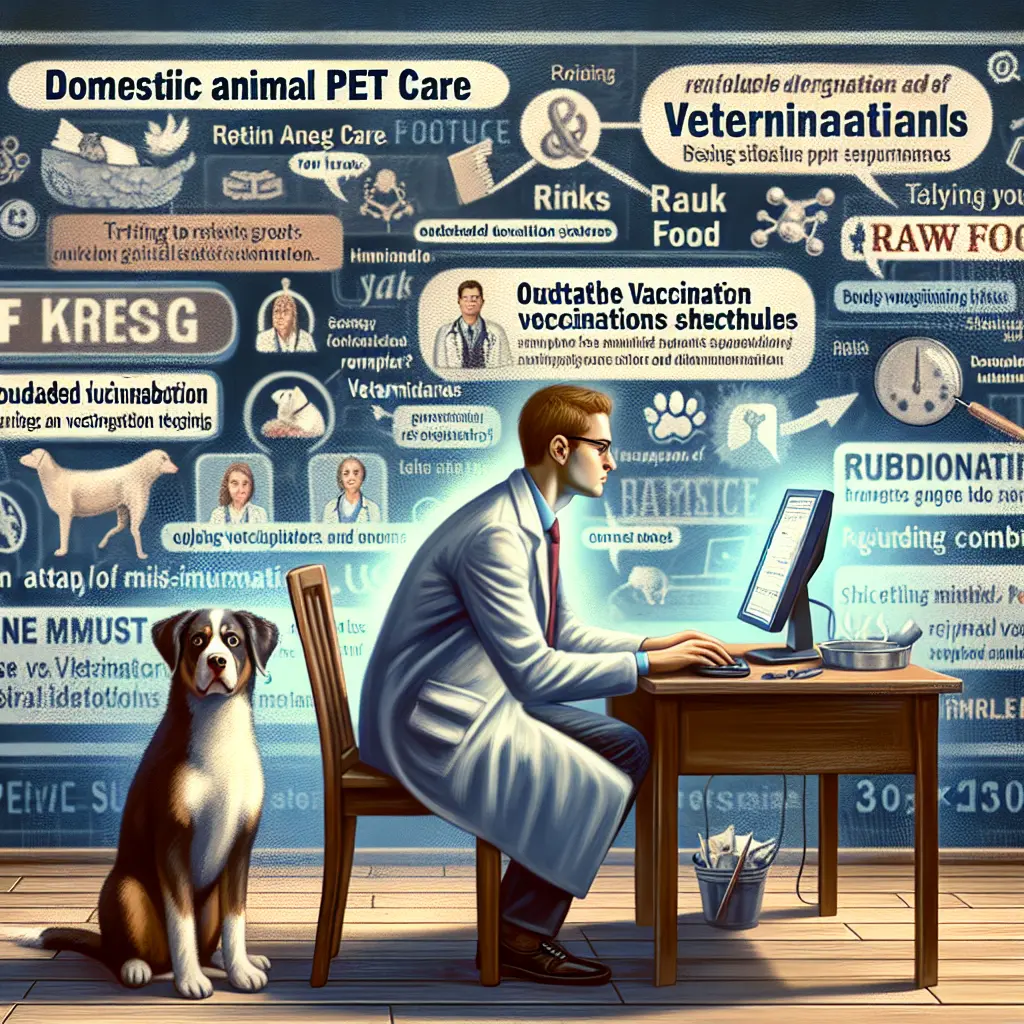
The Rise of Misinformation in Veterinary Care
The emergence of social media and other online platforms has revolutionized access to knowledge and community support among pet owners. However, it has also transformed into breeding grounds for misinformation—a combination of false and inaccurate information shared without malevolent intent, and disinformation, which is deliberately confusing or harmful content. In veterinary medicine, misinformation can swiftly proliferate, often propagated by social media influencers or individuals without formal veterinary training. Such claims tend to blur the lines between credible advice and potentially harmful information, as noted by the PubMed Viewpoint article.
The Real Dangers of Unverified Veterinary Advice
Harmful Pet Health Outcomes
The outcomes of following unverified veterinary advice can be severe and often unpredictable. A pertinent example is the trending raw food diets for pets, predominantly advocated by wellness influencers. Although touted as "ancestral" or "biologically appropriate," veterinary studies show these diets lack proven health benefits and might even elevate the risk of infections, as reported in a STAT News report. The danger lies in their potential to foster the spread of zoonotic diseases.
Declining Preventive Care
Considerably alarming is the misinformation regarding vaccines and preventive veterinary care, which leads more pet owners to forgo essential routine visits and vaccinations. Consequently, this situation poses a threat to pet wellbeing and can generate outbreaks of preventable diseases. In line with MyVetCandy, skepticism towards human healthcare has permeated veterinary care, undermining the importance of vaccinations in preserving animal health.
Amplification of False Narratives During Animal Health Crises
During major animal health crises, such as foot-and-mouth disease or avian influenza outbreaks, misinformation and conspiracy theories soar. False claims floating around during these times can undermine vaccination efforts and damage public trust in veterinary authorities, thus exacerbating the spread and economic repercussions of such outbreaks. More insights can be gleaned from the WOAH discussion on misinformation as a threat to animal health.
Why Are Online Unverified Opinions So Influential?
The allure of online unverified opinions often lies in their accessibility and emotional appeal. Social media influencers frequently present stories or simplistic solutions that emotionally resonate with pet owners. Unfortunately, the lack of rigorous fact-checking allows these narratives to overshadow the complexities of scientific evidence. An additional aggravating factor is the sheer volume of information available that can overwhelm pet owners, diluting their capability to appraise scientific credibility.
How to Protect Your Pet and Yourself: Tips for Vetting Online Veterinary Advice
Check Credentials
Prioritize advice from certified veterinarians or accredited veterinary organizations. Searching for verifiable qualifications and professional affiliations can save you from adopting potentially dangerous recommendations.
Seek Science-Based Information
Favor sources that acknowledge peer-reviewed studies, veterinary associations, or credible health authorities over anecdotal advice. Fact-based guidance is indispensable in making informed decisions.
Be Skeptical of Absolutes
Beware of absolute claims boasting quick fixes or openly rejecting conventional veterinary practices like vaccinations without substantial evidence.
Consult Your Veterinarian
While online information can serve as an initial guide, always discuss any health concerns or treatment plans with a licensed veterinarian familiar with your pet's medical history.
Follow Trusted Veterinary Organizations
Stick to information shared by reputable bodies such as the American Veterinary Medical Association (AVMA) or the World Organisation for Animal Health (WOAH). It's wise to stay updated with their evidence-based insights.
The Veterinary Profession’s Role in Combating Misinformation
Veterinarians and organizations recognize the threats of misinformation and are adopting proactive measures to counter it through comprehensive educational outreach. This includes debunking myths, directly addressing unverified claims with evidence-based information, and effectively building trust through open engagement with pet owners. Educational materials tailored for pet owners further enhance understanding of animal health issues, ensuring a well-informed community, as highlighted by the PubMed Viewpoint article.
Conclusion
While the internet has revolutionized how we access veterinary guidance, it also poses threats from unverified expert opinions that can jeopardize pet health. It falls on pet owners to navigate online advice warily, prioritizing verified, science-based veterinary guidance. By consulting with licensed veterinarians and fostering critical thinking, we can ensure our pets receive the best care in an age beset by rampant misinformation.
Explore More with Just Horse Riders
Enhance your equestrian experience with premium Jodhpur collections, stylish horse riding boots, durable gloves, and more. Visit Just Horse Riders today to explore a wide range of products catering to all horse riders.