

Harnessing Legal Awareness: Trailer Accidents on Narrow Roads
Traversing the intricacies of legal responsibility in trailer accidents on narrow roads necessitates a comprehensive understanding of driver actions, vehicle conditions, road characteristics, and the relevant traffic laws. Pinpointing fault involves several considerations such as driver negligence, road conditions, vehicle maintenance, and adherence to safety constraints.
Understanding the Challenges of Narrow Roads
Driving large, heavy vehicles like trailers on narrow roads is inherently challenging. These roads limit maneuvering space, thereby increasing the possibility of collisions with oncoming traffic or losing control of the trailer. Data from the National Highway Traffic Safety Administration (NHTSA) reveals that more than half of fatal truck accidents occur in rural areas, where narrow roads are more common.
Drivers at Fault: A Lost Art of Focus?
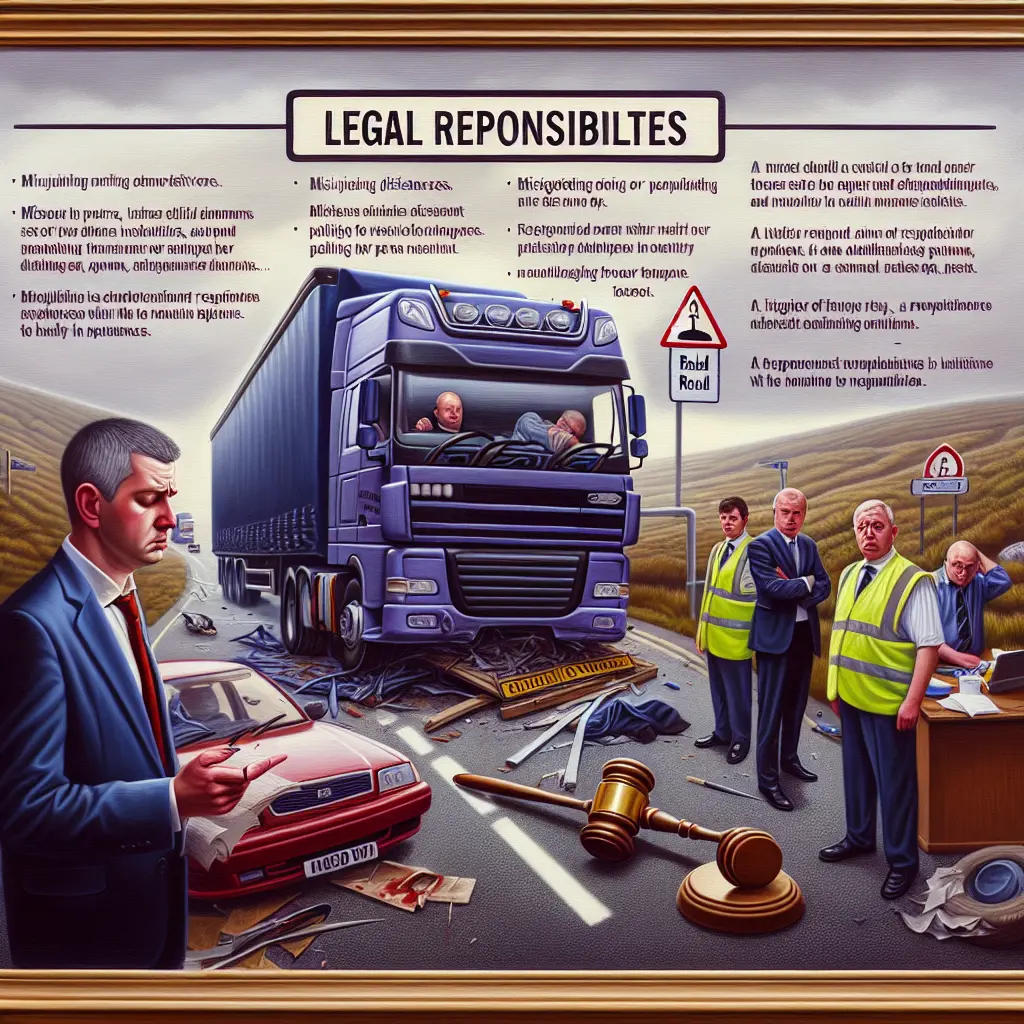
Commonly, driver negligence holds the lion's share of the fault in trailer accidents. This includes speeding, distracted driving, fatigue, improper load securing, and a failure to adjust driving to road conditions. For instance, misjudging the width of a narrow road or failing to account for the trailer’s swing during turns frequently leads to mishaps. According to the National Safety Council, speeding and distraction rank as leading causes of such unfortunate events.
Other Motorists: Missteps on the Lane
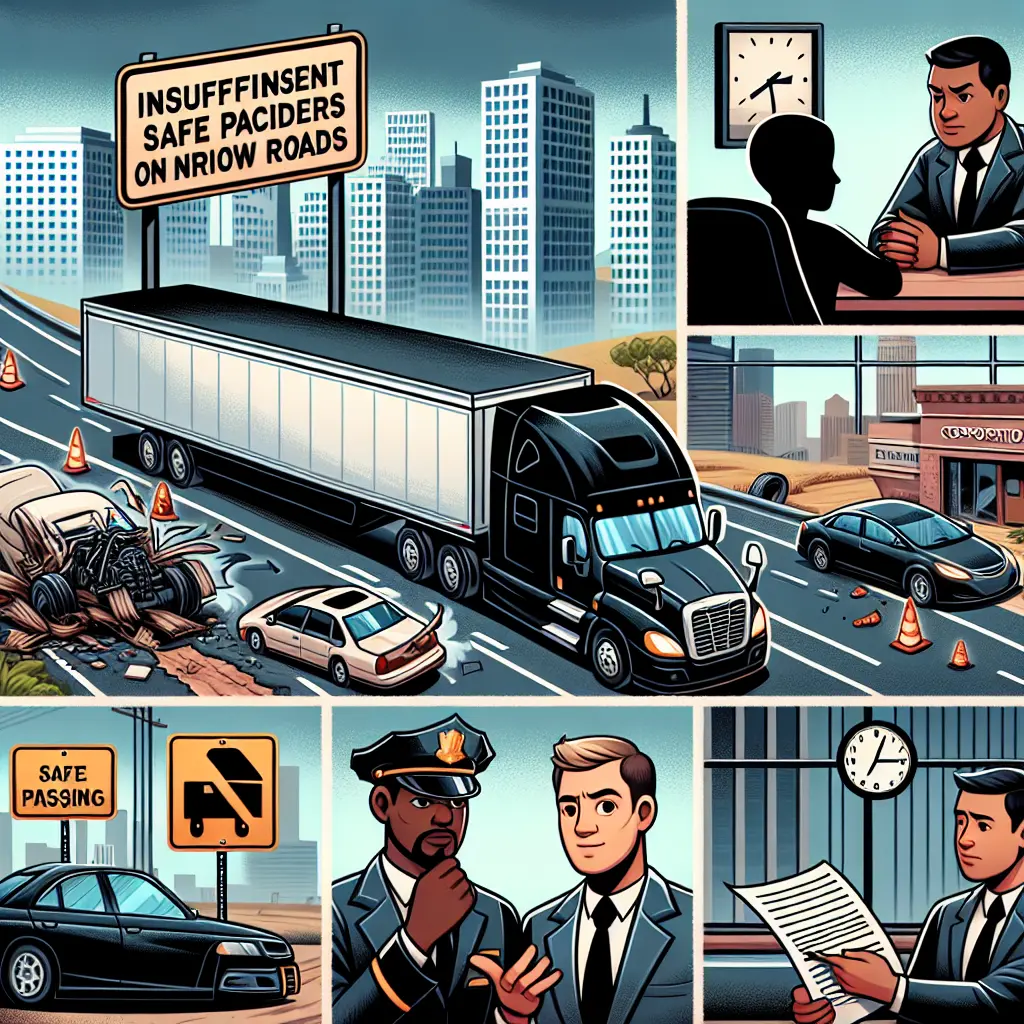
Fault isn’t always exclusive to truck drivers. Other motorists sometimes err by not providing ample space or attempting reckless overtaking maneuvers on narrow roads. In these scenarios, determining fault requires a detailed accident analysis. Such incidents highlight the need for heightened attentiveness from all road users.
Examining the Role of Trucking Companies
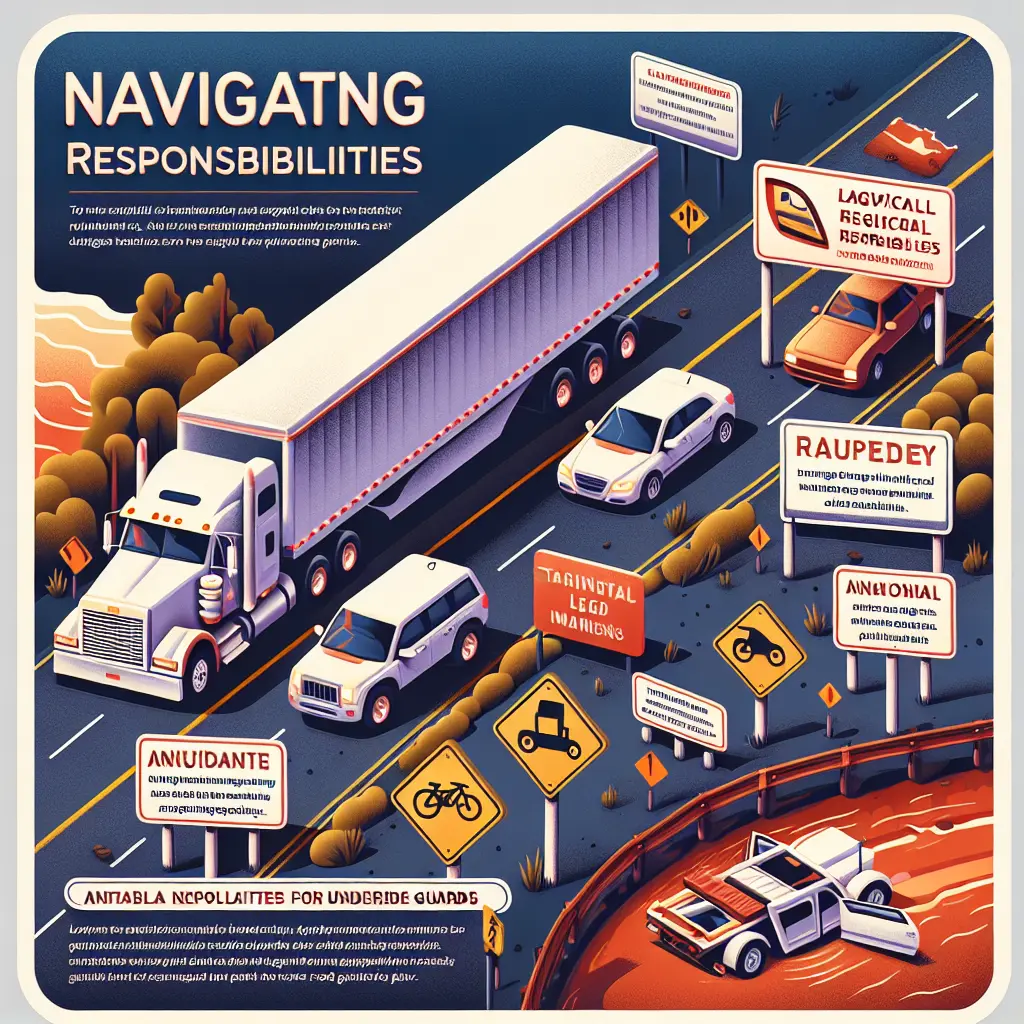
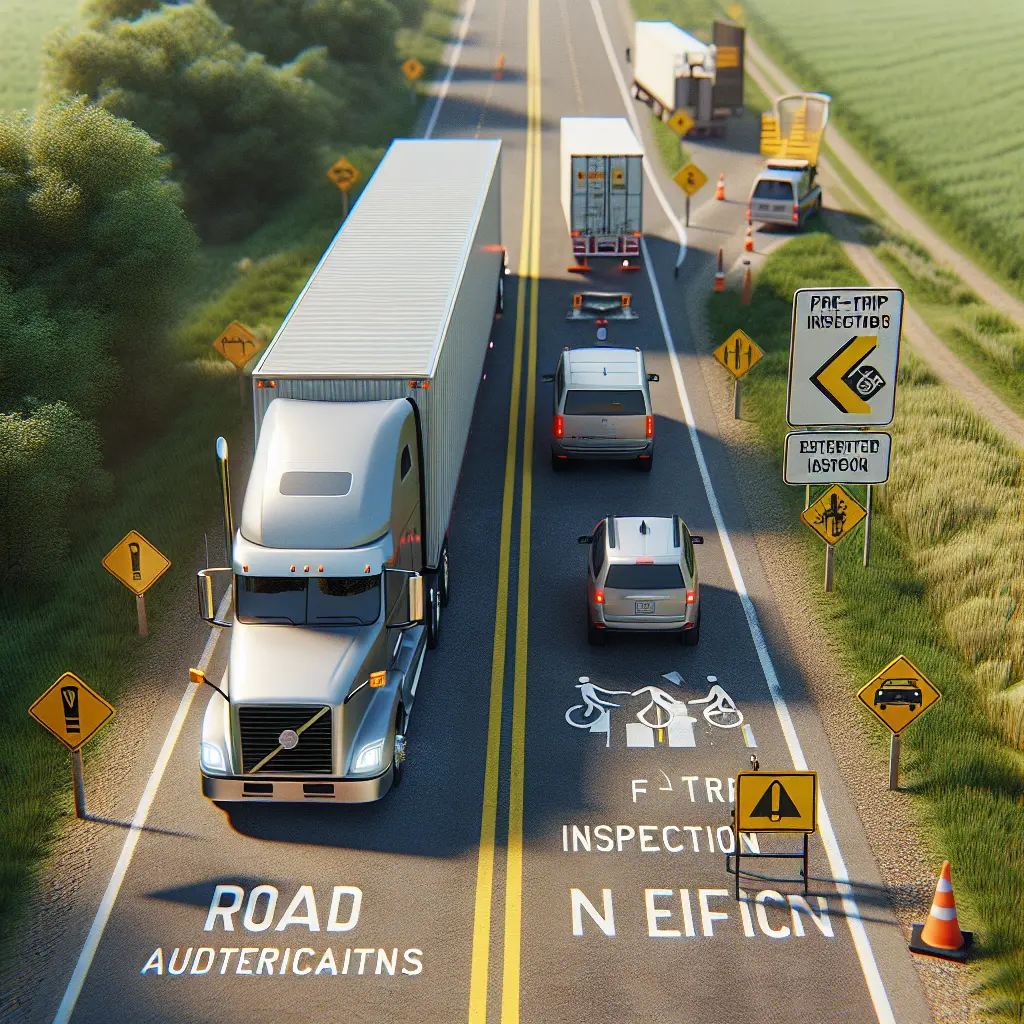
Trucking companies often figure into the equation when driver negligence arises from inadequate training, a lack of supervision, or pressing schedules that might prompt drivers toward unsafe practices. Moreover, they can be accountable when trailers or trucks have safety equipment deficiencies. Companies must enforce rigorous pre-trip inspections to nip such issues in the bud.
The Government's Role: The Road Less Maintained
Sometimes, the government or road authorities are not without fault. Narrow roads lacking adequate maintenance, signage, or passing zones can exacerbate accident risks. Legal liability might extend to these entities if hazardous road conditions were known but unaddressed.
Legal Ramifications: Decoding Fault in Accidents
Legal fault in trailer mishaps is often divided based on negligence standards. If a driver’s speeding or improper load securing causes an accident, they—and by extension, their employer—can bear significant liability. Conversely, if faulty road design contributes heavily to the tragedy, shared fault attribution could be on the cards. For instance, the U.S. recorded over 500,000 large truck accidents in 2021, underscoring the criticality of these issues.
Accident Severity: The Weight of the Matter
Often, the severity of trailer accidents is compounded by their sheer size and weight. Statistics relay that tractor-trailers account for around 53% of fatalities in truck accidents, with over 55% manifesting in rural settings. Understanding these risks is essential for strategizing proper preventive measures.
Preventive Measures: A Stitch in Time
Driver Training
Training drivers to expertly tackle narrow, challenging roads and punishing dangerously negligent behavior can help curtail accident occurrence. Fostering a culture of safety is paramount.
Vehicle Inspections
Thorough pre-trip inspections ensure that trailers are roadworthy and loads are securely fastened. This practice minimizes accidents stemming from equipment failure.
Regulations and Safety Devices
Policies mandating the installation of equipment like underride guards can significantly reduce fatalities associated with these crashes.
Legal Representation
Victims have the legal option to seek compensation through counseling and claims for injuries, damages, or wrongful deaths. This avenue underscores the need for clear resolutions where negligence is identifiable.
Safety Summary: One Step Ahead
Ultimately, fault in trailer accidents on narrow roads often traces back to driver error, but circumstantial dependencies on other drivers, companies, and road authorities are equally plausible. Understanding such dynamics is crucial for every road user keen on promoting road safety while preparing for potential legal challenges in the unfortunate event of an accident.