
Premier Equine Saddlery
Bits
Bridles, girths, reins, breastplates and more in Premier Equine's signature style.


Premier Equine Bits
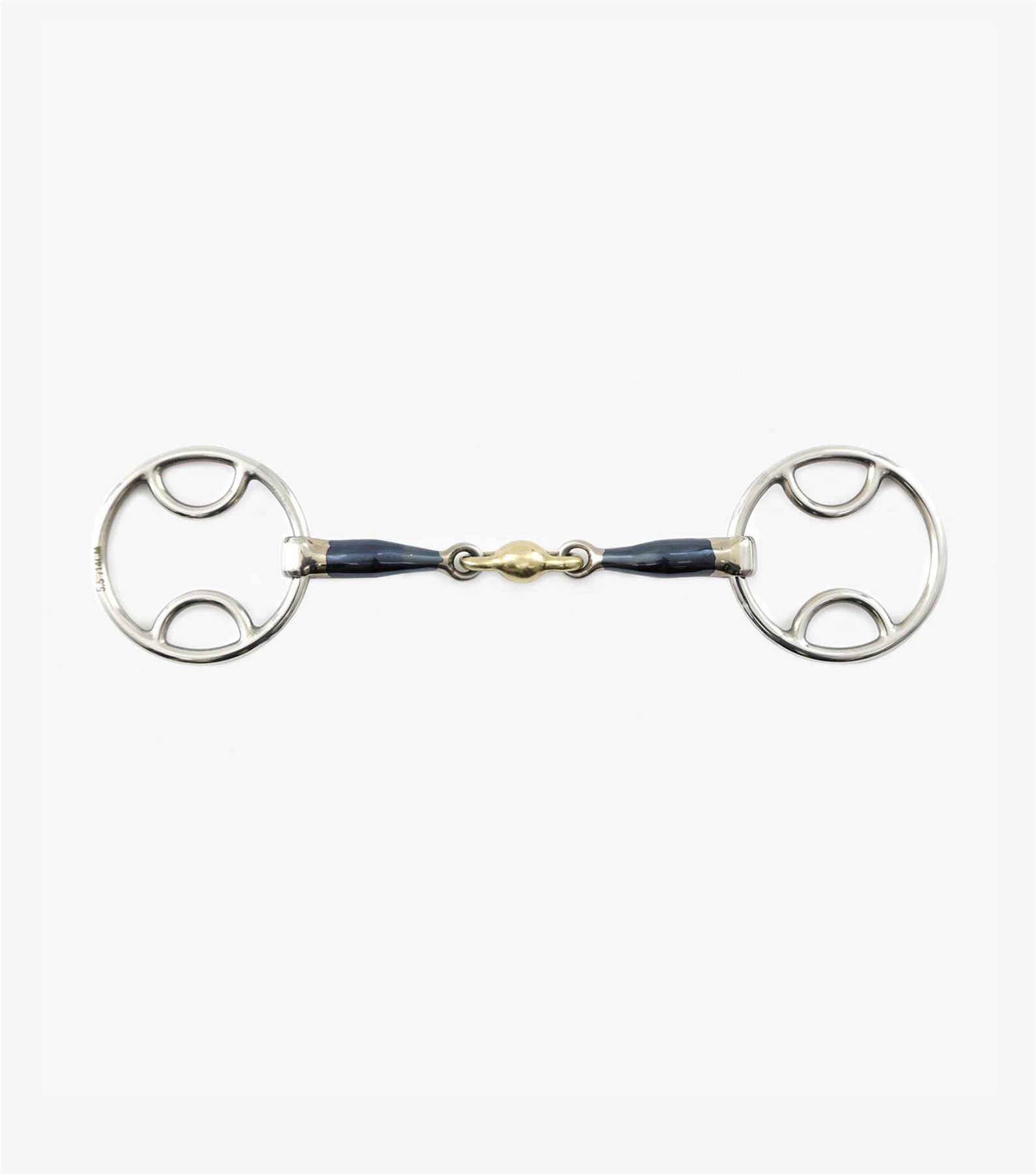
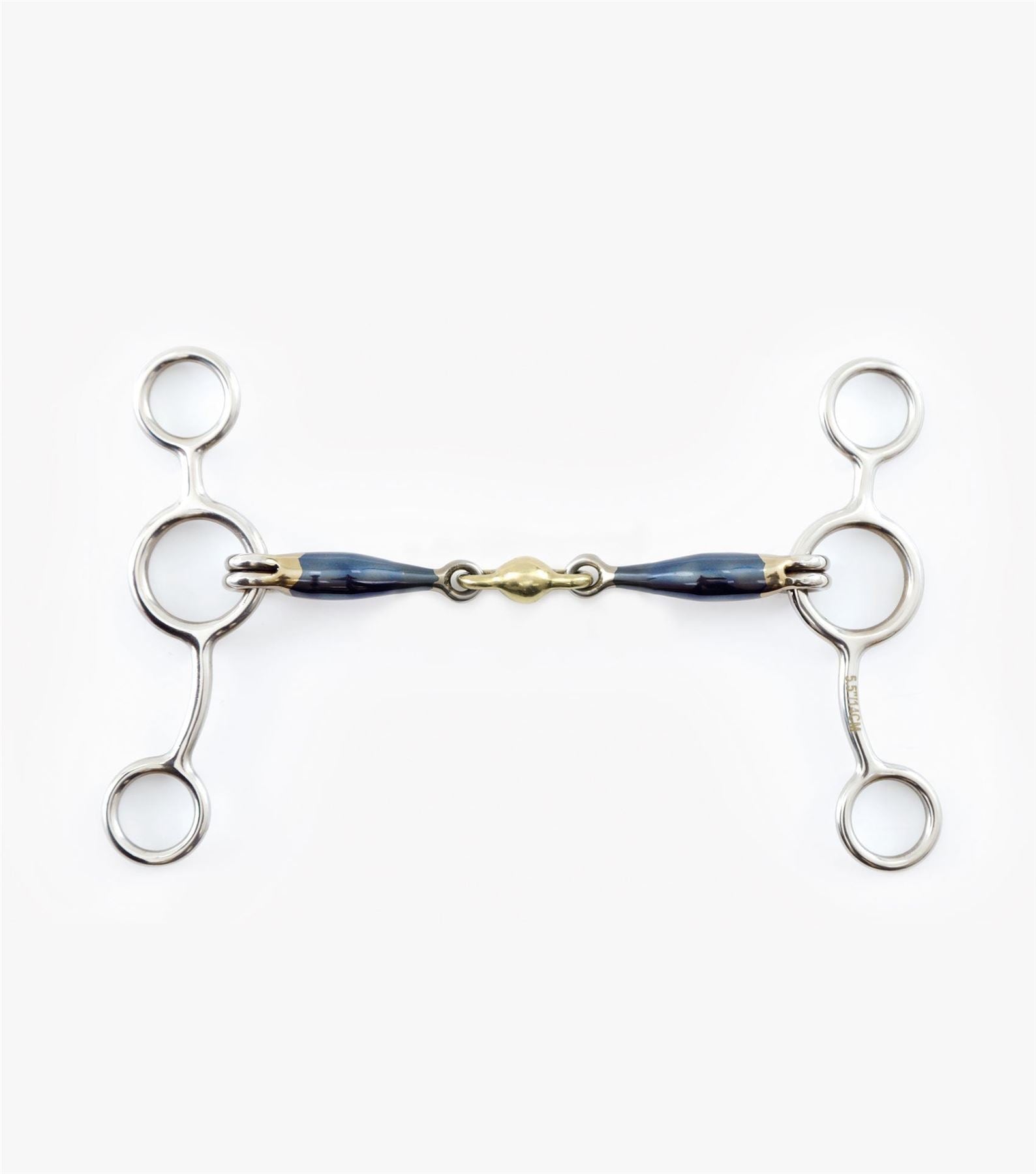
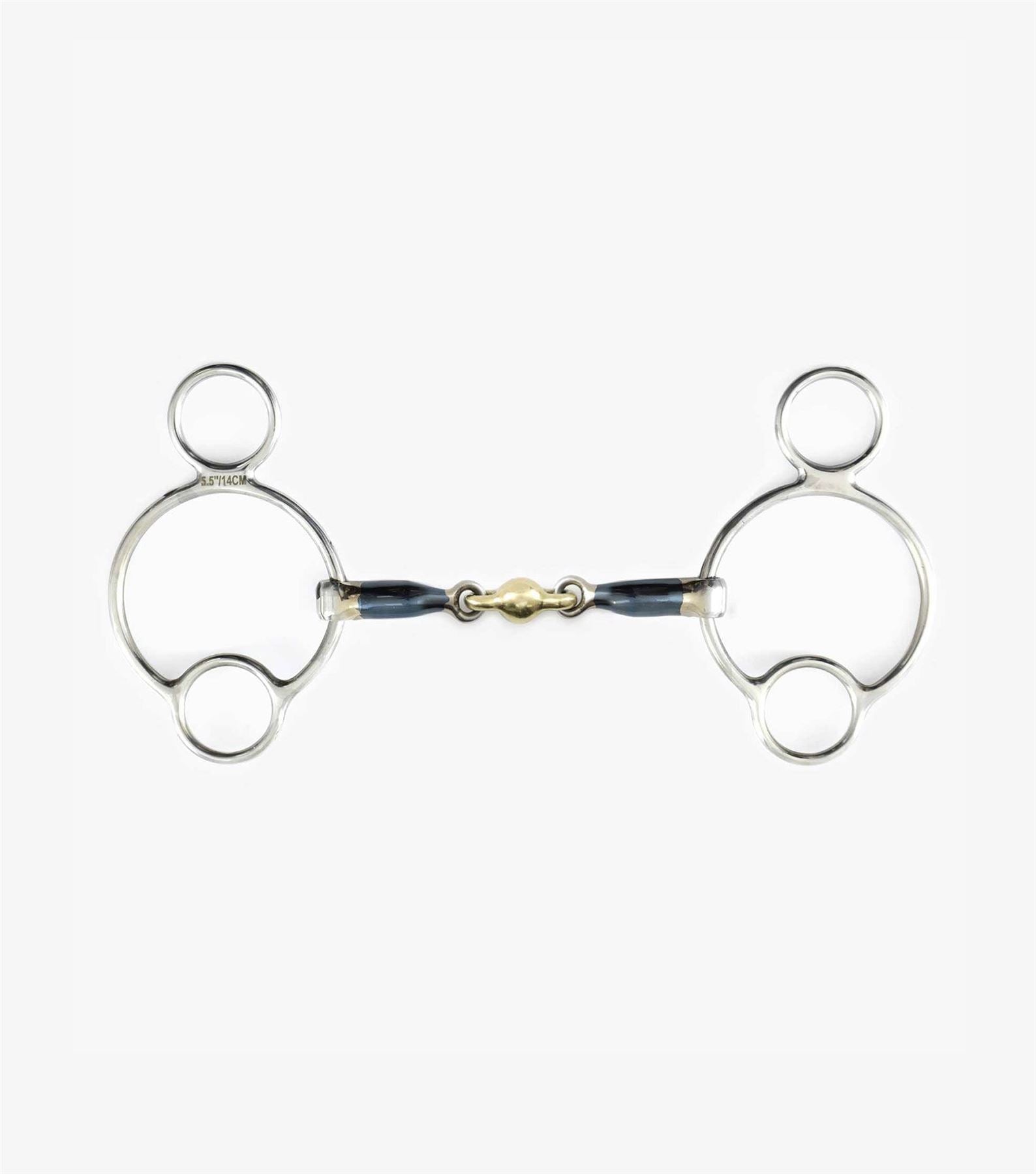
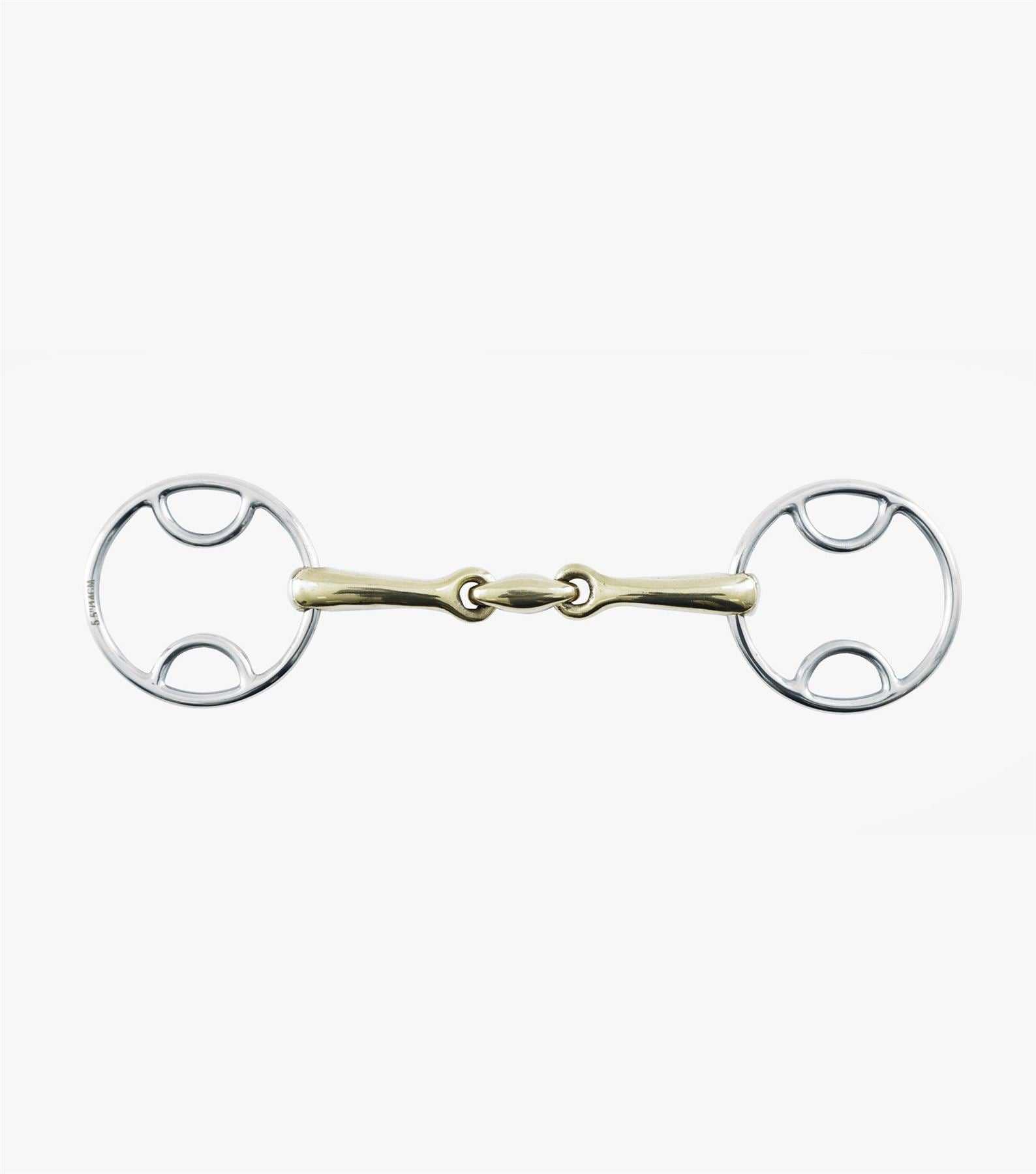
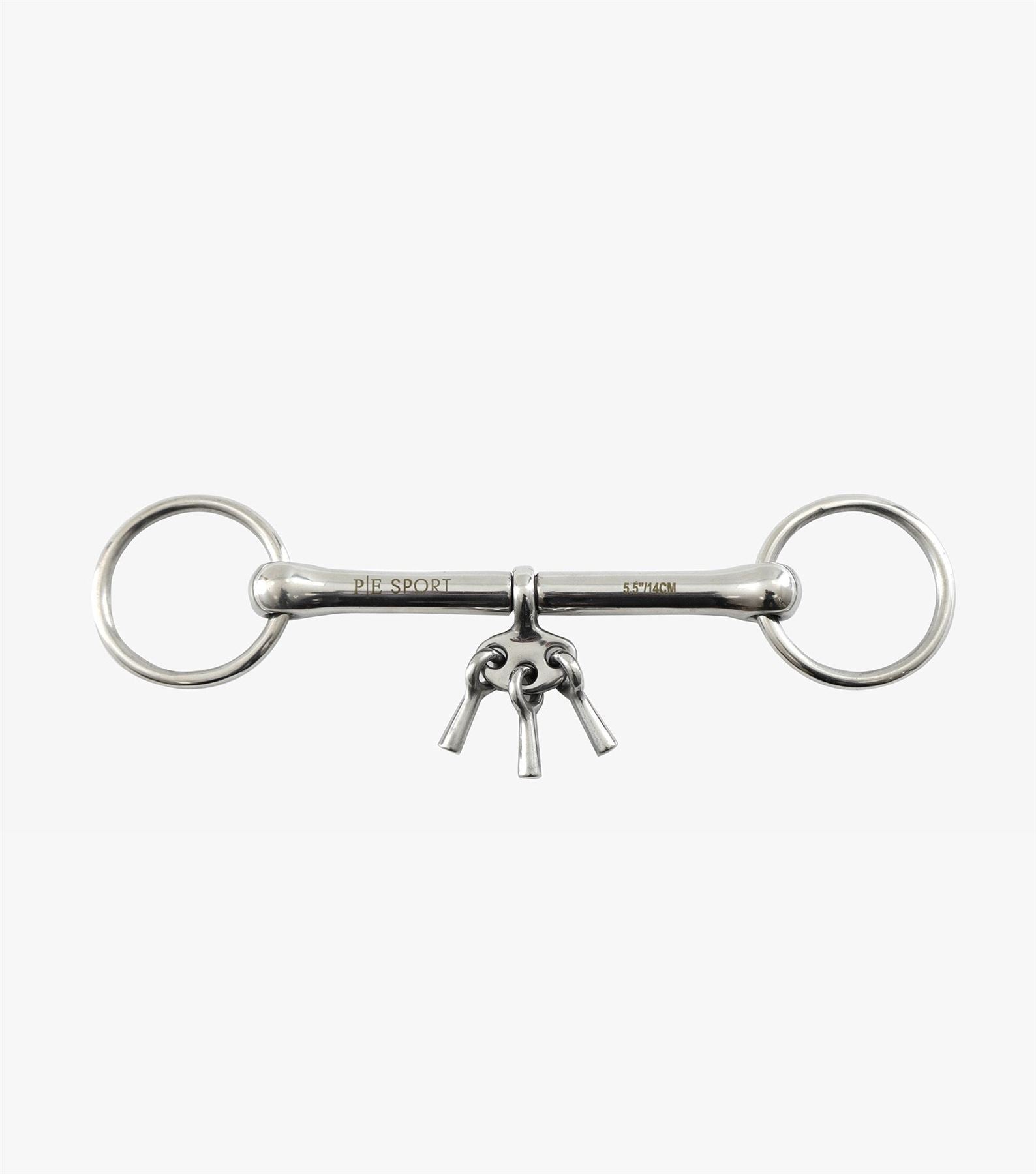

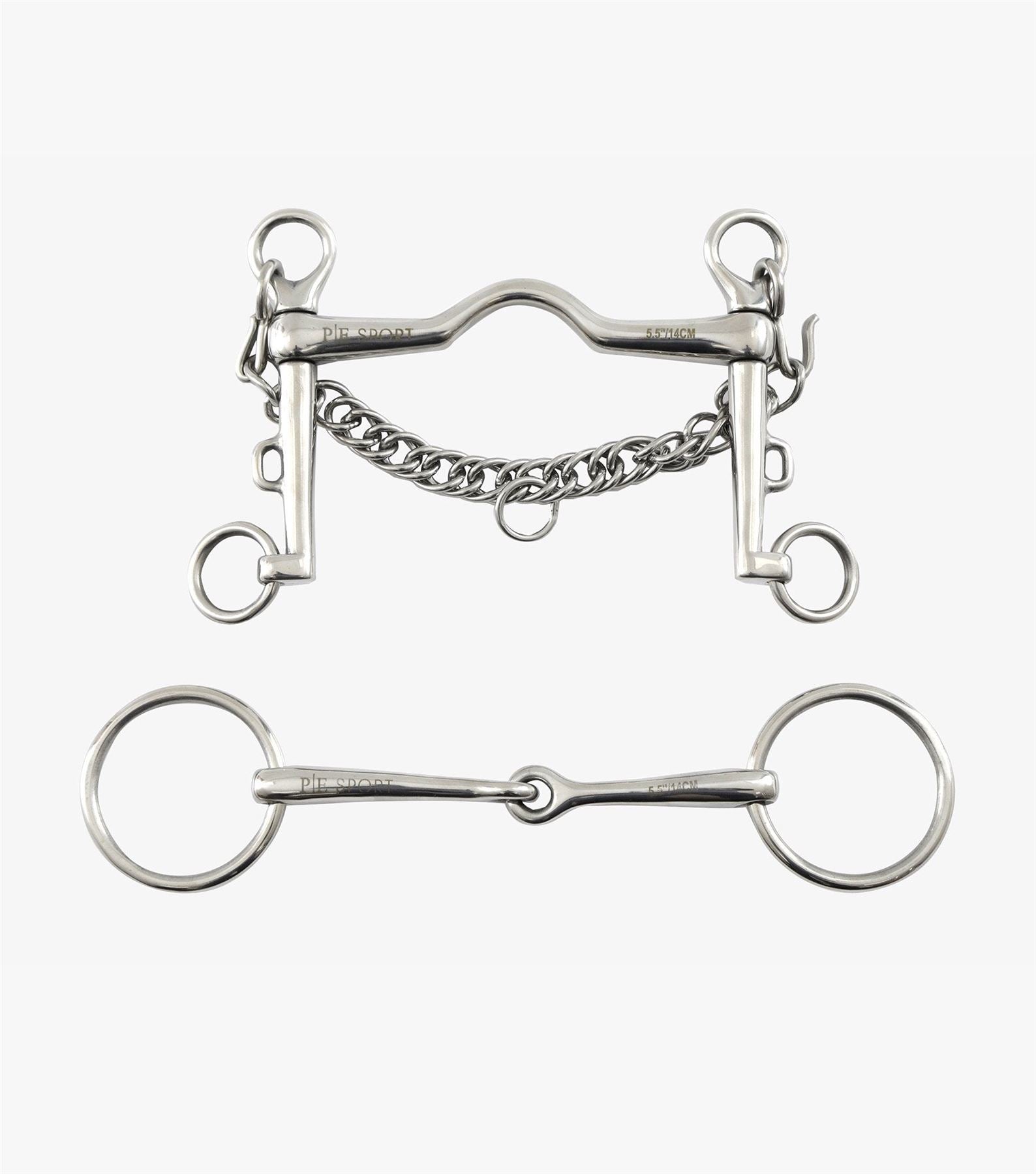
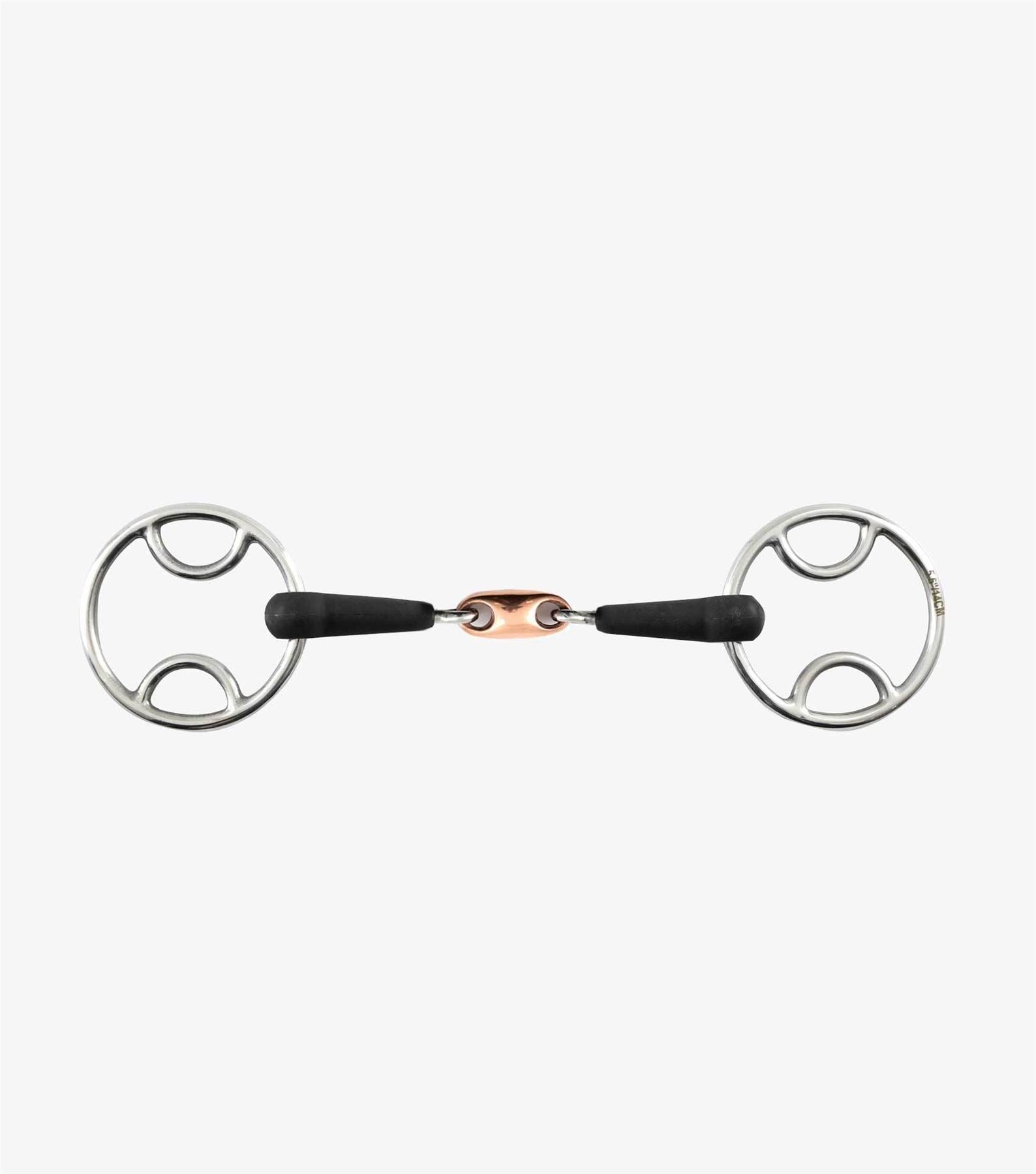
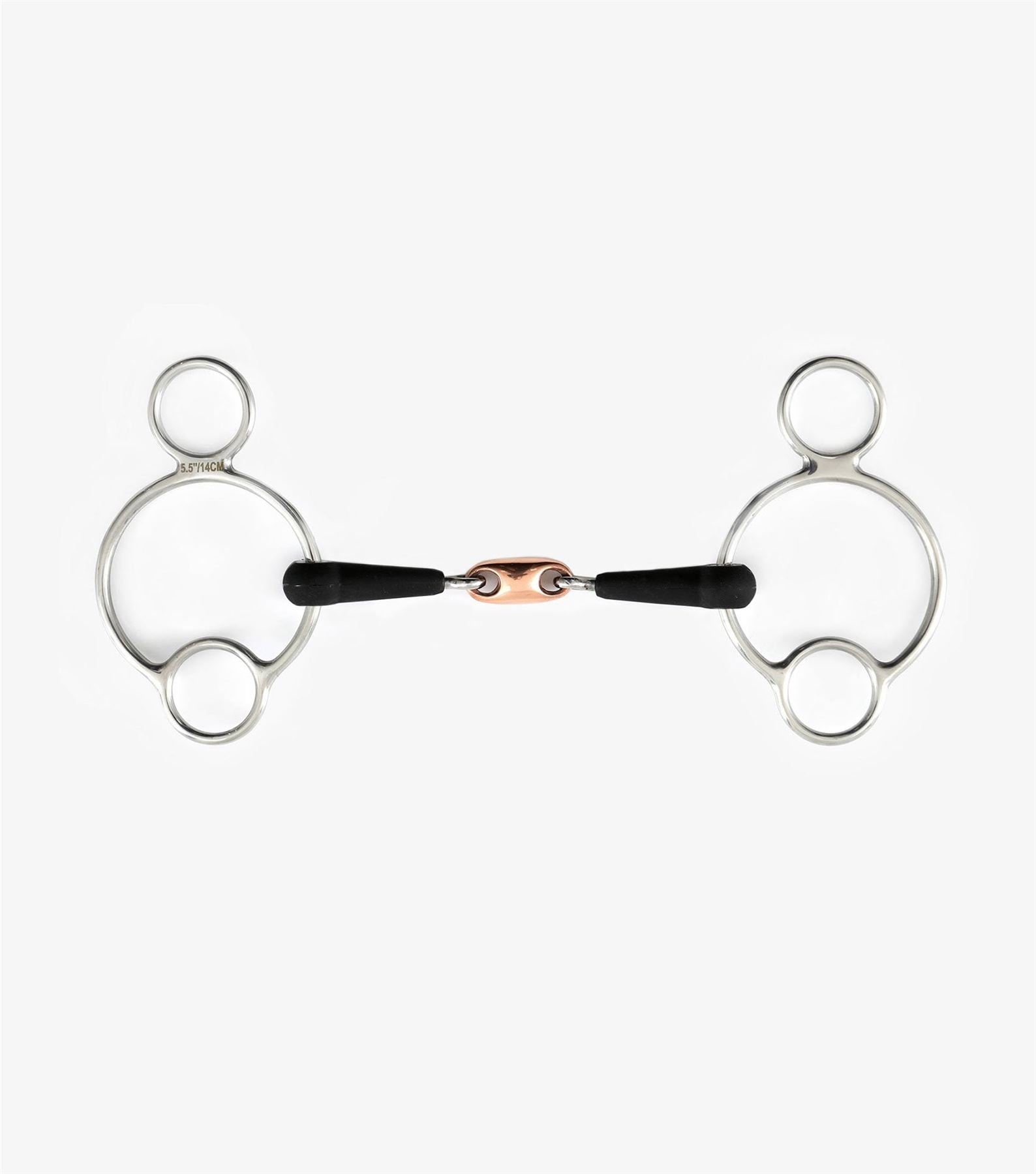
Premier Equine bits, explained in plain English
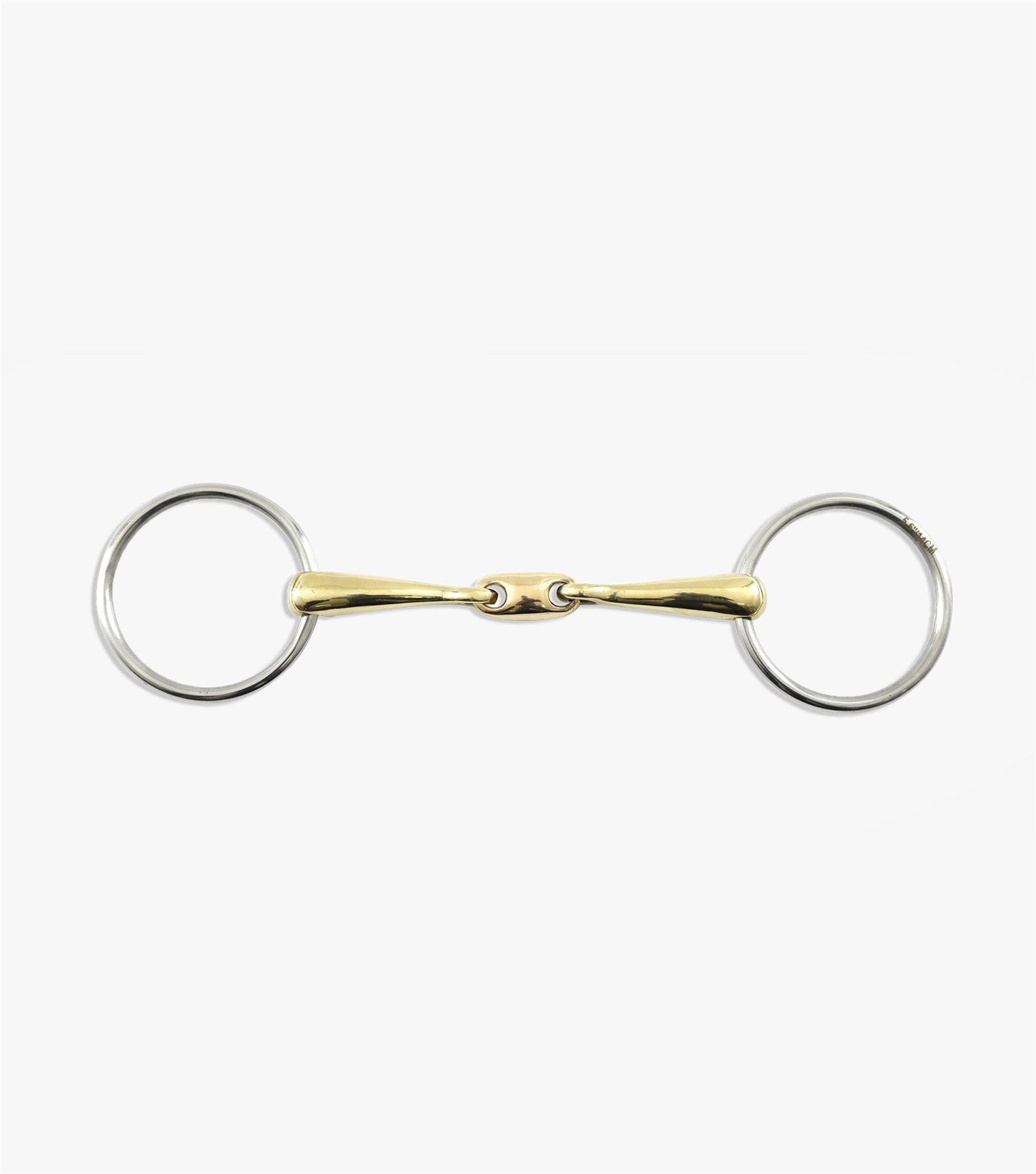
If you want a mild, everyday bit, start with the Premier Equine Jointed Rubber Bevel Bit (from £30.60) or the Rubber Bevel Bit with Lozenge (from £34.20). If your horse leans or takes hold, go to the Loose Ring Waterford Bit (from £28.80). We stock 16 Premier Equine bits here, from £28.80 to £55.80, in sizes from 4.5 inch up to 6 inch depending on the model.
In a hurry?
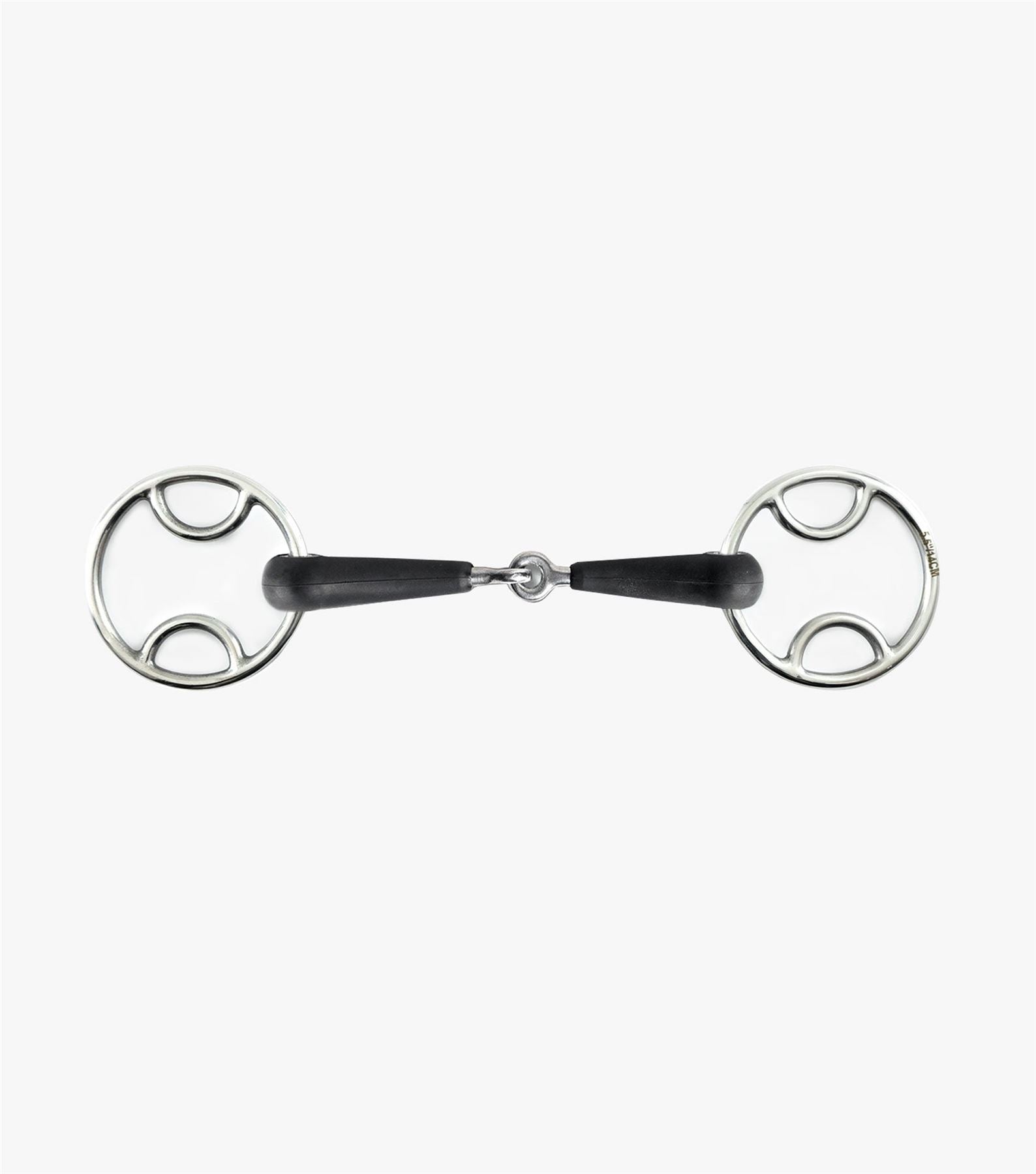
- Softest options: Jointed Rubber Bevel Bit (from £30.60), Rubber Universal Bit with Lozenge (from £32.40).
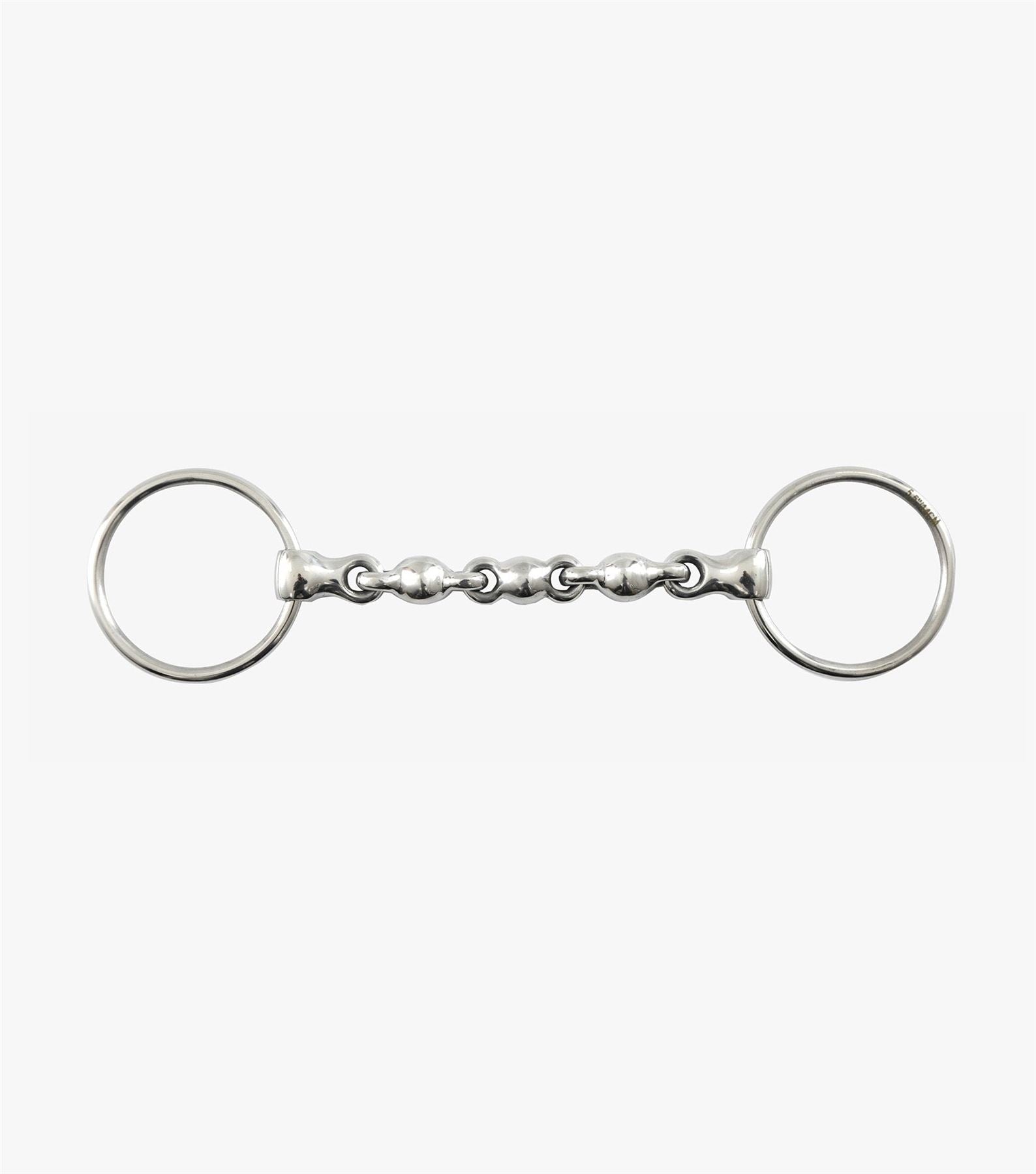
- Best value: Loose Ring Waterford Bit, from £28.80.
- Starting a youngster: Mouthing Bit with Keys (from £32.40) or Brass Alloy Training Bit with Lozenge (from £37.80).
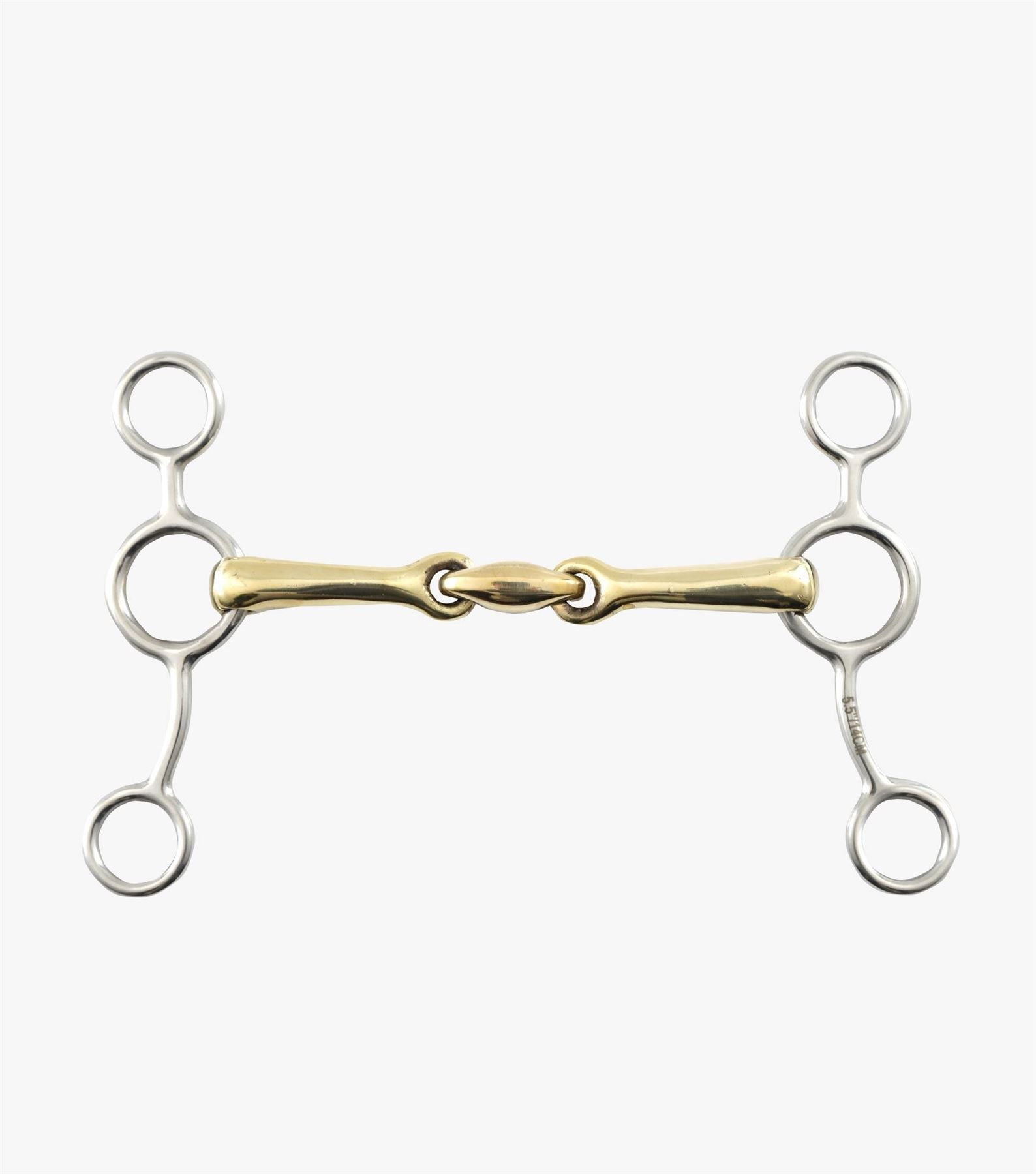
- More control for jumping and cross country: Tom Thumb Bit with Copper Lozenge, from £30.60.
- Double bridle: Port Mouth Weymouth Bit Set, from £55.80.
- Sizes: most models come in 4.5, 5 and 5.5 inch; 6 inch is available on the Full Cheek Waterford, Loose Ring Waterford, both brass alloy Tom Thumbs and the Weymouth set.
Which Premier Equine bit should I choose?
| What you need | Bit to look at | From |
|---|---|---|
| A gentle, forgiving mouthpiece for everyday schooling and hacking | Jointed Rubber Bevel Bit | £30.60 |
| Rubber comfort with a double-jointed lozenge to reduce nutcracker action | Rubber Bevel Bit with Lozenge / Rubber Universal Bit with Lozenge | £32.40 |
| A first bit for a young horse learning to accept contact | Mouthing Bit with Keys | £32.40 |
| A mild schooling bit in a warmer brass alloy | Brass Alloy Training Bit with Lozenge | £37.80 |
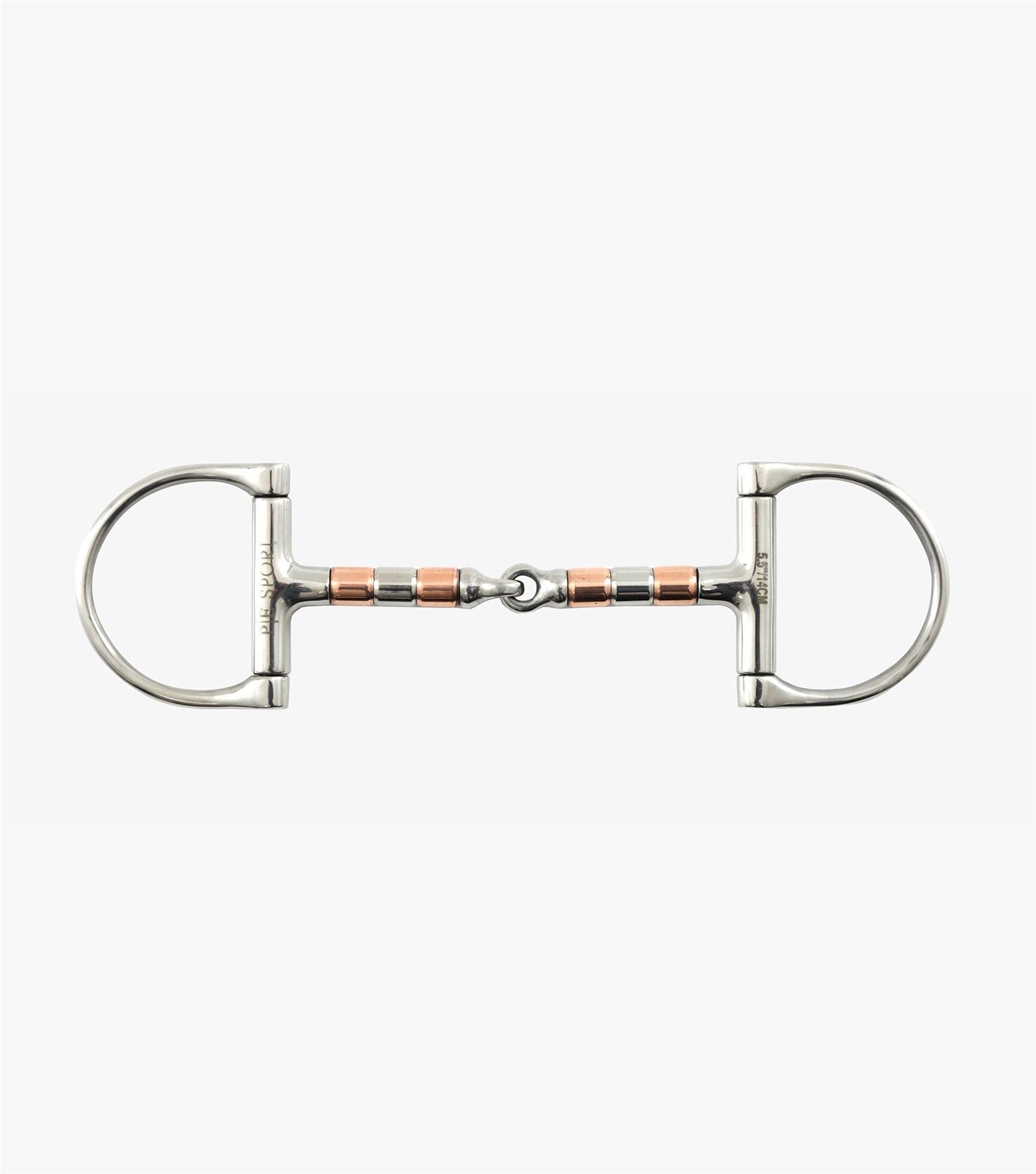
| A rolling copper mouthpiece to keep a fussy horse occupied | Copper Roller Mouth Dee Bit | £30.60 |
| A sweet iron mouthpiece for jumping and cross country | Blue Sweet Iron Bevel, Universal or Tom Thumb Bit | £34.20 |
| Extra help with a horse that leans or sets against the hand | Loose Ring Waterford Bit / Full Cheek Waterford Bit | £28.80 |
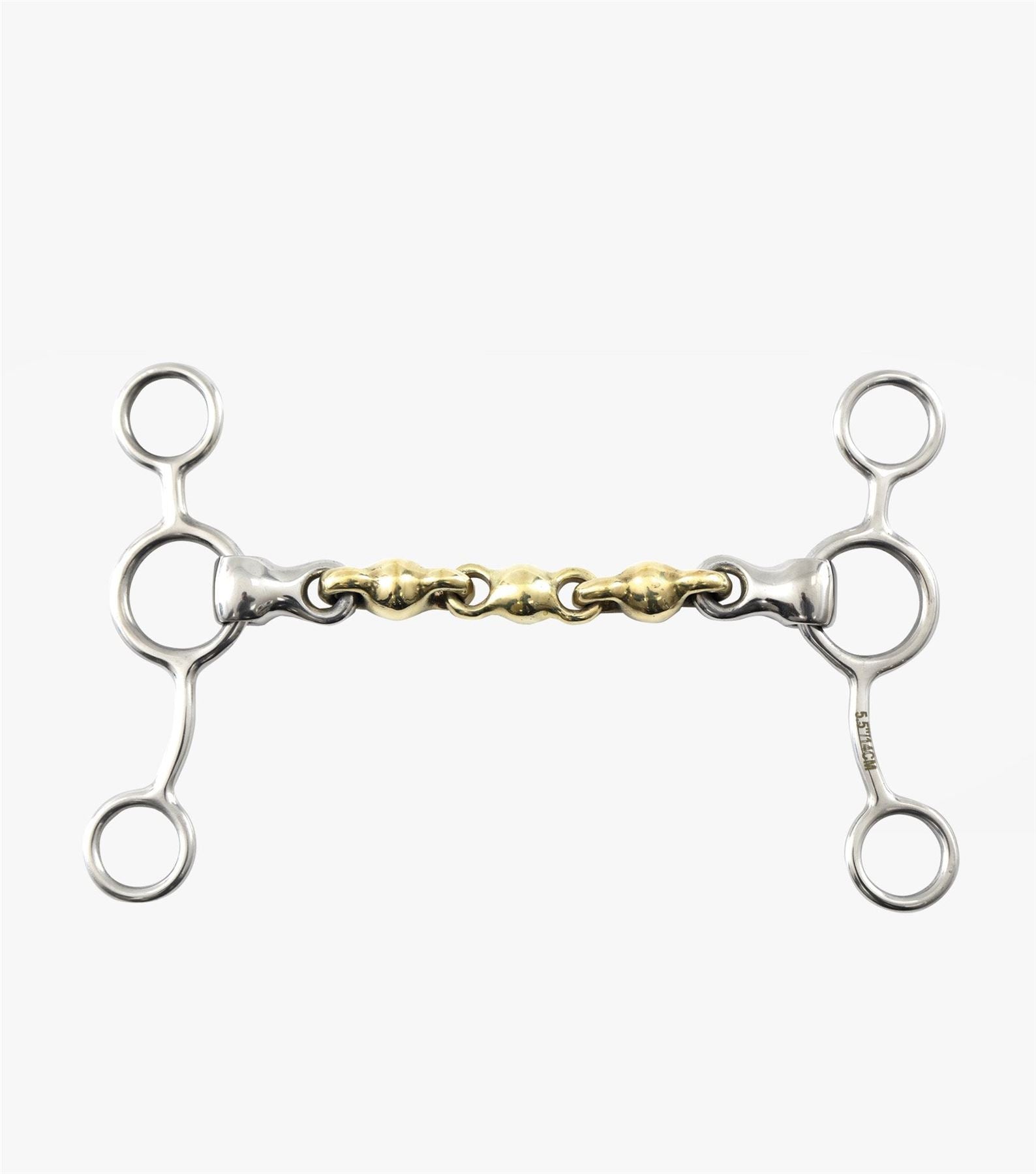
| Poll pressure with a strong mouthpiece for experienced hands | Brass Alloy Tom Thumb Bit with Waterford Mouth | £39.60 |
| A matched bradoon and curb for a double bridle | Port Mouth Weymouth Bit Set | £55.80 |
What do the different cheekpieces actually do?
Loose ring and Dee ring
A loose ring lets the mouthpiece move a little, which some horses find easier to settle on. A Dee ring, like the Copper Roller Mouth Dee Bit (from £30.60), sits more still and gives a bit more sideways guidance - handy for youngsters and for riders who want a clearer steering aid.
Full cheek
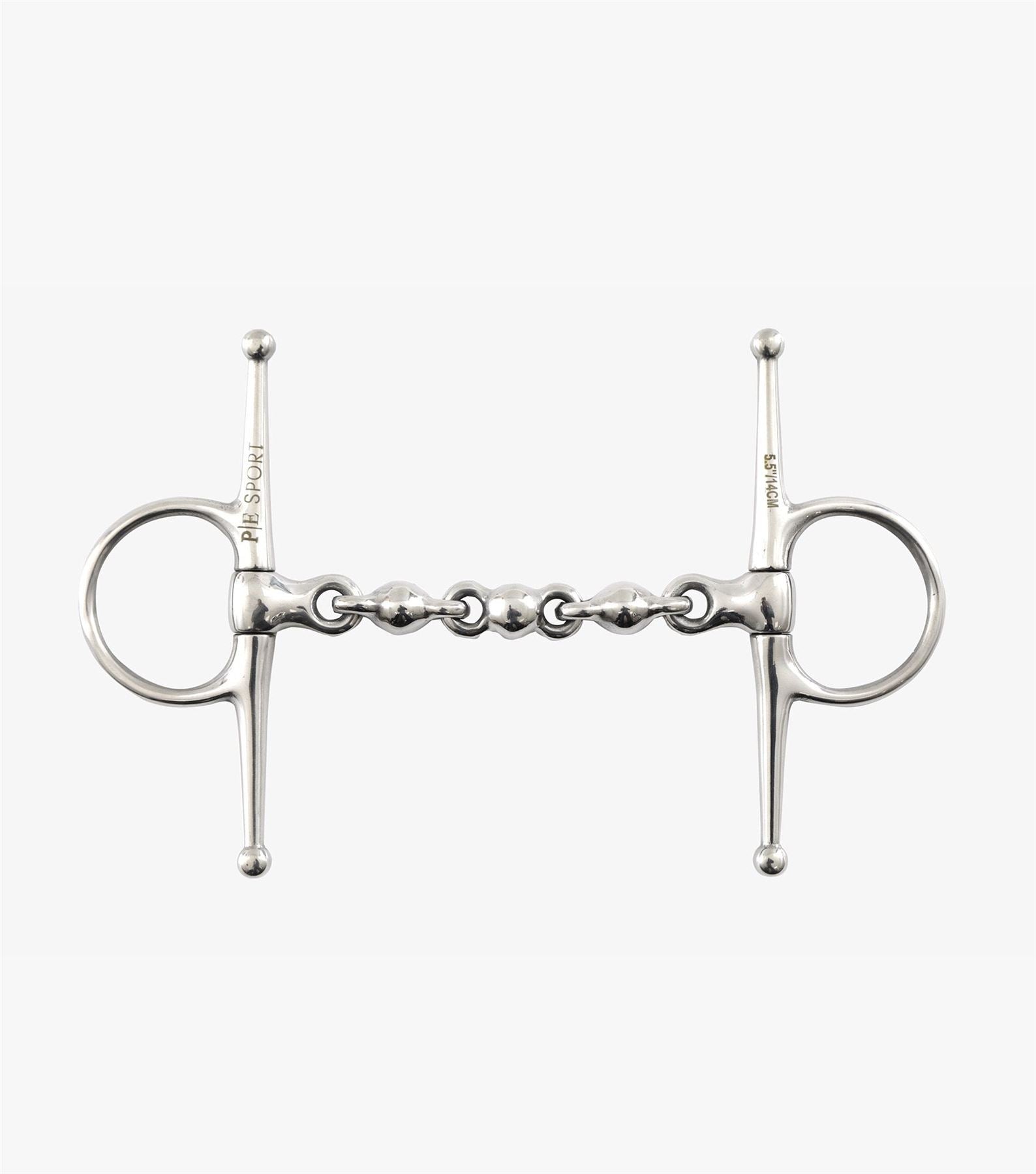
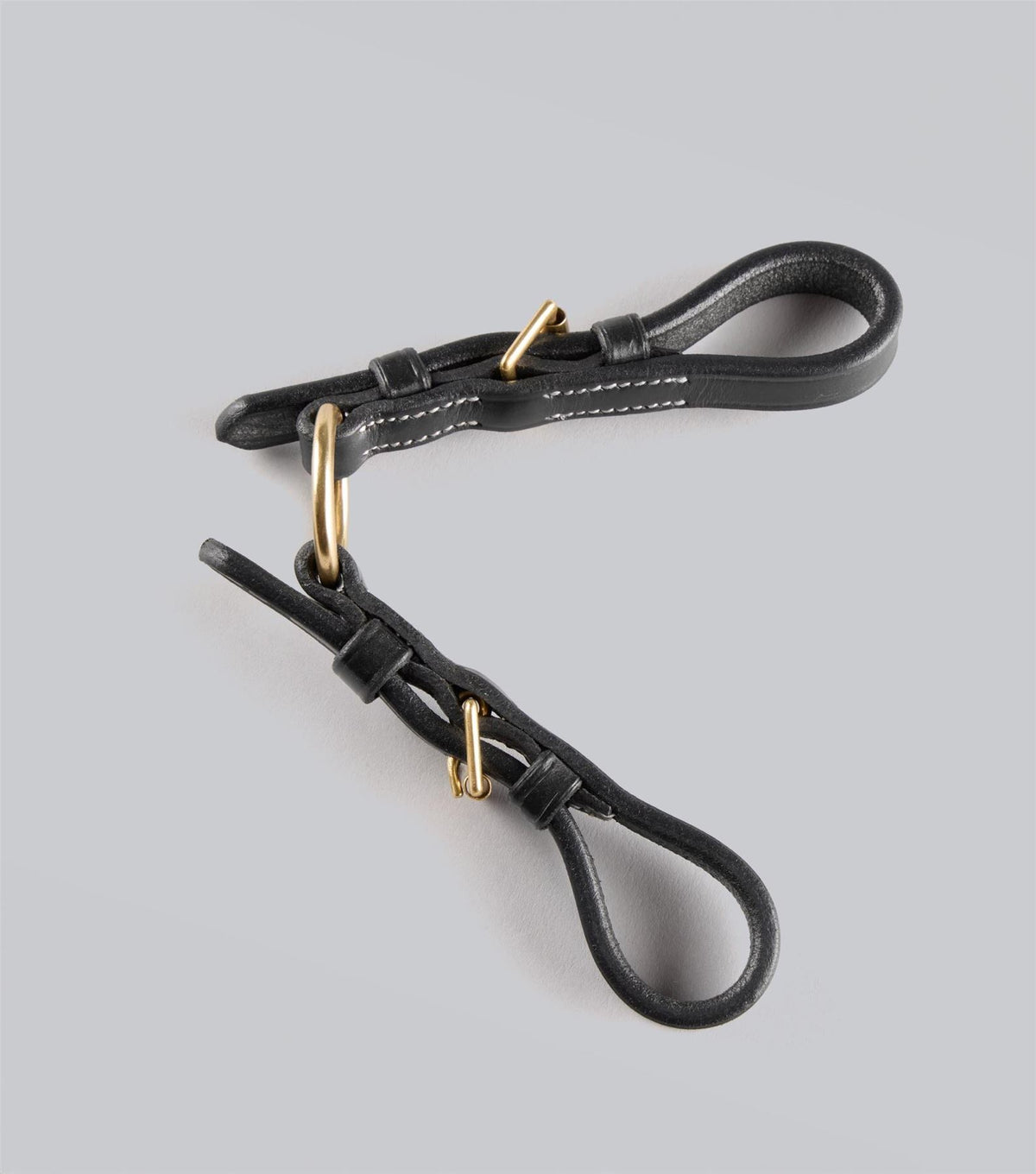
The long cheeks on the Full Cheek Waterford Bit (from £32.40) press against the side of the face when you turn, so the horse gets a very obvious steering signal. Full cheek bits are normally used with keepers to hold the top of the cheek in place.
Bevel, universal and Tom Thumb
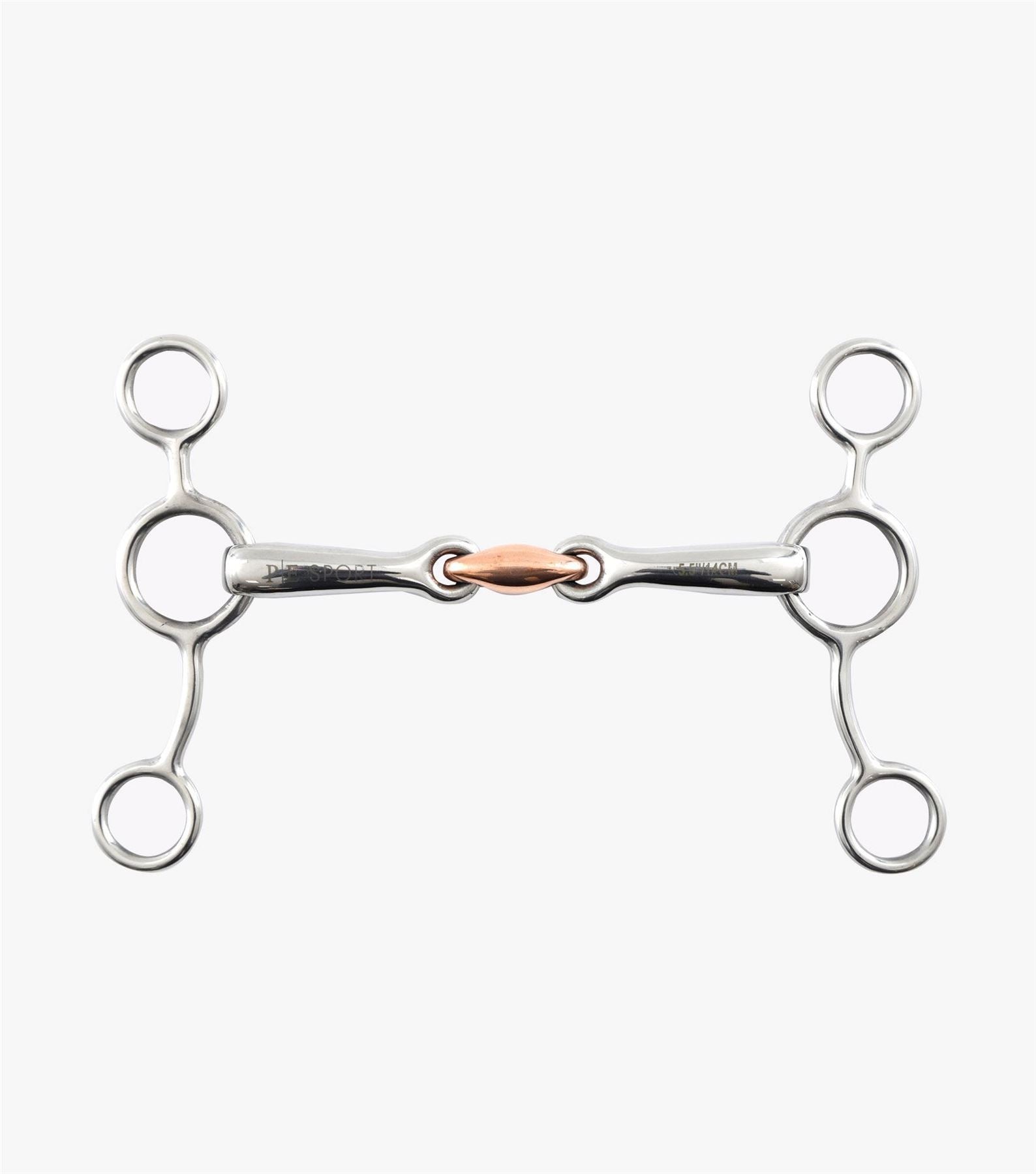
These all add a small amount of leverage. A bevel bit gives a light lift and a touch of poll pressure. A universal bit gives you more than one rein position, so you can choose how much leverage you use. A Tom Thumb, such as the Tom Thumb Bit with Copper Lozenge (from £30.60), applies poll pressure through short shanks and is usually chosen by more experienced riders.
Weymouth
The Port Mouth Weymouth Bit Set (from £55.80) is a curb and bradoon pair used in a double bridle, where two reins let you ask for slightly different things at once. It is a set-up for established, well-schooled horses and riders with independent hands.
Which mouthpiece material suits my horse?
Rubber is the softest feeling of the materials here and often suits horses with sensitive mouths or those coming back into work. Stainless steel is hard-wearing and neutral. Copper and brass alloy are warmer to the touch and are widely chosen to encourage a horse to mouth and salivate. Blue sweet iron is designed to oxidise in use, which many riders find helps a horse accept the bit more readily. None of these materials replaces correct fitting, dental care or schooling - if your horse suddenly starts resisting the bit, speak to your vet or equine dental technician before changing kit.
How do I get the size right?
Bit size is the width of the mouthpiece measured from one side to the other, inside the rings. Most Premier Equine bits in this collection come in 4.5, 5 and 5.5 inch, with 6 inch on selected models. As a rough guide, a fine-headed pony often takes 4.5 inch, an average riding horse 5 to 5.5 inch, and a large or broad-jawed horse 5.5 to 6 inch. The safest method is to measure a bit your horse already goes well in, or use a bit measurer. If you are between sizes, get in touch and our team will help.
Premier Equine bits: your questions answered
What sizes do Premier Equine bits come in?
Most bits in this collection are available in 4.5 inch, 5 inch and 5.5 inch. A 6 inch option is offered on the Full Cheek Waterford Bit, the Loose Ring Waterford Bit, both brass alloy Tom Thumb bits and the Port Mouth Weymouth Bit Set. The Loose Ring Waterford Bit starts at 5 inch. Measure across the mouthpiece of a bit that already fits your horse to check which size to order.
Which Premier Equine bit is the mildest?
The rubber-mouthed options are the gentlest feeling in this range. The Jointed Rubber Bevel Bit is from £30.60, and the Rubber Universal Bit with Lozenge is from £32.40. The Brass Alloy Training Bit with Lozenge, from £37.80, is another mild choice with a double-jointed mouthpiece. Remember that any bit is only as mild as the hands using it, so schooling and fit matter as much as the bit you pick.
What is a Waterford bit used for?
A Waterford mouthpiece is made of linked balls, so it flexes in every direction and is hard for a horse to lean on or set against. It is often chosen for horses that take a strong hold out hacking or between fences. We stock the Loose Ring Waterford Bit from £28.80 and the Full Cheek Waterford Bit from £32.40, plus the Brass Alloy Tom Thumb Bit with Waterford Mouth from £39.60 if you also want poll pressure. Waterford bits suit experienced riders with steady hands.
Why do some bits have copper, brass alloy or sweet iron?
Copper and brass alloy are warmer in the mouth than plain stainless steel and are commonly used to encourage a horse to mouth the bit and salivate, which supports a softer, more relaxed contact. Blue sweet iron is designed to oxidise with use for a similar reason. It is down to the individual horse which one they prefer, so it is worth trying more than one style if your horse is fussy in the contact.
Which bit should I start a young horse in?
The Premier Equine Mouthing Bit with Keys, from £32.40, is made for exactly this job: the keys give a young horse something to play with while they learn to accept a bit. Once they are going forward in a contact, many people move on to a mild double-jointed bit such as the Brass Alloy Training Bit with Lozenge, from £37.80, or the Copper Roller Mouth Dee Bit, from £30.60, where the Dee cheeks help with steering.
Are these bits allowed in competition?
It depends entirely on the discipline, the level and the current rule book, and those rules are updated regularly. Snaffles and Weymouth sets are widely permitted in affiliated dressage, while leverage bits such as bevel, universal and Tom Thumb styles are generally not. Always check the latest rules published by your governing body before you compete. If you tell us what you are competing in, get in touch and our team will help you narrow down the options.
Buying Premier Equine bits from Just Horse Riders
All 16 bits on this page are genuine Premier Equine, with prices from £28.80 for the Loose Ring Waterford Bit up to £55.80 for the Port Mouth Weymouth Bit Set. Not sure whether you need a bevel, a universal or a plain snaffle action? Get in touch and our team will help you work it out before you order.
Free UK delivery over £50 · 90-day returns · Expert help
Last reviewed 2026-07-24 by the Just Horse Riders team.