

Introduction
Owning a horse is akin to having a family member, albeit one that enjoys a good trot and hay more than the TV remote. With this responsibility comes the crucial decision of choosing the right insurance: should you opt for comprehensive equine insurance or is catastrophe coverage sufficient? This guide will highlight the considerations for horse owners, covering policy options, financial implications, and practical advice to make an informed decision.
Understanding Equine Insurance Options
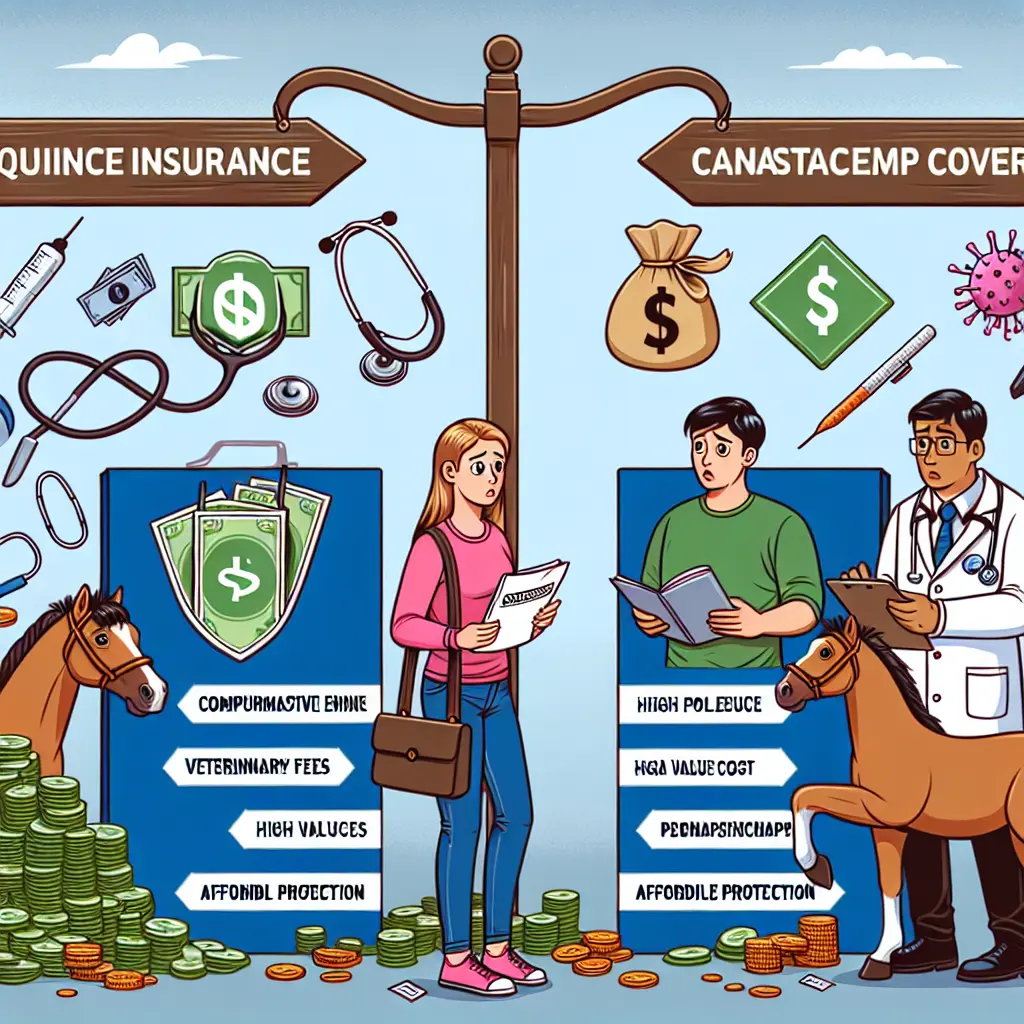
Insurance options for horses can range from all-encompassing to basic. Comprehensive equine insurance covers everything from veterinary fees and mortality to public liability and even your treasured tack. The well-rounded protection of a comprehensive policy often comes at a premium, but it might be the peace of mind you need.
On the other hand, catastrophe coverage is designed to offer financial protection in the event of major, unpredictable incidents like colic surgery or traumatic injuries with open wounds. It's an affordable option for budget-conscious owners, with premiums typically less than £500 a year.
Your Horse’s Health and Value
The health of your horse plays a significant role in determining the right type of insurance. Older horses or those with pre-existing conditions might be better suited for comprehensive coverage—for as long as the insurer will accept them. Conversely, healthy, young horses might find catastrophe coverage more than sufficient.
The value of your horse, especially if they are used for showing or competition, may also dictate the need for comprehensive coverage.

Financial Considerations
Another major factor in deciding insurance is your budget. While comprehensive insurance covers a wide array of potential problems, it’s understandably more costly. In contrast, catastrophe coverage offers limited benefits but at a lower cost, appealing to those who don't want to part with substantial premiums annually.
Coverage Details
When deciding, compare features and coverage. Comprehensive policies cover routine care, illness, accidents, and surgeries. They also offer optional add-ons like loss of use or mortality. Catastrophe coverage is limited to significant incidents, like certain surgeries, but not routine or diagnostic care.
When Does Catastrophe Coverage Make Sense?
Catastrophe coverage could be a smart choice if your horse is mostly healthy, you have a tight budget, or if exclusions in a comprehensive policy make you nervous. According to KBIS Insurance Insight, this type of coverage is specifically beneficial for unexpected, financially overwhelming emergencies.
When Should You Stick with Comprehensive Insurance?
Comprehensive insurance might be the route to take if your horse has ongoing health concerns, if they're high-value due to their competitive or breeding role, or if you desire the security blanket of having most scenarios under control.
Comprehensive coverage generally provides the peace of mind many owners seek, but the downside is the higher cost involved.
Real-Life Scenarios
Online equestrian communities often debate insurance choices, with some owners frustrated by exclusions on renewal [source]. In such cases, catastrophe coverage provides a viable alternative for maintaining some level of financial protection.
Making the Decision: A Step-by-Step Approach
- Assess Your Horse’s Health: Review past medical history and understand any existing coverage exclusions.
- Evaluate Your Budget: Consider your annual spend on insurance and unexpected events.
- Consider Your Horse’s Role: Determine if your horse's role justifies comprehensive coverage.
- Compare Policies: Look at quotes for comprehensive and catastrophe options, checking inclusions and exclusions.
- Consult Your Vet: Discuss your horse's risk factors and get recommendations.
- Insurer Reputation: Check reviews and ensure the provider is both reputable and financially secure [source].

The Bottom Line
There isn’t a single right answer. Your decision between catastrophe coverage and comprehensive insurance should be influenced by your horse’s health and role in your life, your personal finances, and your comfort with risk.
By considering these factors, you ensure your choice not only protects your equine companion but also aligns with your financial goals and peace of mind.

Call to Action
For more insights into horse ownership and the best in equine apparel, explore the extensive range of products at Just Horse Riders. Make informed decisions that ensure your equine partner is as safe and stylish as possible.