

Deciphering the Art of Shoeing: Hot vs. Cold Shoeing for Horses
In the intricate world of Equestrian Care, shoeing is a nuanced practice that can significantly impact a horse's comfort, health, and performance. Today, we delve into the key distinctions between hot shoeing and cold shoeing, and provide you with valuable insights to help identify which technique has been applied to your horse. Understanding these differences is essential for any horse enthusiast, as the right choice not only supports the horse's gait but also its overall hoof health.
Understanding Hot Shoeing
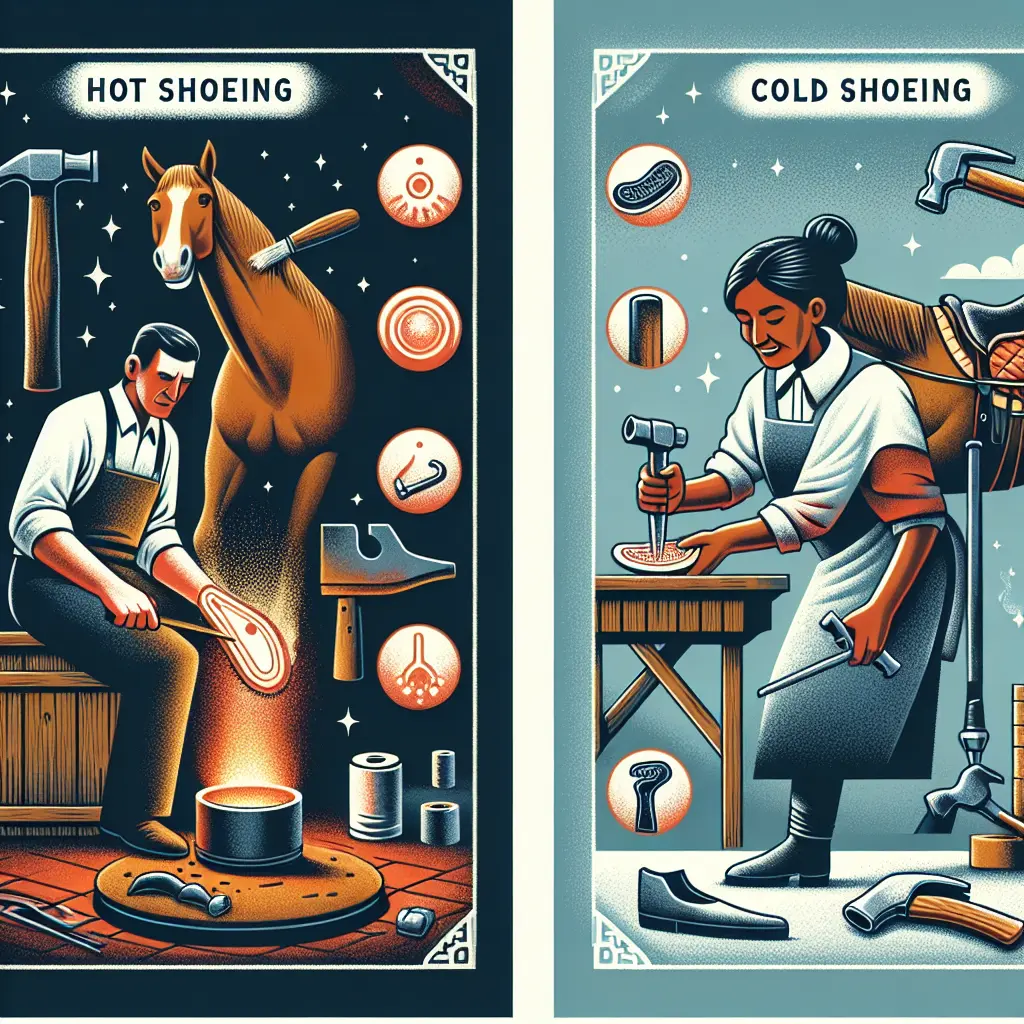
 Hot shoeing, an age-old farrier technique, involves heating the horseshoe until it achieves a malleable state. This hot steel is then shaped precisely to the horse’s hoof[source]. The heated shoe lightly burns (or 'scorches') the hoof wall, ensuring an accurate fit that matches the hoof's natural shape. Many farriers and riders favor hot shoeing for its ability to deliver a custom fit that can help correct pathological gait or stance issues.
- Benefits: Precise fit, assists with alignment and gait correction.
- Risks: Potential heat-induced hoof damage if not expertly handled.
Exploring Cold Shoeing
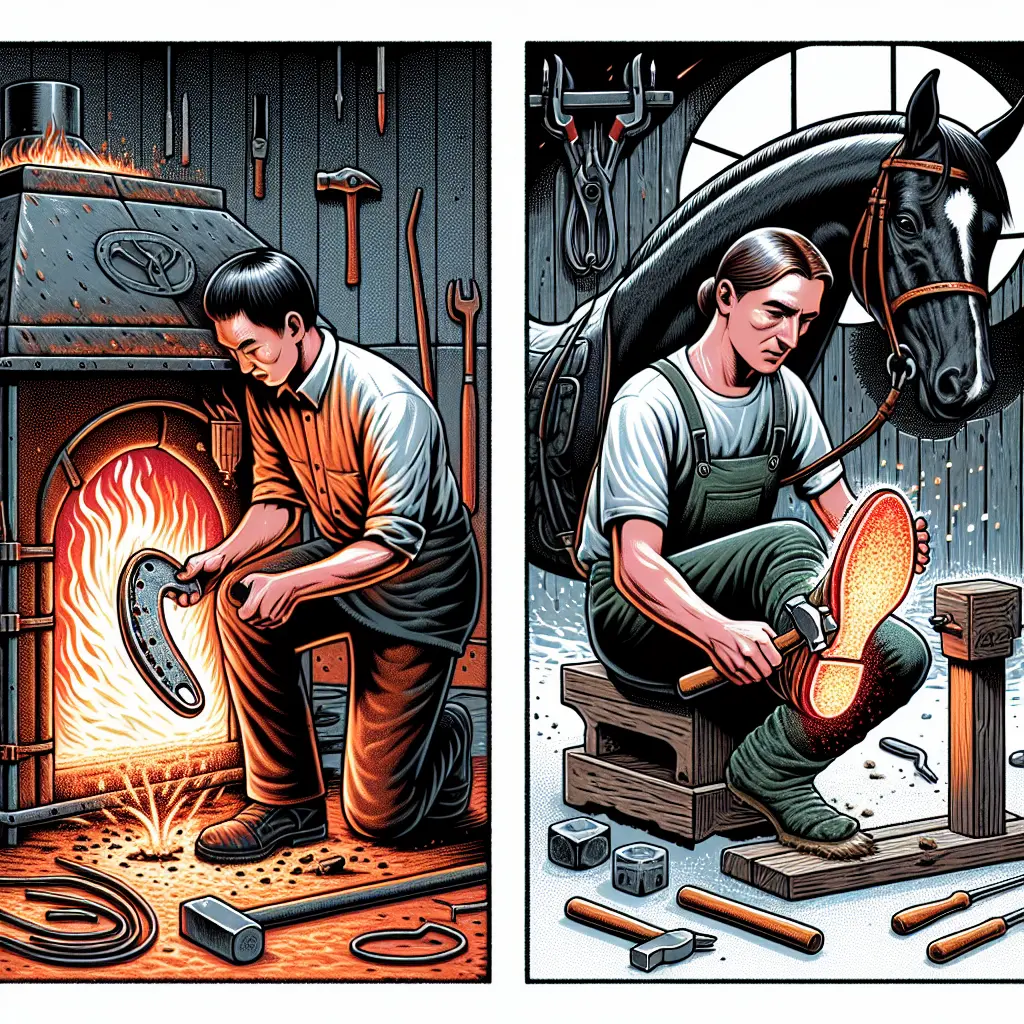 Cold shoeing bypasses the use of heat, relying on skilled rasping and hammering of both the shoe and hoof[source]. This method is better suited for situations where heat might cause discomfort or stress to the horse. While more time-consuming, it carefully manages footwear fit without the need for a forge.
- Benefits: Avoids heat stress, better for sensitive hooves.
- Risks: Less precision compared to hot shoeing, requires skilled application.
Identifying Hot vs. Cold Shoeing: Key Indicators
Distinguishing whether a horse has been hot or cold shod is pivotal for understanding their care and needs. Here’s what to look out for:
| Indicator | Hot Shoed Horse | Cold Shoed Horse |
|---|---|---|
| Hoof Wall Appearance | Visible scorch marks from hot fitting | Clean hoof wall without burns |
| Shoe Fit | Shoe conforms closely, often leaving an imprint | Fit depends on precise rasping |
Rider's Perspective: Why is the Shoe Type Important?
The shoeing method can directly influence a horse's well-being and performance:
- Comfort & Health: Hot shoeing offers a custom fit potentially enhancing comfort and correcting gait[source]. However, improper application can lead to burns. Cold shoeing is preferable for sensitive hooves.
- Farrier Skill: Hot shoeing demands high skill levels to avoid damage, while cold shoeing requires patience and precision[source].
- Durability: Contrary to myth, both techniques rely on the farrier's skill for shoe retention.
Which Method Suits Your Needs?
Choosing between hot and cold shoeing involves evaluating your horse's unique requirements and consulting with a trusted farrier. Consider the horse's sensitivity, the availability of skilled farriers in each method, and the specific needs based on hoof conformation and health.
For horse enthusiasts looking to complement their hoof care with quality equestrian products, consider exploring the Jodhpur Collection or the diverse range of Horse Riding Boots at Just Horse Riders.
Tools of the Trade: Equipment Required for Shoeing
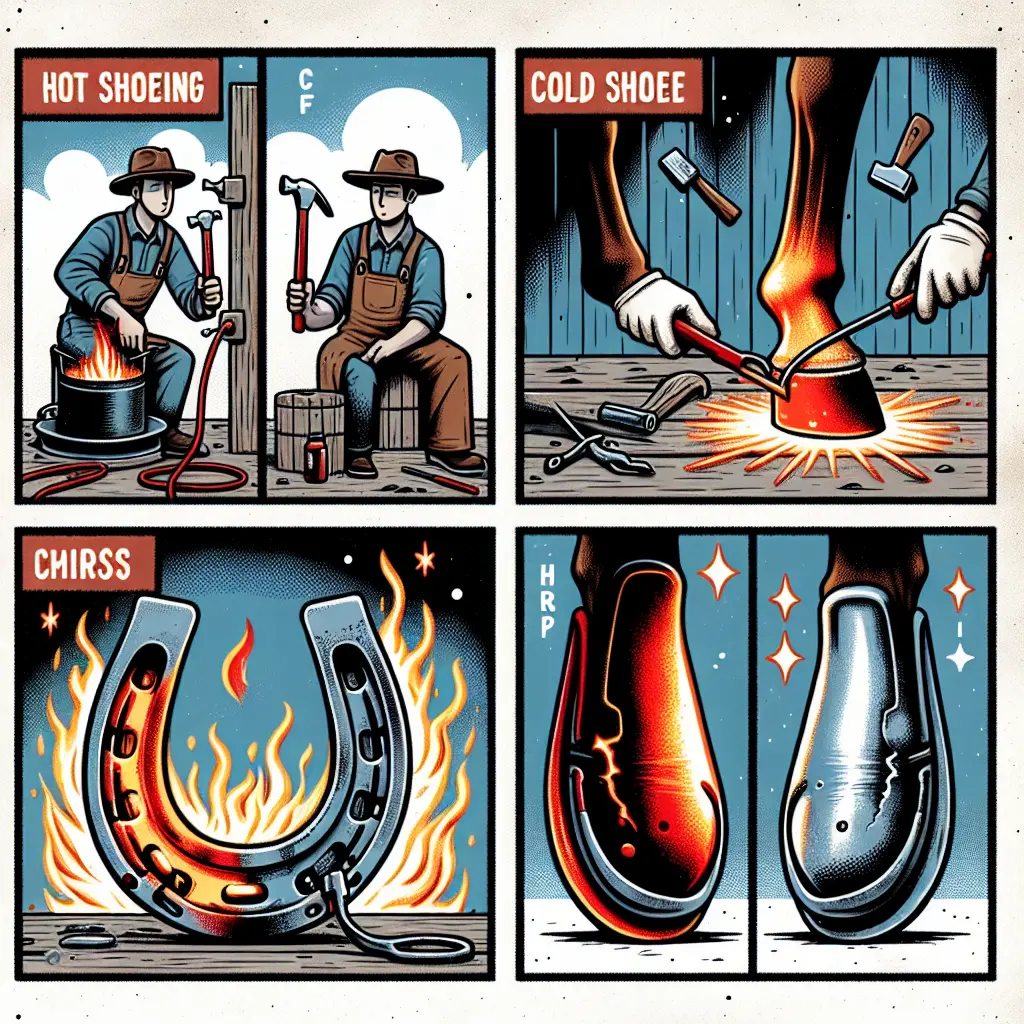 Hot shoeing involves a portable forge, tongs, and an anvil—tools that require careful handling to avoid injury. Conversely, cold shoeing utilizes hammers, rasps, and an anvil without the need for high temperatures, focusing on mechanical adjustment and shaping[source].
The Role of Farrier Expertise
Regardless of the method chosen, the farrier’s expertise is crucial. Ensuring they have extensive experience with your preferred method will safeguard the horse’s hoof health and comfort. Regular consultations and hoof assessments are recommended to adapt to the horse's changing needs over time.
Beyond Shoeing: Comprehensive Equestrian Care
Aside from shoeing, equestrian care extends to selecting the right apparel and accessories. Consider enhancing your riding experience with Horse Riding Gloves or cozy Horse Riding Socks to complement your rides.
In Summary: A Balanced Approach to Hoof Care
Recognizing the difference between hot and cold shoeing practices will significantly enhance your ability to care for your horse. From scorch marks to shoe fit, careful observation and informed dialogue with a skilled farrier will ensure your horse walks the comfortable and healthy path it deserves. At Just Horse Riders, we believe in supporting every step of your journey with our comprehensive range of horse care products. From Stable Rugs to Turnout Rugs, every product is crafted to meet the highest standards of quality and comfort, mirroring the care and precision involved in the art of shoeing.
For those eager to explore more, our Horse Fly Protection and Everyday Horse Supplements offer fantastic ways to ensure your horse remains healthy and happy.