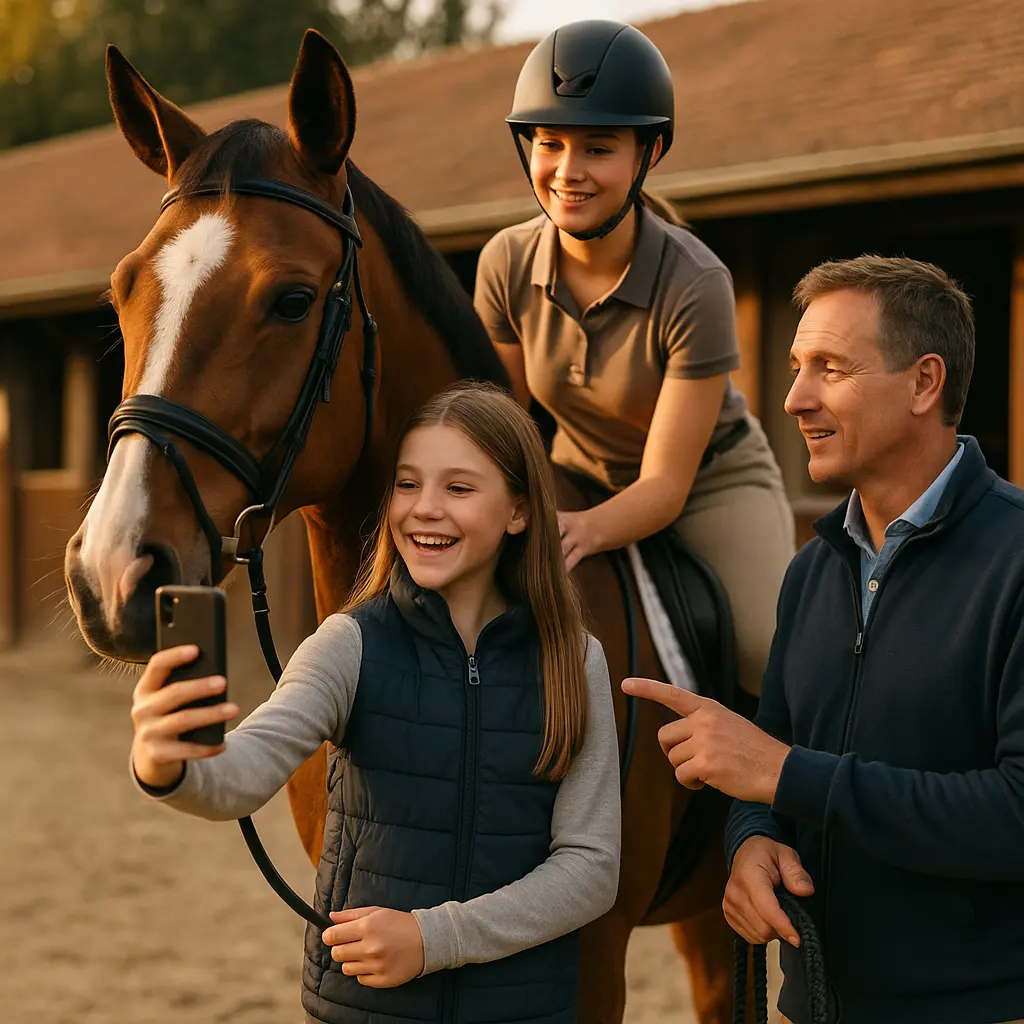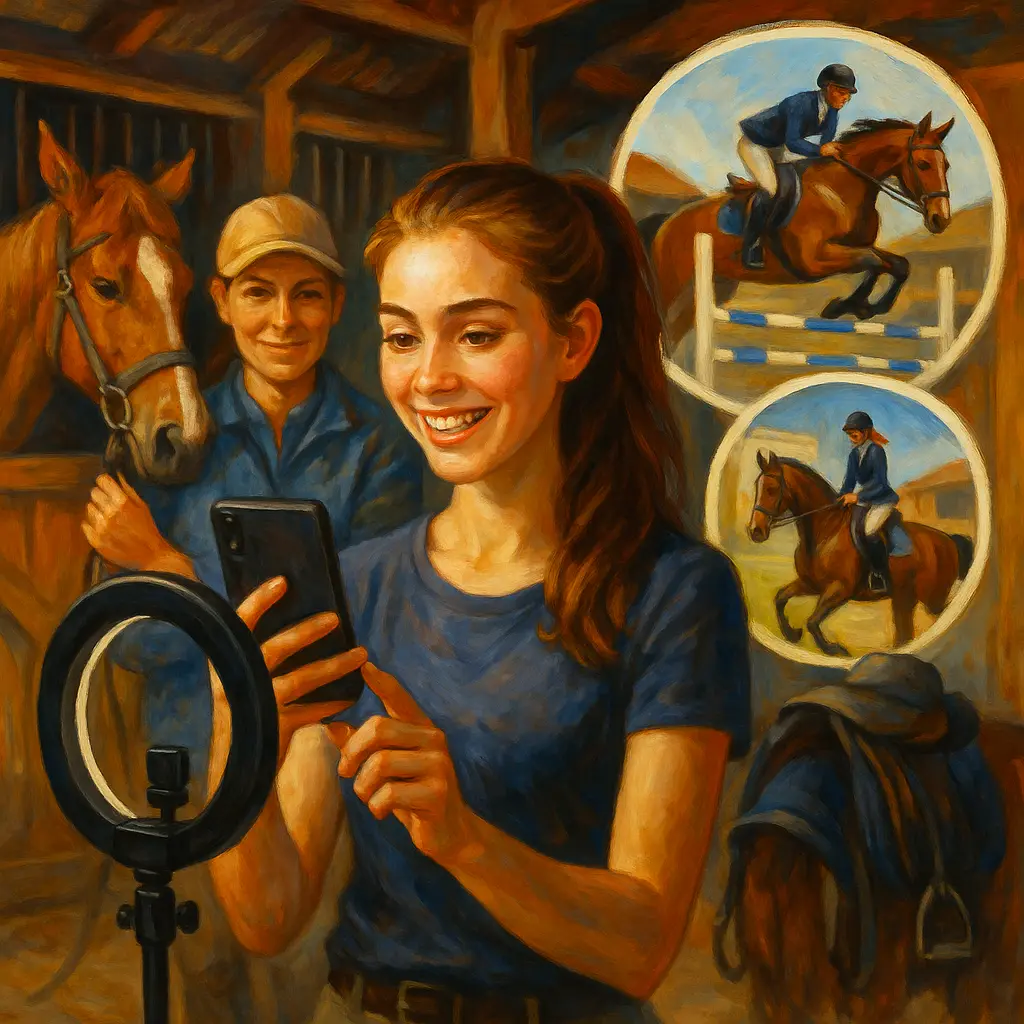
Scroll any UK equestrian feed and you’ll see it: barn tours, rug changes, matchy sets, and big-win moments. Influencers now shape how we stable, school, shop and even think about horse welfare.
Key takeaway: Equestrian influencers can be a powerful force for good when they prioritise education, ethics and welfare—so build and follow content that shows real horsemanship, not just highlights.
What equestrian influencers change about horse ownership in the UK
Influencers shape daily care and buying decisions by normalising stable culture and blending advice with advertising. UK riders increasingly learn routines, kit choices and training ideas from creators, not just coaches or magazines.
Peer-reviewed research finds equestrian creators primarily communicate about horse issues, building intimacy through a shared love of horses—and that makes endorsements feel natural and less obvious. As equestrian sports receive less mainstream media coverage than football or rugby, riders use social channels to ask questions, swap tips and debate care practices that rarely make it onto TV or into the weekend papers. In the UK, household names like Erin Williams, Esme Higgs, Scott Brash and Benjamin Atkinson have brought British riding contexts—muddy winters, show prep, yard realities—straight into our phones.
Children are also a fast-growing part of the scene. The number of child influencers on Instagram has increased by 150% in two years, many posting routines, competitions and care tips. That visibility can be brilliant for learning—but it needs guardrails to protect welfare and young riders’ confidence.
Do influencers help or harm horse welfare?
They can do both—creators raise awareness and community standards, but they also shape consumption and perceptions of the human–horse relationship, which directly affects welfare.
“Social media influencers are likely to impact followers’ perception of the human–animal relationship as well as consuming behavior and can therefore affect the welfare of horses.” — Frontiers in Sports and Active Living
This is why welfare-forward content matters. Clear demonstrations of good rugging decisions for British weather, tack fit checks, progressive training, rest days, and ethical sponsorships can nudge whole communities towards better standards. Conversely, “glitzy” portrayals that skip over setbacks, overwork or kit that substitutes for training risk normalising shortcuts at the horse’s expense. As followers, choose creators who explain the “why,” cite qualified voices (e.g., BHS, BEVA), and show their horses relaxed, sound, and progressing over months—not just minutes.
How social media impacts young riders’ confidence
Self-esteem in young equestrians tends to decline from around age 10, and glossy, perfection-focused feeds can make it worse; balancing highlights with behind-the-scenes work helps retention and wellbeing.
Research shows that “glitzy” content often excludes the graft—mud, early mornings, napping ponies, rehabs, and the inevitability of rails down or refusals. That edit can make normal training days look like failure, especially for juniors measuring themselves against curated reels. The fix is straightforward:
- Share the mess and the method: from saddle checks to groundwork resets after a sticky ride.
- Set skill-based goals, not follower goals: e.g., three calm transitions per rein, a softer halt, one new pole pattern.
- Use captions to explain the plan: what you tried, what didn’t work, what you’ll do next session.
- Parents and coaches: curate feeds and celebrate process, not just placings.
For creators, this builds credibility; for young riders, it keeps the sport sticky when the going gets tough.

Who are the most influential voices—coaches or creators?
In the UK, qualified coaches remain the most trusted source for horsemanship and welfare, while creators amplify reach and culture; the best outcomes come when both work together.
“Coaches offer a vital source of counsel and are key influencers within the equestrian community and, therefore, should be considered [in welfare discussions].” — International Journal of Equine Science
British Horse Society Fellows and UKCC Level 4 coaches emphasise individual responsibility in training choices—timely rest, progressive loading, and tack that truly fits. Creators can then turn that expertise into accessible Reels and Stories that reach thousands of everyday owners. As a follower, look for creators who collaborate with qualified coaches, cite evidence, and welcome questions. As a creator, bring a coach into your content calendar—monthly Q&As, form checks, or a mini-series on contact, straightness, or load management.
A simple content plan UK riders can use today
Focus on value over volume: educate, inspire and connect; set one clear monthly goal and deliver it via Reels and Stories using UK-relevant hashtags.
Here’s a three-part plan you can rinse and repeat:
-
Education (1–2 Reels/week): Demonstrate care tasks you already do. Examples:
- “Rug switch logic” for a British cold snap, showing when you pick a lightweight versus a medium turnout, linking to thoughtful options in winter turnout rugs.
- Daily hoof checks, muddy-heel management and brush choices, pointing to durable tools from our grooming collection.
- Safety check: fit your hat before a hack, with a nod to certified options in riding helmets.
- Inspiration (1 post/week): Track training progress with evidence (short clips, same exercise, two-week intervals). Celebrate small wins: straighter centre lines, a quieter downward transition, a calmer warm-up in wind and rain.
- Connection (Stories 3–5x/week): Q&As, polls (“What rug temp today?”), yard life snapshots, sponsor BTS, and links to welfare resources or coach tips.
Set a single metric per month: “Grow UK reach by 20% via #ukhorseriders #britishequestrian,” or “Drive 200 clicks to a welfare checklist.” Engage sponsor posts with real feedback and analytics screenshots to demonstrate partnership value, as social strategist Kerri McGregor notes: social platforms can “increase online sales or drive potential clients to a bricks-and-mortar business” (Horse Journals).
Pro tip: Film in batches after muck-out while the yard is quiet; script your first sentence—it’s the hook.
Show the graft, not just the glitter
Balance competition highlights with the prep, the problems and the safety choices that got you there; this protects young riders’ expectations and builds audience trust.
Here’s what that looks like in practice:
- Safety-first prep: Share hat checks, hairnets and glove choices before you mount. Tag your trusted kit and point viewers to certified riding helmets and practical competition clothing.
- Weather honesty: UK wind and sideways rain? Show how you warm up shorter, add walk breaks, and keep your horse dry with sensible layers—then explain the decision. Viewers value why you reached for a specific turnout rug that day.
- Chores and care: Hoof-pick reels, grooming routines, and post-hack wash-downs make ethics visible and demystify stable life. Link to reliable tools in our grooming range.
- Junior-friendly reality: If your audience includes pony parents, mix in fit-for-purpose kit like sticky-seat breeches from our children’s jodhpurs & breeches, and explain how you set age-appropriate goals.
- Setbacks have value: A run-out? A tense test? Post the clip, add slow-mo, circle what changed and share the fix for next time.
Quick tip: End every BTS reel with one lesson learned—your saveable content rate will climb.
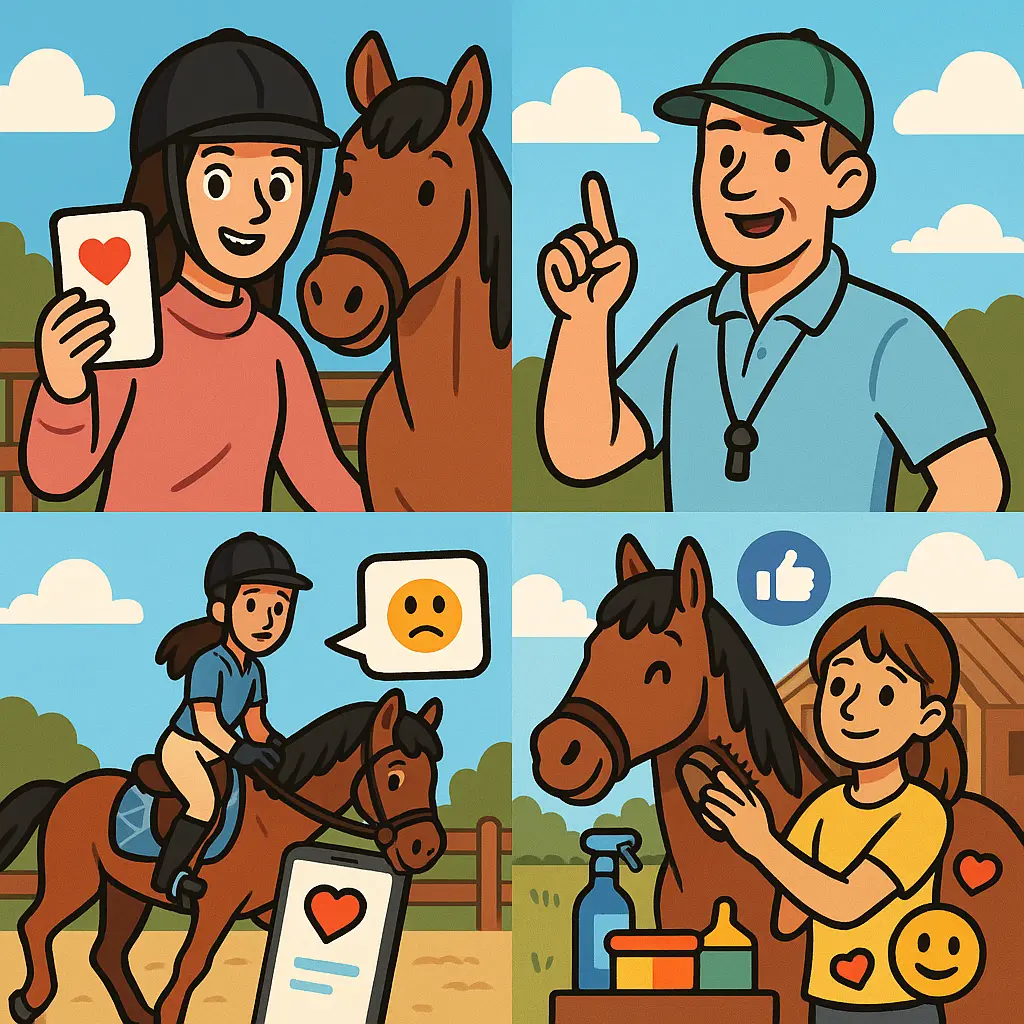
Be transparent: ethics, welfare and sponsorships
Explain your training approach, welfare standards and paid partnerships openly to build trust and model best practice for your community.
Audiences care how you school, rest and feed. Spell out your principles—progressive loading, vet collaboration, dental checks, saddle fit, positive reinforcement—and show them in action. If you promote feeds or supplements, anchor your recommendation in observed outcomes, vet advice where appropriate, and clear husbandry basics (forage first, clean water, turnout where possible). When you do partner content, mark it clearly and state why you chose that brand.
UK riders respect creators who reference established bodies like the British Horse Society (BHS) and the British Equine Veterinary Association (BEVA) when discussing welfare. That doesn’t mean every post becomes a lecture—just that your audience knows your compass. Our take at Just Horse Riders: if you wouldn’t use it on your own horse, don’t post it for someone else’s.
Welfare-first kit that educates your audience
Choose kit that solves real horse needs and turns into teachable moments on your feed.
- Weather-ready rugs: Make an explainer on when you swap weights, how you check shoulder freedom and wither clearance, and why fit trumps fashion. Reference options in our turnout rugs to illustrate features without over-rugging.
- Daily care tools: Build a “five-minute field return” routine—pick feet, check legs, quick brush to lift sweat and mud. Tag durable pieces from our grooming collection to show what each brush does and why.
- Nutrition with nuance: If you discuss supplements, start with forage, body condition scoring and workload, then explain why a specific category may help in your case. Link to thoughtfully chosen options in our supplements range and encourage riders to consult a qualified professional.
- Safety in the saddle and on the road: Model hat checks every time you ride and include a dusk hack reel with your favourite hi-vis rider gear so drivers spot you sooner on narrow lanes.
- Show-day reality: Pack-with-me posts are gold—list spares, stud kit, chill-out routine, and a quick warm-up plan. Comfortable, ring-legal looks from our women’s competition clothing help riders see how you balance polish with practicality.
- Junior kit that works: If you coach or parent, share fit checks and comfort tests using pieces from our children’s jodhpurs & breeches so kids move freely and focus on learning.
At Just Horse Riders, we recommend filming kit explainers around real decisions—“why this rug, today”—so followers learn to assess their own horse, not just copy yours.
Quick tip: Add weather context in captions (e.g., 6°C with wind/rain) when posting rug or warm-up choices—UK riders will thank you.
FAQs
Do equestrian influencers promote horse welfare or mainly advertising?
Both appear—but the best creators lead with horse-centred content, explain decisions and declare partnerships. Research shows their intimacy with followers makes ads feel natural, so stay critical and prioritise accounts that elevate welfare. See the peer-reviewed analysis in Frontiers in Sports and Active Living.
How does social media affect young UK riders’ mental health?
Self-esteem tends to drop from about age 10 and is worsened by perfection-heavy feeds. Balance this with behind-the-scenes posts showing the work, setbacks and problem-solving that lead to progress.
Can influencers meaningfully benefit the equestrian community?
Yes—by normalising welfare-first routines, signposting safety and charity causes, and partnering responsibly on care education. Child creators can be powerful advocates when adults support ethical, transparent content.
Are coaches more influential than social media stars in UK equestrianism?
For horsemanship and welfare, qualified coaches are pivotal; creators excel at reach and culture. The strongest outcomes happen when coaches and creators collaborate for accessible, evidence-informed content (International Journal of Equine Science).
What content works best for UK equestrian audiences?
Educational Reels, realistic progress stories, and transparent welfare practices. Use Stories for quick routines, add UK-relevant hashtags, and keep captions practical. Include safety cues (e.g., fit checks, helmet use) to model good practice.
How should I set social media goals as a rider or small yard?
Pick one monthly target—reach, saves, or clicks to a welfare resource—and build a three-part plan: educate (Reels), inspire (progress posts), connect (Q&As). Engage sponsor posts to show partnership value, as advised by social strategist Kerri McGregor (Horse Journals).
What products are easiest to turn into educational content?
Rugs during UK weather swings (turnout rugs), daily care tools (grooming kits), safety kit (helmets, hi-vis), and junior basics (children’s jodhpurs). Always explain the why behind each choice.
Ready to make your feed a force for good? Start with one welfare-first Reel this week, tag your coach for input, and show the decision-making your horse deserves.