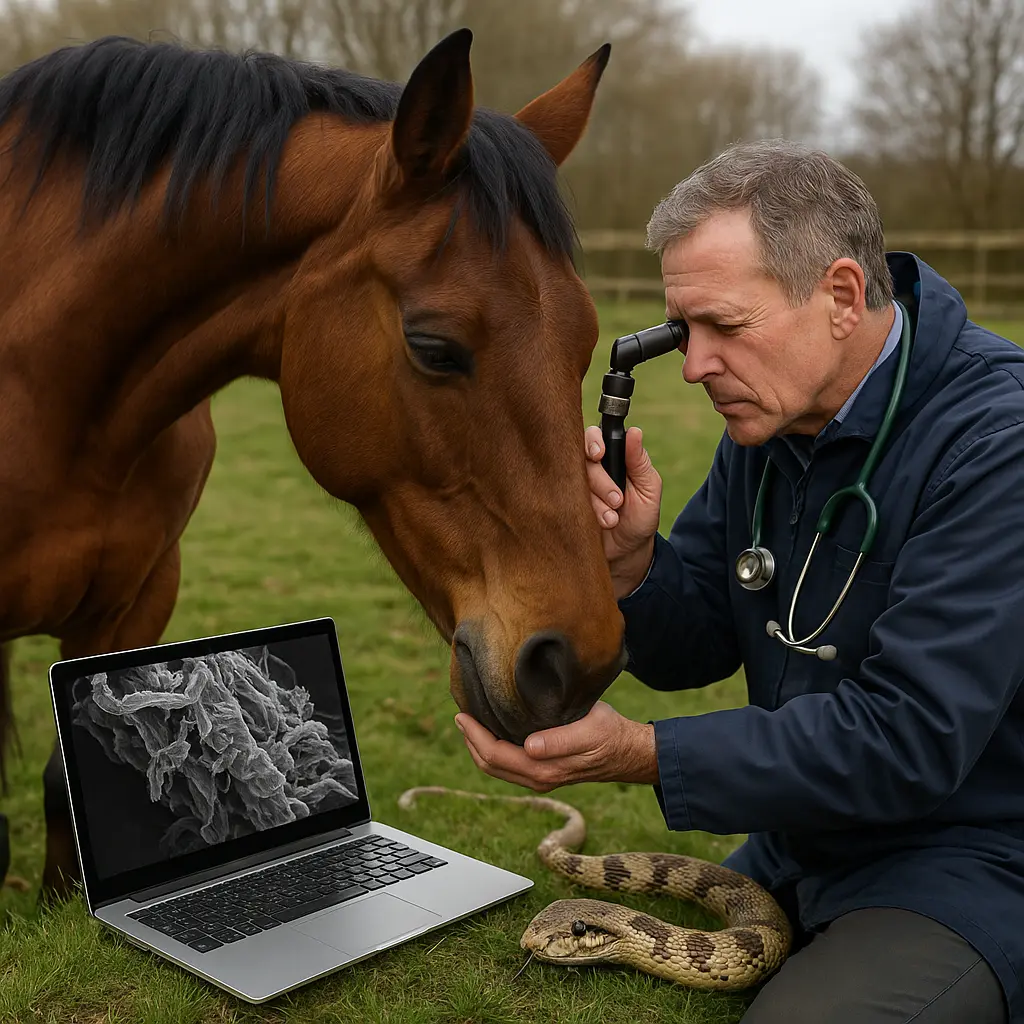
For over a century, equine grass sickness (EGS) has devastated UK yards without a clear cause. That changed with a 2025 research breakthrough that finally points to a specific toxin and a path towards better diagnosis and treatment.
Key takeaway: Researchers have identified a neurotoxic enzyme called phospholipase A2 (similar to snake venom toxins) as the probable cause of EGS, guiding smarter prevention now and opening doors to future treatments.
What causes equine grass sickness?
In 2025, researchers identified the neurotoxic enzyme phospholipase A2 (PLA2) as the probable cause of equine grass sickness. The toxin is likely produced by microbes (bacteria or fungi) growing on pasture during the cold, dry weather that often precedes UK cases.
This discovery comes from a collaboration between the University of Edinburgh’s Dick Vet Equine Hospital, Newcastle University, Istituto Zooprofilattico Sperimentale delle Venezie, and the University of Padova, published in Equine Veterinary Journal. Using electron microscopy, the team found distinctive damage to neuromuscular junctions in affected horses — a “toxin signature” that points strongly to PLA2, which acts in a way comparable to certain snake venom toxins. Notably, this contradicts the previous leading hypothesis that EGS is a form of botulism. The same neurotoxic mechanism is also implicated in dysautonomias in other species, including cats, dogs, hares, rabbits, llamas, alpacas, and sheep. You can read more via the University of Edinburgh coverage on EquiManagement and World Horse Welfare.
“Identifying a probable cause of Equine Grass Sickness represents a significant breakthrough. We hope this discovery will lead to novel treatments and improved diagnostics for this devastating condition.” — Professor Bruce McGorum, R(D)SVS, University of Edinburgh
When are UK horses most at risk?
Late winter through early spring, especially after cold, dry weather, is the highest-risk period for EGS in the UK. Risk increases on disturbed or previously affected pastures.
Those cold, drying spells typical of UK winters likely promote growth of the pasture microbes that produce PLA2. Fields that have been harrowed, grazed to bare earth, poached, or disturbed by construction or pipe-laying expose soil microbes and heighten exposure risk. Where previous cases have occurred, the environment may remain risky for future grazing. Co-grazing with sheep has been associated with reduced EGS incidence, so mixed grazing strategies are worth considering for many UK yards. For trusted guidance tailored to UK conditions, consult the British Horse Society (BHS) advice and the Equine Grass Sickness Fund.
Quick tip: During cold, dry spells, keep horses comfortable and avoid unnecessary pasture disturbance. For turnout in frosty winds, a well-fitted, waterproof rug helps maintain condition — consider durable options from our winter turnout rugs.
Is there a cure or vaccine?
No — there is currently no cure or vaccine for EGS; treatment relies on intensive nursing and nutritional support. Carefully selected chronic cases can survive and return to work with dedicated care.
According to the BHS, acute, sub-acute, and severe chronic cases often require euthanasia to prevent suffering. However, around 50% of chronic cases can survive with intensive nursing and veterinary oversight, and specialist centres report even higher success: the team at Easter Bush Veterinary Centre (R(D)SVS) quote recovery rates of approximately 70% in carefully selected chronic cases, with similar outcomes reported by experienced practitioners. Importantly, the majority of recovered horses return to their previous level of work — from hacking and riding school duties to hunting, eventing, racing, and breeding — though a small number may retain mild exercise intolerance or sweating abnormalities.
“It is hoped that some of the drugs that are currently being developed to treat and promote nerve regeneration in people paralysed by snake venoms can aid recovery of horses from grass sickness.” — Research team, R(D)SVS and partner institutions
There is no licensed vaccine despite a 2014–2018 field trial. This breakthrough, however, points to new diagnostic and therapeutic avenues by targeting PLA2’s specific mechanism of nerve damage.
What early signs should you act on immediately?
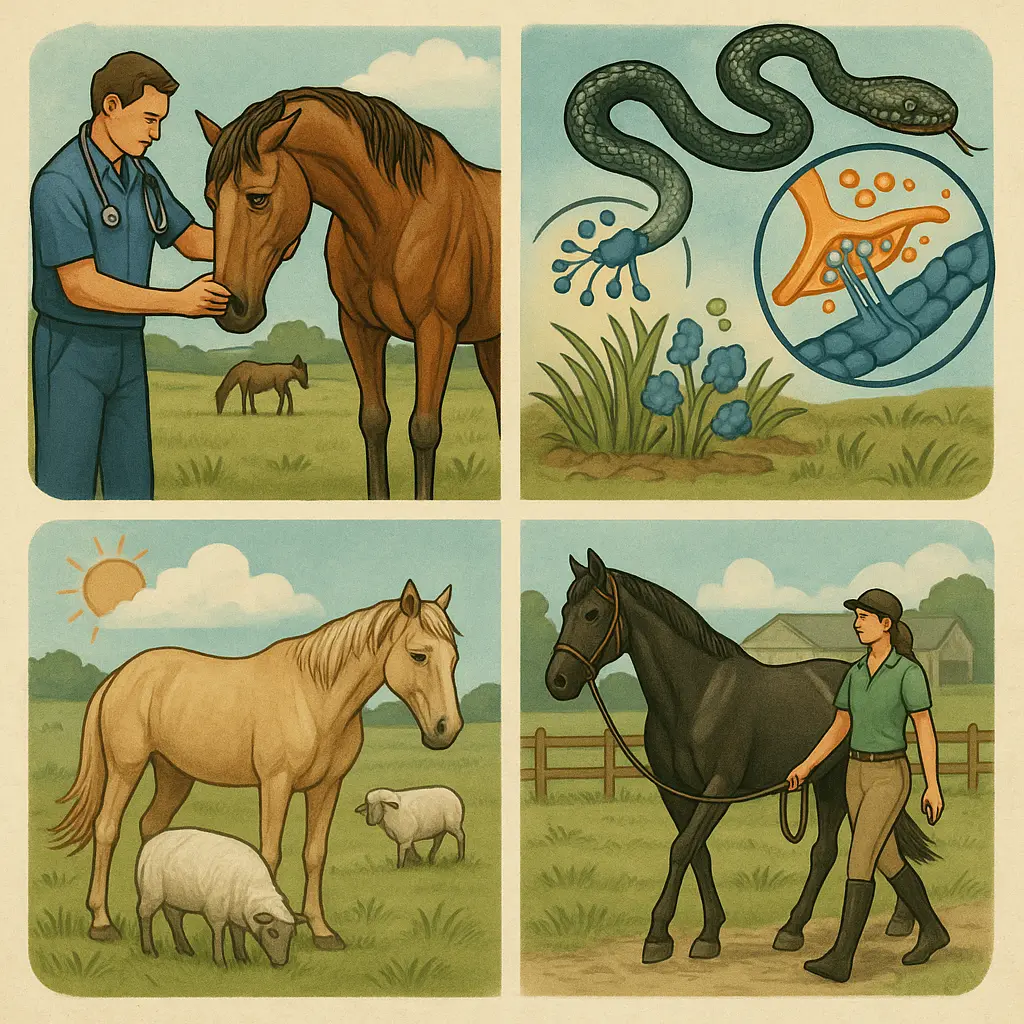
Reduced appetite, difficulty swallowing, and rapid weight loss are hallmark early signs that require immediate veterinary attention. Sudden colic-like pain (acute) or a “tucked-up” appearance with dullness (chronic) are also red flags.
EGS presents in acute, sub-acute, and chronic forms. Acute and sub-acute cases can deteriorate rapidly, with severe gut stasis, colic-like pain, drooling, and sweating; sadly, these forms often necessitate euthanasia to prevent suffering. Chronic cases develop more slowly and may show weight loss despite eating, difficulty swallowing (dysphagia), reduced appetite, a tucked-up abdomen, and an abnormal stance. Always contact your vet urgently if you suspect EGS — early decision-making is crucial to welfare and outcome.
Currently there is no non-invasive test to confirm EGS in a live horse; diagnosis relies on clinical examination, characteristic signs, and selective tests interpreted by your vet. This PLA2 discovery raises the prospect of targeted diagnostic tools in future, but for now prompt veterinary assessment remains essential.
Pro tip: Keep a daily yard log of appetite, droppings, demeanour, and turnout conditions during high-risk cold, dry spells. Consistent records help your vet spot patterns early.
How can you reduce EGS risk on your yard?
Reduce risk by minimising pasture disturbance, avoiding previously affected fields, co-grazing with sheep, keeping diets consistent, hand-removing droppings, using testing-led worming, and providing extra forage.
Practical steps UK yards can apply now:
- Minimise disturbance: Avoid harrowing, pipe-laying, construction, or poaching that exposes soil microbe layers, especially before or during cold, dry weather.
- Avoid high-risk fields: Do not graze horses on pastures where EGS has occurred, particularly in the late winter–spring window.
- Co-graze with sheep: Mixed-species grazing is associated with reduced EGS incidence and improves sward utilisation.
- Hand-remove droppings: Where possible, pick by hand instead of mechanical collection to limit soil disruption.
- Keep the diet steady: Avoid sudden ration changes; support the gut with consistent forage provision. Consider targeted digestive support supplements after discussing with your vet.
- Testing-led worming: Follow a faecal egg count and tapeworm testing programme instead of routine blanket worming to protect gut health.
- Offer supplementary forage: Provide good-quality hay or chaff to maintain fibre intake and reduce reliance on potentially risky short, stressed pasture.
During cold, dry spells — when horses are more likely to be turned out on sparse pasture — comfort and condition matter. Weatherproof layers help maintain bodyweight and resilience; browse our waterproof turnout rugs for varied fills and cuts to suit UK winters. For horses in light work or on yard rest, keep them eating with highly palatable options and small rewards; our range of palatable horse treats can help coax fussy appetites as part of your management plan.
Finally, build your care toolkit. Gentle, regular human contact is linked with improved outcomes in chronic cases; keep a set of soft, easy-clean tools ready — explore our gentle grooming brushes to support daily handling. If you favour trusted nutrition brands for recovery support, you can shop targeted options from NAF supplements and discuss choices with your vet or nutritionist.
What does good nursing for chronic EGS look like?
Carefully selected chronic cases can recover in 50–70% of cases with nutrition-led nursing, hydration, warmth, pain control, and gradual mobilisation under veterinary supervision. Suitable candidates typically retain some swallow reflex, have intermittent appetite, and are free of continuous abdominal pain.
Nursing priorities, drawn from UK research teams and the Equine Grass Sickness Fund, include:
- Nutrition: Offer small, frequent meals of easily swallowed, highly palatable feeds. Soaked fibre mashes and soft, energy-dense rations can help; your vet may advise nasogastric feeding for severe dysphagia. Encourage appetite with variety and texture, and monitor bodyweight weekly.
- Hydration: Provide tepid water and wet feeds to support fluid intake. Electrolytes should be discussed with your vet on a case-by-case basis.
- Comfort and warmth: Maintain a stable, draught-free environment and rug appropriately to conserve energy. Our lightweight stable rugs help manage temperature without bulk.
- Gentle handling: Daily, calm interaction and grooming support mental wellbeing and stimulate appetite; keep a soft kit from our grooming essentials to make sessions pleasant.
- Skin and limb care: Protect bony points and support circulation. Consider appropriate support boots and bandages under veterinary guidance to prevent swelling if turnout is restricted.
- Gradual mobilisation: Begin with short, supervised hand-walks when advised by your vet and increase steadily based on comfort and clinical signs.
- Monitoring: Keep meticulous records of feed intake, water consumption, droppings, demeanour, and vital signs; share updates with your vet frequently.
“The management of selected cases has been the subject of study by the Grass Sickness Research Team since 1989 and the results have challenged the view that chronic cases either die or at best only partly recover.” — Dr E. Milne, R(D)SVS
Insurance matters: Intensive nursing can be prolonged and costly. If you have equine insurance, discuss EGS cover with your provider early to understand limits for hospitalisation, home nursing, and follow-up diagnostics.
What does this breakthrough change now?
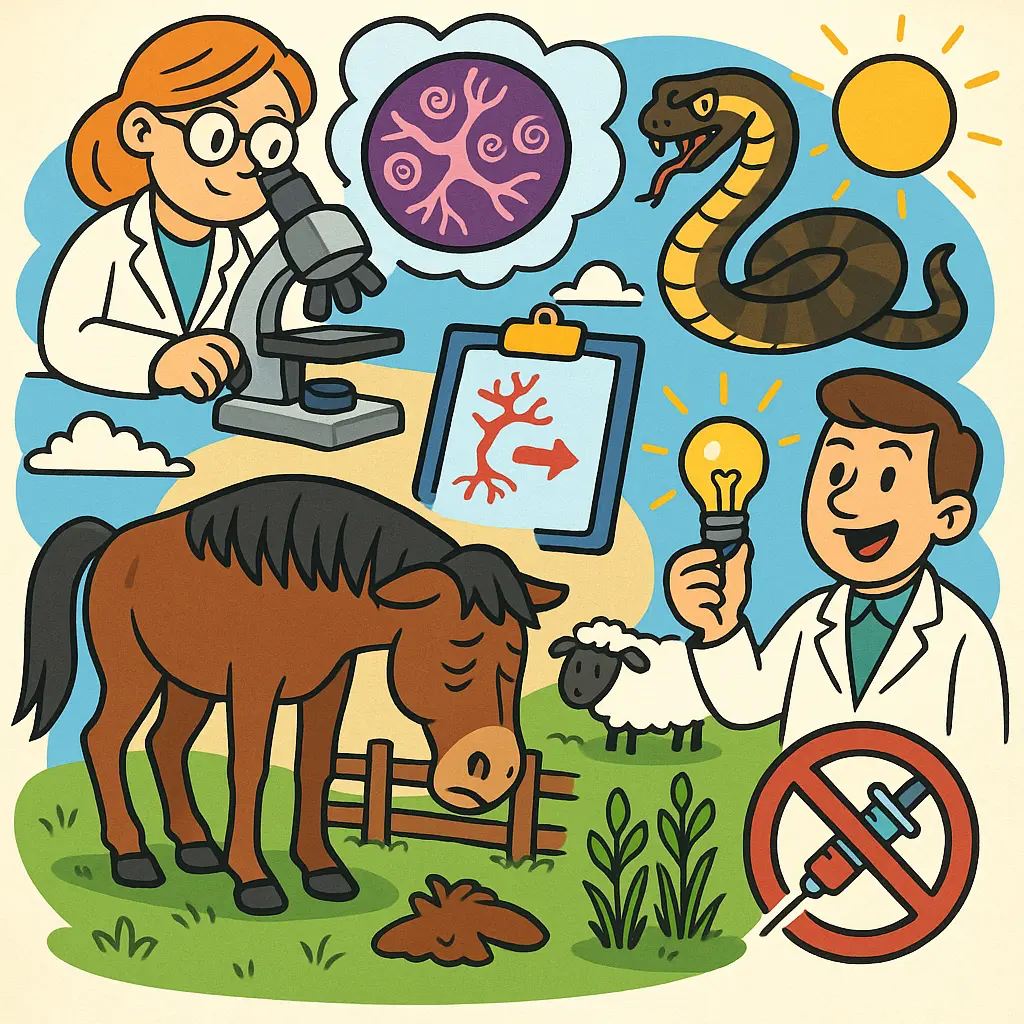
It accelerates the path to better diagnostics and potential treatments, but day-to-day prevention and early veterinary action remain your best tools right now. Expect incremental progress as research translates the PLA2 finding into practical tests and therapies.
Because PLA2 behaves similarly to toxins in some snake venoms, researchers are exploring whether drugs under development for human envenomation and nerve regeneration could support equine recovery. As these therapies are investigated, owners can contribute by implementing robust prevention, reporting suspected cases promptly, and engaging with UK research bodies that coordinate field knowledge and owner support.
“With the cause of Equine Grass Sickness eluding vets for more than a century, a research project has discovered it may be caused by a neurotoxic enzyme similar to toxins found in snake venoms.” — World Horse Welfare
Where to find trusted help and updates
Speak to your vet first, then use the BHS, the Equine Grass Sickness Fund, and University of Edinburgh resources for up-to-date guidance. These organisations lead on owner education, research updates, and practical management advice in the UK.
- BHS owner guidance: prevention, signs, and management — BHS EGS advice
- Equine Grass Sickness Fund: UK charity dedicated to research and treatment — EGSF
- Research update (University of Edinburgh and partners): probable cause identified — EquiManagement coverage
- Welfare context and owner-facing summary — World Horse Welfare
At Just Horse Riders, we recommend building a simple yard protocol for the late winter–spring period: daily appetite checks, minimal pasture disturbance, consistent forage, and a pre-agreed plan with your vet for rapid assessment if signs appear. For comfort-first care, keep essentials to hand — a breathable rug, soft grooming kit, and a few palatable feeds and treats — so you can act fast when it matters.
FAQs
Does this breakthrough mean a cure is coming soon?
Not immediately. Identifying PLA2 as the probable cause is a major step that “has the potential to lead to novel treatments and improved diagnostics,” but there is still no cure. Researchers are investigating therapies inspired by anti-venom and nerve-regeneration science, which will take time to develop and test.
Can my horse be tested for grass sickness?
There is currently no non-invasive test to confirm EGS in a live horse. Vets diagnose based on clinical signs, examination findings, and selective laboratory tests; the PLA2 breakthrough may enable improved diagnostics in future.
If my horse gets chronic EGS, what is the realistic chance of recovery?
With careful case selection and intensive nursing, recovery ranges from around 50% in general practice to roughly 70% at specialist centres like Easter Bush Veterinary Centre. Suitable cases typically retain some swallow reflex, have intermittent appetite, and are not in continuous abdominal pain.
Is there a vaccine I can give my horse?
No. There is no licensed vaccine for EGS at present, despite a 2014–2018 field trial. Prevention focuses on yard and pasture management.
What are the earliest signs I should watch for?
Loss of appetite, difficulty swallowing, and rapid weight loss are key early signs. In acute cases, severe colic-like pain and sweating can develop quickly; in chronic cases, a tucked-up appearance and dullness are common. Call your vet immediately if you suspect EGS.
If my horse recovers, can it return to work?
Yes. The majority of recovered chronic cases return to their previous level of work — from hacking and riding school duties to hunting, eventing, racing, and breeding — though a small number may show residual sweating or exercise fatigue.
Should I change my worming programme because of EGS risk?
Adopt a testing-led programme (faecal egg counts and tapeworm testing) rather than routine blanket worming. This approach supports gut health and aligns with BHS-endorsed best practice; always plan your worming with your vet.
Quick tip: Keep a small, flexible “EGS readiness” kit on the yard for late winter–spring: a well-fitting rug for cold, dry spells, a soft grooming set, a couple of highly palatable fibre-based feeds, and some favourite treats to tempt appetite. Comfort, consistency, and rapid veterinary input give your horse the best possible chance.