The UK Thoroughbred Census has finally given buyers hard numbers, not hearsay. With 33,600 former racehorses in Britain and clear evidence of long, useful post-racing lives, the under-£25k market for ex-racehorses is one of the best-value routes into sport or leisure riding.
Key takeaway: For under £25k, a well-sourced ex-racehorse offers exceptional value, proven versatility across UK disciplines, and strong long-term ownership stability—provided you buy with proper documentation and a clear retraining plan.
Is an ex-racehorse a smart buy under £25k?
Yes—census data shows ex-racehorses are versatile, long-lived and typically enjoy stable ownership: 87% have had three or fewer owners and 38.6% remain with their first post-racing owner. That combination of adaptability and owner retention is rare at this price point.
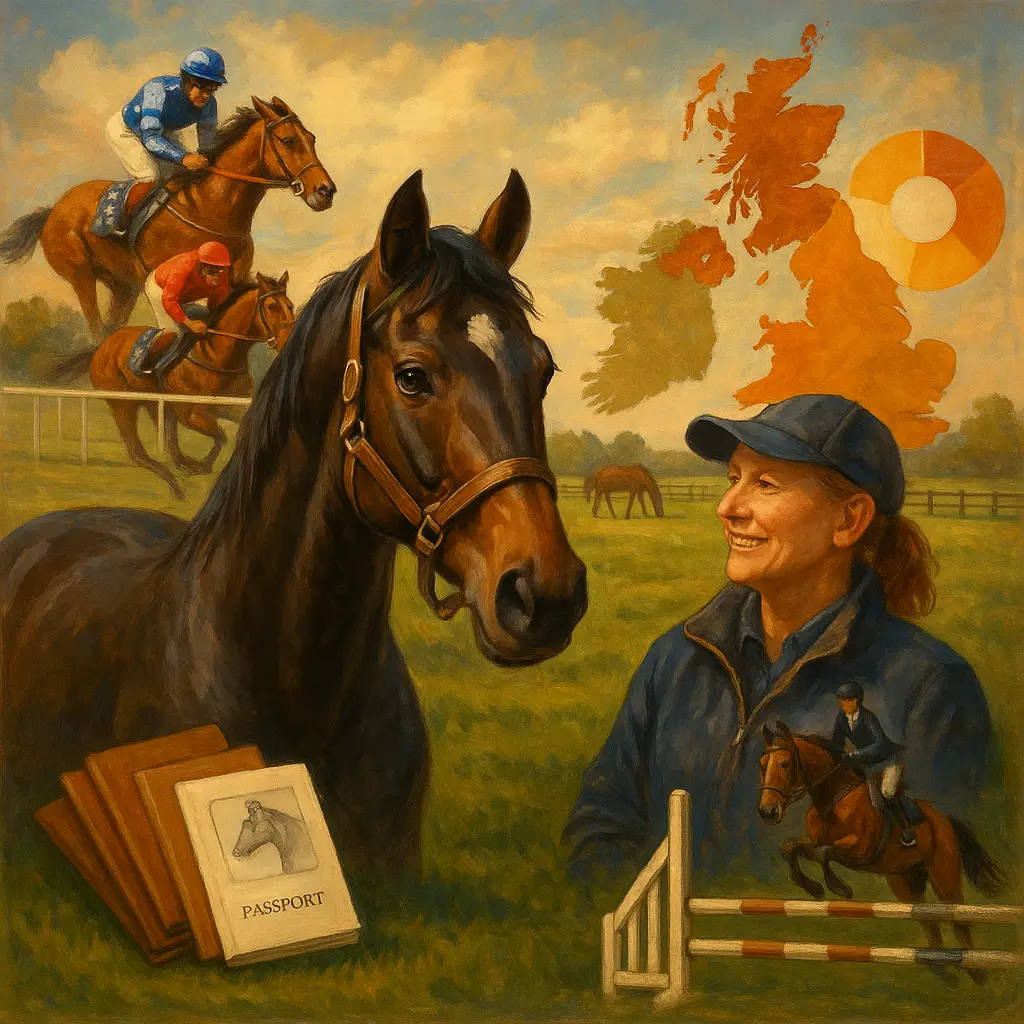
The 2024 Thoroughbred Census (funded by the Racing Foundation and delivered by Hartpury University) tracked roughly 80% of Britain’s former racehorse population and found an average age of 12±5 years, with 31.2% aged 15+. These are not short-term prospects; they’re horses you can invest training in and enjoy for years. Crucially, their suitability isn’t “marketing.” Registration data confirms thousands active in British Dressage (2,982), British Eventing (2,579), point-to-point (1,632) and polo (1,152), with additional numbers in British Showjumping and therapeutic roles.
“The Census results showcase their incredible versatility and their ability to thrive in a host of new careers.” — Helena Flynn, Programme Director, Horse Welfare Board (Horse PWR)
At this budget, many buyers compare ex-racehorses with purpose-bred sport horses. The Thoroughbred’s breadth of proven pathways—plus readily available history when bought through reputable routes—makes them compelling value. Safety and “rideability” hinge on sourcing and retraining quality, not breed stereotypes.
Where are ex-racehorses in the UK—and how should you buy?
There are 33,600 former racehorses in Britain, with the highest concentrations in the South West (19.1%), South East (13.2%), East of England (12.9%), West Midlands (11.4%) and North East (10.6%). Over half of new acquisitions are bought directly from racing connections, and about 7,000 Thoroughbreds leave racing each year, with 40% entering formal retraining programmes.
If you’re based outside those hotspot regions, factor travel or transport into your true purchase cost. Buying direct from trainers, owners or breeders usually gives you the best documentation and continuity. Non-profit aftercare such as Retraining of Racehorses (RoR) is the next most reliable route, offering education and support via a 13,000-strong membership network. RoR affiliation signals that sellers align with UK best practice.
Two important market notes from the census: 74% of registered former racehorses are geldings (mares are more likely to move to breeding), and 38.6% stay long-term with their first post-racing owner, showing strong bonds are typical when the match is right. The Horse Welfare Board also highlights racing’s growing focus on welfare-minded placement:
“Racing owners, as a whole, are careful and conscientious and frequently take all the necessary steps, often at personal cost, to ensure racehorses move to good homes.” — British Racing’s Horse Welfare Board (BHA)
Quick tip: If you plan to hack new routes while viewing or trialling, take proper visibility gear from the outset. Our range of hi-vis for riders and horses helps you stay seen on unfamiliar roads and bridleways.
What lifespan and costs should you budget for?
Plan for a 20+ year ownership horizon: the population’s average age is 12±5 years and 31.2% are 15 or older, extending beyond the old “16-year” lifespan myth. Budget across that timescale for veterinary care, farriery, feed, rugs and retraining.
The immediate post-racing phase may mean more frequent check-ups and careful conditioning, especially for horses aged 5–14 (62.9% of the population) transitioning from race fitness to schooling and turnout. Older horses (15+) often settle into leisure routines quickly but benefit from orthopaedic assessment and joint support. Many owners in this market allocate funds for:
- Joint and recovery support to ease the shift from track work. Explore proven options in our horse supplements collection.
- Leg protection for schooling, hacking and travel—shop horse boots and bandages to suit daily routines and competitions.
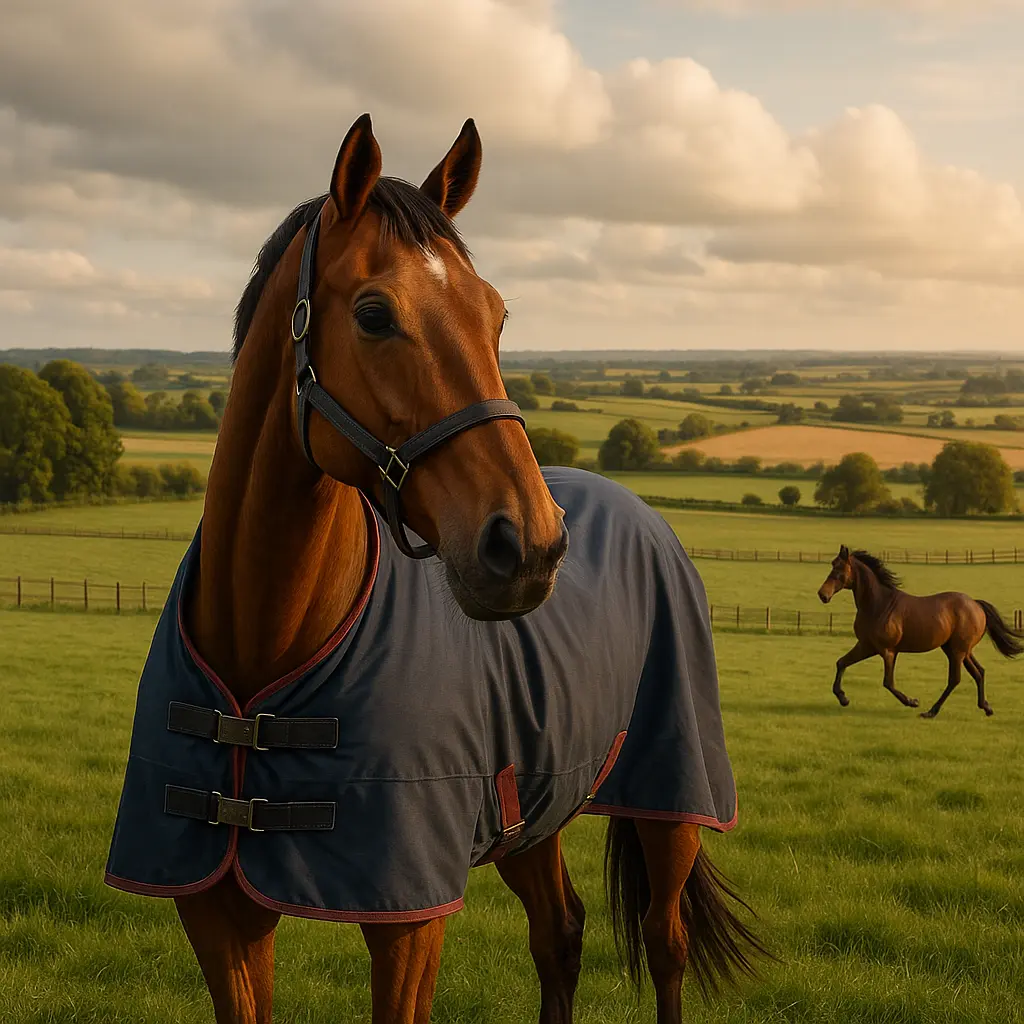
- Layered rugging systems for UK weather, including autumn/winter turnout and cosy stable layers. See turnout rugs for winter and wet spells and stable rugs for overnight warmth.
Pro tip: Transition rugs gradually if your horse is used to light race sheets. Start with breathable, waterproof turnout, build layers as the weather dictates, and avoid over-rugging to let the coat adapt naturally.

What paperwork and traceability must you check?
You must ensure the passport is transferred into your name and the microchip and keeper details are up to date; 64% of ex-racehorse owners have done this, but the goal is 100% to support welfare, vet care and competition entries. The gold standard is complete traceability aligned with British racing’s push for 100% tracking at first step out of racing.
Start by verifying identity against the passport and microchip, then contact the Weatherbys General Stud Book to resolve any discrepancies. Collect the horse’s racing history and connections (trainer, owner, breeder)—this supports insurance, veterinary continuity and RoR registration if applicable. The Horse Welfare Board, via Horse PWR, has made traceability a central welfare goal to close information gaps throughout a horse’s life.
Before you pay a deposit, arrange an independent pre-purchase examination (PPE) with a BEVA-registered vet who understands the racing-to-riding transition. Ask your vet to review radiographs where indicated by findings or future goals (e.g., eventing). For your records, keep copies of:
- Passport (in your name), microchip details and vaccination history
- Racing record and trainer/owner contact details
- Any RoR registration, plus training or retraining notes
- PPE report and imaging
Quick tip: Keep the passport handy when travelling to shows or clinics. A tidy yard file and a simple digital record (photos of each document) make renewals and entries faster—particularly as the industry moves toward stricter traceability.
How do you retrain for UK disciplines?
Most ex-racehorses need 3–6 months of structured retraining before first competitions, though some transition faster. US Thoroughbred Makeover data shows a 70-day average from last race to acquisition by new trainers, confirming rapid progress is possible with the right horse and programme.
A typical UK transition looks like this:
- Weeks 1–4: Reset and decompress—turnout, hacking in company, straight lines, rhythm, and exposure to traffic with hi-vis for you and your horse. Gentle polework can start late in this phase.
- Weeks 5–8: Introduce reliable aids—acceptance of a consistent contact, lateral suppleness, transitions within and between paces, light gridwork.
- Weeks 9–12: Discipline focus—basic dressage tests, low-level showjumping lines, or cross-country schooling if aiming at eventing, always building confidence.
Retraining is supported by the market’s proven versatility. The census recorded 2,982 registered with British Dressage and 2,579 with British Eventing, plus 1,632 in point-to-point and 1,152 in polo, showing diverse competitive futures. For education and support, RoR clinics and camps provide UK-specific coaching and community.
At Just Horse Riders, we recommend setting milestones rather than rigid timelines—e.g., “can hack alone and in company,” “pops a small course quietly,” “works three good paces in balance”—and celebrating incremental wins. Comfort-first gear helps: protective boots from our boots and bandages collection for schooling, and a correctly fitted hat from our riding helmets range for you as you introduce new environments and questions.
Pro tip: Keep early sessions short and positive; swap repetition for variety. Thoroughbreds often “try too hard”—they blossom when you reward relaxation, not speed.
What day-to-day management helps them thrive off the track?
Ex-racehorses do best with gradual management changes: more turnout, a forage-led diet, thoughtful rugging, and supportive leg care. Pace your adjustments over weeks, not days, and watch body condition and behaviour closely.
Rugs and weather: Transition from thin race sheets to layered systems tailored to UK seasons. For wet and windy spells, choose breathable turnout rugs; for stabled nights, add warmth with well-fitted stable rugs. Brands known for durability and fit—browse our WeatherBeeta collection—help sensitive Thoroughbred types stay comfortable without bulk.
Orthopaedic care: Soft-tissue and joint support are common sense during the adaptation phase. Use protective boots for schooling and hacking, and consider targeted supplementation from our curated supplements collection. Build condition steadily rather than chasing topline quickly.
Skin and coat: A routine with gentle, regular grooming supports circulation and helps you spot any rubs, scurf or heat early—stock up from our grooming collection. In summer, consider fly protection and light exercise schedules during cooler parts of the day.
Rider safety and visibility: Early hacking and field transitions can be exciting. Always ride in a modern, certified hat—see our riding helmets selection—and make yourself visible with hi-vis, especially on new routes.
Pro tip: Keep changes predictable—same time, same order (feed, turnout, ride). Thoroughbreds relax into routines that still allow for enrichment and variety in work.

Your 10-point buying and first-90-days checklist
This concise checklist keeps your purchase on track and your first three months smooth.
- Confirm identity and traceability: Check microchip, match passport, and transfer ownership immediately (British racing is targeting 100% traceability at first step out of racing).
- Source smart: Prioritise direct-from-racing connections or RoR-affiliated routes for documented history and support.
- Get an expert PPE: Book a BEVA-registered vet; share your intended discipline to tailor the exam and any imaging.
- Plan your budget long-term: With 31.2% of ex-racehorses aged 15+, cost realistically for 20+ years—vet, farrier, feed, rugs, remedial work.
- Build your rug system: Start with breathable turnout options for UK weather and add stable layers as needed—avoid over-rugging.
- Protect legs from day one: Use schooling and travel protection from our boots and bandages range as the horse adapts.
- Support recovery and condition: Introduce targeted supplements and book a dental check; add poles and hillwork gradually.
- Retraining roadmap: Aim for 3–6 months to first competition; set monthly milestones and keep sessions short and positive.
- Ride safe and visible: Wear a certified hat from our riding helmets range and use hi-vis when hacking new routes.
- Keep tidy records: Passport, PPE, vaccination history, RoR registration, and trainer contacts—digitise copies for quick entries and renewals.
At Just Horse Riders, we see the calmest transitions when owners pair structure with patience: routine turnout, progressive schooling, and kit that prioritises comfort and safety.
FAQs
Are ex-racehorses safer or more reliable than purpose-bred horses at this budget?
Safety depends on individual training and the quality of retraining, not breed. The census shows strong ownership stability—87% have had three or fewer owners—which indicates adaptable temperaments when placed well. Choose horses sourced directly from racing connections or via RoR-affiliated organisations for the best documentation and support.
What’s the real lifespan of an ex-racehorse I’m buying?
Plan for 20+ years. The population’s average age is 12±5 years and 31.2% are 15 or older, debunking the old assumption of a 16-year lifespan. Budget care across that horizon.
How quickly can I retrain an ex-racehorse for my discipline?
Expect 3–6 months of structured retraining before first competitions in the UK. Some horses transition faster—US data from the Thoroughbred Makeover shows a 70-day average from last start to new trainers—so swift progress is achievable with the right match and programme.
If I buy at £25k, which documents should I check before paying a deposit?
Confirm the passport is up to date in the seller’s name (then transfer immediately), verify microchip identity, request racing history and racing connections, and ask for any RoR registration. Arrange a PPE with a BEVA-registered vet who understands ex-racehorses and your intended discipline.
Are ex-racehorses genuinely versatile, or is this marketing?
It’s evidence-based. The census recorded 2,982 in British Dressage, 2,579 in British Eventing, 1,632 in point-to-point, 1,152 in polo and additional registrations in British Showjumping, along with therapy and companion roles. Owners consistently cited versatility, athleticism, temperament and talent.
Should I buy from a dealer/reseller or go direct?
Over 50% of acquisitions are direct from racing connections, which provides the strongest documentation and known history. Non-profit aftercare like RoR is the next most reliable pathway. Avoid low-traceability sources or auctions unless you’re highly experienced with rehabilitation and documentation gaps.
Any gear essentials for the first month?
Yes—comfortable, breathable turnout rugs, protective boots and bandages, targeted supplements for joint and recovery support, everyday grooming tools, a certified riding helmet, and hi-vis for early hacking miles. Build from there as your programme evolves.
For deeper reading, see the British Horse Racing Horse Welfare Board’s census overview (BHA), the Racing Foundation summary (Racing Foundation), and analysis via EquiPepper and Your Horse. If you’re ready to shortlist, align your sourcing and paperwork with the UK’s push for end-to-end traceability—your future self (and your horse) will thank you.