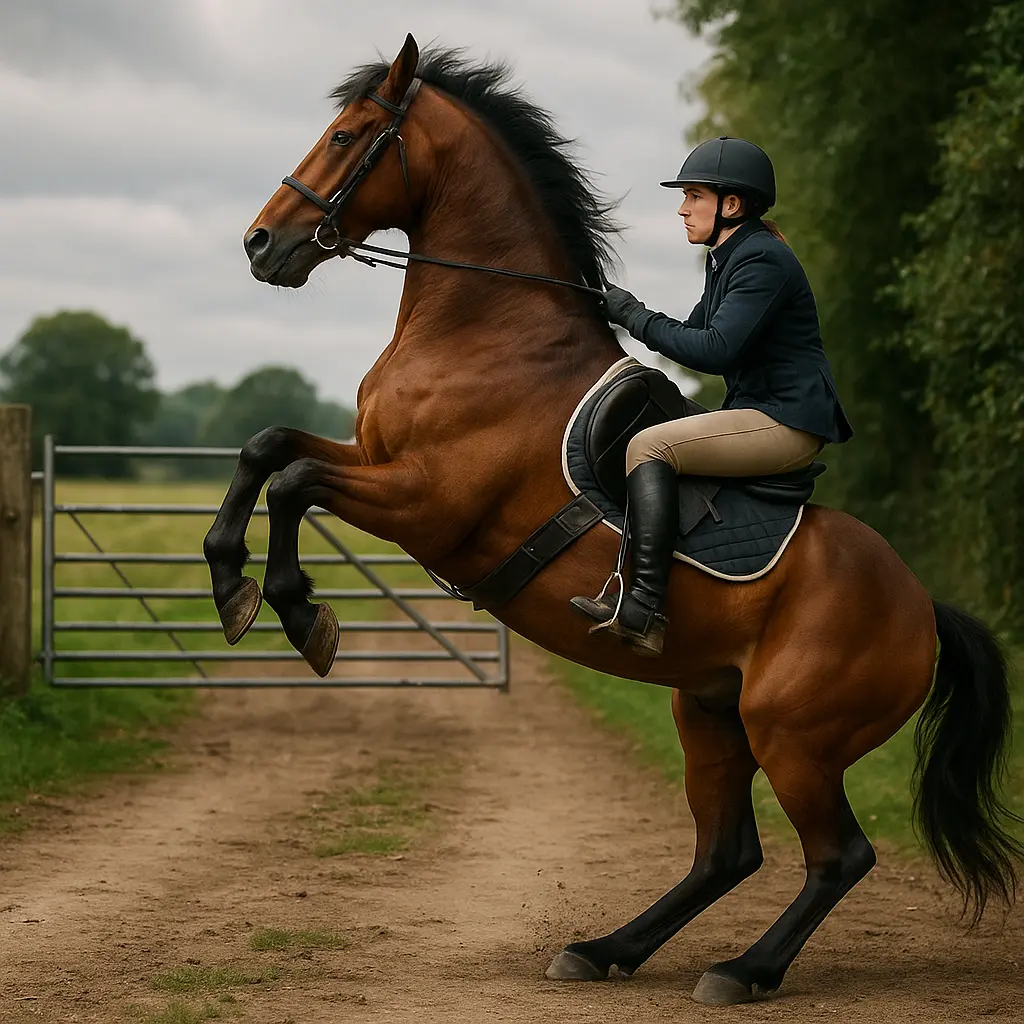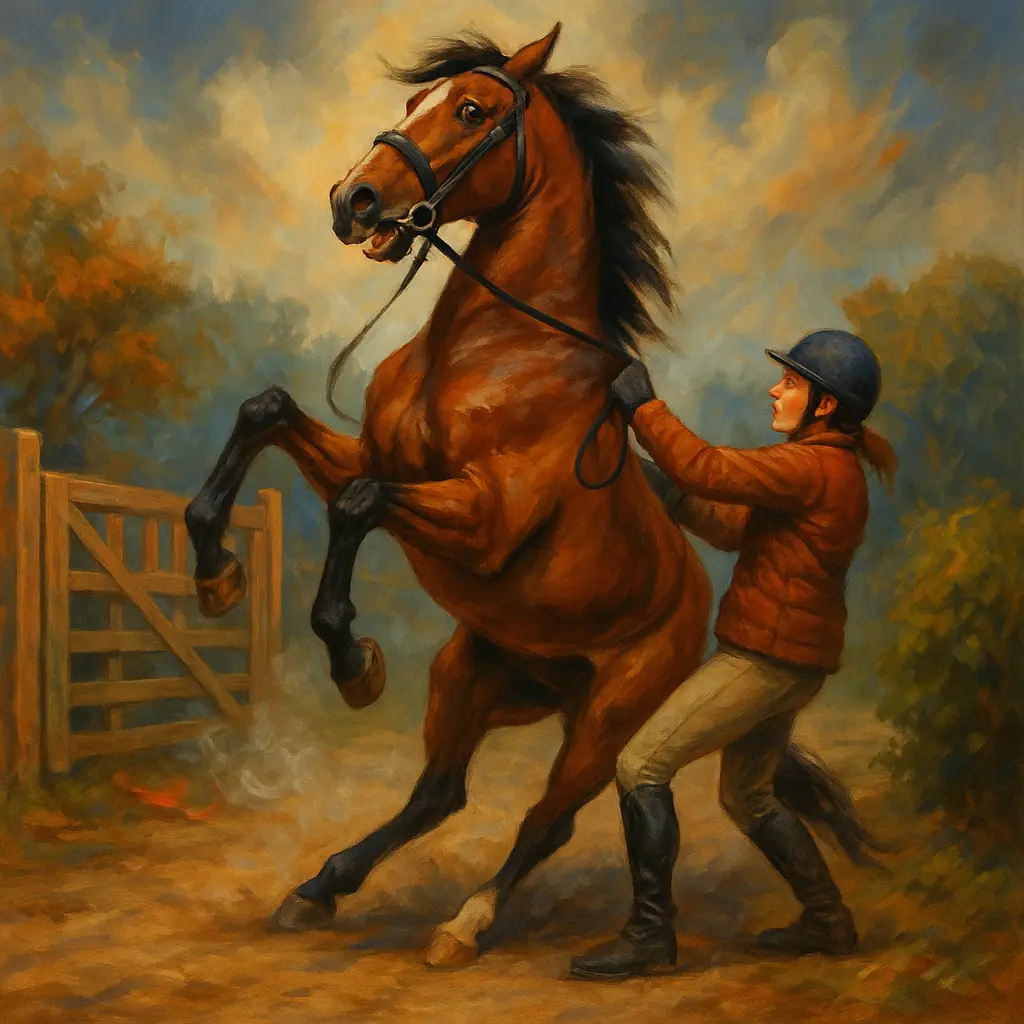
Napping can turn a simple hack into a stand-off at the yard gate. If your horse plants, spins, reverses, or even rears, you’re not dealing with stubbornness — you’re reading a message.
Key takeaway: In around 80% of cases, pain contributes to napping. Rule out pain first with your vet, then retrain calm, forward responses with incremental separation, light aids, and positive reinforcement.
What is napping in horses and what does it look like?
Napping is a refusal to go forward that can escalate into spinning, reversing, bucking, or rearing. It usually starts with subtle signals — hesitation, tail swishing, head turning, snorting, or body tension — that have been missed or overridden.
Horses nap for a reason: uncertainty, pain, confusion, or fear. A single traumatic moment (for example, a spook at wind-blown rubbish on a blustery November hack) can create a location-specific association, so the same gate, track, or entrance becomes a “no-go” place next time. That’s learning in action, not naughtiness; horses repeat what worked to keep them feeling safe.
Labelling a horse “lazy” rarely helps:
“Horses that nap are often labelled as naughty or lazy but this is unhelpful because there will always be at least one underlying reason... Pain must always be ruled out as a primary cause.” — Justine Harrison, equine behaviour specialist (source)
Recognising those early warning signs and addressing the cause is the fastest route to safer, happier hacks and schooling sessions.
Is pain really behind most napping?
Yes — pain contributes to roughly 80% of napping cases, and it’s often missed without a ridden and lunge assessment. Work with your vet to check musculoskeletal issues, saddle fit, and teeth before you do any retraining.
Dynamic assessment matters. A horse that trots up sound in a straight line can still show pain when ridden, especially under an ill-fitting saddle or when asked to bend, collect, or go downhill. Ask your RCVS-registered or BEVA-member vet to watch on the lunge and under saddle, and to consider tools such as Sue Dyson’s Ridden Horse Pain Ethogram for the conflict behaviours that often appear during “naps.”
“About 80% of cases I see have pain as a contributing factor... Work with your vets to see the horse on the lunge and under saddle.” — Gemma, trainer specialising in backing young horses (Horse & Hound)
Key areas to address first:
- Saddle fit and back soreness (check panels, girthing, flocking, and tree fit; revisit after muscle changes)
- Dental discomfort (hooks, sharp points, or bit interference)
- Limb and hoof pain, including subtle lameness that only appears on a circle
- Gastric discomfort or girth sensitivity, where indicated by your vet
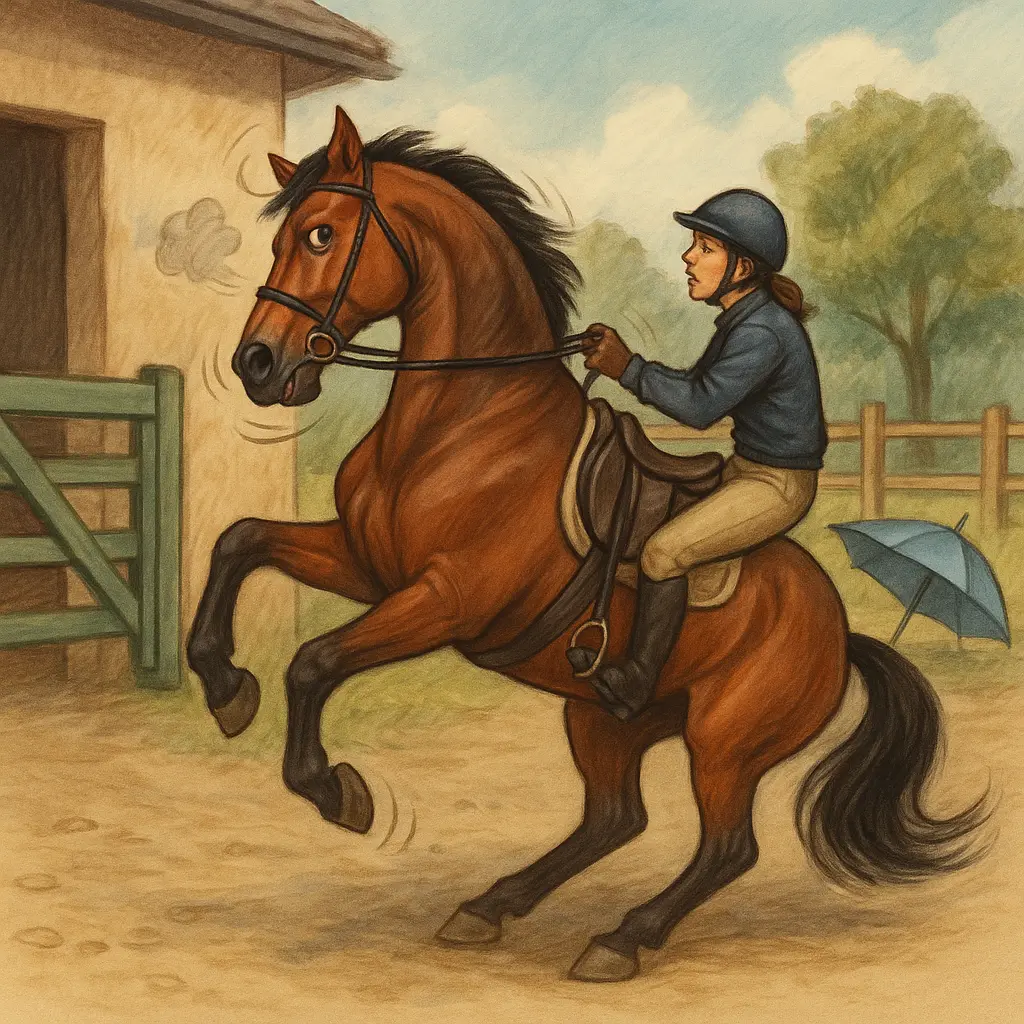
Physiology also explains why “take a breath” works. After a startle (say, a sudden umbrella), horses take an average of 13 seconds — and in some, nearly a minute — for heart rates to drop. If you allow that reset before asking forward again, you reduce the risk of escalation.
Why does my horse nap when leaving the yard or friends?
Because herd security matters to horses, many nap when separated from companions. You solve this by building independence gradually — start with seconds, then minutes — rather than forcing long solo hacks immediately.
Separation anxiety shows up at yard gates, field exits, arenas, and wash bays, not just out hacking. The fix is systematic, steady, and kind:
- On group hacks, let others walk ahead for 5–10 seconds, then catch up; stretch that interval over days to minutes.
- Practise micro-separations at home: short loops away from a friend, returning before anxiety spikes.
- Keep routines consistent (feeding and exercise times) to reduce baseline stress during UK winter months when turnout and daylight are limited.
“Many horses will nap because they do not want to leave their friends... Increase the time separated gradually (think seconds, then minutes).” — Rosa, equine behaviour consultant (Your Horse)
Quick tip: Some riders feel more confident solo in high-visibility kit during gloomy after-work hacks. If that’s you, a reflective jacket or hat band from our rider hi-vis collection can help you feel seen and stay calm, which your horse will feel too.
Could my riding or tack contact be part of the problem?
Yes — heavy hands and rider tension commonly escalate napping. Most horses are comfortable with around 200g of rein pressure, yet studies show riders sometimes apply 5kg or more in hyperflexed positions, which fuels conflict behaviours.
Replace “more leg, more rein” with clarity and lightness:
- Keep elastic contact, aim for “whisper-weight” reins, and avoid see-sawing or pulling back to hold a line.
- Ask forward with the leg, then soften; repeat consistently so the horse learns self-carriage instead of leaning on your hand.
- If you feel anxious, test with a calm, experienced rider or a sympathetic BHS-qualified instructor. If the behaviour vanishes, a few lessons to refine timing and aids are often all that’s needed.
Rider confidence is safety-critical. A secure lower leg and stable upper body reduce mixed signals when your horse hesitates. If you plan to refresh your kit for comfort and safety, ensure your hat meets current standards — browse our certified riding helmets.
How do I retrain the go-forward response safely?
Teach a calm, consistent “go” from leg (and then seat) and reward every try; after a spook, pause about 13 seconds to let arousal drop before asking forward again.
Here’s a proven, horse-first plan:
- Establish neutral. Halt on a loose rein, both of you breathing, then pick up a light contact.
- Ask once. Close your calf; if no response, tap-tap with a schooling whip behind your leg, then immediately soften when the horse steps forward.
- Reward the try. Two to three good steps forward earn a scratch or a tiny food reward. Over a session, ask for more steps between rewards.
- Keep the line of travel. If the horse swings towards home, quietly leg-yield back to the original line without getting into a pulling match.
- Reset after spooks. Halt, count to 13 while you breathe, then ask forward again. This aligns with how quickly heart rates typically settle after a fright.
- Build duration and locations. Start in a familiar arena or track, then progress to that “difficult” spot — yard gate, lane, or field exit — only when responses are reliable.
- Finish on a win. End before either of you gets frustrated.
“Napping means the horse has lost self carriage for the go forward response... Teach them they go forward off my leg and eventually off the seat cue.” — Gemma, trainer (Horse & Hound)
Pro tip: Positive reinforcement speeds learning. Many riders carry a few small pieces from our treats range to mark calm steps forward, then fade out food as the response becomes habit.
What UK conditions make napping worse on hacks?
Windy winter weather, reduced daylight, and variable terrain increase spooks and location-specific napping. Plan routes for the season, pick your moments, and use visibility gear to reduce surprises for both of you.
UK-specific management that works:
- Wind awareness: Gusts funnel around yard entrances and hedgerows, turning crisp packets into horse-eating monsters. Ride that gateway on quieter days before revisiting it in a blow.
- Timing: Go when the yard is calm, traffic is lighter, and you have time to pause without pressure.
- Visibility: Reflective gear and quarter sheets help other road users see you earlier. Explore hi-vis exercise sheets and rugs from brands like Weatherbeeta for gloomy, drizzly hacks.
- Comfort: Keep your horse warm and dry before and after work. In wet, cold snaps, appropriate winter turnout rugs make it easier to maintain muscle comfort and focus.
- Protection: On stony tracks and variable footing, supportive legwear from our horse boots & bandages selection can help prevent knocks that could set back your progress.
At Just Horse Riders, we also suggest scheduling groundwork or in-hand hacks on the breeziest days — you can still train without raising adrenaline under saddle.
When should I bring in professionals?
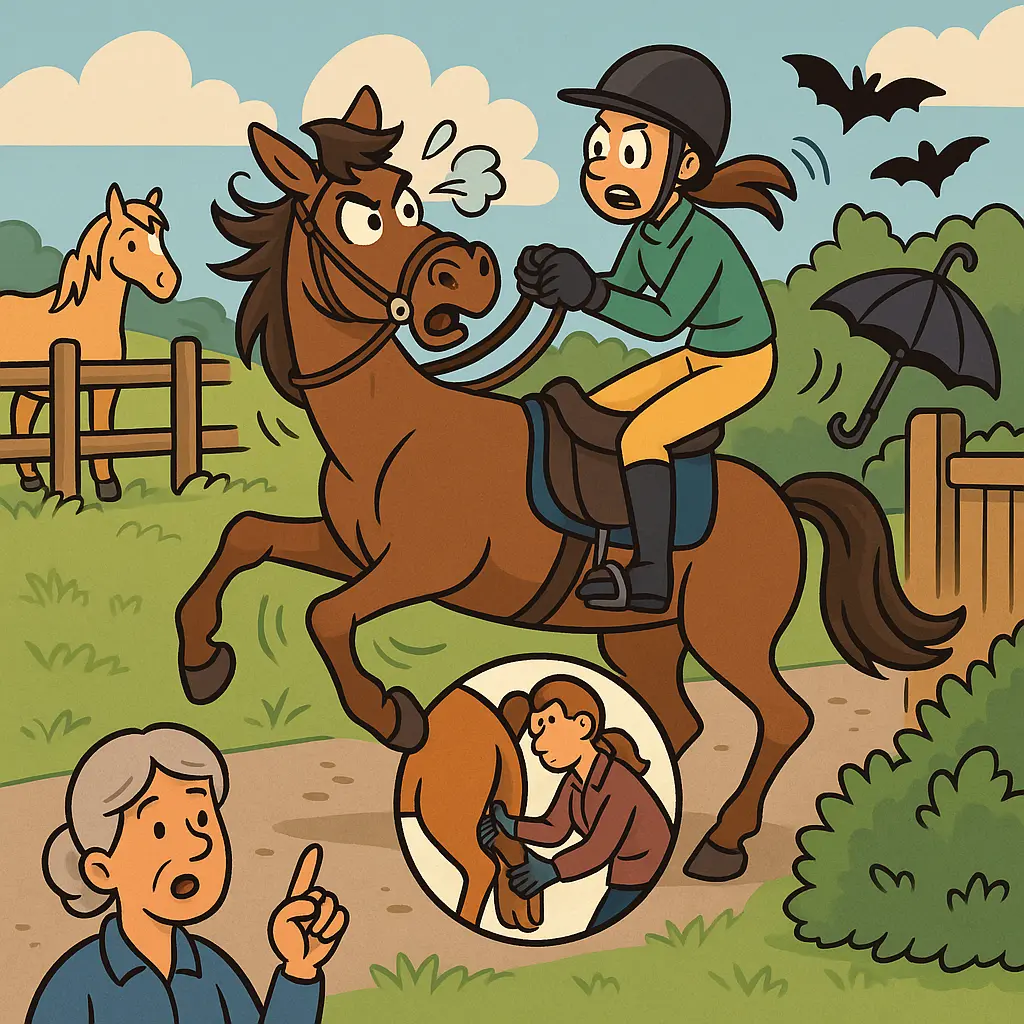
Call your vet first to rule out pain, then a BHS-qualified instructor or reputable behaviour professional to refine training. A calm, experienced test rider can help pinpoint rider-horse communication issues.
This two-step approach saves time and welfare:
- Veterinary first line: Choose an RCVS-registered or BEVA-member practice for musculoskeletal checks, saddle fit input, and dental exams. Ask for lunge and ridden evaluations, not just a straight-line trot-up.
- Training support: A BHS-qualified coach can help you lighten rein pressure, time leg aids, and use appropriate corrections that don’t escalate fear. If the horse goes well for the pro but not for you, plan a few confidence-building sessions together.
Further reading from UK experts: behaviour guidance from Your Horse, practical training insights via Horse & Hound, and welfare-first Q&A by Justine Harrison.
What kit genuinely helps (without masking problems)?
Choose equipment that removes discomfort and improves clarity — not gadgets that force compliance. Correct fit and visibility build confidence, safety, and focus.
- Saddle pads and comfort: A well-shaped, shock-absorbing pad that complements saddle fit can reduce pressure points as your horse rebuilds topline. Explore high-quality options from LeMieux.
- Seasonal comfort: Keep muscles warm and dry with appropriate turnout rugs between sessions so soreness doesn’t creep in.
- Rider safety and calm: Confidence starts at the top — review and update your riding helmet if it’s due. Feeling protected helps you ride softly.
- Visibility for winter roads: Reflective layers reduce “surprise” factors that can trigger spooks. Shop our rider hi-vis, and consider exercise sheets from Weatherbeeta for dusky hacks.
- Leg protection: Use lightweight boots or bandages from our horse boots & bandages selection if terrain demands it.
- Rewards that work: Small, low-crumb treats from our treats range make positive reinforcement easy to deliver and quick to fade as habits stick.
Remember: equipment supports training; it doesn’t replace ruling out pain or building forward responses step by step.
FAQs
Why does my horse nap when leaving the yard alone but not in company?
Herd security is the driver; separation raises anxiety, so your horse plants or tries to turn for home. Start with seconds of separation on group hacks, then build to minutes over several rides.
Is pain involved even if my horse trots up sound?
Often, yes. Around 80% of napping cases involve pain somewhere, which may only show on the lunge or under saddle. Ask your vet for ridden and lunge assessments, plus saddle and dental checks.
Can my tension or riding cause napping?
It can escalate it. Heavy rein pressure (often well over 5kg) and inconsistent aids create conflict; aim for light contact (~200g), clear leg-to-seat-to-soften sequences, and consider a lesson with a BHS-qualified coach.
How quickly can a horse learn to nap?
Sometimes after a single bad experience, such as a spook and bolt at a windy gate. That spot becomes “unsafe” in the horse’s mind until you rebuild positive experiences there.
Does napping spread between horses?
Not as a “contagious” behaviour, but herd dynamics can magnify separation anxiety. If one horse stops, others may mirror tension; practise micro-separations within the group.
How long should I wait after a spook before asking forward?
Allow at least 13 seconds for heart rates to drop on average, then ask forward calmly. Some horses need longer; watch breathing and muscle tone.
What’s the fastest way to make progress?
Rule out pain with your vet, then combine incremental separation training, light consistent aids, positive reinforcement, and professional support if needed. Finish each session on a win.
Ready to tackle napping with a clear, horse-first plan? Start with the welfare checks, then build calm independence step by step — and if you need supportive kit for winter hacks, our curated ranges of turnout rugs, riding helmets, and hi-vis are here to help.