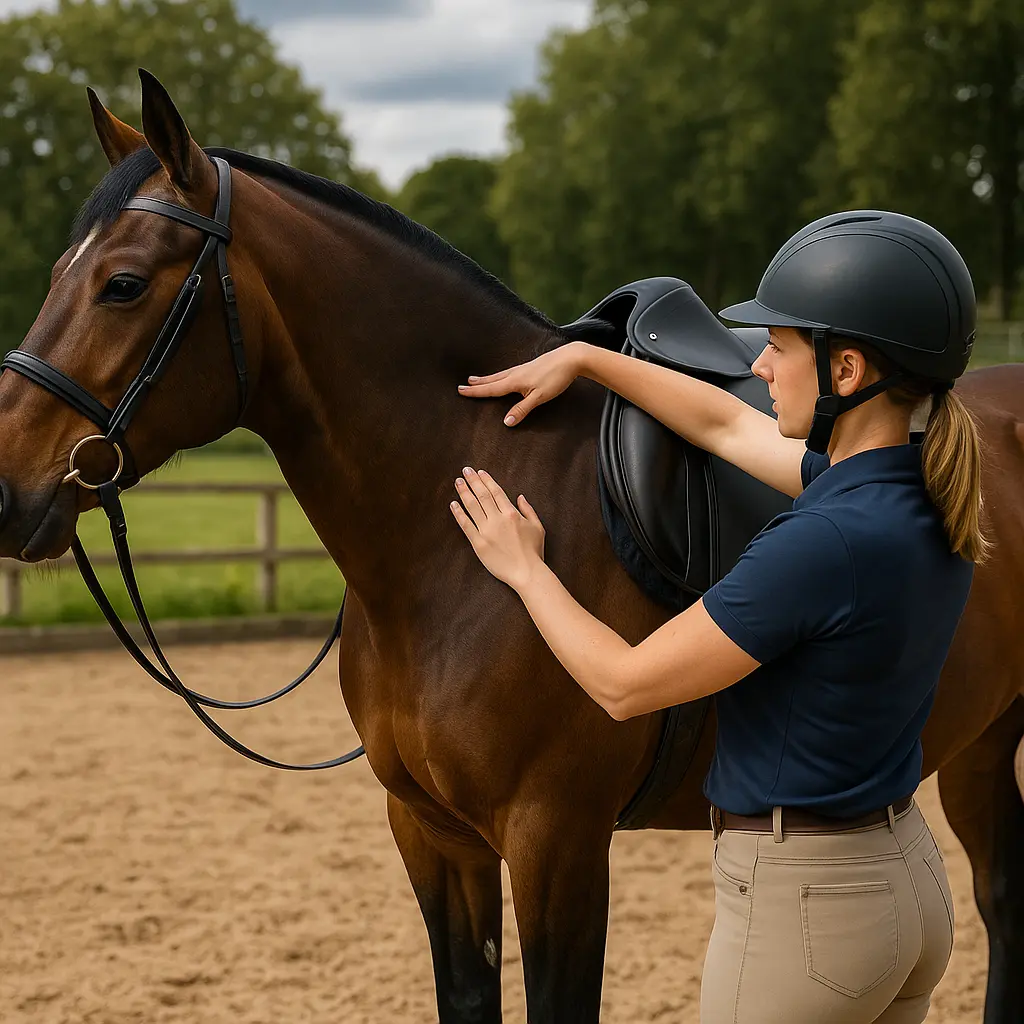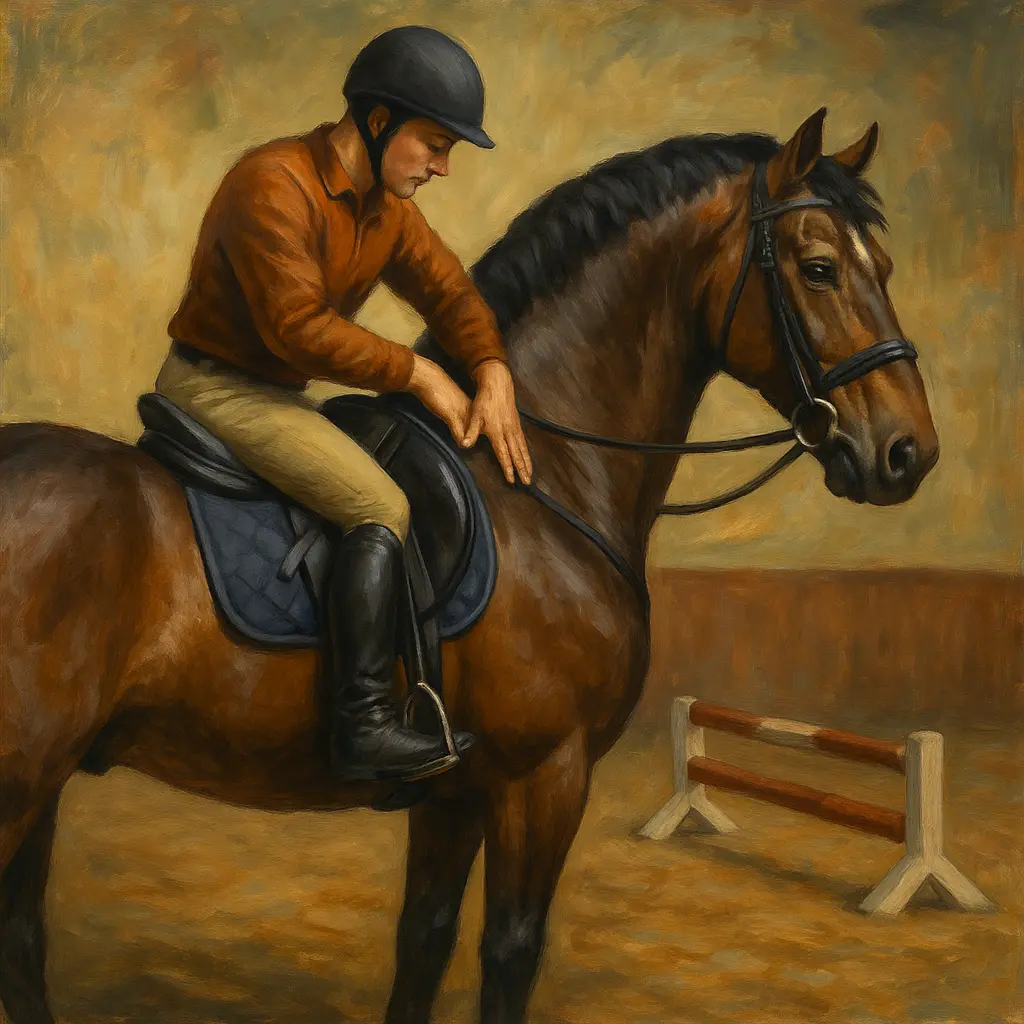
You want a GP saddle that keeps you secure over poles and comfortable in the arena, while keeping your horse sound and happy. The right fit is specific, measurable and checked regularly — especially with broad-backed types like Irish Draught crosses.
Key takeaway: A correctly fitted GP saddle gives 2–3 fingers wither clearance and a 3–5 finger gullet channel with the rider on board, matches the shoulder angle, and is rechecked by an SMS-qualified fitter at least every six months.
What saddle styles are allowed for eventing and local jumping?
For British Eventing, you must use an English or Continental style saddle in brown, black, grey or navy; brightly coloured saddles are not permitted and treeless models are only acceptable if they look traditional. Gel, memory foam or sheepskin seat savers are allowed if unobtrusive and colour-matched to the saddle.
Affiliated competition rules are clear about appearance and tone, and most unaffiliated venues follow suit. That means classic GP or jump saddles in regulation colours for dressage and showjumping phases, and no neon. If you prefer treeless, choose one with a traditional silhouette (some competitors have used models like Ansur successfully) and check current BE rules before you enter. Keep any seat saver low-profile and matching to avoid steward queries on the day.
While you’re refining your show ring look, make sure your clothing meets venue expectations too. See our curated women’s competition clothing and safety-rated riding helmets to complete your set-up.
How should a GP saddle clear the withers and protect the spine?
With the rider mounted, you need 2–3 fingers of clearance at the top of the withers and a 3–5 finger gullet channel maintained consistently from front to back. This protects the spinal processes and soft tissues from pressure while allowing freedom of movement.
Measure clearance with your normal girthing and pad set-up. Check that the pommel doesn’t drop onto the withers once you’re in the plate, and that the gullet does not narrow towards the cantle — a tapering channel can pinch the spine behind the midpoint of the saddle. Broad, muscular types need generous spinal clearance throughout, so prioritise models with a wide, consistent channel and panels designed to distribute weight evenly along the longissimus dorsi.
Quick tip: After your first few rides in a new or adjusted saddle, lift the saddle straight off and run your hand along the horse’s back. You’re looking for even warmth and no hard, cool or “dry” spots under the panels, which can indicate bridging or pressure points.
How do you match the saddle tree to the shoulder?
Match the tree angle to your horse’s shoulder angle measured 2–3 inches behind the scapula, and pick a tree width that allows the shoulder to rotate freely under the front panels. When correct, pressure under the front panels feels uniform from top to bottom.
Start by tracing the wither shape 2–3 inches behind the back edge of the scapula, where the saddle should sit without impeding the shoulder. Present this trace to your fitter or use it to compare tree profiles when shortlisting GP models. When you try the saddle, slide a flat hand under each front panel with the girth fastened: you should feel even pressure from top to bottom. If it grabs at the top and gaps at the bottom, the tree angle is too steep; if it’s the reverse, the tree is too wide or too flat in the angle. Then, walk and trot in straight lines and circles — you shouldn’t feel the tree or points “catch” as the shoulder rotates.
Pro tip: Irish Draught crosses and heavy cobs often have wide shoulders with a comparatively flat angle. Look for GP trees designed for wide, flat conformations and avoid narrow, A-shaped trees that will clamp the shoulder and drop the pommel onto the withers once you’re on board.
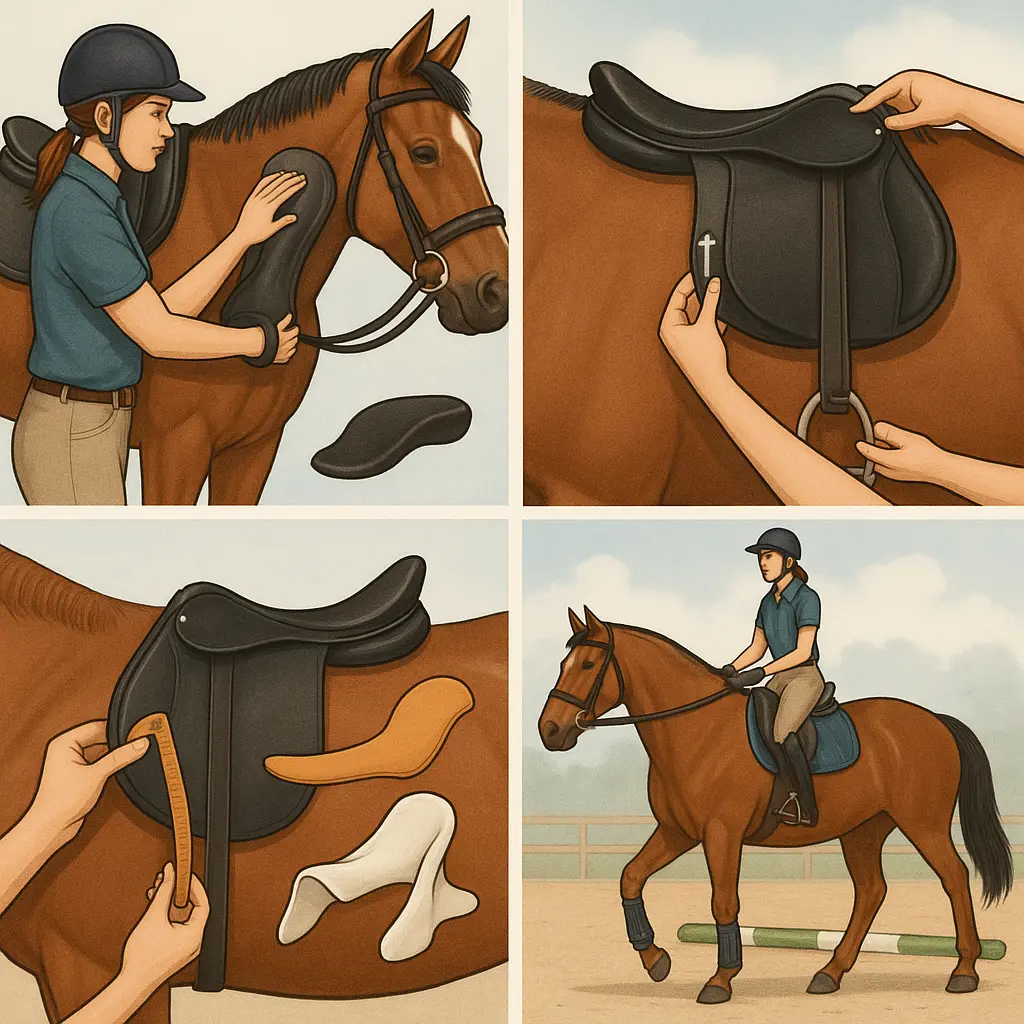
How often should you check saddle fit in the UK?
Have your saddle checked by a Society of Master Saddlers (SMS) Qualified Saddle Fitter at least every six months, and sooner after any weight or condition change. UK seasonal shifts — winter drop-off and spring grass bulk-up — make scheduled checks essential.
“Having your saddle checked by a Society of Master Saddlers (SMS) Qualified Saddle Fitter a minimum of every six months will help make sure your horse stays sound and comfortable.” — British Horse Society
Back shape is dynamic. Muscle gains from schooling, topline loss over winter, or even a change in your winter turnout rugs routine can alter how a GP sits. For good welfare and consistency in contact, book biannual checks and keep a simple photo log (side-on, top-down without numnah, and a shot of wither clearance with you mounted) to spot trends over time.
“Legally anyone can fit, adjust, or sell saddles in the UK without holding any formal qualifications… England is the only country which offers an industry recognized qualification in saddle fitting – as provided by the Society of Master Saddlers.” — Jochen Schleese, Master Saddle Fitter (analysis referencing SMS study)
Because there’s no statutory regulation, choosing an SMS-qualified fitter is your best assurance of standards. At Just Horse Riders, we recommend you also plan a check after notable condition changes — for example, after spring grass or following a performance supplement trial. If you’re managing weight or topline, coordinate tack checks with your nutrition tweaks; see our targeted horse supplements range to support your programme.
What GP saddle features suit Irish Draught crosses and cobs?
Choose a GP with a wide gullet, short panels and a deep seat for security, plus adjustable knee blocks for lower-level jumping. These features reduce bridging on muscular, broad backs and help you stay balanced over cavaletti and small fences.
Broad-backed horses often benefit from shorter, broader panels that sit into the back rather than teetering across a muscular loin, and a consistently wide channel that preserves the spine all the way to the cantle. A deep seat adds security without locking you in, while moveable knee blocks let you tailor knee support for grids and small courses. Under £1,000, focus on fit and flocking quality rather than flashy leather; good wool flocking allows your fitter to fine-tune as your horse changes through the year.
When test-riding:
- Confirm 3-finger pommel clearance with you mounted.
- Canter transitions shouldn’t throw you “behind the movement” — if they do, the balance point may be too far back.
- Pop a small grid or cavaletti line and feel for lateral stability; the saddle shouldn’t tip or roll.
Round off your schooling set-up with protective horse boots for poles and cavaletti, and kit yourself comfortably for flat and jump days with supportive women’s jodhpurs and breeches and grippy riding boots that help you maintain a consistent leg.
Can you use treeless or seat-saver setups?
Treeless saddles can be used if they’re English/Continental in style and look traditional, and seat savers are fine if they’re unobtrusive and match the saddle colour. Both are permitted by British Eventing within these appearance guidelines.
For day-to-day schooling, treeless can offer close contact and can work for some horses; the key is ensuring even pressure distribution with appropriate pads and confirming stability over transitions and low fences. For competition, keep the look conservative. Seat savers — gel, memory foam or sheepskin — can ease long sessions and help your position in a deep-seat GP, but avoid bulky models that alter saddle balance. Colour-match to brown, black, grey or navy to keep stewards happy. Explore discreet options from brands riders love, including LeMieux, and keep an eye on our Secret Tack Room clearance for budget-friendly upgrades.
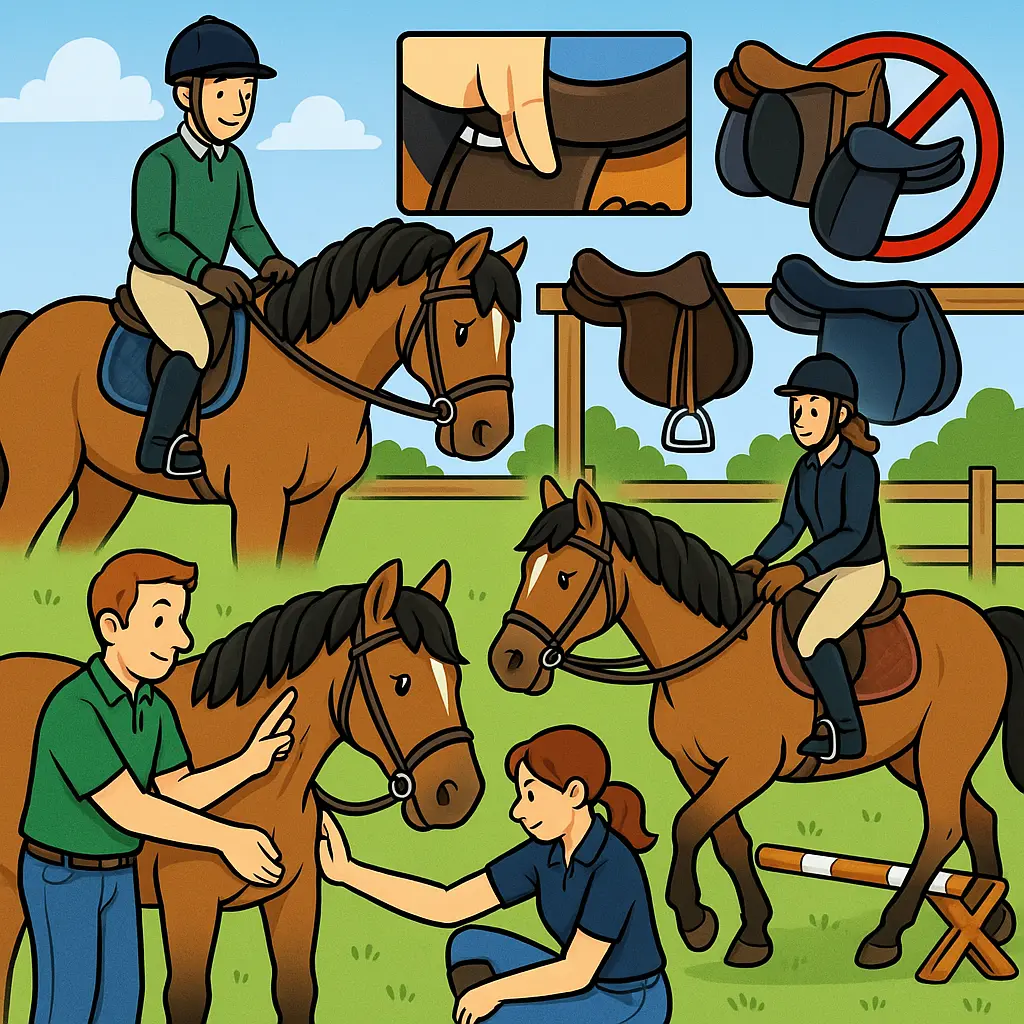
Step-by-step: Quick at-home GP saddle fit check
With your normal pad and girth, place the saddle 2–3 inches behind the scapula, mount, then confirm 2–3 finger wither clearance and a 3–5 finger gullet channel from pommel to cantle. Next, check even panel contact front-to-back and ride a brief test including poles.
- Before you start, brush the back thoroughly so nothing masks pressure. A quick once-over with quality grooming brushes helps you read sweat patterns later.
- Place the saddle just behind the shoulder; do not perch it on the withers then pull back under the girth.
- Girth up evenly. On the ground, eyeball balance: the deepest point of the seat should be central, not tipping forward or back.
- Mount and check wither clearance with fingers stacked vertically: 2–3 fingers at the highest point of the withers.
- Check the gullet: slide fingers along the channel from front to back — you want 3–5 fingers’ clearance all the way with no narrowing near the cantle.
- Panel contact: slide a flat hand beneath the front panels (both sides), mid panels and rear. You’re feeling for uniform contact, not “hot spots” or daylight gaps.
- Ride: walk, trot, canter both reins; add a few transitions and pop a line of cavaletti. The saddle should feel stable with no rolling, no wither “thud” on landing, and your horse should move freely through the shoulder.
- After dismounting, lift the saddle off vertically. Feel for even warmth and look for a symmetrical sweat pattern — no dry islands under the panels.
Quick tip: For the first week in a new or adjusted saddle, recheck after every ride. Flocking beds in and your horse will adapt; minor tweaks early keep everything sweet.
When to call an SMS-qualified fitter
Book a visit if your saddle slips, you see uneven sweat/dry spots, your horse develops white hairs, or behaviour changes (hollowing, ear-pinning, reluctance to bend) appear. Otherwise, schedule checks every six months and after notable weight or condition changes.
Other red flags include a pommel too close to the withers once mounted, girth galling, or your feel in the plate changing — suddenly fighting for balance or tipping forward. Seasonal management plays a part: adjusting stable rugs or stepping up turnout can alter back shape within weeks. If you’re moving into winter or back into spring work, coordinate your fitter visit alongside programme changes so adjustments last.
At Just Horse Riders, we recommend keeping a simple diary: date, fitter notes, flocking changes, and before/after photos. It makes your next check faster and more accurate, and helps you track which adjustments correlated with better way-of-going.
Conclusion: Make your GP saddle work harder
For versatile arena and cavaletti work on broad-backed horses, stick to the essentials: 2–3 finger wither clearance, a 3–5 finger gullet channel, a tree that mirrors the shoulder, and biannual checks by an SMS-qualified fitter. Choose a deep-seat GP with a wide, consistent channel and adjustable blocks, and keep accessories competition-legal and colour-matched.
Ready to refine your set-up? Book your fitter, then update the rest of your kit: supportive work boots for poles, breathable layers from WeatherBeeta for all-weather hacking days, and comfortable riding boots that help you keep your leg secure.
FAQs
What clearance should a GP saddle have on an Irish Draught cross?
With you mounted, look for 2–3 fingers over the top of the withers and a 3–5 finger gullet channel from pommel to cantle. Broad, muscular backs need that consistent channel to avoid spinal pressure.
Can I use a GP saddle for lower-level showjumping?
Yes. A well-fitting GP with adjustable knee blocks offers adequate support for lower-level showjumping and cavaletti. Prioritise balance and stability in canter and over small grids during your trial ride.
Are treeless saddles allowed for British Eventing?
Yes, if they are English/Continental in style and appear traditional. Bright colours are prohibited; keep to brown, black, grey or navy and use unobtrusive, colour-matched accessories.
How often should I have my saddle checked?
Every six months as a minimum by an SMS-qualified fitter, and sooner after any weight, topline or workload change. UK seasonal swings make biannual checks a practical standard.
What GP saddle features help broad-backed cobs?
Pick a wide gullet with a consistent channel, short panels to avoid bridging, a deep seat for security and moveable knee blocks. Test over cavaletti to confirm stability and shoulder freedom.
How can I tell if the tree angle suits my horse?
Trace the wither 2–3 inches behind the scapula and compare to the saddle’s tree. Under the front panels, pressure should feel even top-to-bottom; no pinching at the top and no gaping at the bottom.
What accessories are competition-legal and useful?
Gel, memory foam or sheepskin seat savers are allowed if unobtrusive and matching your saddle colour. Pair your set-up with protective horse boots for pole work and smart, rule-compliant competition clothing for show days.