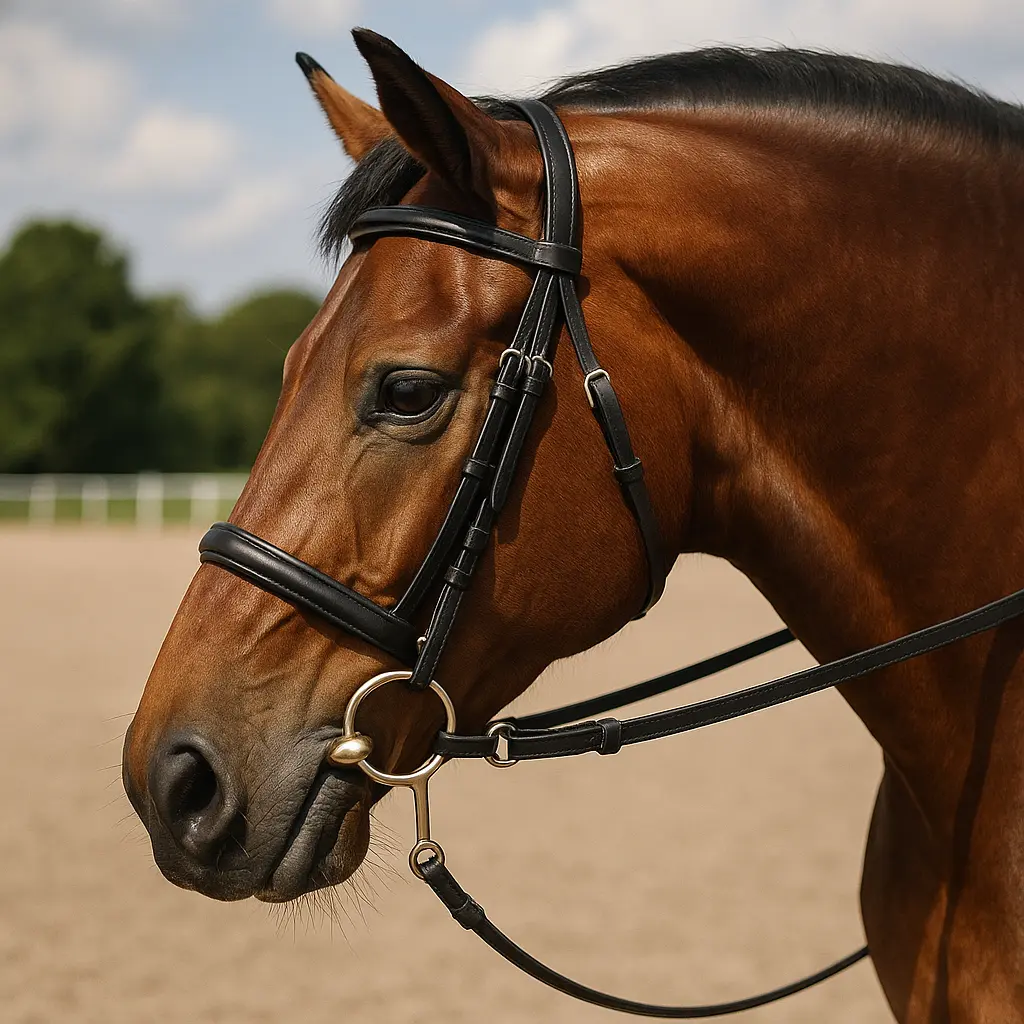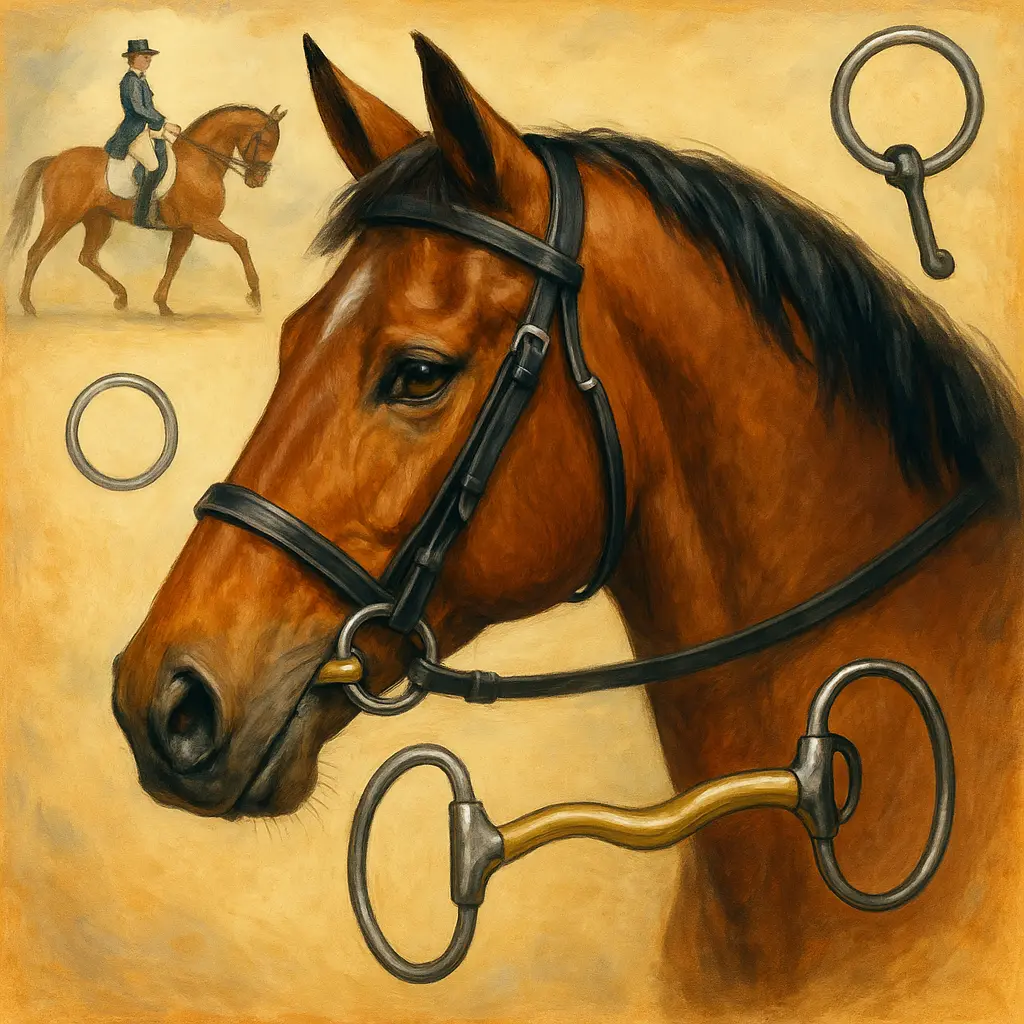
Struggling to find a bit that keeps your horse soft, straight and confident in the ring? A single‑jointed hanging cheek snaffle (often called a Baucher) can give you stability and subtle poll influence without stepping outside UK competition rules.
Key takeaway: A single‑jointed hanging cheek snaffle is legal for UK dressage, eventing and showjumping when used with a snaffle bridle, and—when correctly fitted—offers steadier contact and mild poll pressure to help sensitive or fussy horses.
What is a single‑jointed hanging cheek snaffle?
A single‑jointed hanging cheek snaffle is a snaffle with a fixed upper cheek that suspends the mouthpiece in the mouth, adding mild poll pressure without a curb chain. It suits horses that prefer a quieter bit and more stable contact.
The hanging cheek (Baucher) geometry holds the bit slightly higher and steadier than a loose ring, which can help horses who dislike excessive movement or who benefit from a little extra lateral control. Because it’s still a snaffle (no leverage or curb action), it’s widely accepted across UK disciplines when used with a single noseband and a snaffle bridle.
Is it legal for UK competitions?
Yes—hanging cheek snaffles are permitted in dressage, eventing and showjumping under UK rules when used appropriately. British Dressage allows hanging cheek snaffles within a snaffle bridle, provided they match the approved shapes and diagrams, including jointed mouthpieces with rounded or ergonomic centres (Equine‑World summary of BD tack rules). British Eventing also permits hanging cheek snaffles as normal jumping bits in the showjumping and cross‑country phases (Eland Lodge guide), and British Showjumping lists them among its permitted options, noting that where curbs are used on other bits they must not exceed 6 cm from mouthpiece to cheek top (Redpost Equestrian’s rules guide).
Always check the most recent tack guides before you load the lorry—especially if you’re moving up a level or swapping disciplines. As British Showjumping advises:
“Riders are advised to regularly review permitted tack lists, particularly when moving up levels or disciplines.”
Useful sources to bookmark:
- UK dressage tack rules overview
- British Eventing tack rules explained
- British Showjumping practical guide to permitted equipment
How should you fit it for welfare and performance?
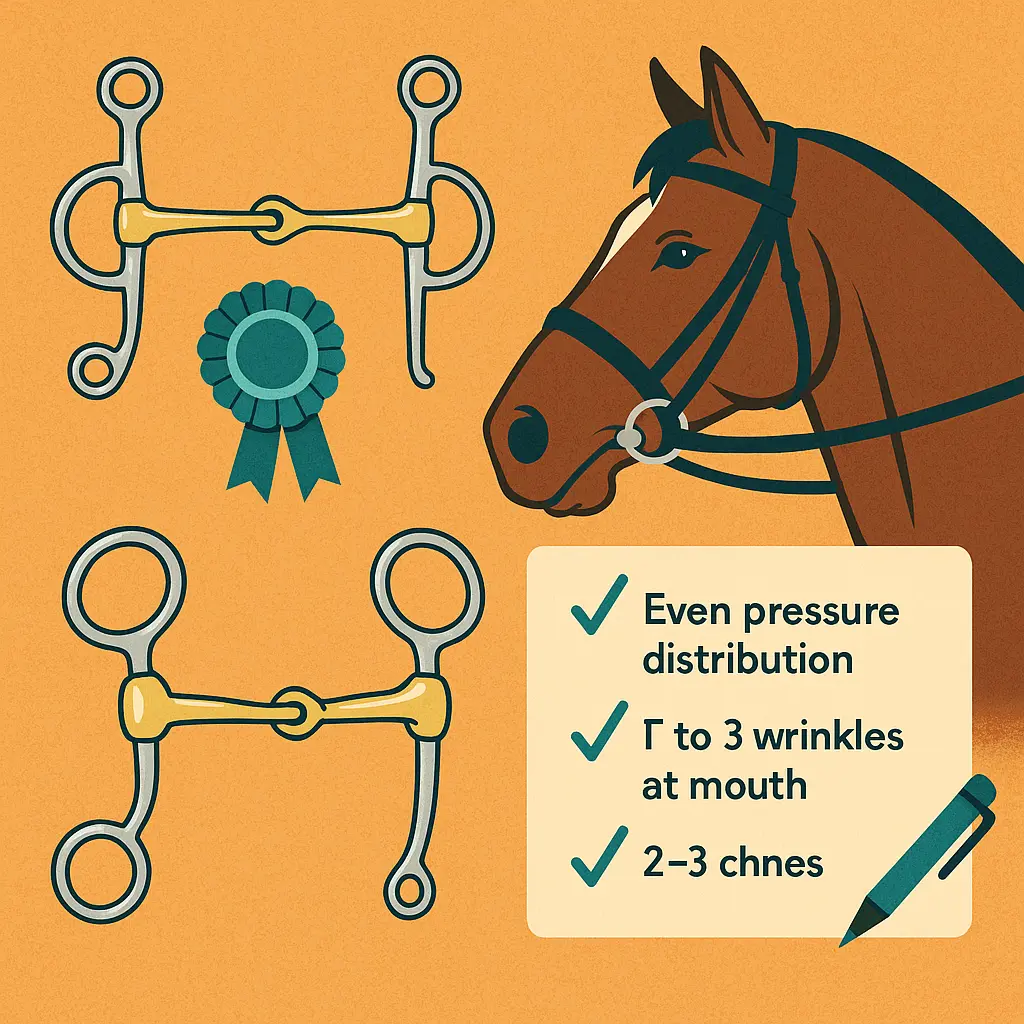
Fit the bit so you see 2–3 small wrinkles at the corners of the mouth and ensure the single joint does not contact the roof of the mouth. Choose a width that allows even pressure without pinching, and check the central joint lies flat when a contact is taken.
Welfare starts with fit. A single‑jointed mouthpiece should sit so the joint angles comfortably over the tongue, not poking the palate when a rein is taken. Check that there’s daylight between the lips and rings (if loose ring) and that cheeks and lips aren’t being drawn tight by an over‑short bridle. Look for acceptance: a quiet mouth, soft chew, and symmetrical foam—not gaping or grinding.
The Riding for the Disabled Association (RDA) puts welfare front and centre:
“Great care must be used when fitting any bits, for the welfare of our horses. As well as ensuring the bits are correctly fitted, the group must also consider the skills of the rider… If anyone is unsure, contact [a] Coach or Regional Equine Advisor.”
Under RDA guidelines, use a single noseband (cavesson, drop, flash or grackle) with a snaffle bridle, and ensure curb chains (if using a double) include a lip strap and are approved (RDA Rulebook Inserts 2021). These principles mirror mainstream UK sport expectations for tack checks: comfort first, and the setup must match your horse-and-rider combination’s skill level.
Quick tip: In the UK, the BHS prohibits trimming sensory whiskers; leaving those tactile hairs intact helps horses navigate contact comfortably, especially in colder, wetter months when skin can be more sensitive. Keep the lips and bit corners clean and supple—our grooming essentials make that pre‑ride wipe‑down easy.
Which mouthpiece and material suit sensitive tongues?
Choose an ergonomic, curved single‑jointed mouthpiece and a salivation‑friendly alloy to reduce nutcracker action and tongue pressure. The Neue Schule Demi Anky is a well‑known example of a curved single‑jointed design made from Salox Gold.
Single joints get a bad reputation for “nutcracker” action, but geometry matters. Ergonomic curves keep the joint aligned over the tongue instead of poking the palate, and they spread the rein aid more evenly. The Neue Schule Demi Anky loose ring pairs a curved, single‑jointed 16 mm mouthpiece with 70 mm rings. It’s designed to soften the classic nutcracker effect, reduce tongue pressure and encourage acceptance. It’s offered in sizes including 5.5", and the Salox Gold alloy is engineered to warm quickly and promote salivation—handy in dry indoor arenas or on chilly winter mornings.
If you prefer the steadiness of a hanging cheek, look for the same ergonomic single‑jointed profile, just mounted on Baucher cheeks. UK riders on the Horse & Hound forum often suggest more affordable curved single‑jointed options—such as Widgeon, SportsmansB or Cotswold Sport tongue‑saver styles—as practical alternatives to premium NS models for fussy mouths (H&H thread 1) (H&H thread 2).
Pro tip: In UK autumn/winter, prioritise alloys that encourage a moist mouth. Dusty indoor schooling and cold winds can dry the tongue and lips, so warming materials (like Salox‑type high‑copper blends) and a well‑fitting cavesson help keep the bit comfortable.
Loose ring vs hanging cheek — which to choose?
Go loose ring if your horse benefits from more mobility and play in the contact; choose hanging cheek if you want stability, lift in the mouth and mild poll pressure. Both can be dressage‑legal when they match the approved diagrams.
Loose rings encourage a softer jaw through increased movement, which some horses love—but it can feel “busy” to others. Hanging cheeks suspend the mouthpiece, creating a steadier feel and a small amount of downward poll influence that can help some horses lower, soften and steer. If your horse leans, a curved single‑joint can help you keep the mouth inviting; if your horse wobbles or tosses, the Baucher’s stability may settle the picture.
For competition days, pair either option with a single noseband (cavesson, drop, flash or grackle) and a smart, rule‑compliant turnout. If you’re refreshing your show wardrobe, browse our curated women’s competition clothing and safety‑first riding helmets to complete the picture.
Seasonal and training considerations in the UK
In colder UK months, pick materials and mouthpieces that promote salivation and avoid over‑tight setups that can pinch chilled lips. Progress your training in a snaffle first, and only move to doubles with coaching oversight and governing‑body approval where required.
Cold, damp weather can make lips and commissures more sensitive. Keep your setup inviting by avoiding narrow, harsh mouthpieces and ensuring the bridle isn’t cranked. The RDA highlights that double bridles require approval and curb chains should always use a lip strap (RDA Rulebook Inserts 2021)—a good reminder to build your way up thoughtfully with coach support rather than rushing equipment changes.
Planning winter schooling and early‑season prep? Keep your horse comfortable outside the arena too. Dry, cosy layering helps maintain overall relaxation and acceptance on the rein, so check your horse’s wardrobe of winter turnout rugs and stable layers. When you’re trialling a new bit out hacking, pop on reliable hi‑vis so you can focus on feel while staying seen.
Quick tip: If your horse is tense about a new mouthpiece, pair short sessions with positive reinforcement. A pocketful of suitably sized, low‑sugar rewards from our horse treats range can help you mark the moments of soft, correct chewing you want to encourage.
Buying, trying and budgeting your bit choice
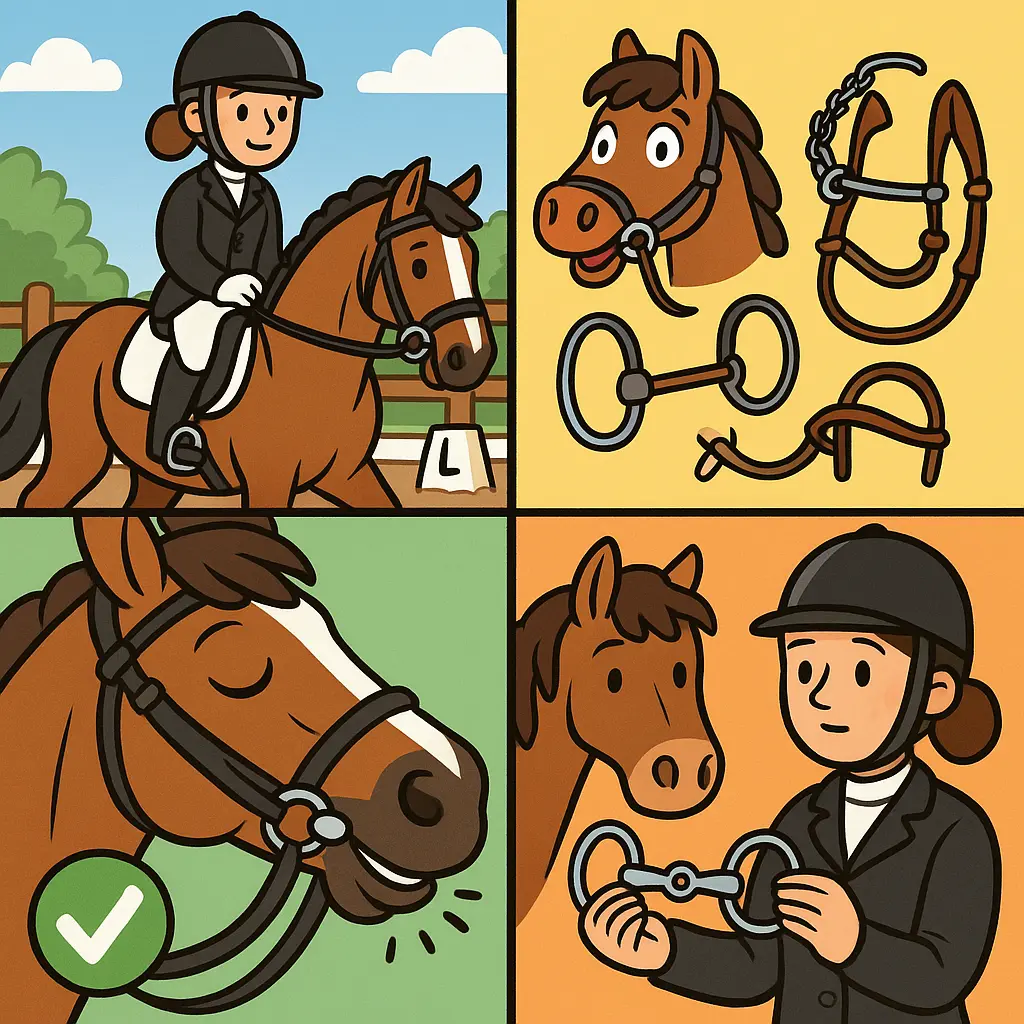
Measure carefully, use trial schemes where possible, and explore value alternatives that copy the same ergonomic geometry. Premium designs like the Demi Anky are popular, but well‑reviewed budget options can suit many horses.
Because every mouth is different, the smartest route is to test. UK retailers sometimes offer 30‑day bit trials (e.g., HorseBitBank), which is a cost‑effective way to confirm what your horse likes before you commit. If a curved single‑jointed loose ring rides well but you need extra stability for dressage, try the same mouthpiece on a hanging cheek. If your horse sulks in stainless steel, switch to a high‑copper alloy to encourage salivation.
Forum‑recommended alternatives such as Widgeon, SportsmansB and Cotswold Sport tongue‑saver patterns can echo the feel of premium designs at a friendlier price point. Just make sure any alternative matches the competition rule diagrams for your discipline. And if you’re building a show kit on a budget, our Secret Tack Room clearance is a great place to pick up last‑season bargains on high‑quality essentials.
Round out your showjumping or cross‑country setup with protective horse boots and bandages—and remember that bit choice is only one piece of the way your horse feels over fences.
Common mistakes and getting through tack checks
Use only one noseband with your snaffle bridle, don’t add a curb chain to a Baucher, and read the latest governing‑body diagrams before you go. These simple checks help you breeze through inspections.
Key points to remember:
- Dressage: Hanging cheek snaffles are permitted with a snaffle bridle; synthetic (rubber/nylon) bits are fine if they match the approved jointed or straight shapes (BD tack guide summary).
- Eventing: Dressage bits must follow the British Dressage Tack Guide; for showjumping and cross‑country you may use hanging cheek snaffles, Pelhams, gags, hackamores or bitless options—but no metal curb chains except on specified bits like Pelhams/Kimblewicks/Weymouths (Redpost BE notes) (Eland Lodge).
- Showjumping: Snaffles with hanging cheeks are widely permitted; where curbs are used on other bits, the curb must not exceed 6 cm from the mouthpiece to cheek top (British Showjumping guidance).
- Bit guards: If used, keep them smooth and unobtrusive; the RDA notes rubber, smooth guards are acceptable where appropriate (RDA).
- Pony classes: Some specific bits (e.g., certain Myler combinations) can be restricted—always check your class schedule against the tack lists.
If in doubt, email British Showjumping at [email protected] with a photo of your bit and bridle setup, and consult the British Dressage Tack Guide or your BE rulebook before competing. At Just Horse Riders, we recommend a final home “tack check” rehearsal: pop your gear on, take photos from all angles, and confirm every part matches the diagrams.
Going out soon? Don’t forget the rest of your kit: a compliant riding helmet and weather‑ready layers. If you’re schooling outdoors in changeable weather, a reliable set of turnout rugs keeps your horse comfortable and focused when you tack up on chilly mornings.
Conclusion: a kinder single‑jointed option that ticks the rulebook
A single‑jointed hanging cheek snaffle gives you a steadier, more stable contact with mild poll influence—ideal for sensitive horses and for riders who want a rule‑compliant option across dressage, eventing and showjumping. Fit it with care, choose an ergonomic mouthpiece and salivation‑friendly material, and always cross‑check the latest tack lists before you compete. Ready to refine the rest of your kit? Explore our show‑day essentials, from competition clothing to protective horse boots and bandages, so you and your horse feel confident from warm‑up to final halt.
FAQs
Is a hanging cheek single‑jointed snaffle legal for UK dressage?
Yes. Hanging cheek (Baucher) snaffles are permitted in British Dressage when used in a snaffle bridle, provided the mouthpiece matches the approved shapes and diagrams for jointed bits (BD tack rules summary).
Will a hanging cheek snaffle create poll pressure?
Yes, but only mild downward poll influence via the upper cheek fixing—there’s no curb leverage. Many horses find the added stability and slight poll cue reassuring.
What size should I choose and how should it sit?
Fit so you see 2–3 fine wrinkles at the mouth corners, with the joint lying comfortably over the tongue and not touching the roof of the mouth when a contact is taken. Check for even pressure and no pinching at the lips.
Are synthetic single‑jointed Bauchers allowed in competition?
Yes—rubber or nylon mouthpieces are typically allowed if they follow the approved jointed or straight shapes listed for your discipline (see dressage overview). Always verify with the latest rulebook.
What are good alternatives to the Neue Schule Demi Anky for sensitive tongues?
Riders on Horse & Hound forums often recommend Widgeon, SportsmansB and Cotswold Sport tongue‑saver styles as gentler, budget‑friendly takes on curved single‑jointed designs (H&H alt‑NS thread).
Can I use a curb chain or bit guards with a Baucher in eventing showjumping?
Don’t add a curb chain to a Baucher. In British Eventing, metal curb chains are only allowed on specified bits such as Pelhams, Kimblewicks or Weymouths (BE/BS guidance). If you need bit guards, keep them smooth rubber and unobtrusive per welfare guidance (RDA).
How can I help my horse accept the bit in winter?
Choose a warm‑to‑the‑mouth alloy that promotes salivation (e.g., Salox‑type), keep the lips clean and supple, and avoid over‑tight nosebands. Pair short sessions with rewards—our treats are perfect for reinforcing soft chewing—and keep your horse comfortable in well‑fitting turnout rugs when schooling in cold weather.