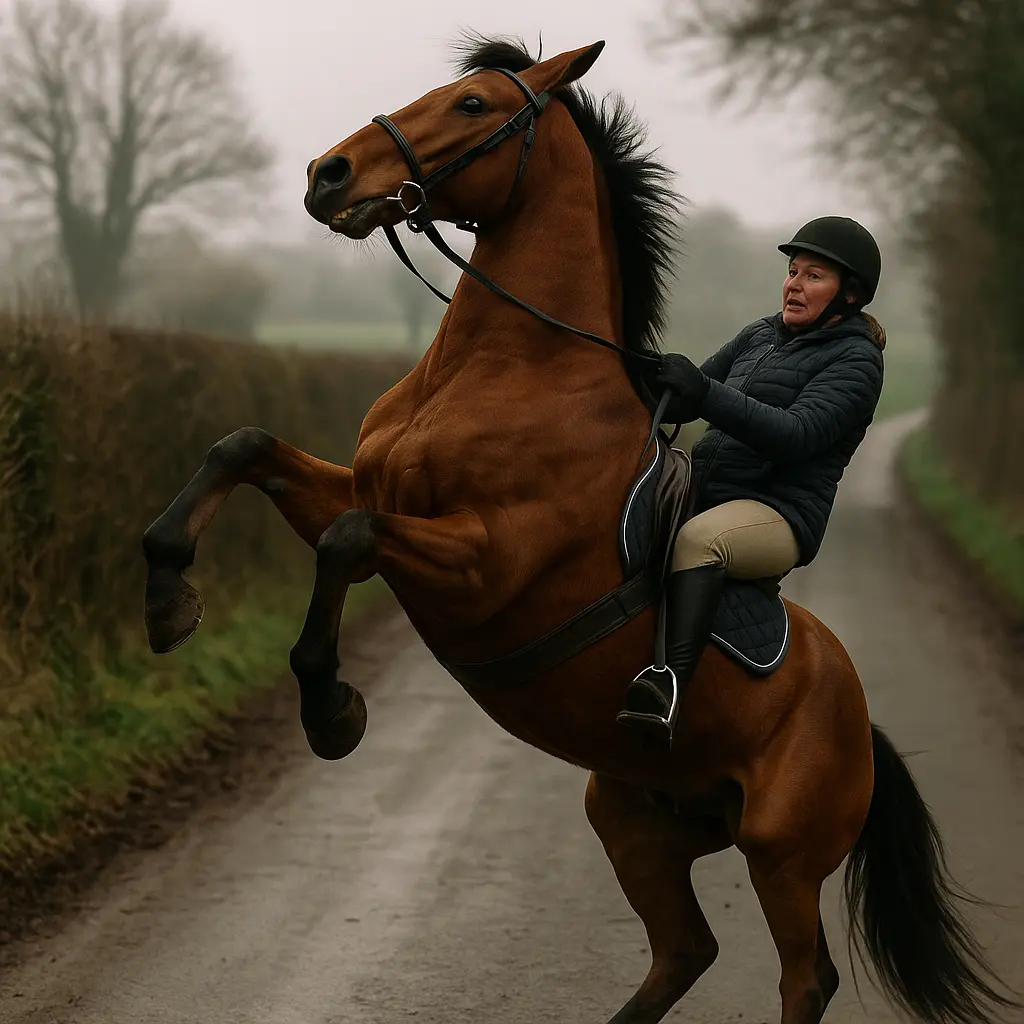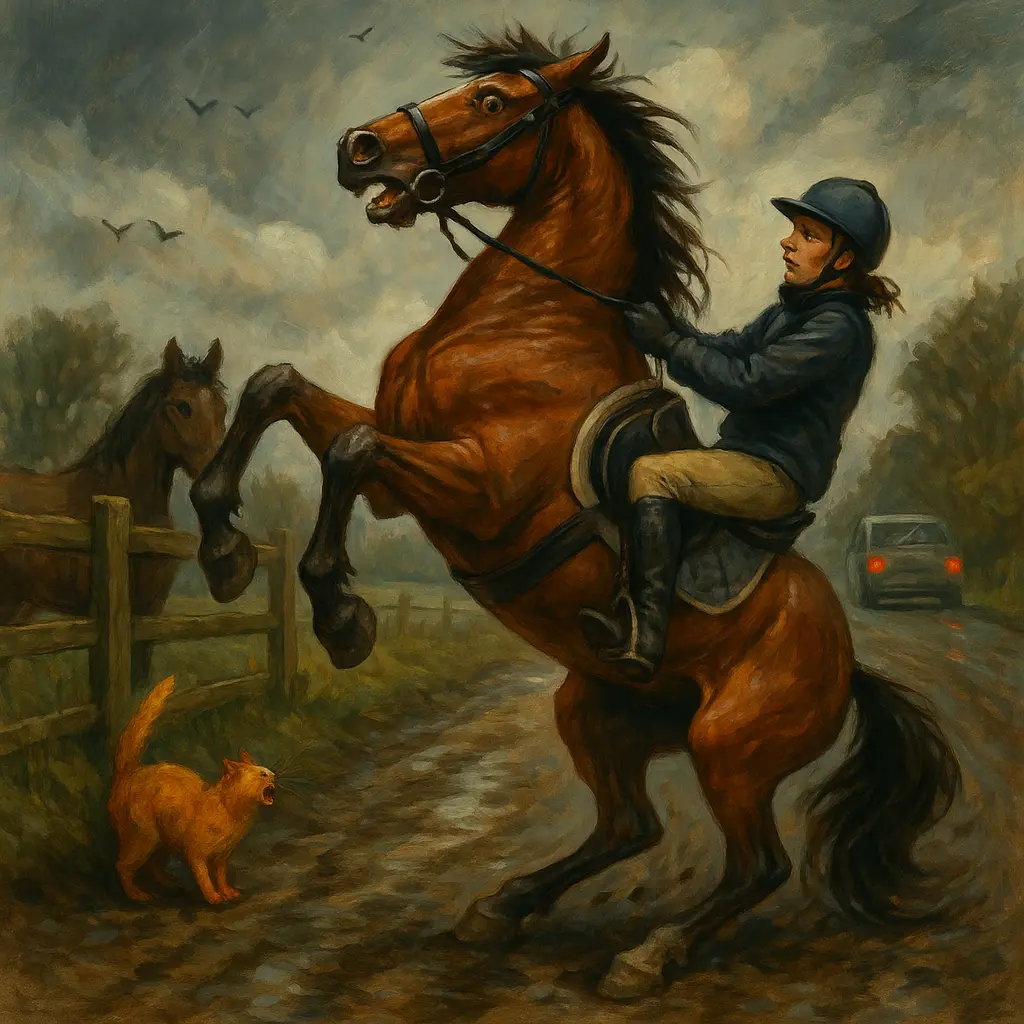
Your horse plants his feet, spins for home or grinds to a halt at the same gateway every time — it’s frustrating, worrying and sometimes dangerous. The good news is that napping is solvable when you tackle the real cause, not the symptom.
Key takeaway: In the UK, most napping starts with pain or fear — not “naughtiness” — so rule out discomfort first, then retrain calmly and consistently.
What is napping and why it happens
Napping is a refusal to go forward or leave a location, most commonly driven by pain (around 80% of cases) or anxiety, not stubbornness. It often starts with subtle signals and, if ignored, can escalate to spinning, bucking or rearing.
Research and front-line behaviourists agree that pain is the biggest piece of the puzzle. In UK leisure horses, lameness affects 26% — with older horses 4.23 times more likely to be affected — and discomfort of any kind can show up as “I won’t go” under saddle. Add in that 11% of UK recreational horses have handling problems and 9% show antisocial or abnormal oral behaviours linked to stress, and it’s easy to see how “napping” is usually a horse saying “I can’t” or “I’m worried,” not “I won’t”. Among UK riders, hacking is the most common activity (69%), and it’s also where napping often appears thanks to separation anxiety, narrow lanes, traffic, hedge “monsters”, drain covers and farm animals on verges.
“About 80% of cases I see have pain as a contributing factor. There are often behavioural aspects as well... but pain is really common and it’s really under-recognised in horses.” — Dr Gemma Pearson, equine veterinary behaviourist (Horse & Hound)
Subtle signs like hesitation, tail swishing, head tossing or an ear fixed on “home” can morph into backing up, planting, or spinning if the underlying issue isn’t addressed. Our earlier guide outlines how these early whispers become shouts if missed (Just Horse Riders: Understanding and Overcoming Equine Napping).
For prevalence, welfare and context, see the UK/Ireland study of recreational horses (PMC).
First step: rule out pain and poor fit
Because pain is implicated in around 80% of napping cases, book a veterinary exam, saddle fit check and dental assessment before you try to “train through” it. Use an objective framework like Sue Dyson’s Ridden Horse Pain Ethogram to flag pain-related ridden behaviours.
Start with your vet to investigate lameness, sore backs, sacroiliac discomfort, gastric issues or dental pain. The UK Animal Welfare Act 2006 places a legal duty on owners to address pain and discomfort promptly; if your horse started napping suddenly, treat it as a welfare red flag. Vets guided by BEVA standards will often perform an in-hand and ridden assessment and may recommend targeted diagnostics if subtle lameness is suspected — a common scenario in older or seasonally stiff horses, particularly in cold, damp weather.
Next, call a professional saddle fitter. Even a well-made saddle becomes uncomfortable with weight or muscle changes, or after months of heavy rug use compressing flocking. Bridles and bits that pinch or sit too low, or a noseband that’s too tight, can turn a willing horse into a reluctant one the moment you pick up a contact. Dental checks are equally important; sharp enamel points or a wolf tooth can make every step feel punishing.
“Napping is often considered to be a behavioural problem, however pain must always be ruled out as a primary cause. Back pain, lameness, ill-fitting tack or teeth problems can all lead to an uncomfortable horse whose subtle signs of discomfort may have been overlooked.” — Jen, equine professional (Napping Q&A)
Use the ridden pain ethogram indicators — for example, repeated tail swishing, nose tilting beyond 10 degrees for five seconds or more, or an open mouth with teeth exposed for ten seconds — as an evidence-based checklist to decide whether training should pause and the vet should step in (Horse & Hound).
Tack and teeth: quick checks you can do today
Ill-fitting tack and dental pain are common, fixable napping triggers; schedule regular checks and make small adjustments now while you wait for professional appointments. Comfort improvements often transform “stuck” into “forward.”
Quick tack check list you can do today:
- Saddle balance: With your horse standing square, confirm the saddle sits level, with even contact and 2–3 fingers’ clearance at the wither. If it drops on landing or tips back in rising trot, stop riding and call your fitter.
- Girth comfort: Look for skin wrinkling, sores or galls behind the elbow. Swap to a shaped or elasticated girth only after professional advice.
- Bridle and bit: Ensure cheekpieces create 1–2 wrinkles, the bit is the correct width, and the noseband allows at least two fingers’ space. Check for rubs, head tossing or mouth opening under contact.
- Rug pressure: Winter rugs can alter saddle fit; recheck whenever you change rug weights or notice wither dips or trapezius tenderness.
- Dental routine: Book 6–12 monthly dental checks with your vet or a suitably qualified equine dental technician working under veterinary referral. Watch for quidding, head tilting, resistance to bridling, or unilateral bit chewing.
Quick tip: A thorough post-ride groom is a welfare check as much as a shine-up — run your hands under the saddle area, along the girth line and under the browband to catch heat, swelling or rubs before they become a “no” tomorrow.
Build forward confidence: a step-by-step retraining plan
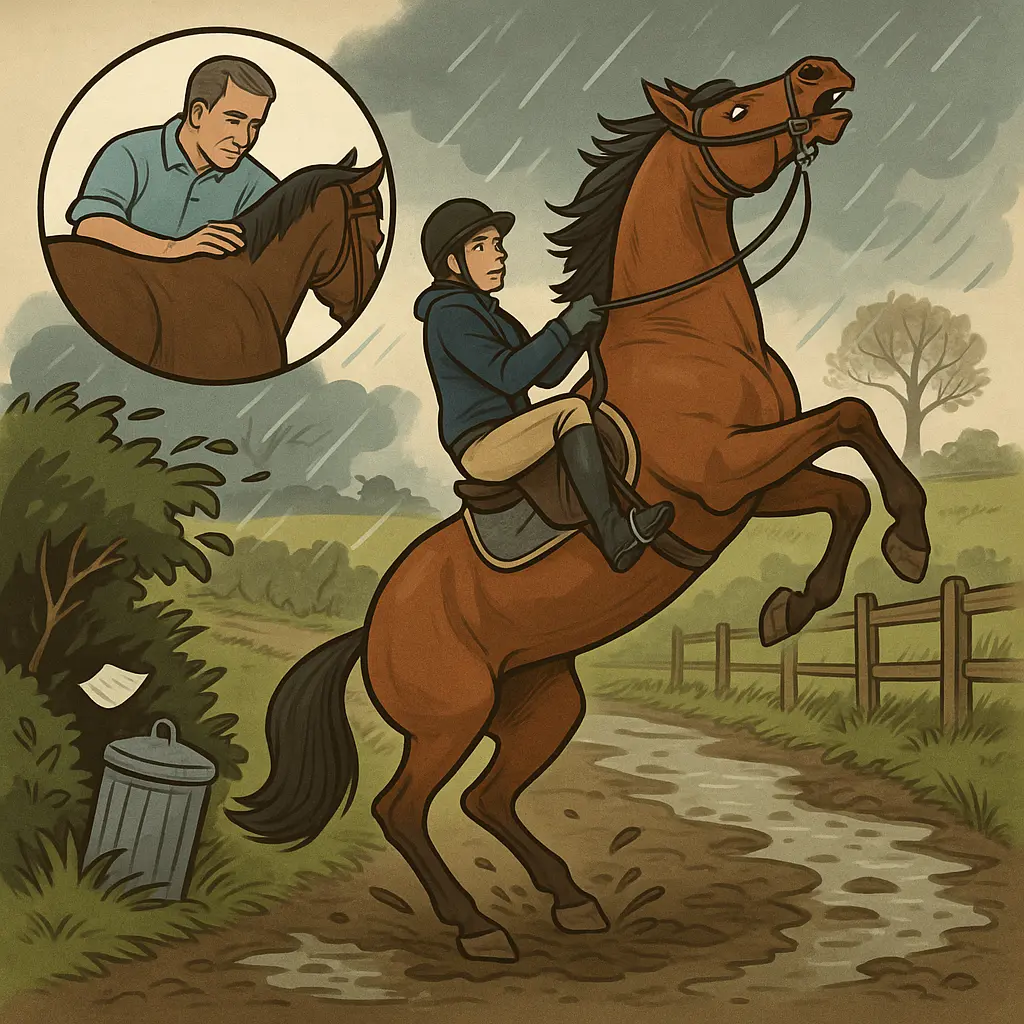
Retraining works best when you start in a low-pressure place (like an arena), reward every try, and teach “go forward” from light, consistent aids. Punishment increases fear and makes napping worse.
Once you’ve cleared pain, rebuild your horse’s confidence and understanding step by step:
- Reset in-hand: Lead in a calm area. Stop, ask for one soft step forward from a light cue, then reward instantly with your voice, a scratch, or a small food reward. Repeat until “one step = good things”.
- Long-rein or lunge for “go”: Teach a clear verbal cue (e.g., “walk on”) paired with a light whip tap behind your leg position as a signal, not a punishment. Keep sessions short, forward and curved to prevent bracing.
- Mount up in the arena: Ask for one or two steps off a light leg, then halt and reward. Grow to a long side, then a full lap. Keep the rein soft and the neck long to avoid conflict.
- Introduce tiny hesitations on purpose: Ride towards a cone or pole, ask for forward, praise the try, ride away, repeat. The horse learns that pausing and then going earns release and reward.
- Generalise gently: Move from arena to a quiet track with a calm buddy. Practise forward past “nothing special” until it feels boring. Only then add mild “spooks” at a distance, like a wheelbarrow or a hi-vis jacket on a fence.
- Go solo last: Start very short — out the yard, circle, home. Increase the distance by 50–100 metres each time confidence holds.
At each stage, use positive reinforcement. Many riders find that a pocket of small, low-sugar rewards helps mark the exact moment the horse chooses forward. For tidy, consistent rewards on the move, see our selection of tasty, rider-friendly training treats.
Pro tip: If your horse halts and tenses, keep your body soft. Breathe out, widen your hands a touch for straightness, apply steady calf pressure, add a single clear tap with a schooling whip if needed, then reward the first forward thought. Don’t escalate to repeated or harsh use — it teaches fear, not forward.
Hacking in the UK: manage triggers before they stack
Because 69% of UK leisure horses hack, manage fear triggers proactively: go out in company first, pick quiet routes and times, and stay highly visible and well-protected. Reducing “trigger stacking” prevents the hesitation that becomes napping.
UK hacks combine narrow lanes, blind bends, tractors, flapping bags in hedges, sheep popping out of gateways and drain covers that look like portals to another dimension. In wet and windy spells, the arousal dial is already high; adding separation from the herd can tip a horse over threshold. Start with a steady nanny horse, then wean off company later, keeping solo loops short and familiar.
Plan your route and timing. Choose off-peak hours, avoid high-wind days for first solo hacks, and let drivers see you early with certified hi-vis. Our customers often tell us that being clearly seen boosts their confidence as much as their horse’s. Kit up with high-visibility rider gear and a properly fitted, up-to-standard riding helmet on every ride. Good, grippy riding boots also help you keep a secure, quiet lower leg if your horse hesitates or sidesteps at a “hedge monster.”
When flies are lively in summer, many horses show tail swishing and head tossing that can feed into napping-like resistance. Minimising irritation with appropriate fly protection and a comfortable noseband setting can keep the arousal dial lower before you even leave the yard.
Quick tip: If your horse starts to nap towards home, circle onto a small loop where you can ride a few purposeful steps away, then reward and return. You’re not battling home-sickness; you’re teaching “forward answers feel safe.” Riding with a BHS-qualified instructor for a few accompanied hacks can shortcut this learning.
Rider influence: calm, consistent aids win
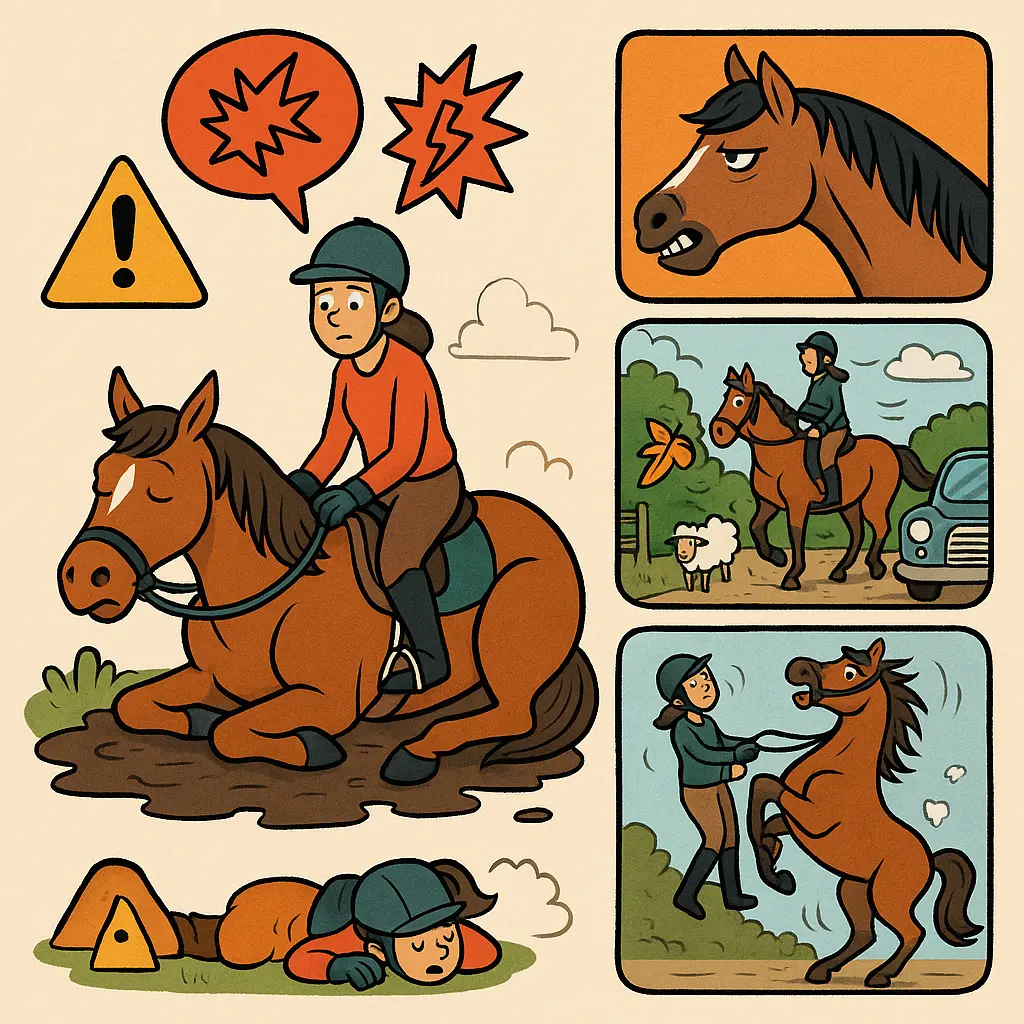
Tense riders can trigger or worsen napping; soften your seat and hands, breathe, and keep aids clear and consistent. A couple of lessons with a BHS-qualified coach can reset your timing and your horse’s trust.
Horses are social, synchronised animals; they mirror the arousal of their handlers. If you lock your hips, grip with the knee or clutch the reins as you approach a “sticky” spot, your horse reads “danger” and brakes. Swap that pattern for: exhale, lengthen your thigh, let your hands follow the neck, and apply a steady, supportive leg. If you need a confidence anchor, ride with a neck strap and practise moving it up the neck to encourage a soft, forward outline.
Groundwork helps riders too. Ten minutes of in-hand “walk on and halt” with clear markers (count three steps, halt, reward) rehearses the leadership you’ll use in the saddle. If you feel anxiety building, hop off, lead past, remount and carry on calmly — that’s smart horsemanship, not defeat.
Hooves, rugs and the seasons: keep winter lameness at bay
Winter mud, cold and abrupt ground changes increase lameness risk, so keep farrier visits regular and rug appropriately to reduce discomfort-driven napping. Older horses are particularly vulnerable to stiffness and arthritic aches in cold, damp conditions.
The UK’s long, wet winters are tough on joints and hooves. Slipping in gateways, soft soles, lost shoes and thrushy frogs can all turn “forward” into “no thanks.” Under the Farriers Registration Act, use a registered farrier and stick to an interval agreed for your horse; don’t stretch appointments when mud is deepest. Pair good hoof care with appropriate rugging to keep back and hindquarter muscles warm and willing. For wet, windy turnout, consider medium-weight, breathable, waterproof options from our range of durable turnout rugs. On cold stable nights, layer sensibly with stable rugs that maintain warmth without pressure on the withers or shoulders.
Older horses (and remember, 96% of UK leisure horses are over five) are 4.23 times more likely to show lameness in studies, and many carry low-grade arthritis that flares in winter. Regular physiotherapy check-ins can help, and some owners add joint-supporting nutrition. Explore our carefully selected supplements to support comfort alongside vet-advised management. Keep sessions shorter and warm up longer in the cold: 10–15 minutes of active walk and easy bending before asking for more.
Pro tip: Check saddle fit again after clipping and as rugs change through autumn and winter — small shifts in shape can create pressure points that show up as “stickiness” on the first hack after a cold snap.
When to call the vet, physio or behaviourist
Call your vet first if napping is sudden, escalating, or accompanied by ridden pain signs; bring in a chartered physiotherapist and a qualified behaviourist once pain is addressed. Video the behaviour and keep a log to speed up diagnosis.
If your usually willing horse slams on the brakes, spins for home or starts tail swishing and head tossing under saddle out of the blue, prioritise a veterinary assessment. Use the Ridden Horse Pain Ethogram prompts to describe what you see and when it happens. Once your vet has treated or ruled out pain, a chartered physio can help restore comfortable movement patterns, and a qualified behaviourist (for example, those working with UK charities like The Horse Trust) can structure a confidence-based training plan.
“Look for some of these things in your horse [from Sue Dyson’s Ridden Horse Pain Ethogram] and if they’re occurring, particularly when they go to nap, that might indicate we need to get the vets to look at the horse before we even start to look at the behavioural aspects.” — Dr Gemma Pearson (Horse & Hound)
At Just Horse Riders, we recommend you assemble a simple “napping toolkit”: a short video clip, a note of when/where it occurs, tack fit dates, dental/farrier/physio history, and what helps or worsens it. This gives your vet and professional team everything they need to help, fast.
Practical kit checklist
Small kit upgrades that improve comfort, clarity and visibility can make a big difference to a nappy horse’s confidence — and yours.
- Be seen and predictable: Certified hi-vis for riders and a properly fitted helmet.
- Secure lower leg: Supportive, grippy riding boots to keep aids steady and quiet.
- Comfort in all weathers: Weatherproof, breathable turnout rugs and cosy stable rugs to keep muscles warm and willing.
- Motivation that matters: Pocket-friendly training treats for clear, positive reinforcement.
- Support around the edges: Thoughtful supplements as part of a vet-advised comfort plan, especially for older horses in winter.
Remember: kit should support your training, not replace it. Clear, consistent handling and a pain-free horse are always the foundation.
FAQs
How do I know if my horse’s napping is pain or behaviour?
Start from the evidence: pain contributes to around 80% of napping cases. Book a vet exam, a professional saddle fit and a dental check first, and use Sue Dyson’s Ridden Horse Pain Ethogram cues (e.g., persistent tail swishing, head tossing) to guide you. Only when pain is ruled out should you focus on behaviour-only retraining (Horse & Hound).
Why does my horse nap when hacking alone but is fine in company?
Separation anxiety is common; horses are herd animals and “leaving friends” can feel unsafe. UK hacks also add stressors like traffic, hedge movement and drain covers. Start in company, then build short, positive solo loops — out, circle, home — increasing distance as confidence grows (Your Horse).
Can my own nerves cause or worsen napping?
Yes. Tension in your seat and hands tells your horse “be cautious”, which can trigger a stop. Practise breathing and softening your posture, use a neck strap, and consider a few sessions with a BHS-qualified instructor to reset your cues and timing.
Napping started suddenly — what should I check first?
Treat sudden napping as a welfare flag. Call your vet to check for pain or lameness (noting that 26% of UK leisure horses show lameness, especially older horses), review saddle and bridle fit after any weight or workload change, and book a dental check. Then, once cleared, rebuild confidence in a controlled environment (PMC study).
Is punishment or a big smack effective for napping?
No. Punishment increases fear and “trigger stacking”, making future stops more likely and more explosive. Instead, stay calm, apply a clear, steady leg and, if needed, a single light tap as a signal — then reward the first forward step. Positive reinforcement builds willingness faster than force.
How common is lameness in horses that nap?
In the UK leisure population, 26% experience lameness, and pain is implicated in roughly 80% of napping cases. Older horses are 4.23 times more likely to be lame, particularly in winter conditions — a major reason to investigate discomfort before labelling a horse “naughty” (PMC).
What’s one thing I can do this week to reduce napping on hacks?
Pick a quiet, familiar loop and go out with a steady buddy. Wear full hi-vis, choose off-peak times, and rehearse “forward for two steps, reward” at each known sticky spot. End while it’s going well and keep solo loops very short at first.