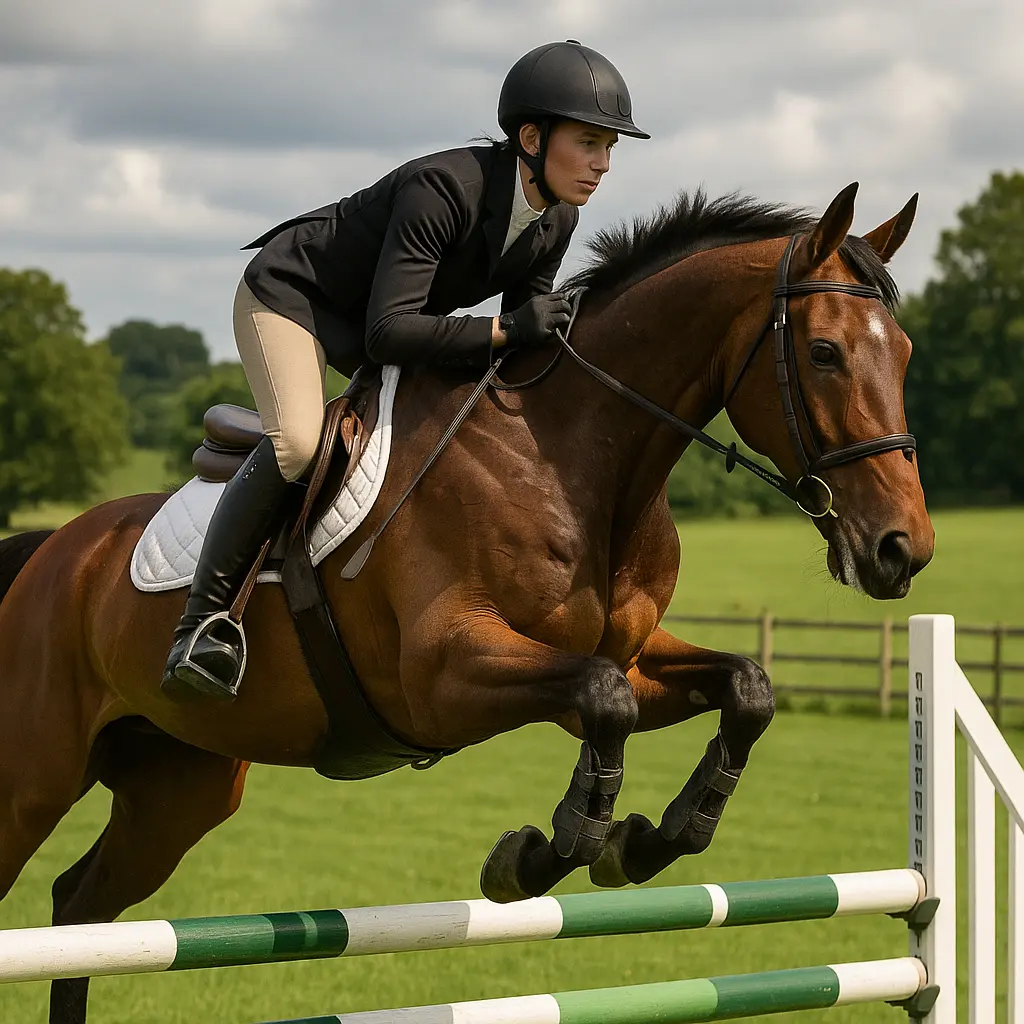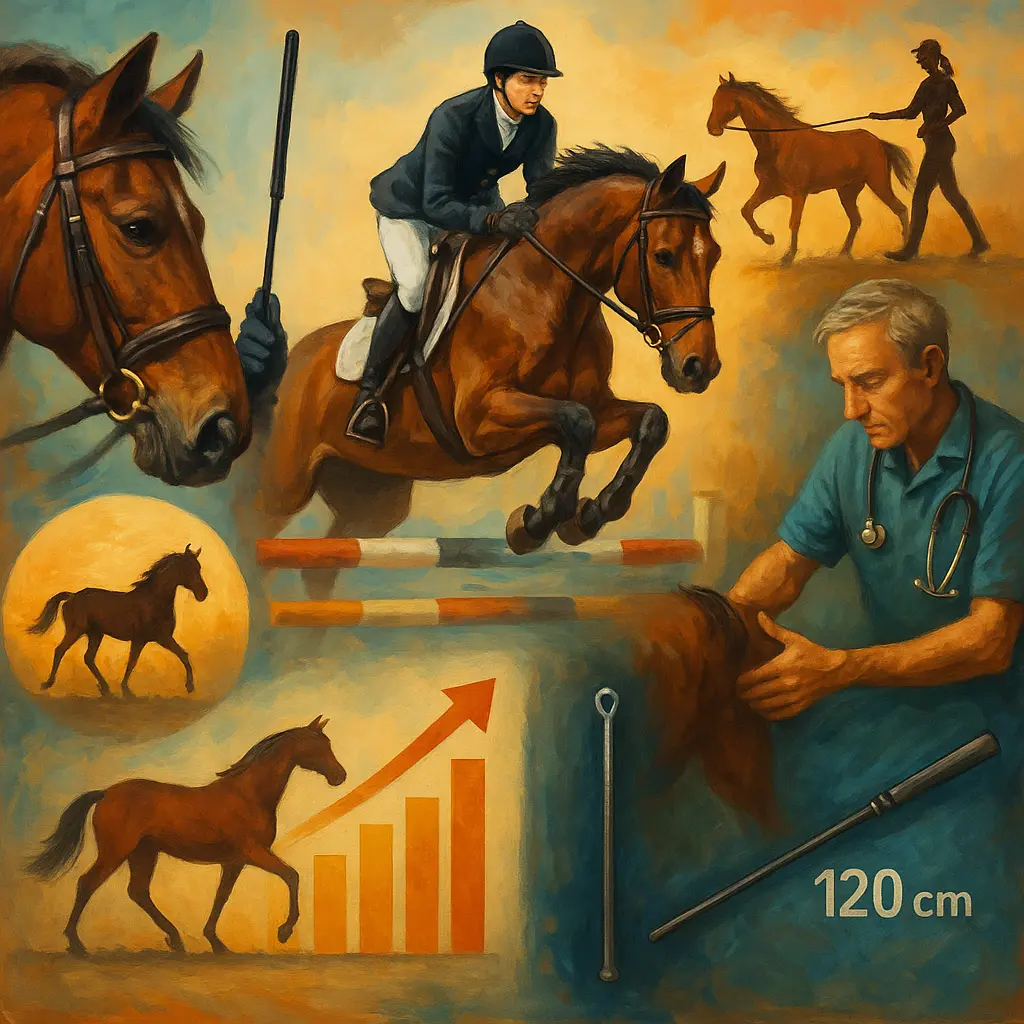
You want to level up your horse’s way of going without crossing the welfare line. The good news is you can absolutely ask for more — more balance, expression, accuracy and stamina — while keeping your horse confident, sound and willing.
Key takeaway: Progress should feel clear, calm and repeatable; the moment you see rising tension, fatigue or pain, you change the plan — not the horse.
The line between progress and pressure: what “asking more” really means
“Asking more” means improving quality and consistency step by step, only increasing demands when your horse stays relaxed, forward and attentive. It is not about forcing a bigger effort or repeating an exercise until the answer appears.
In practice, that looks like building clarity first (clear aids and straightness), confirming the response (a few good repetitions), and only then raising one element (slightly more engagement, a tidier transition, a more balanced line). If the rhythm tightens, the neck shortens, or you lose steering or forward desire, you’ve gone past the sweet spot — soften, simplify and rebuild. UK sport has leaned further into this approach: 2026 rule updates across eventing, showing, riding clubs and pony activities emphasise welfare, rider responsibility and stepping back when effort turns into risk.
Recognise the red flags: when to stop, regroup or pull up
Stop immediately if you see visible blood, irregular steps, sudden reluctance to go forward, or behaviours that escalate under pressure. In competition, 2026 eventing changes put extra weight on pulling up promptly and safely if welfare is in question.
At home or away, treat any of the following as lines you won’t cross today:
- Visible blood anywhere under tack or on the mouth
- Loss of rhythm, nodding, or unevenness that doesn’t resolve with a stretch
- Breathing that doesn’t settle during walk breaks
- Escalating stress signals — tail lashing, ear pinning, grinding, repeated rushing, planting, or napping that worsens when you ask again
These are not training problems to ride through; they are information. Reassess comfort (saddle fit, bitting, boot rubs), footing, footwear, and fitness. Eventing and showing officials now have clearer powers around visible blood and horse presentation; your best defence is an early, calm decision to stop, inspect and, if needed, retire. That protects your horse today and builds trust for tomorrow.
Set the right workload: frequency, duration and variety
Alternate schooling with hacking and rest days to develop fitness without overloading joints or mind. Variety keeps muscles fresh, feet moving on different surfaces, and the horse’s brain curious rather than defensive.
The British Riding Clubs’ 2026 welfare code highlights two big responsibilities: ensuring the horse is fit enough for the chosen task and respecting carrying-capacity guidance. That means adjusting session length and intensity for your horse’s current condition and your goals, not for what a schedule or social media reel suggests. Short, high-quality schools often beat long, grinding sessions; a forward hack or hill walk can do more for topline and mind than another 20 minutes in the corners.
Practical ways to balance load:
- Plan the week around one primary schooling day, one pole/cavaletti or jump day (if relevant), one to two varied hacks, and purposeful rest or in-hand days.
- Use walk breaks often; they are part of the training, not a concession.
- Keep sessions purposeful: warm up, address one or two focus points, finish with something easy and confirmed.
- Protect limbs on schooling or jump days with well-fitting protection from our horse boots and bandages range, and cool and check legs after work.
- For roadwork and low light, safety comes first — our rider hi-vis collection helps you stay seen on verges, lanes and bridleways.
Age, size and stage: ask what your horse can fairly offer today
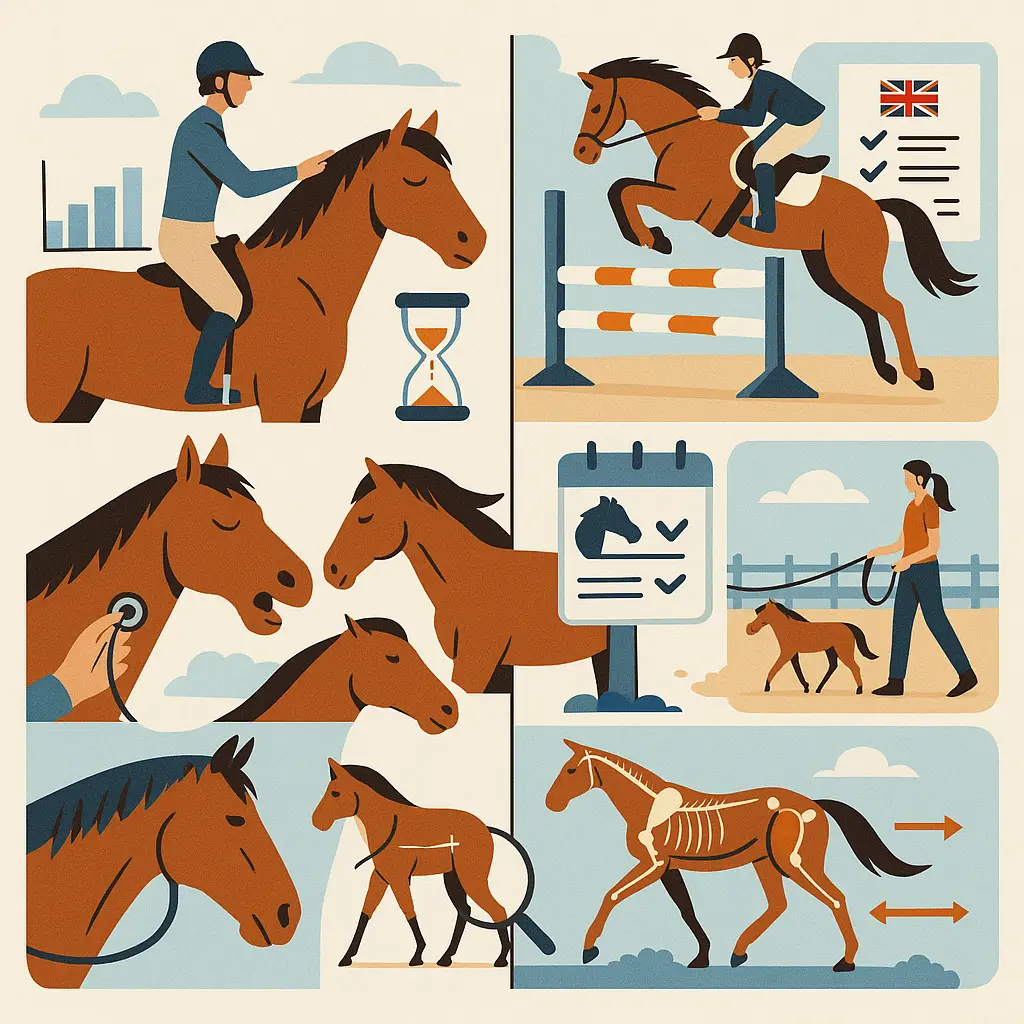
Match your goals to your horse’s age, conformation and training stage, not the calendar or class list. Welfare-led rules for 2026 — from Pony Club eligibility to Horse of the Year Show adjustments to pony course dimensions — underline that “right work at the right time” is non-negotiable.
Young or green horses need short, confidence-building exposures; older horses may need longer, slower warm-ups and more days between intense efforts. Ponies can be mighty athletes but still deserve courses and class structures that respect their size and stride; organisers have leaned into that with careful jump-setting updates for pony divisions. Equally, the Pony Club’s 2026 provisions on dangerous behaviour serve as a reminder: if a horse’s way of going becomes unsafe, the answer is training, time and vet checks — not more pressure.
Daily management supports the plan. Make rest real (outdoor movement if possible), and keep horses comfortable in changeable UK weather. Choose breathable turnout layering from our turnout rugs collection for wet, windy days, and switch to our stable rugs for cosy overnight recovery when stabled. The right rugging supports muscle recovery and helps you start each session with a softer, more willing back.
Tools and rules: whips, lunging and ethical schooling
Use schooling aids to clarify, never to coerce, and follow 2026 UK rules on whips and lunging. In dressage, a whip up to 120 cm (including lash) is legal, while eventing and showing have specific regulations on whip use and contact; rulebooks in 2026 emphasise correct use and clear limits.
The Showing Council’s welfare guidance also touches on appropriate lunge methods and schooling aids. Ethical lunging develops balance and communication; unethical lunging exhausts or frightens. Keep sessions concise, look for rhythm and relaxation, and prioritise even loading in both directions. If a tool escalates tension or masks a comfort issue, it is the wrong tool for that horse today.
Before you tack up, a thorough groom is more than cosmetic: it’s your first welfare check. Run hands over saddle and girth areas, check for heat, swelling or sensitivity, and inspect the mouth and limbs. Our curated grooming range helps you spot tiny changes before they become big ones. And if you’re heading into the ring, be competition-ready and comfortable in our competition clothing and safety-first with a properly fitted hat from our riding helmets collection — confidence rides better when you’re correctly kitted out.
Fuel, recover, repeat: everyday management that protects welfare
Hydration, forage, and incremental conditioning underpin performance and reduce injury risk. Good training cannot outrun poor preparation, tight backs, or empty fuel tanks.
Simple routines go far:
- Warm up with purpose — free walk, then lifting stretch lines that invite the back to swing.
- Cool down properly — return to a soft, swinging walk, then a light rug if the wind bites, and hand-walk if needed until respiration settles.
- After work, cold hose or ice as appropriate, then palpate tendons and backs before stabling or turning out.
- Support the daily diet with the right nutritional extras if advised by your vet or nutritionist; our targeted supplements range includes joint, hoof and digestion options to complement forage-based rations.
Quick tip: keep a simple post-ride checklist on your phone — respiration back to baseline, legs cool, appetite normal, demeanour bright. Small changes spotted early are far easier to solve.
A simple session blueprint: how to fairly ask for ‘more’ today
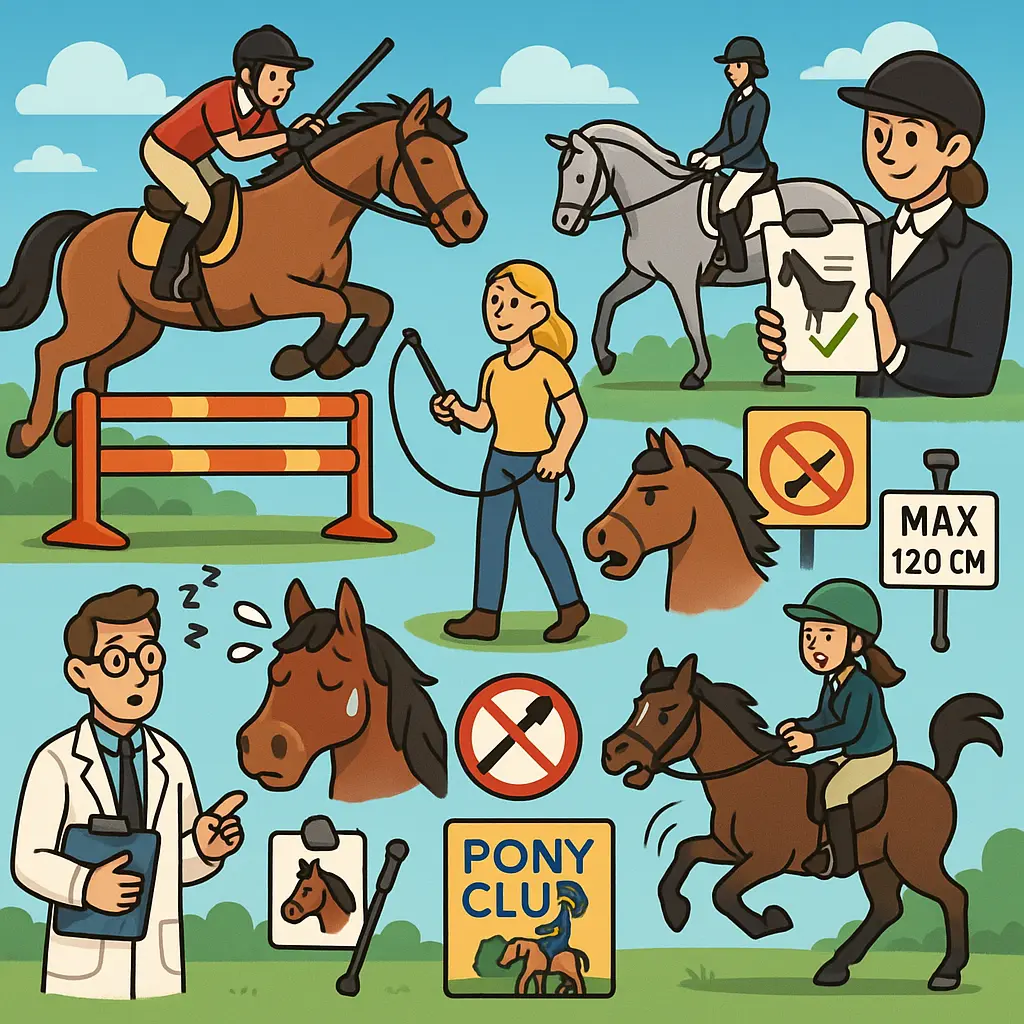
Start with a clear warm-up, ask one new question, then finish with something your horse finds easy. This simple pattern protects confidence while still nudging the standard forward.
Try this flow:
- Warm-up: free walk, then marching walk, then easy trot lines or large circles, adding gentle bend and stretch; keep hands light and neck long.
- Rehearse the building blocks: clear, prompt transitions; straight lines; even tempo. Reward generously for the first “yes”.
- Ask for “more” in one dimension only: for example, slightly more jump in the canter for a few strides, a tidier square halt, or a more uphill trot transition. If it frays, make it easier, succeed, and try a single, shorter attempt.
- Finish on familiar work that the horse enjoys: a hack loop, a stretchy trot, or a favourite pole line. Let the mind leave the school feeling clever.
Pro tip: redefine progress as “better” not “more”. Better balance for three strides today is more valuable than ten tense strides that you had to ride your horse into.
Competing fairly in 2026: what welfare-led rules expect of you
UK bodies have tightened rules on visible blood, whip use, fitness and dangerous behaviour — plan and ride accordingly. Across eventing, British Riding Clubs activities, showing and Pony Club sports, 2026 changes reinforce rider responsibility to step back when welfare is at stake.
Key welfare expectations echoed across sports this season:
- Eventing: greater emphasis on pulling up safely, clearer protocols on visible blood, and stricter whip regulations; this backs up your decision to stop when the picture is not right.
- British Riding Clubs: updated welfare code foregrounds equine fitness for the job and carrying-capacity considerations; bring a horse prepared for the level you enter.
- Showing: guidance on appropriate lunge methods, schooling whips and how much work or how many classes are reasonable for a horse in a day; quality beats quantity in the ring, too.
- Pony Club: sport updates covering horse age eligibility and provisions for dangerous behaviour; age- and stage-appropriate partnerships remain central.
- Dressage: the legal schooling whip length is 120 cm (including the lash); respect specifications and steward instructions at all times.
- Endurance: 2026 rule changes emphasise welfare, so plan pace, cooling and hydration with extra care, and keep learning from ride vets.
At Just Horse Riders, we recommend printing or saving your discipline’s 2026 rule summary and packing it with your passport. It makes on-the-day decisions simpler and helps you brief helpers and riders alike. For show days, staying organised and comfortable also matters: choose supportive, grippy footwear from our horse riding boots selection and ensure your hat remains within standards through our riding helmets range.
Finally, manage the ring-day edges kindly. Arrive with time to spare, keep warm-ups short and purposeful, and if the picture unravels, retire with your head high. That choice builds a better horse than any rosette ever will.
Conclusion: progress your horse with confidence and kindness
The art of asking more is simple: be crystal clear, build slowly, watch the horse in front of you, and let welfare be your north star. The 2026 rule landscape backs you to make brave, kind choices — at home and at shows. Equip well, plan with care, and you’ll see steadier, happier progress all season.
FAQs
How can I tell if I’m pushing too hard in schooling?
Look for tightness replacing swing, loss of forward desire, shortened neck, inconsistent contact, or a rising heart/breath rate that doesn’t settle during walk breaks. If you see visible blood, uneven steps or escalating resistance, stop, check comfort and footing, and simplify or end the session.
How many classes should my horse do in a day?
Follow your showing rulebook’s welfare guidance on appropriate work and class participation, and prioritise your horse’s fitness, stage and way of going. If quality drops, recover with walk and stretching; if it doesn’t return, withdraw kindly.
Is a schooling whip allowed — and how long can it be?
Yes, but within discipline rules. In dressage, a whip up to 120 cm (including lash) is legal; other sports set different limits and contexts. Always check the current rulebook and steward guidance before you enter the warm-up.
What should I do if I spot a small amount of blood at a show?
Pull up and present to a steward or vet if directed. Eventing and other sports have strengthened visible-blood provisions for 2026; rider-led decisions to stop are respected and protect your horse’s welfare and your future partnership.
How do I build fitness without a gallop track?
Use varied hacking, hills, transitions, and thoughtful pole work, interspersed with proper rest. Keep surfaces varied when possible and use protection wisely; our horse boots and bandages help safeguard legs during schooling days.
What kit helps reduce post-work soreness and speed recovery?
Good cool-down routines, limb checks, appropriate aftercare and consistent nutrition. Consider targeted support from our supplements and don’t skip the daily once-over with tools from our grooming range to spot heat or sensitivity early.
My horse gets nappy when I ask for more. What now?
Break the task into a smaller step and reward the first try. Confirm comfort (saddle, teeth, feet), rule out pain, and refocus on clarity: one aid, one answer, then rest. If in doubt, seek a qualified coach’s eyes on the ground and adjust the goal to suit today’s horse.