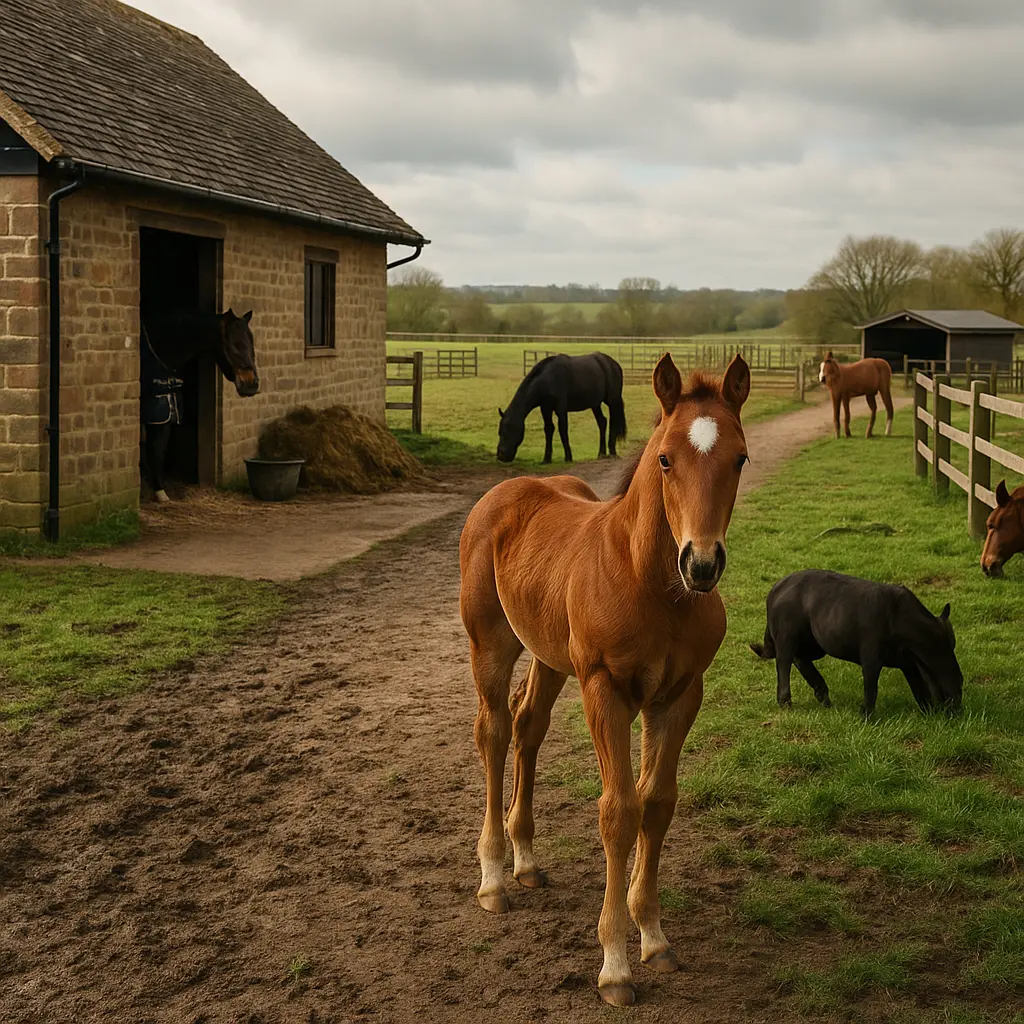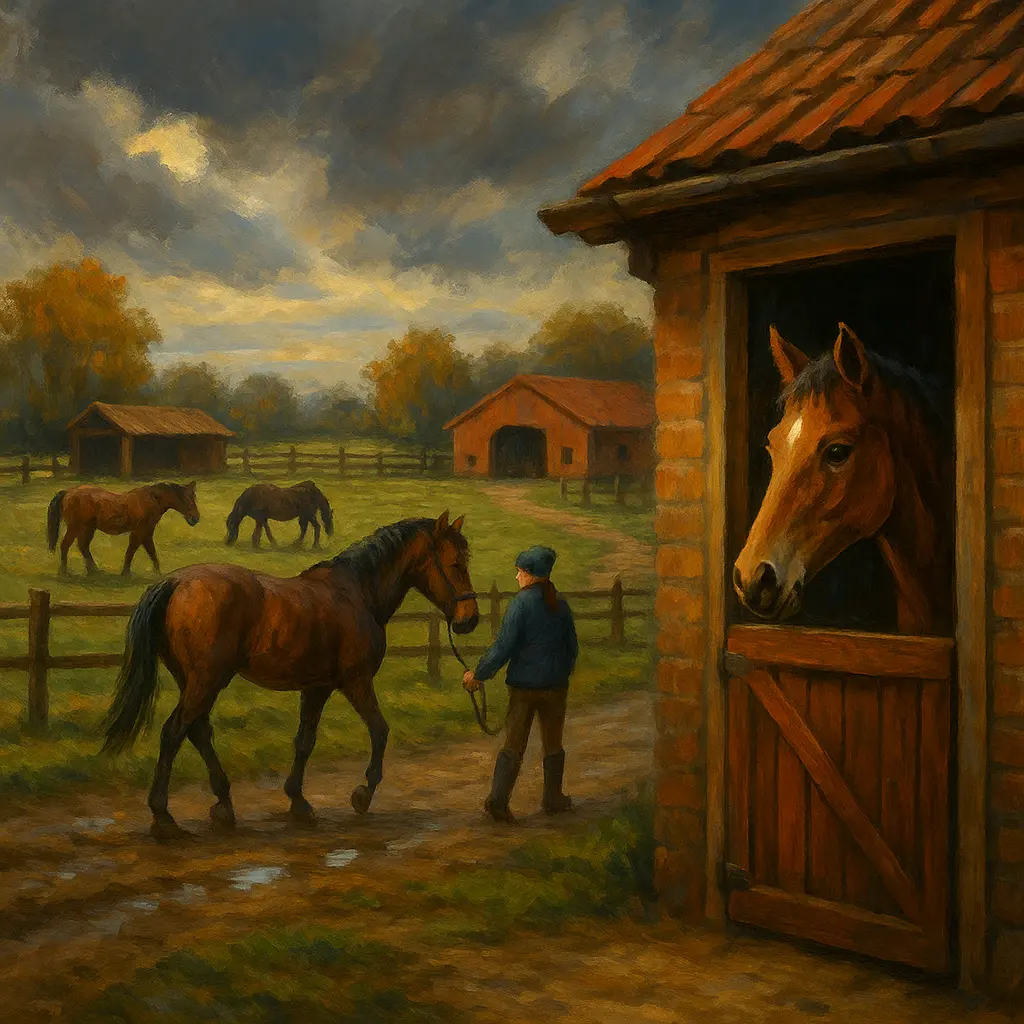
Bringing on a young horse is exciting — but where you keep them can make or break their early education. The right environment should keep them safe, settled and steadily exposed to the world they’ll work in.
Key takeaway: For most young horses, a well-run, BHS-approved livery yard offers consistent handling, routine and companionship; keeping at home works if you can provide multiple equines, robust facilities and reliable daily support.
Is a livery yard or home better for a young horse?
Choose the setup that guarantees consistent daily care, herd companionship and safe exposure to varied environments; for many youngsters, a good livery yard delivers this more reliably than a solo home arrangement.
Young horses thrive on company, routine and confident handling. The British Horse Society (BHS) is clear that horses are herd animals and should have equine companions; keeping a single horse at home isn’t appropriate unless you can provide company and a suitable environment (BHS guidance). A busy, supportive livery yard can be ideal for a social youngster who needs regular turnout with peers, professional oversight and calm exposure to yard life, farriers, vets and hacking.
Home can work brilliantly if you have more than one horse, safe turnout, year-round field management, and backup care for days you can’t be there. If you’re new to youngsters or work long hours, full or part livery offers a safety net of knowledgeable eyes on your horse every day.
Whichever you choose, prioritise proximity; the shorter the drive, the more consistently you’ll reinforce training and spot small changes early. Easy access to safe hacking or bridleways also supports confident, varied education in a UK context of changeable weather and short winter daylight.
How to assess welfare standards at a livery yard
Livery yards aren’t regulated like riding schools, so look for BHS or ABRS+ approval, proof of public liability insurance and a clear commitment to the UK equine welfare code.
Unlike riding schools, livery yards don’t have to meet mandatory welfare standards — which makes your due diligence essential (BHS). BHS Approved Livery Yards carry public liability insurance and comply with health and safety legislation, giving you a strong baseline of professionalism. When you visit, ask to see insurance certificates and staff training records, and — if possible — drop by unannounced to see the real daily routine.
“Yard facilities, and the knowledge and experience of the yard owner, yard manager and staff are also important considerations.” — British Horse Society
On the management side, ask about turnout groups, feeding routines, handling policies for youngsters, and who is on-site overnight. Confirm there’s a practical plan for emergencies like colic, including on-site supervision and a vet protocol. Good yards welcome honest questions and are proud to share their approach.
Pro tip: Speak to current liveries without staff present and walk the boundaries — fencing, gateways and field water points reveal a lot about daily standards.
Facilities and routines young horses need
For welfare and steady education, look for 12x12ft minimum stables for average-sized horses, secure fencing, structured field rotation, and regular, attentive staff.
Stable size matters for rest and recovery. The BHS-referenced minimum for an average horse is 12x12ft so the horse can lie down comfortably; go larger for big or growing youngsters (Horse & Rider UK). Fields should be safely fenced, with a visible rota for grazing and resting paddocks. Proper rotation helps grass recovery and reduces winter poaching — a common UK issue in wet conditions that can force yards to restrict turnout if not managed well.
“Consistency of your horse’s care is really important. Regular, attentive staff will notice small changes in his demeanour and take the relevant action if you’re not around.” — Horse & Rider UK
For a youngster, calm, consistent handling builds trust. Ask who will handle your horse daily, how behaviours (loading, feet, clipping, rugging) are taught, and how the yard communicates small changes in appetite, droppings or mood. Routine groundwork in different areas of the yard, plus safe, brief introductions to hacking in company, underpin confident progress.
UK weatherproofing also counts. In winter, ensure access to quality rugs and shelter to keep muscles warm as temperatures and rain fluctuate. At Just Horse Riders, we stock breathable, waterproof winter turnout rugs sized for growing bodies, plus protective horse boots and bandages for controlled exercise on varied surfaces. Daily grooming does more than shine a coat — it’s a vital hands-on health check; our curated grooming kits make that easy on busy yards.
Quick tip: Ask to see the muck heap and tool store — tidy, well-managed areas often reflect a well-run routine everywhere else.
Livery types and typical costs
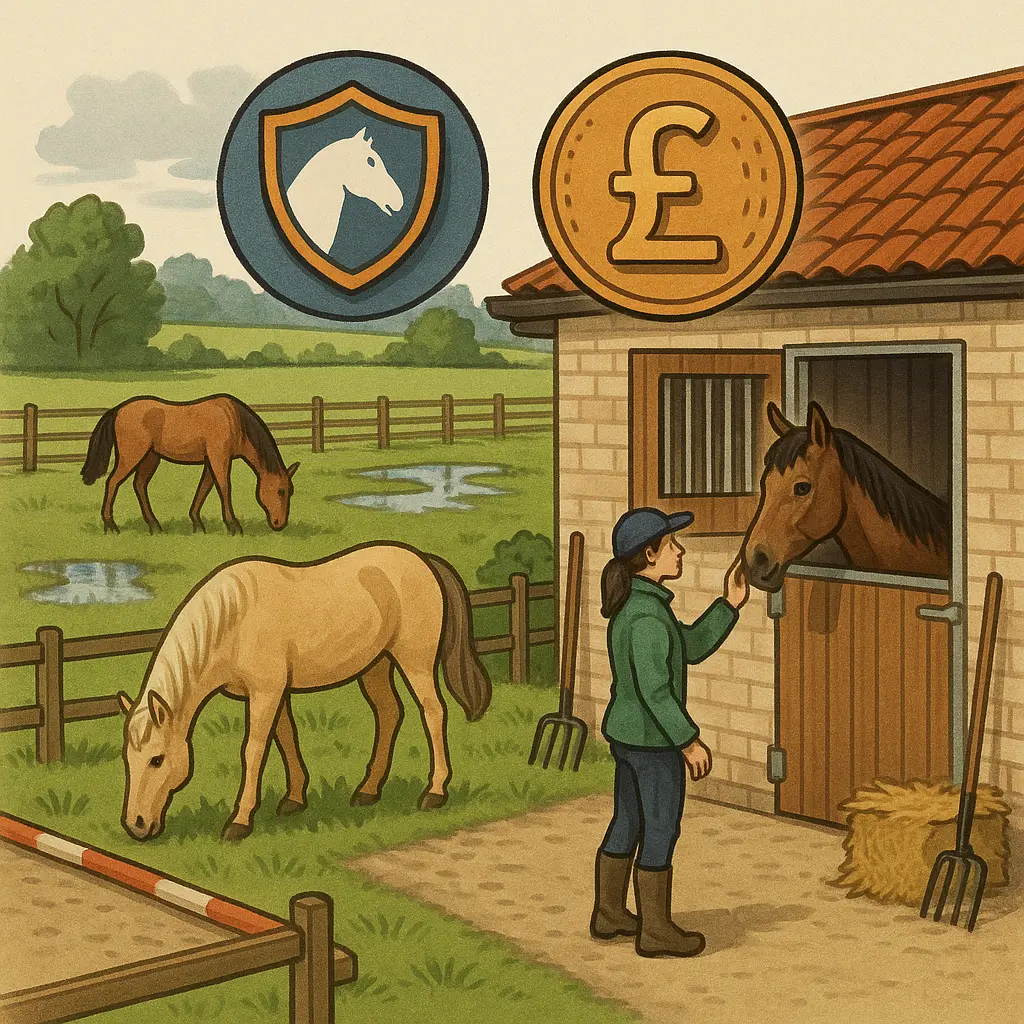
The main UK options are full, part, DIY, working and grass livery; part livery typically costs £70–£120 per week depending on location and services.
Understanding the models helps you pick the right support:
- Full livery: The yard manages all daily care (and sometimes exercise). Ideal for busy owners or very green youngsters needing professional consistency.
- Part livery: Care is shared between yard and owner — common for owners who ride most days but need weekday help. Expect around £70–£120 per week locally, varying by region and included services (Net Lawman).
- DIY livery: You do all care; the yard provides a stable/field and facilities. Best for experienced owners with time every day.
- Working livery: Your horse is used by the yard (usually for lessons) in exchange for reduced fees. Some approved centres reduce bills by around 50% when suitable — a practical, but selective, option for steady, people-friendly horses (BHS; GOV.UK).
- Grass livery: Turnout without a stable. Affordable, but weather and ground conditions must be carefully managed for welfare and training continuity.
Whichever you choose, check the contract closely: services included, turnout policy, late call-out fees, worming plans and notice periods. On commercial compliance, GOV.UK reminds yard owners to follow the national welfare code and be familiar with the industry welfare compendium:
“If you own a livery yard you must follow the code of practice for the welfare of the horses you look after. You and your staff should be familiar with the equine industry welfare guidelines compendium for horses, ponies and donkeys.” — GOV.UK
Keeping a young horse at home: what you must provide
You must provide equine companionship (more than one horse), safe year-round turnout with shelter, and reliable backup care for when you’re away.
The BHS is clear: horses are herd animals and need company of other equines in a suitable environment (BHS). That means at least two compatible horses or ponies, not a lone youngster. Plan your grazing to cope with UK seasons — resting and rotating fields to protect sward in wet winters is essential, as is good fencing and secure gateways.
Provide weather-appropriate protection. Field shelters help extend turnout and reduce stress in storms, while quality rugs keep young backs and muscles warm when temperatures dip or rain sets in for days. For stabled periods, choose cosy, breathable layers and check fit regularly as youngsters change shape; browse our reliable stable rugs. Feeding should be forage-led, with hay nets to manage intake and reduce competition if turnout is in groups.
At Just Horse Riders, we recommend building a simple, repeatable daily routine — bring in, groom, handle feet, short schooling or walk out, turnout — so the youngster knows what to expect. Our customers often tell us this structure keeps behaviour predictable and training enjoyable.
Quick tip: Line up trusted cover (friend, freelance groom or neighbour) for illness, overtime and holidays before you bring your youngster home.
Location, hacking and UK weather
Pick a location close to home with safe off-road hacking or bridleway access; UK wet winters demand good pasture management and the right rugs to keep training consistent.
Travel time is not trivial: the closer the yard, the more consistently you’ll ride, rehab and reinforce lessons. Map local bridleways and permissive routes to reduce roadwork, especially important for youngsters learning traffic manners gradually. Yards that hack in small groups can be a big help for confidence-building.
In the UK, plan for dark evenings and wet, windy spells. Good arenas with drainage, floodlights and all-weather tracks keep you moving forward. Out hacking, make yourself seen in low light and variable weather — our high-visibility range helps drivers spot you sooner; choose from vests, arm bands and exercise sheets in our hi-vis collection. A properly fitted helmet is non-negotiable when bringing on a young horse; find certified options in our riding helmets range.
Pasture-wise, ask yards about winter turnout policies and field rotation. Robust management prevents poaching that can otherwise force lengthy turnout bans right when a youngster needs movement for physical and mental development (Horse & Rider UK).
Pro tip: If hacking is limited, build variety with in-hand walks, polework and short arena sessions — consistency beats intensity for young minds and bodies.
Practical kit and checklist
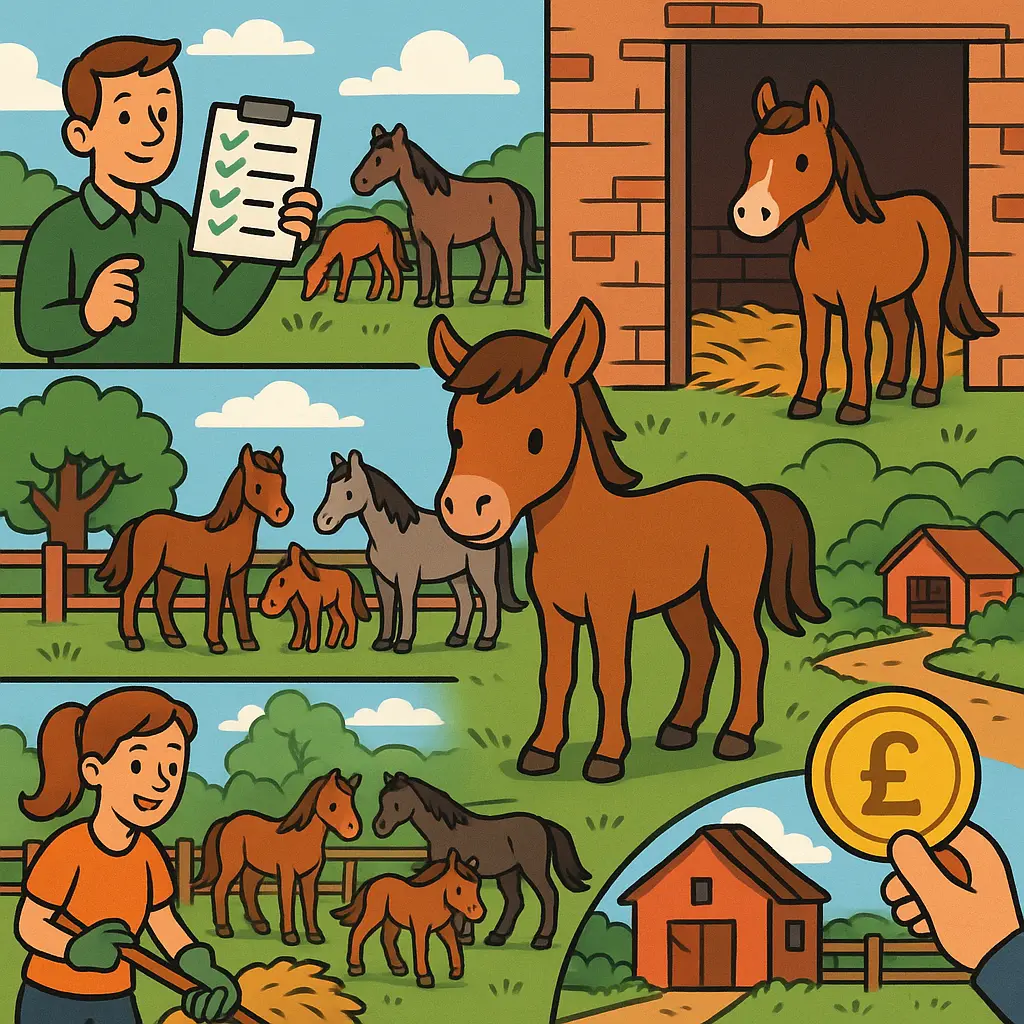
Set yourself up with weather-ready rugs, everyday grooming, leg protection, and a simple monitoring routine to catch changes early.
Use this focused checklist to stress-test any yard or home plan:
- Companionship: Who will your young horse turn out with? How are new horses introduced?
- Stables: Minimum 12x12ft for average horses; check ventilation, bedding, automatic waterers or clean buckets.
- Turnout: Ask for the field rotation plan and winter turnout policy; assess fencing, gateways and water points.
- Care consistency: Who handles your horse daily? How are minor changes communicated to you?
- Emergency cover: Is someone on-site overnight? What’s the colic or injury protocol?
- Hacking and training: Is there safe access to off-road routes and an arena with lights/drainage?
- Insurance and compliance: Is the yard BHS/ABRS+ approved? Check public liability and safety procedures.
Kit essentials we trust for youngsters:
- Rugs that fit and breathe: Waterproof outers for turnout and warm indoor layers for stabling; explore our weatherproof turnout rugs and cosy stable rugs.
- Daily grooming set: Brushes, hoof pick and rubber curry for hands-on health checks — see our curated grooming kits.
- Leg protection: Boots and bandages for controlled schooling and turnout on variable ground — browse horse boots & bandages.
- Health support: Electrolytes or balancers when training steps up or grass quality dips; shop targeted supplements.
- Safety for you: A certified hat, hi-vis and grippy footwear for young-horse handling and hacking, including our hi-vis and riding helmets.
Quick tip: Keep a simple yard diary (paper or app). Note feed, rugs, exercise and any behaviour changes — patterns jump out fast and help your team make timely adjustments.
Ready to choose? Shortlist two or three yards close to home, visit at busy times, and compare their routines and turnout management. If home is your goal, audit your fields, shelter and support now — then build a calm, consistent routine your youngster will trust.
FAQs
Are livery yards regulated like riding schools in the UK?
No. Livery yards don’t have mandatory welfare regulation like riding schools, so you should prioritise BHS or ABRS+ approved yards that carry public liability insurance and comply with health and safety law (BHS).
What stable size does a young horse need?
For an average-sized horse, aim for a minimum of 12x12ft so they can lie down comfortably; choose larger for bigger or growing youngsters (Horse & Rider UK).
How much does part livery cost in the UK?
Expect around £70–£120 per week depending on your region and the services included, such as turnout, mucking out and feeding (Net Lawman).
Can I keep a single young horse at home?
No — horses need equine companionship. If you keep a youngster at home, ensure there’s at least one other suitable horse, plus safe turnout and a reliable daily care plan (BHS).
Which livery type suits busy owners?
Full or working livery typically suits busy schedules, with the yard delivering consistent daily care (and sometimes exercise). Some approved centres offer working livery arrangements that can reduce bills when a horse is suitable for lessons (GOV.UK).
How do I check a yard’s quality quickly?
Visit at peak times, ask about staff consistency, field rotation and on-site supervision, and speak to current liveries. Favour BHS-approved yards and review the contract and insurance documentation carefully (BHS).
What if winter turnout is restricted?
Ask early about the yard’s winter policy and rotation plan. If turnout must be reduced in wet spells, ensure there’s access to good arenas, a calm routine, and appropriate rugs to maintain comfort and training momentum — our turnout rugs and stable rugs help keep youngsters warm and focused.