

How Age and Injuries Affect Equine Enthusiasts: Managing Pain and Staying Active
Equine sports and horseback riding offer a delightful blend of physical activity, community, and a unique connection with animals. For millions, whether seasoned competitors or weekend trail adventurers, age and injuries stand as significant challenges that can impact performance, enjoyment, and safety. This article delves into these challenges and offers effective strategies to help enthusiasts manage pain, stay active, and continue enjoying their passion for horses.

The Impact of Age on Equine Enthusiasts
Age affects both horses and riders, but in different ways.For Horses:
Age restrictions are crucial in ensuring a horse's health and performance are maintained. Young horses, though full of energy, may not be physically mature enough for tough assignments. The American Endurance Ride Conference (AERC), for instance, mandates that horses need to be at least four years old for limited-distance rides, and older for more demanding distances.
- “Age is determined from the actual foal date, meaning you cannot enter a horse in a ride even a day shy of its birthday.”
Older horses may have a wealth of experience but often require more careful management to monitor signs of pain and mobility reduction. Here you can explore our stable rugs collection for comfort and warmth.
For Riders:
Riders face their own set of challenges as they age. Changes in strength, flexibility, and reaction times are common. Equestrian sports stand unique, with people continuing to ride well into their senior years—often with adaptations in their training and riding styles to suit their changing physical needs.
For those looking to stay fashionable while riding, visit our Jodhpur collection.
Common Injuries Among Equine Enthusiasts
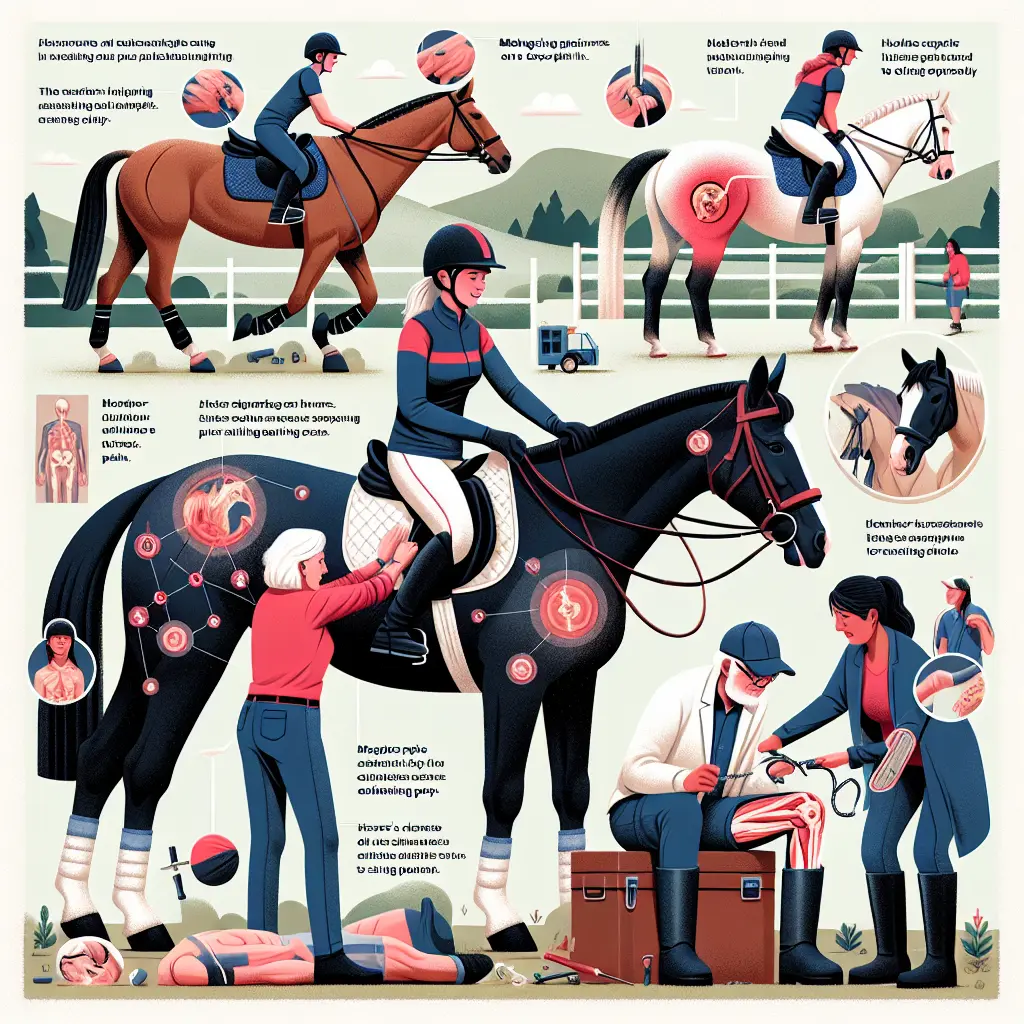
Equestrian sports are among the riskiest for injury.A recent study highlighted that between 2018 and 2022, there were 4,760 reported equestrian-related emergency room visits in the United States. Notably, the most affected age group was 10-19 years (32%) with injuries spanning all ages, from toddlers to the elderly.
- 32% of injuries involved extremity fractures
- 17% were upper trunk fractures
- 23% involved head injuries
- 15% were internal organ injuries
- Sprains/strains were noted in 8% of cases
Most injuries typically occurred during sporting or recreational events. This underscores the significance of using the right horse riding boots or exploring our range of riding gloves, which can protect and enhance riding experiences.
Managing Pain and Staying Active
Prevention and recovery are vital for both horses and riders.For Riders:
- Wear Appropriate Safety Gear: Invest in helmets, body protectors, and suitable footwear.
- Enhance Core Strength and Flexibility: Consider off-horse activities like yoga, pilates, or strength training to stay fit.
- Listen to Your Body: Recognize pains and act promptly—rest, seek medical advice, or opt for physical therapy.
- Adapt to Your Age: Older riders might prioritize lessons focusing on balance and technique rather than intensity.
For Horses:
Ensuring the horse's well-being is a rider’s responsibility.
- Regular Veterinary Check-ups: Monitoring can preemptively detect any pain or age-related conditions.
- Proper Conditioning: Gradually increase workload to minimize injuries. It's emphasized never to exert a horse before it is appropriately mature, as outlined by the AERC's guidelines.
- Pain Management: Collaborate with your veterinarian to address any stiffness, especially in older horses.
- Adapt Training: Prioritize fitness and mobility over peak performance as horses age.
Facts and Figures That Matter
In equestrian circles, several facts hold considerable significance:
- Median Age of Injured Riders: 31 years
- Most Common Age Group for Injuries: 10-19 years (32%)
- Gender Distribution: 73% of injured riders were female
- Common Injury Locations: Extremities and upper trunk
Practical Tips for Long-Term Enjoyment
There's no reason age or injuries should sideline your passion for equestrian adventures.
- Ride Within Your Limits: Embrace challenges, but recognize when it's time to take it easy.
- Stay Informed: Stay abreast with recent findings and guidance from equestrian and medical organizations.
- Seek Professional Advice: Benefit from trainers and veterinarians for guidance and tailored advice.
- Prioritize Well-being Over Performance: Focus on the joys of riding rather than just competition outcomes.
For more comfort, take a look at our turnout rugs collection and horse fly protection needs to keep your horse feeling its best.

Conclusion
While age and injuries are realities in equestrian sports, they are not barriers that should prevent you from enjoying treasured moments with your horse. Understanding risks, taking preventive actions, and listening to both your needs and your horse’s will ensure a joyful and ongoing journey in equestrian pursuits. Explore our everyday horse vitamins & supplements collection for maintaining your horse's health.
Embark on your equestrian adventures with courage and wisdom, and enjoy the ride!