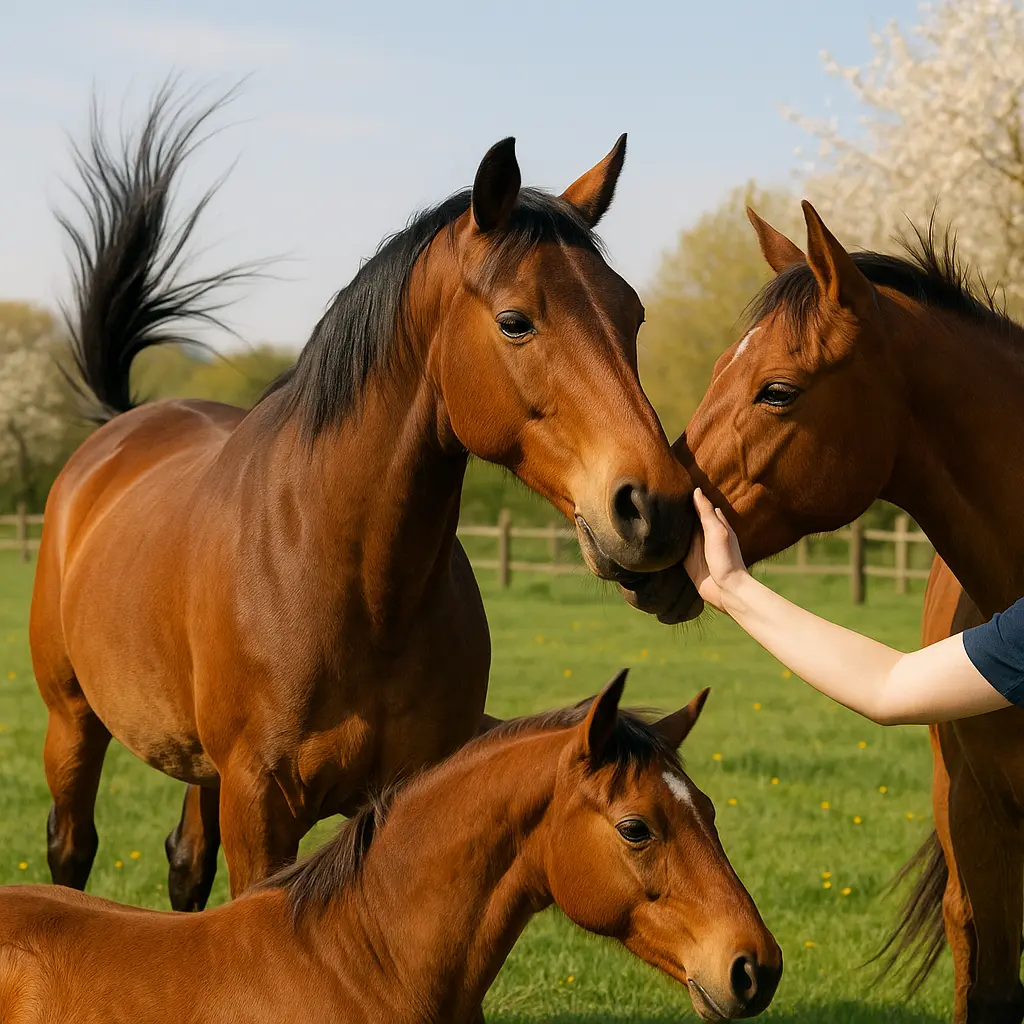
March flips a switch in many UK horses: energy spikes, mares cycle, and fields change almost overnight. If your usually chilled partner suddenly feels “fresh,” there are clear, manageable reasons — and straightforward steps to keep them healthy, happy, and safe.
Key takeaway: In the UK, March brings hormonal shifts, rapid pasture changes, and faster parasite activity — plan a gradual grazing transition, track mare cycles, test before you worm, and keep turnout and rugs consistent to steady behaviour.
Why your horse behaves differently in March
In the UK, March triggers three big shifts at once: mares restart oestrus cycles, spring grass chemistry changes, and parasite eggs hatch faster — together making behaviour sharper and energy higher. The official start of spring also brings volatile weather that can disrupt routine and raise arousal.
Mares are seasonal polyoestrous, coming into season as daylight lengthens, with cycles averaging 21 days through spring to early autumn. At the same time, pasture chemistry changes dramatically: spring flushes can spike potassium and nitrates, while overall sugar and protein availability jumps compared with winter hay. This is why laminitis and colic risks rise during the transition from hay to fresh grass, especially in EMS-prone horses.
Parasites join the party too. As spring sunshine returns, the lifecycle accelerates and eggs hatch more readily on pasture, which can undermine digestive comfort and nutrient absorption — and with that, you may see temperament changes from low-grade gut discomfort.
Layer on UK-specific volatility — cold nights, sudden warm afternoons, squally showers — and you have legitimate reasons for your horse to feel “up.” As EcoGreen Equestrian notes:
“Horses are instinctive, sensitive beings who absolutely live in the rhythm of nature. Each seasonal change provides a noticeable guideline for a horse's overall health, specifically how (if in the wild) they would naturally maintain their health.”
The goal in March is to stabilise what you can: diet changes, turnout patterns, parasite control, and clear, calm handling.
Mares in season: signs, handling and riding
As daylight increases, many mares enter oestrus with roughly 21-day cycles and may show tail-lifting, frequent urination, vulval “winking,” sensitivity, and excitable behaviour. These changes reflect elevated emotional activity rather than “bad behaviour,” and are usually manageable with routine, reassurance, and thoughtful schooling.
Research published in the journal Animals by a University of Life Sciences Poland team found that mares accept human stroking more frequently during oestrus, particularly in the second part of the cycle. They also recorded that negative behaviours towards other horses (ears back, chasing, threatening to bite or kick) were less frequent when mares were in season compared with when they were not. The researchers concluded:
“The changes in behaviour towards humans recorded when a mare is in oestrus could suggest that assurance can be provided by human contact during this time.”
And they add:
“It is known that stroking relaxes and rewards an agitated horse or one tired after a stressful situation or physical effort.”
What this means for you in March:
- Track your mare’s cycle on a calendar so you can predict when sensitivity or distractibility may peak. This record is invaluable if you later consult your vet about management.
- Offer quiet reassurance and clear boundaries. Build in a longer warm-up, transitions, and circles to refocus attention without confrontation.
- Schedule high-concentration schooling or competitions away from the first days of dioestrus, when scores for behaviour towards humans may drop.
- Use calm reinforcement. A soft grooming session and a few well-timed strokes often settle a buzzy brain; rewarding focus with small, low-sugar training treats can support good manners on the ground.
Quick tip: Keep a simple traffic-light note in your diary (green = easy days, amber = sensitive days, red = peak season signs) to plan rides and lessons more effectively.
Spring grass and diet: avoid laminitis and colic
Introduce spring grass gradually after winter hay, control intake for EMS/laminitis-prone horses with strip grazing or a track system, and add a mineral balancer to offset shifting pasture chemistry. This steady approach reduces the risk of laminitis and colic during the March transition.
Spring brings erratic pasture conditions: potassium and nitrate spikes and rapidly changing sugar levels that can upset the gut and metabolic balance. Horses moving from consistent hay to lush grass are at particular risk. For at‑risk horses (including those with EMS), controlled turnout is essential. Start with short grazing windows and extend slowly over 10–14 days; if necessary, continue offering soaked hay outside grass periods so the hindgut isn’t overwhelmed.
Because grass chemistry is in flux, a targeted mineral balancer helps plug gaps and balance excesses. If you’re not already feeding one, this is the month to consider it. Explore high-quality options in our curated range of mineral balancers and metabolic support supplements to support hooves, digestion, and overall resilience.
Practical steps to protect your horse’s gut in March:
- Change only one thing at a time — either add a balancer or increase grazing, not both on the same day.
- Monitor droppings for consistency changes and watch for subtle colic signs (reduced appetite, flank watching, dullness).
- Check hydration daily; pale straw-coloured urine is normal, while darker urine may flag dehydration — increase water availability and palatability.
- For “good doers,” consider a strip-grazed track with ad‑lib hay placed to encourage movement without overloading sugars.
Pro tip: Keep a grazing diary noting turnout hours, any feed tweaks, droppings, and behaviour. If something wobbles, you can step back one notch with confidence rather than guessing.
Parasites in spring: test first, then worm
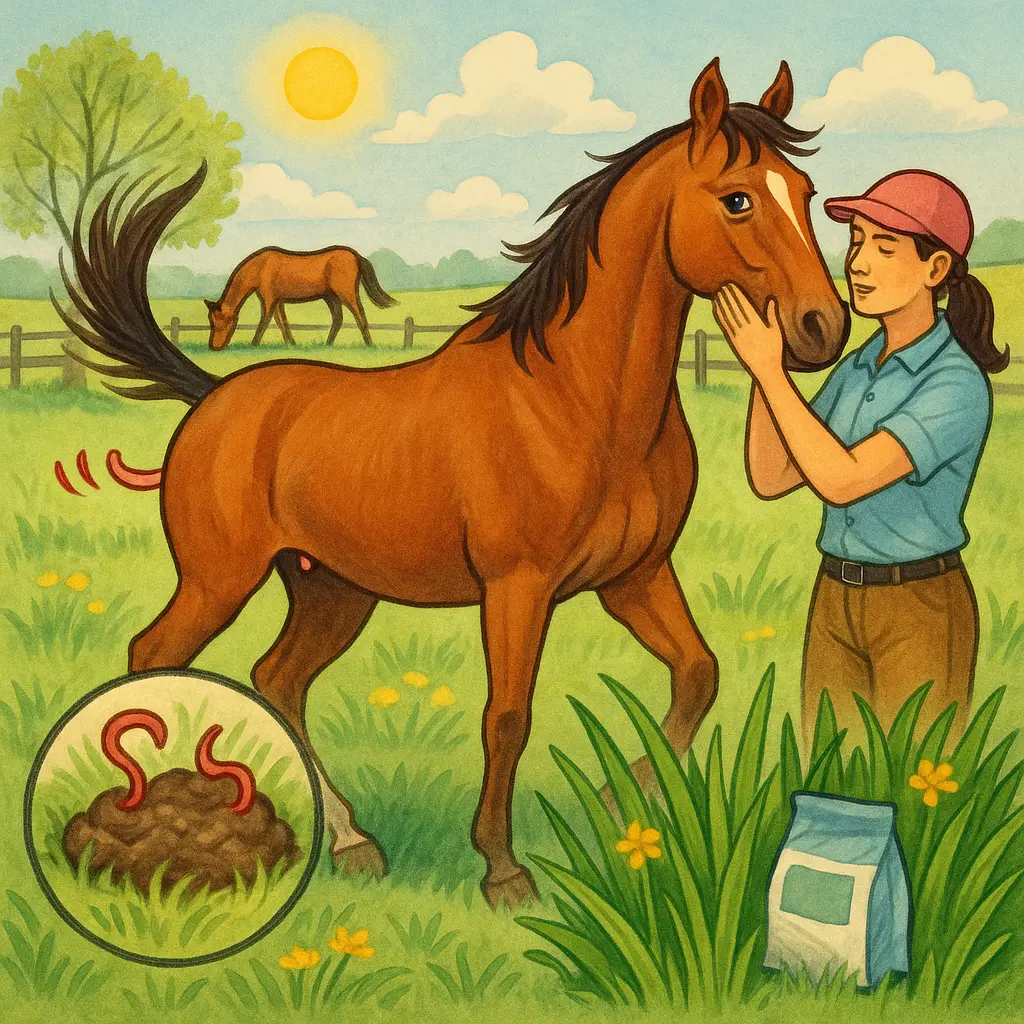
Spring warmth accelerates parasite egg hatching on pasture, so schedule a faecal egg count (FEC) early and align worming to results, adjusting timing around local “killing frost” patterns. This targeted approach protects gut health and slows resistance.
As the sun reappears and ground temperatures rise, larval development speeds up and burdens can build quickly, impacting digestion and nutrient absorption — and with that, coat bloom, weight, and even behaviour. Best practice in the UK is to test before you treat and to time egg counts and worming with seasonal peaks. Many vets and organisations such as the British Equine Veterinary Association (BEVA) advocate evidence‑based worming to reduce resistance and protect efficacy for the long term.
What to do now:
- Book an FEC before turnout hours jump — then repeat as advised by your vet based on results and your yard’s risk profile.
- Coordinate any treatment to target identified burdens rather than blanket worming.
- Pick up droppings in small paddocks at least twice weekly to break the reinfestation cycle.
- Rotate grazing where possible and avoid overstocking to limit parasite pressure.
Signs of a parasitic burden include weight loss, a dull coat, erratic appetite, and colic‑like episodes. Consider supporting the hindgut with appropriate products from our digestive health and balancer supplements while you execute your test‑and‑treat plan.
Turnout and rugs: settle energy and stay weather‑proof
Keep turnout consistent to steady behaviour and match rugs to rapid UK spring swings — using lightweight turnouts, stable layers, and early fly protection as needed. Horses adapt more calmly when daily routines change gradually rather than in big jumps.
Consistent turnout smooths the transition from winter to spring, reduces mental fizz, and supports healthy movement. On rugging, March is famously “four seasons in a day,” so aim for flexibility:
- On mild, breezy days a lightweight or no-fill rug may be perfect; on chilly, wet spells a dependable 50–150 g rug keeps muscles warm for work.
- For stabled horses, use breathable stable rugs that layer easily, so you can adjust overnight as temperatures drop.
- As midges appear, consider adding early fly rugs and sheets to protect sensitive skins and reduce fidgety behaviour.
Explore proven spring layers in our turnout rugs collection, including favourites from WeatherBeeta and Shires trusted by UK riders for durability and fit. If your horse is extra exuberant in the paddock or schooling, supportive horse boots and bandages can help protect legs during athletic antics.
Pasture and facility prep for a smoother March
Check shelters and water systems before temperature swings, manage mud carefully, and use strip grazing or a track system to control fresh grass intake. This groundwork reduces stress for both you and your horse during rapid seasonal change.
Before turnout hours jump, ensure field shelters are dry, bedded if needed, and sited to block prevailing winds. Protect exposed water pipes and check troughs daily; freeze–thaw cycles and sudden warm spells both create issues. UK mud is its own discipline: use high-traffic surfaces at gateways if possible, rotate access points, and avoid churning the same patch by moving feeders and water.
For at‑risk horses, a simple track with well‑positioned hay stations slows grass intake and encourages steady movement. Grooming matters more than ever now — thick winter coats shed fast, and mud plus sweat can inflame skin. Keep a steady routine with quality grooming tools to lift dead coat, encourage circulation, and spot rubs early. If you’re hacking in changeable light and sudden showers, add rider visibility with our practical range of hi‑vis clothing and accessories.
Training tweaks and safety when horses feel “fresh”
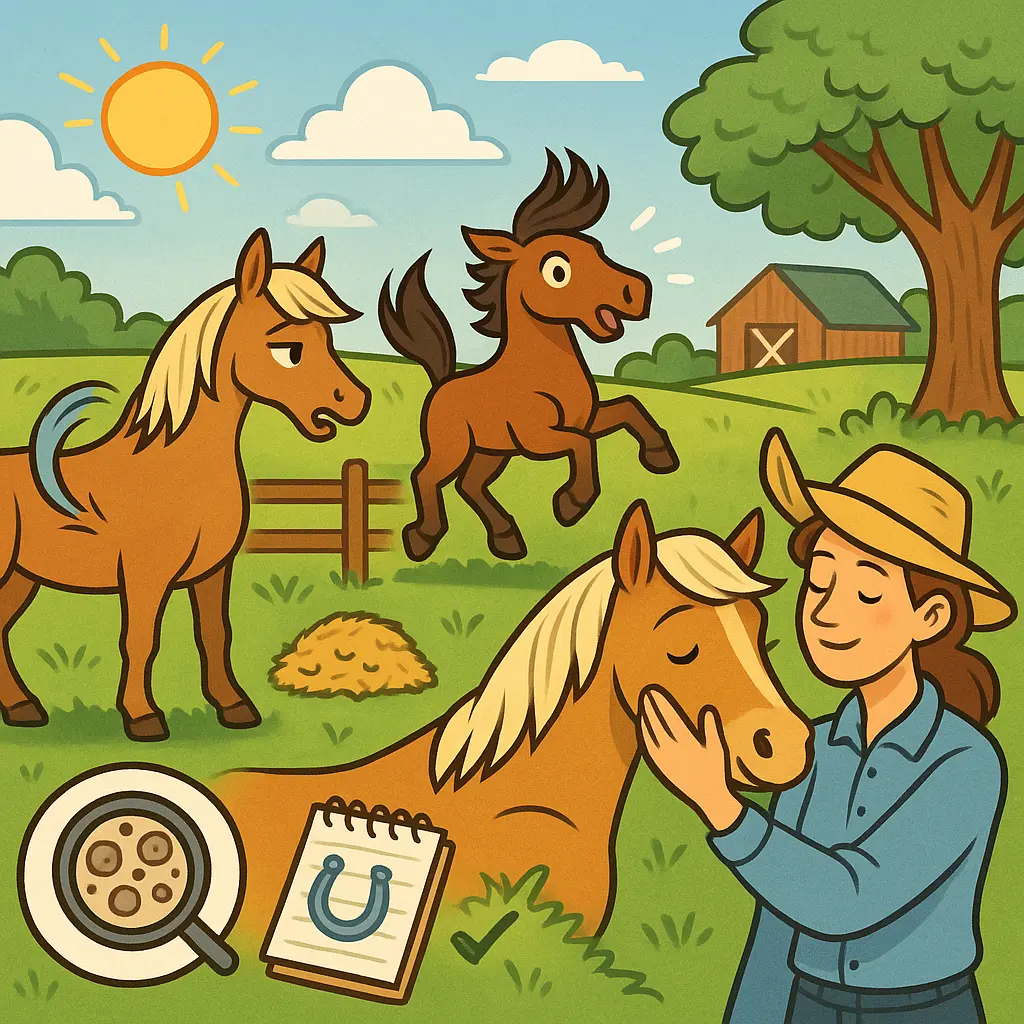
Channel spring energy with more groundwork, varied schooling, and calm, consistent handling — and back yourself up with solid safety kit. Horses look to you for reassurance as seasons shift.
Short, focused sessions with plenty of transitions, lateral work, and pole exercises give busy minds a job. Allow an extra 10‑minute walk warm‑up and longer stretching to settle the back before asking for engagement. Keep groundwork refreshers (leading, halting, backing up, yielding) on your weekly list; these sharpen communication without overloading the body when the ground is deep or slippery.
Use the research insight on touch: many mares welcome stroking more during oestrus, and thoughtful contact can soothe both mares and geldings in buzzy spring weather. When you do ride, protect yourself with a snug, up‑to‑standard riding helmet and supportive footwear; if you need a refresh, our horse riding boots range covers yard‑to‑saddle comfort for spring conditions.
Quick tip: Reward focus, not just results. A small pause and a scratch at the wither when your horse tunes back in can be more effective than pushing through with stronger aids.
Your March action plan
A simple weekly checklist keeps behaviour, diet, and health on track through spring. Tackle these in order and you’ll minimise “March madness.”
- Cycle tracking: Start a calendar for your mare’s 21‑day pattern; note signs, ease of ridden work, and any handling hot‑spots.
- Grazing transition: Limit initial turnout on fresh grass and build slowly over 10–14 days; maintain hay to buffer the hindgut.
- Mineral balance: Add or review a balancer now; see our balancers and spring supplements if you need to fill gaps.
- Parasite control: Book an FEC this month; treat according to results and keep paddocks picked to limit reinfestation.
- Rugging plan: Keep flexible layers ready — a lightweight turnout rug for showery days, breathable stable rugs for cool nights, and early fly protection for sensitive types.
- Facility check: Inspect shelters, repair gateways, and secure water pipes ahead of freeze–thaw swings.
- Routine and training: Prioritise consistent turnout, add groundwork sessions, and build variety into schooling to channel energy.
- Kit and comfort: Refresh grooming tools for shedding season from our grooming collection, and stay visible on hacks with hi‑vis gear.
At Just Horse Riders, we recommend keeping notes and adjusting in small increments. If behaviour or comfort doesn’t improve after a week of steady management, speak with your vet; UK bodies like the British Horse Society (BHS) and your veterinary team can guide tailored next steps. Our customer support team is also here to help you match the right rug, supplement, or training aid to your horse’s spring routine.
FAQs
Why is my normally calm horse acting spirited and difficult in March?
March ignites hormonal shifts (especially in mares entering oestrus), rapid changes in grass chemistry, and faster parasite activity — all of which can heighten energy and reactivity. Add routine changes from more turnout and UK weather volatility, and many horses feel extra “up.”
Should I be worried about my mare’s mood swings right now?
Mares often show increased sensitivity and excitability during oestrus, but research indicates this reflects elevated emotional activity rather than negative arousal. Track her 21‑day cycle, offer reassurance and structured work, and consult your vet if behaviour disrupts training or comfort.
What’s the safest way to introduce spring grass to avoid colic or laminitis?
Reintroduce grass gradually after winter hay, increasing turnout across 10–14 days. For EMS or laminitis‑prone horses, use strip grazing or a track system to limit sugars while maintaining movement and supplementary forage. Consider adding a mineral balancer to address pasture imbalances.
How do I know if my horse has worms this spring?
Run a faecal egg count (FEC) early in the season and treat to results. Watch for signs such as weight loss, a dull coat, lethargy, and colic‑like symptoms. Good paddock hygiene (regular poo picking) and stocking density management reduce reinfestation pressure.
Do I need to change my horse’s feed as we move into spring?
Yes — spring grass alters nutrient balance, so review rations and add a mineral balancer if you’re not already feeding one. Make changes incrementally and monitor droppings, hydration, and behaviour as you progress.
Is human contact, like stroking, actually helpful when my horse is “buzzing” in spring?
Yes. Published research shows stroking relaxes and rewards horses; mares, in particular, accept stroking more during oestrus. Calm, consistent touch and clear boundaries can help settle heightened spring energy.
What rugs should I use in March’s changeable weather?
Keep options ready: lightweight or no‑fill turnout for mild, breezy days; 50–150 g layers for cold, wet spells; and stable layers for cool nights. Sensitive horses may also benefit from early fly sheets. Browse flexible options in our turnout rugs, stable rugs, and fly rugs collections.