

Understanding and Managing Stable Possession in Horses: Tips for a Harmonious Relationship
Introduction
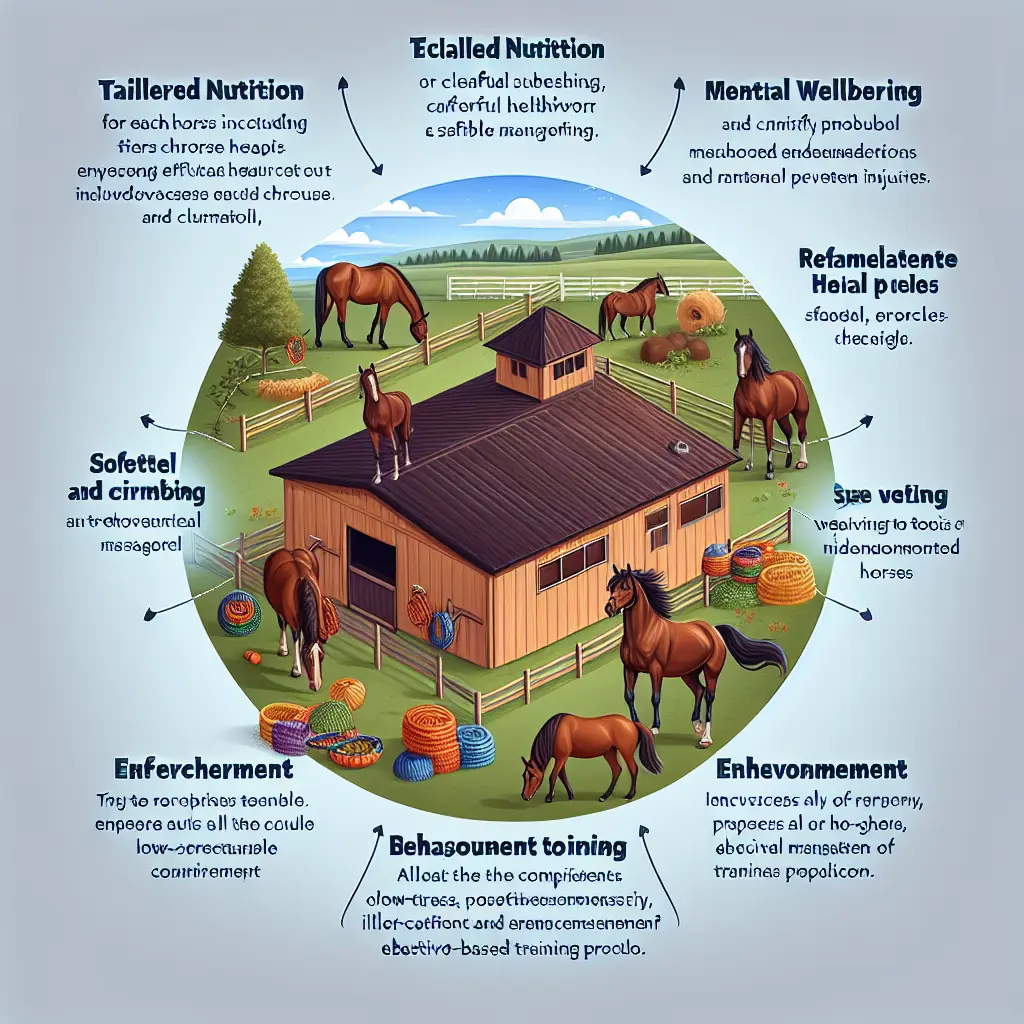
Stable management is far more than simply providing shelter and food for your horse. It encompasses a comprehensive approach to caring for these intelligent, sensitive animals that directly impacts their physical health, mental wellbeing, and behavior. Effective stable management contributes to developing better relationships between handlers and horses, reducing behavioral problems, and enhancing overall health.
What is Stable Management?
Stable management refers to the complete system of care, housing, and handling that supports a horse's wellbeing within a stabled environment. It's essential for equine health and the smooth operation of equestrian facilities, comprising multiple interconnected components to support optimal equine health and behavior.
The Essential Pillars of Stable Management
Understanding the core elements of stable management can make a significant difference:
- Care and Nutrition — Each horse requires a specific diet tailored to its unique needs. For instance, a competitive horse might need energy-rich food.
- Proper Shelter — Clean, comfortable stalls are non-negotiable for optimal living conditions.
- Regular Exercise — Horses require consistent physical activity to maintain fitness and mental stimulation.
- Health Monitoring — Proactive health management is crucial to prevent minor issues from escalating.
- Safety and Security — The stable environment must protect from injury through proper design and protocols.
The Critical Role of Exercise and Turnout
One critical aspect of stable management is providing adequate exercise and turnout time. Horses need regular physical activity to stay fit and mentally stimulated, beyond structured training sessions.
Preventing Frustration and Behavioral Problems
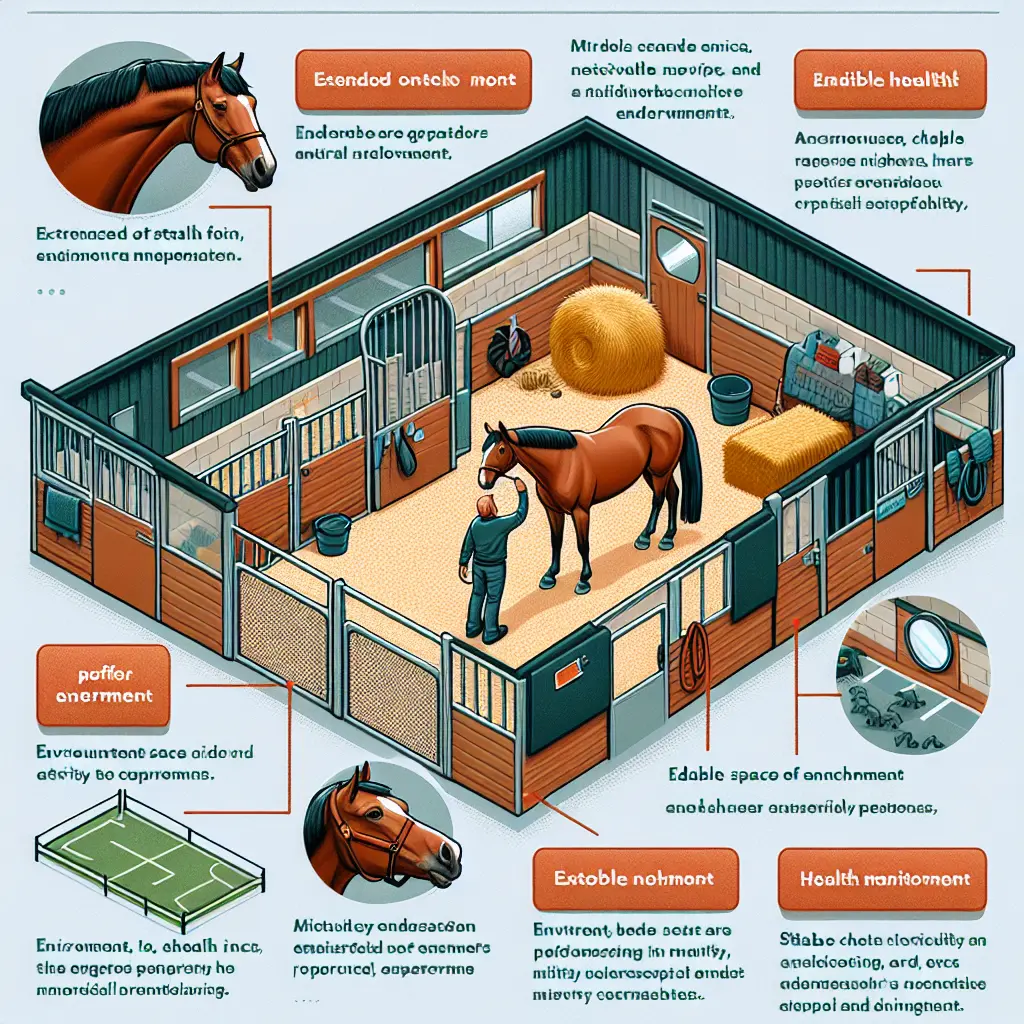
When horses are confined to stalls without sufficient turnout, they often develop frustration and behavioral problems, such as locomotor stereotypies. These repetitive behaviors—such as weaving or stall kicking—illustrate the horse's attempt to cope with inadequate environments.
The quality of exercise is just as important as the quantity, with varied activities maintaining both physical conditioning and psychological health. Turnout rugs can support comfortable, extended time outdoors.
Understanding and Preventing Stable Vices
"Stable vices," or stereotypic behaviors, are repetitive, seemingly functionless actions horses perform due to inadequate management. They often arise from insufficient social contact or limited turnout.
Differentiating Stereotypies
These behaviors fall into two categories:
- Locomotor stereotypies—Expansion of physical restrictions like stall weaving
- Oral stereotypies—For example, cribbing and wind sucking, often tied to foraging frustration
Prevention is key as stable vices can lead to health issues like hoof damage from stall kicking or tooth erosion from cribbing.
Effective Strategies for Prevention
The most effective approach to stable vices is through proper management. Address root causes such as improving turnout and adjusting the diet to include more roughage, as seen with horse treats and gifts collections.
Providing Essential Enrichment for Stabled Horses

When stabling is necessary, enrichment becomes critical for maintaining equine mental health and preventing behavioral problems. Horses have evolved to graze for up to 18 hours a day, a behavior that provides essential forage and mental stimulation.
Edible and Activity-Based Enrichment
Replicating natural foraging behaviors can be achieved with:
- Extended hay nets—Slowing consumption and extending grazing time
- Treat balls—Requiring manipulation to access food
Introduce toys and activities gradually and observe your horse's reactions carefully, respecting their individual sensitivity levels.
Environmental Enrichment
The stable environment itself provides valuable enrichment opportunities. Strategies such as repositioning your horse during the day or maintaining a predictable acoustic environment can benefit the mental wellbeing of horses.
The Connection Between Stable Management and Training
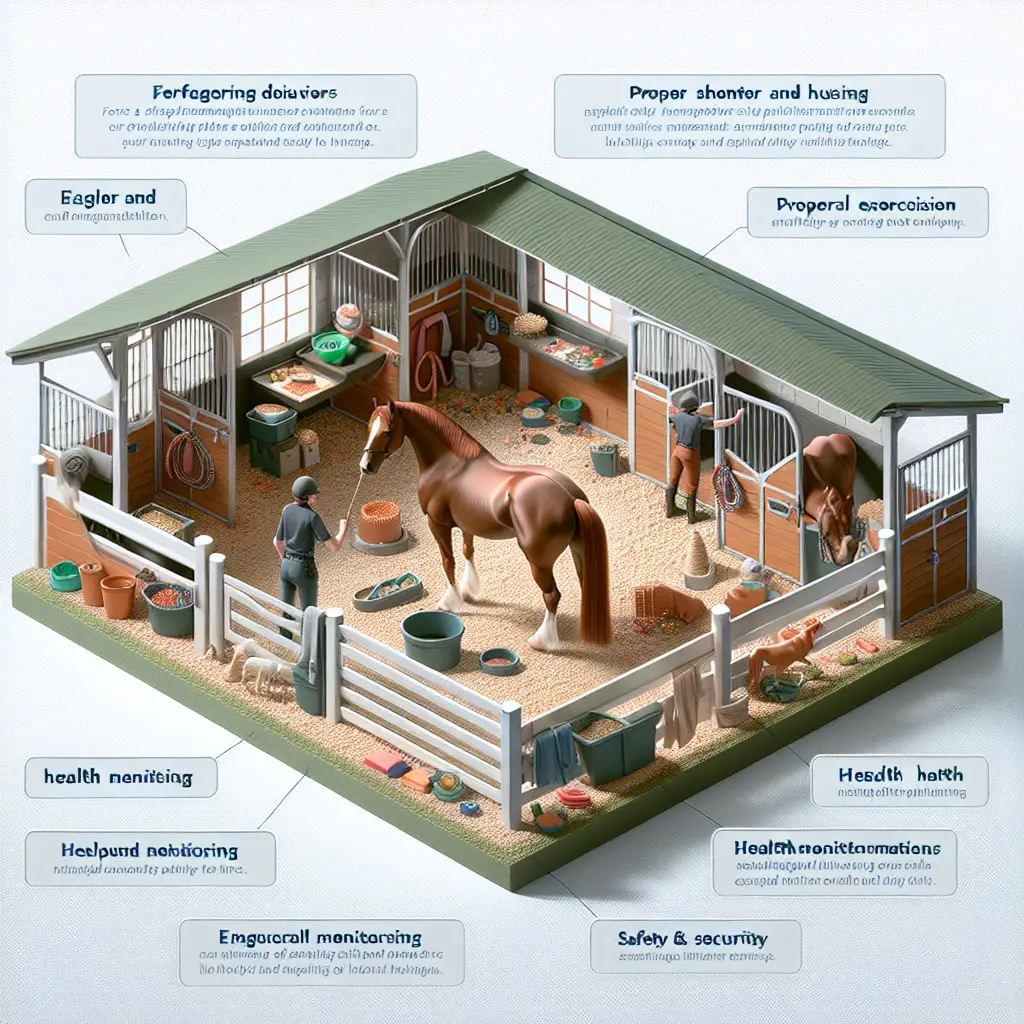
Effective stable management directly influences training success. Training comprises the bigger picture of what a horse experiences. Stress management plays a pivotal role in horse learning capacity, influencing their emotional state and behavior.
Stress and Learning
Research indicates that horses learn most effectively when motivation is balanced. Too much stress can lead to fear and anxiety, impairing learning abilities.
Implementing Training Principles
Understanding horse learning through evidence-based principles enhances human-horse relationships. Techniques like habituation, classical conditioning, and operant conditioning support positive behavior reinforcement.
Developing a Comprehensive Stable Management Plan
Creating a comprehensive stable management plan involves recognizing that everything from stall design to training approaches contributes to health and wellbeing. Involve several elements such as nutrition protocol and exercise schedules.
Monitoring and Adjusting Practices
Signs like stereotypic behaviors, behavioral changes, or physical decline indicate management requires adjustment. A mindful evaluation of practices can reveal valuable insights for improvement, ensuring overall wellbeing.
The Path Forward: Creating Harmony in Stable Management
Informed stable management is the foundation of a harmonious relationship, paving the way for a confident horse and a trusting partnership. These efforts ensure robust physical and psychological health, creating a rewarding experience for both horses and handlers.