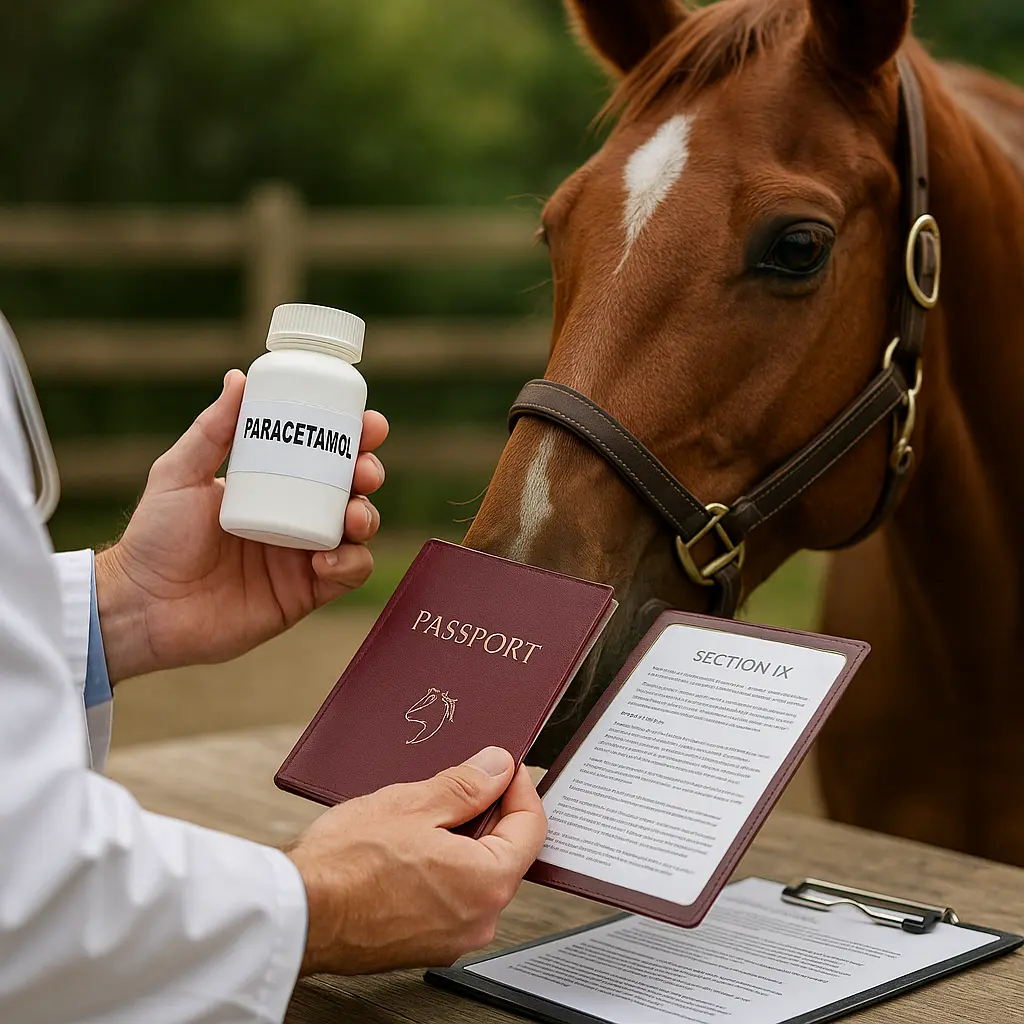
Pain management can make or break your horse’s recovery — especially through a damp, cold UK winter when colic and musculoskeletal flare-ups are more likely. If your vet mentions paracetamol, you’ll want the facts, fast, so you can make the safest, most effective plan.
Key takeaway: In the UK, paracetamol is unlicensed for horses but vets can legally prescribe it under the cascade at 20mg/kg by mouth twice daily, with 91% oral bioavailability and proven short‑term safety in healthy adult ponies.
What’s the legal status of paracetamol for horses in the UK?
Paracetamol isn’t licensed for equine use in the UK, but vets can prescribe it under the veterinary prescribing cascade after a clinical assessment. This requires the horse to be under the vet’s care and the decision to meet Routine Veterinary Practice (RVP) standards.
Under Regulation (EU) 2019/6 Articles 112–114 (the “cascade”), UK vets must prioritise authorised veterinary medicines first; if none are suitable or available, a human medicine such as paracetamol may be prescribed. The UK Government guidance is clear:
“When prescribing medicines under the cascade, you must first carry out a clinical assessment of the animal which must be under your care. You must also ensure that the evidence base for your prescribing decisions is robust and complies with Routine Veterinary Practice (RVP).” — GOV.UK: The cascade
In practical terms, this means you must not give paracetamol without a veterinary prescription. The Royal College of Veterinary Surgeons (RCVS) under‑care rules (updated 2023/24) also expect an examination (in person or appropriate remote consult) before prescribing a medicine like this. Horses declared as non‑food producing (see “Passports & food chain status” below) can receive unauthorised medicines under the cascade; otherwise, withdrawal periods apply.
When do vets prescribe paracetamol to horses?
Vets consider paracetamol when licensed NSAIDs are ineffective or contraindicated, and in some cases alongside other analgesics for severe pain. It’s particularly useful where NSAID side effects are a concern.
Evidence summarised by Mercer et al notes both efficacy and practical dosing:
“Although unlicensed, paracetamol is useful under the cascade in some equine patients that aren’t suited to licensed NSAID alternatives (20mg/kg twice daily by mouth). It has 91% oral bioavailability in horses and has been shown to be safe dosing twice daily for 14 days in healthy adult ponies.” — Vet Times
Many practices frame its use like this:
“Paracetamol is a painkiller drug that may be used alongside other painkiller medicines in horses with severe pain... used in horses where traditional painkillers are ineffective in controlling severe pain.” — Coach House Vets
Why might your vet reach for paracetamol? The most common NSAID adverse effect in horses is colonic ulceration (often presenting as diarrhoea and weight loss), with kidney issues less common. In the UK winter — with higher colic risk due to wet weather, reduced turnout, and dietary shifts — paracetamol can be an important option for NSAID‑intolerant cases under veterinary supervision.
How should paracetamol be dosed and given to a horse?
The typical equine dose is 20mg/kg by mouth twice daily, prescribed and supervised by your vet; do not self‑medicate. Studies in healthy adult ponies show this regimen is safe for 14 days, and oral bioavailability is high (91%), so oral dosing is effective.
Your vet will calculate the exact dose and advise on formulation. For illustration only, a 500kg horse at 20mg/kg equals 10,000mg (10g) per dose, twice daily. Because human tablets are commonly 500mg, that’s a large number of tablets — another reason dosing must be planned by your vet, who may source a suitable formulation under the cascade.
- Give exactly as directed and for the duration advised. Do not change dose or frequency without checking with your vet.
- Store securely, follow the label, and record administrations if your vet requires it for passport notes or withdrawal tracking.
- If a person accidentally ingests more than two tablets, seek urgent medical help immediately (paracetamol overdose can be serious in people).
Quick tip: Keep a dedicated storage box for prescribed medicines in your tack room. Our customers often add a thermometer and syringe/measure to their grooming and first‑aid essentials so dosing and monitoring are easy in an emergency.
What risks and side effects should you watch for?
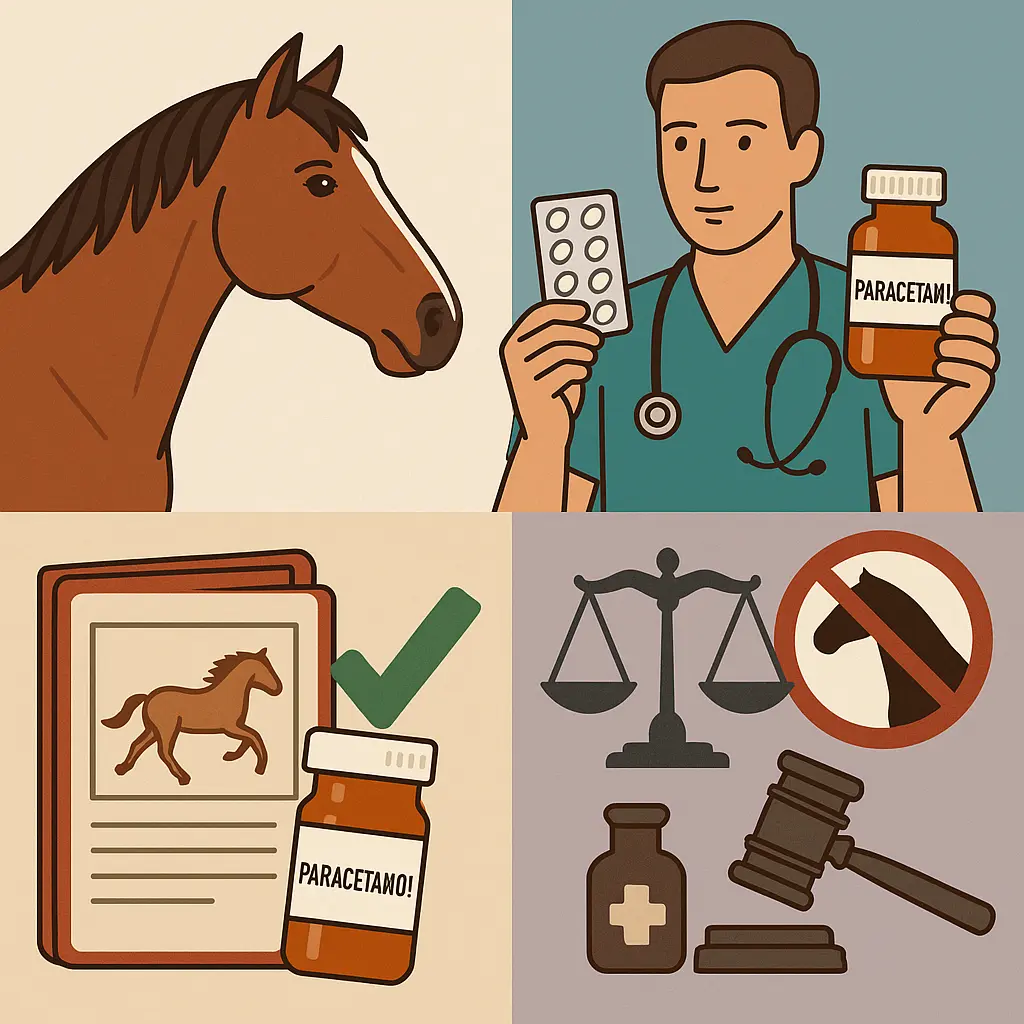
Paracetamol is generally well tolerated short‑term in healthy adult ponies, but you must monitor your horse and report any concerns to your vet immediately. Stop the medicine and call your vet if you notice diarrhoea, loss of appetite, depression, or any sudden change in demeanour.
Context matters: with NSAIDs, the most common adverse effect is colonic ulceration leading to diarrhoea and weight loss, and kidney problems are less common (Vet Times). Paracetamol can help avoid NSAID‑related gut issues in selected cases, but any new digestive sign still warrants swift veterinary input. For chronic pain management, your vet may choose to monitor blood proteins and renal parameters periodically.
Practical pointers:
- Report all concurrent medicines and supplements to your vet to avoid interactions.
- Watch droppings, appetite, and hydration closely — especially in cold weather when horses often drink less.
- If diarrhoea occurs on any painkiller, stop treatment and contact your practice; do not wait “to see if it settles.”
Pro tip: Once your vet is happy, simple support like well‑timed electrolytes and digestive supplements may help maintain hydration and gut comfort through winter routines. Always clear new supplements with your vet when pain medicines are on board.
How does your horse’s passport affect paracetamol use?
If Section IX of the passport is signed, your horse is declared non‑food producing and can be treated under the cascade with unauthorised medicines like paracetamol. If Section IX is unsigned, the horse is treated as food‑producing and your vet must set an appropriate withdrawal period.
This is essential legal housekeeping. Horses not signed out of the food chain must follow food‑animal rules; vets then set withdrawal periods for cascade medicines (a statutory six months applies for certain essential substances). To streamline care in an emergency, make sure Section IX is completed in line with your intentions and keep the passport accessible on the yard. Your vet will advise if any treatment needs to be recorded in the passport itself.
Quick tip: Review your passport status at the start of winter and before show season travel. It takes seconds and can save hours of delay if emergency pain relief is needed fast.
Comfort counts while you and your vet put a plan in place. A well‑fitting rug keeps muscles warm and reduces shivering stress; choose breathable layers like winter turnout rugs for wet days or stable rugs when box‑resting.
Can paracetamol be used with other equine pain medicines?
Yes — vets often use paracetamol alongside other analgesics, but you must tell your vet about every medicine and supplement your horse is receiving. Do not add or remove anything without veterinary guidance.
Combination therapy can target different pain pathways in severe cases, or allow lower doses of NSAIDs where gut risk is a concern. Your vet will balance benefits with potential interactions and monitor for additive side effects. This includes considering “non‑medicines” such as herbal products and nutraceuticals, so share full details of any supplements or feed changes.
Handling and movement support also matter during recovery. Consider protective support such as supportive bandages and boots if your vet recommends controlled exercise.
What should you do if your horse needs pain relief right now?
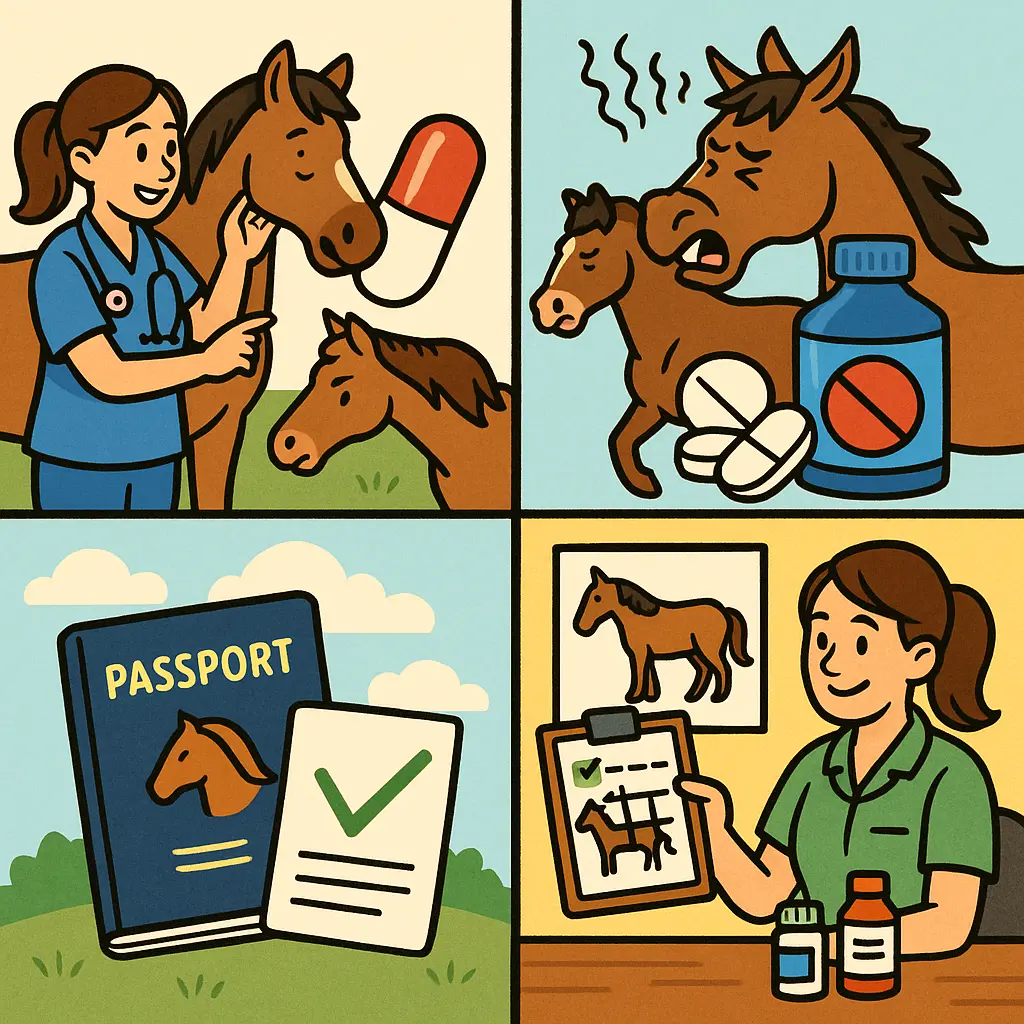
Call your vet first; do not give paracetamol without a prescription. While you wait, make your horse comfortable and gather the information your vet will want.
- Phone your vet and describe signs clearly (onset, severity, triggers, any recent medicines).
- Check your horse’s passport status (Section IX) and have it ready if the vet prescribes under the cascade.
- Record vital signs: heart rate, respiratory rate, mucous membrane colour, and temperature. A digital thermometer in your yard kit is invaluable; many riders keep one with their yard first‑aid and grooming kit.
- Keep your horse warm and dry without overheating. Layer appropriately with breathable turnout rugs for wet weather or a cosy stable rug if box‑resting.
- Follow your vet’s feeding advice; for colic suspicion, do not offer feed until advised. Encourage small sips of fresh water if allowed.
- Prepare for medication: a clean bucket, dosing syringe, and something to help acceptance (a slice of soaked feed or a couple of low‑sugar treats if your vet approves).
- If you must hack carefully to keep a restless horse moving on vet advice, make safety visible with hi‑vis rider gear during low‑light winter hours.
At Just Horse Riders, we recommend writing your dosing schedule on paper and setting phone reminders the moment a plan is agreed. Consistency reduces relapse risk and helps your vet interpret progress.
FAQs
Is paracetamol licensed for horses in the UK?
No. It’s unlicensed, but a UK‑registered vet can prescribe it under the cascade after assessing your horse and confirming it’s under their care. See GOV.UK guidance on the cascade.
What dose do horses receive?
Typical dosing is 20mg/kg by mouth twice daily, prescribed by your vet. Research reports 91% oral bioavailability and safety for 14 days in healthy adult ponies (see Vet Times).
Can I give my horse human paracetamol without a vet?
No. It’s illegal to give unauthorised medicines like paracetamol without a veterinary prescription under the cascade, and it risks breaching horse passport rules. Your vet must assess and prescribe first (see Coach House Vets guidance and GOV.UK).
What if my horse develops diarrhoea on painkillers?
Call your vet immediately and stop the medicine unless your vet tells you otherwise. Diarrhoea is a common NSAID‑related sign due to colonic ulceration; your vet may adjust the plan and consider alternatives like paracetamol under the cascade (see Vet Times).
Can paracetamol be combined with other equine medicines?
Yes, vets often use it alongside other analgesics for severe pain. Always tell your vet about every medicine, feed change, and supplement to avoid interactions.
What if my horse is not signed out of the food chain?
If Section IX is unsigned, your horse is treated as food‑producing. Your vet must set a withdrawal period for cascade medicines; some essential substances carry a statutory six‑month withdrawal (see GOV.UK).
How should I store paracetamol, and what about accidental human ingestion?
Store securely as labelled by your vet, keep a dosing log, and prevent access by children or animals. If a person accidentally takes more than two tablets, seek urgent medical help immediately.
Need winter‑ready kit while you and your vet fine‑tune pain management? Explore breathable layers from WeatherBeeta rugs or comfort upgrades from LeMieux, and keep hydration and gut comfort on track with carefully chosen supplements approved by your vet.
Bottom line: work hand‑in‑glove with your vet. Used correctly under the cascade, paracetamol can be a valuable addition to your equine pain toolbox — safely, legally, and with your horse’s welfare front and centre.