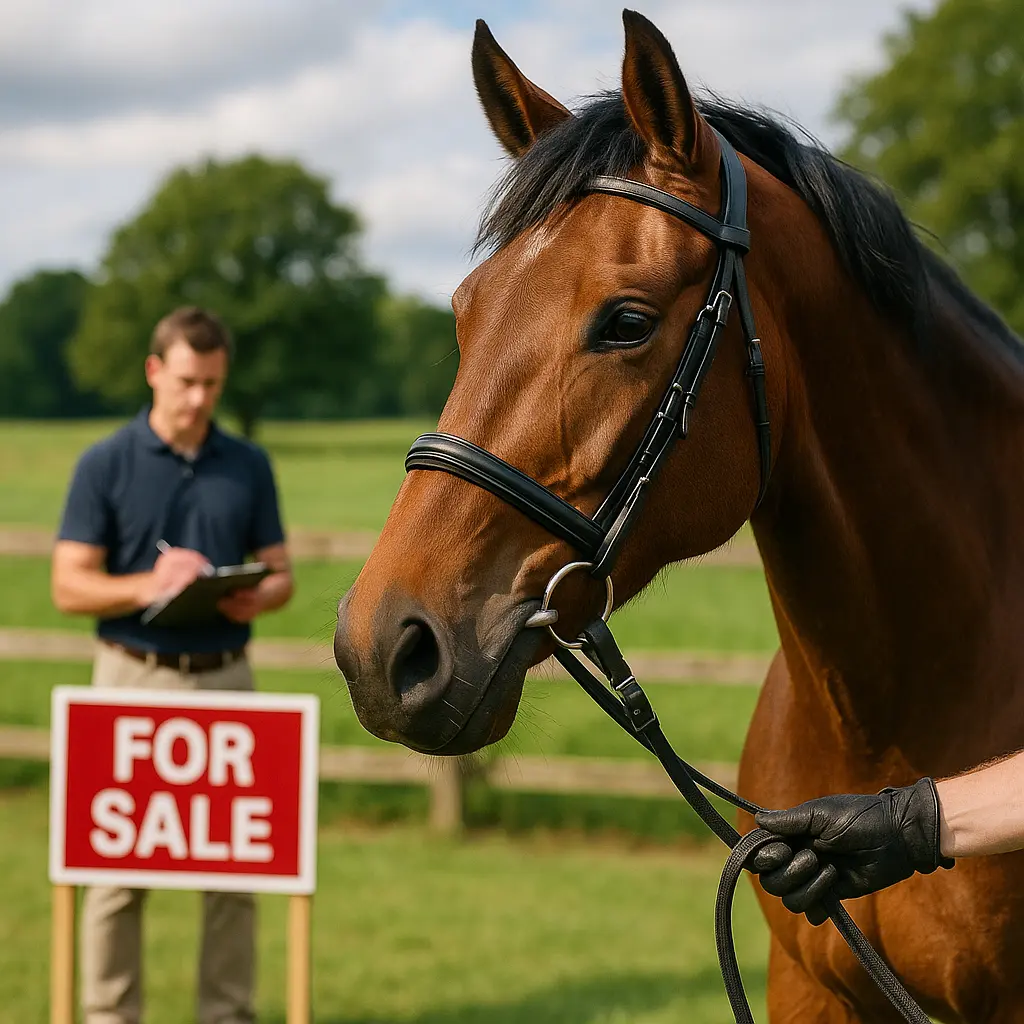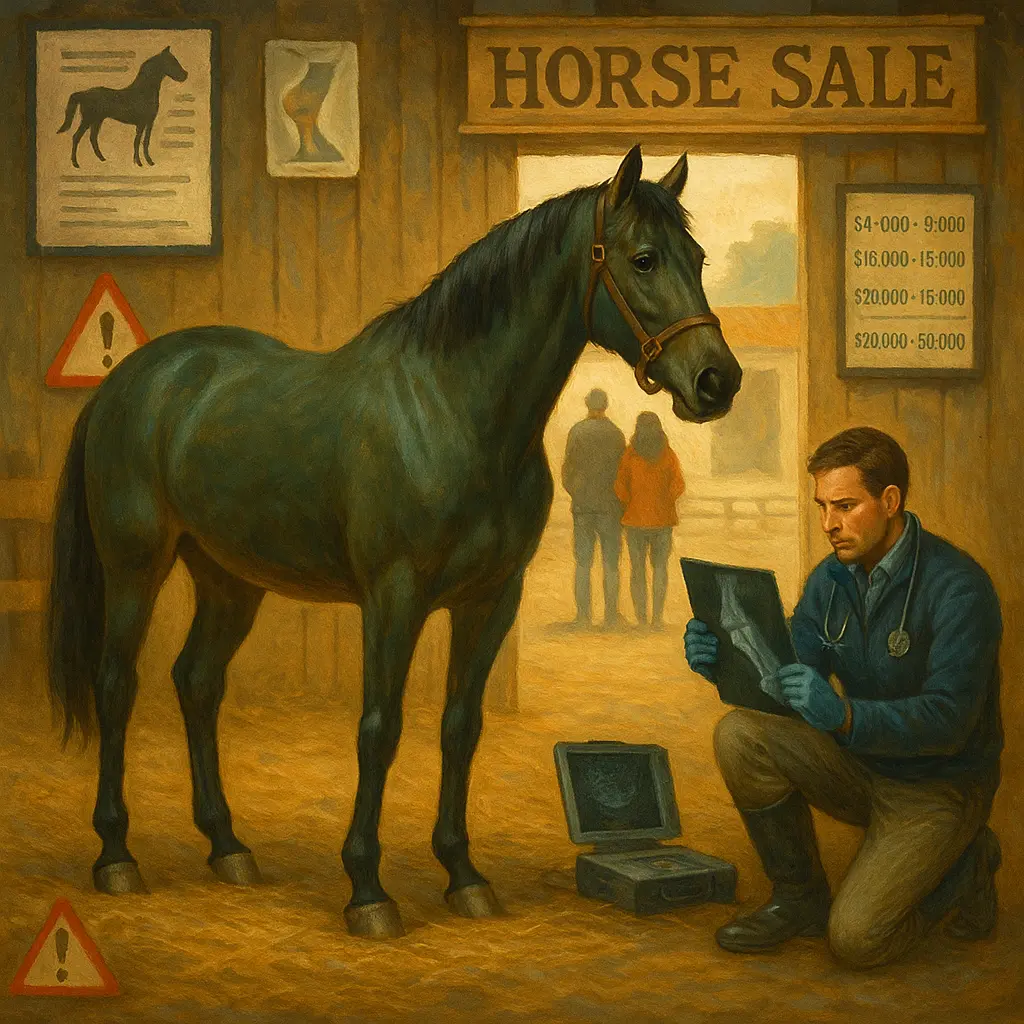
Pricing a green six-year-old is one of the hardest calls you’ll make — get it wrong and you either leave money on the table or watch a decent horse go stale on the market. Add a past lameness or napping history and the price has to reflect both what the horse can do today and the risk a buyer takes on.
Key takeaway: In today’s UK market, ordinary but kind, sound, green six-year-olds often sell around £6,000–£8,000; disclosed lameness or napping usually knocks this down unless you can evidence a clean, current vetting and consistent work.
What is a fair price for a green 6-year-old in the UK?
In the current UK market, a usable, kind green horse commonly advertises around £6,000–£8,000, while very nice native/showing types can reach £10,000–£15,000+, and talented six-year-olds aimed at age classes sit nearer £20,000–£30,000. These figures reflect forum-reported deals across the UK and the strong link between price, job, and proven ability.
Experienced buyers repeatedly cite a middle ground of £6,000–£8,000 for the ordinary, mannerly, green horse that schools and hacks reliably, with soundness documented. Community examples also show outliers from roughly £1,000 for urgent or low-quality sales up to well into five figures for smart natives and showing types with obvious quality and manners — a spread captured in recent Horse & Hound forum discussions. Horses with the jump, movement and production to place in age classes as six-year-olds are frequently discussed in the £20,000–£30,000 range.
Value is job-specific. UK adverts on platforms like Horsemart and ehorses are segmented by breeding, discipline and price because a horse that quietly hacks and attends riding club is a different proposition to a young eventer or show ring native. Classifieds show “green” as an active category — see Pets4Homes — but “green” plus “kind, easy, mannerly, safe, sound, obedient” attracts the stronger bids reported on the forums.
How does a lameness history change value — even if the horse is sound?
A disclosed lameness history almost always reduces price because it lowers buyer confidence; the less clearly diagnosed and evidenced the resolution, the larger the discount. Buyers will also price in future diagnostic and management costs if the horse goes unsound again.
Before you talk numbers, understand what the lameness actually was and how it was resolved. A modern lameness examination is systematic and staged. As the University of Edinburgh Equine Hospital puts it:
“The lameness examination aims to first localise the origin of pain, then obtain more information about that source of pain, and finally to determine the best…”
Read the overview from their orthopaedics team here: University of Edinburgh Equine Orthopaedics. If you can show a full work-up, a clear diagnosis, appropriate treatment, and a period of consistent sound work since, you defend more of the horse’s value. If the cause was never identified, or required extended rest and treatment, buyers will expect a keener price.
In the UK, expect a pre-purchase vetting to be standard on any horse with a history of lameness. Equine vets routinely offer these assessments to advise on suitability and risk — see Dr Alex Knott’s service summary: vettings and sales. Where lameness was disclosed, sales can still complete with price reductions, but documentation matters; legal disputes often turn on what was written and agreed at the time of sale, as echoed in UK Q&A cases such as this JustAnswer example.
Quick tip: Ask for the timeline in writing — onset date, diagnostics used, treatment given, rest period, date of return to work, current workload, and the last date the horse was assessed sound. The clearer the paper trail, the firmer your pricing position.
Napping and behaviour: how should this affect pricing and disclosure?
Napping reduces value because it introduces risk and uncertainty; buyers will discount based on frequency, triggers, and how easily the behaviour resolves with schooling and management. You must disclose when and how it happens, and demonstrate what the horse can currently do safely.
Napping can stem from confidence, schooling gaps, management changes, or pain. UK buyers will probe whether it appears in new places, on solo hacks, in winter wind and rain, after time off, or when the horse is in low light and heavy traffic — because these are typical British conditions. Detail the circumstances and what training has helped. Invite viewings that include schooling and a short hack (ideally both in company and alone) so buyers see the real picture.
Pro tip: Set viewings up for safety and clarity. Kitted-out riders increase confidence and professionalism — think high-visibility for roadside assessments. Our range of rider hi-vis essentials helps keep everyone seen on short hacks around the yard approaches.

How do you evidence soundness and suitability before you agree a price?
Always commission a pre-purchase vetting (2- or 5-stage) and budget for imaging if the vet recommends it; pair this with a written work record and up-to-date video of schooling and hacking. This objective evidence protects both price and saleability.
Whether buying or selling, lean on an experienced equine vet to navigate the decision:
“Whether you are buying or selling, my experience, across a number of equine disciplines, allows me to help and advise you on the best course of action.”
Find details on typical UK vettings here: Alex Knott Equine Vet. If the horse has any history of lameness or behavioural resistance, tell the vet in advance. If the clinical exam suggests a concern, expect nerve blocks, ultrasound or X‑rays to localise pain and confirm the diagnosis — the staged approach explained by the University of Edinburgh team above supports clear decision-making and fair pricing.
Present the horse honestly and professionally:
- Keep a two- to four-week work diary showing what the horse is doing now (schooling alone/in company, hacking routes, poles or small fences, traffic exposure).
- Film schooling, transitions, a simple hack, and any relevant “trigger” context (e.g., wind, new route) to show improvement and current behaviour.
- Prepare for travel to the vet or to a school with good protective kit; our horse boots and bandages range includes travel protection for legs now and during any rehab period.
- Arrive turned out well — a tidy, clean horse with neat mane and tail reads as “well cared-for”. See our curated grooming collections for quick, professional presentation at viewings.
How do you set an asking price that sells in today’s UK market?
Price the horse on current evidence, not wishful potential, and reflect any lameness or napping in the figure while backing your ask with documentation and a transparent, testable description of the horse’s work. Buyers pay for safe, sound, obedient and mannerly — and they discount for uncertainty.
Use this step-by-step to land on a figure that attracts the right buyers:
- Define the job today. Riding club all-rounder, low-level eventer, hacking and fun rides, show ring native? UK adverts segment by discipline for a reason — value tracks the intended job and proven suitability (Horsemart, ehorses).
- Benchmark against the market. For a kind, mannerly, green horse doing flatwork correctly and hacking, forum contributors often cite £6,000–£8,000 as a fair band; nicer showing or native types can reach £10,000–£15,000+; horses with clear talent and production for age classes may be £20,000–£30,000 (H&H pricing thread, H&H age-class thread).
- Adjust for history — with evidence. A green six-year-old with resolved, well-diagnosed lameness and months of sound work usually prices below a comparable horse with a clean record. If your clean-history benchmark would be ~£7,500, a sensible reduction might put you in the mid-four figures to low five figures depending on vetting findings and how robust your work diary and videos are.
- Describe what the horse can do now, in writing. Sellers should state: walks/trots/canters in a school, hacks alone/in company, small fences or poles, exposure to traffic, and any known behavioural triggers. Buyers should request the same info up front. This clarity encourages firm, fair offers.
- Invite a proper assessment and vetting. Expect most UK buyers to arrange a pre-purchase exam; be ready with dates and locations, and include any previous veterinary reports. Transparent organisation justifies a stronger price.
Pro tip: If you’re on the fence between two figures, test the higher one only if your documentation is bulletproof and the horse is quietly doing the job today. Otherwise, launch keenly, sell promptly, and protect your net result.
What UK-season and management factors affect saleability and price?
Horses that cope with wet, muddy winters, solo hacks in wind and drizzle, variable turnout, and busy lanes are easier to sell and can command more. A horse that only goes well in perfect conditions is a harder UK sell.
British winters test horses and riders: limited daylight, sloppy ground, and inconsistent work patterns. If your green horse hacks sensibly in fluorescent kit, keeps condition with thoughtful feeding, and stays straightforward after time off, buyers notice — and pay for it. Build this into your presentation:
- Show video from a breezy day and a damp lane; demonstrate traffic sense and soft hands, not just a perfect school surface.
- Keep the horse comfortable in changeable weather; well-fitted, weatherproof turnout is a real plus in viewings. Explore our dependable winter turnout rugs to keep coats clean and muscles warm on wet days.
- Support joints and recovery appropriately when bringing a horse back into work under veterinary guidance. Our targeted joint and mobility supplements can complement vet-led rehab plans.
- Prioritise rider safety and confidence; a correctly fitted hat is non-negotiable for trials and hacks. See our approved riding helmets collection before viewings.
Quick tip: Plan viewings earlier in the day in winter to avoid fading light and icy verges. Buyers appreciate a thoughtful, safety-first approach.
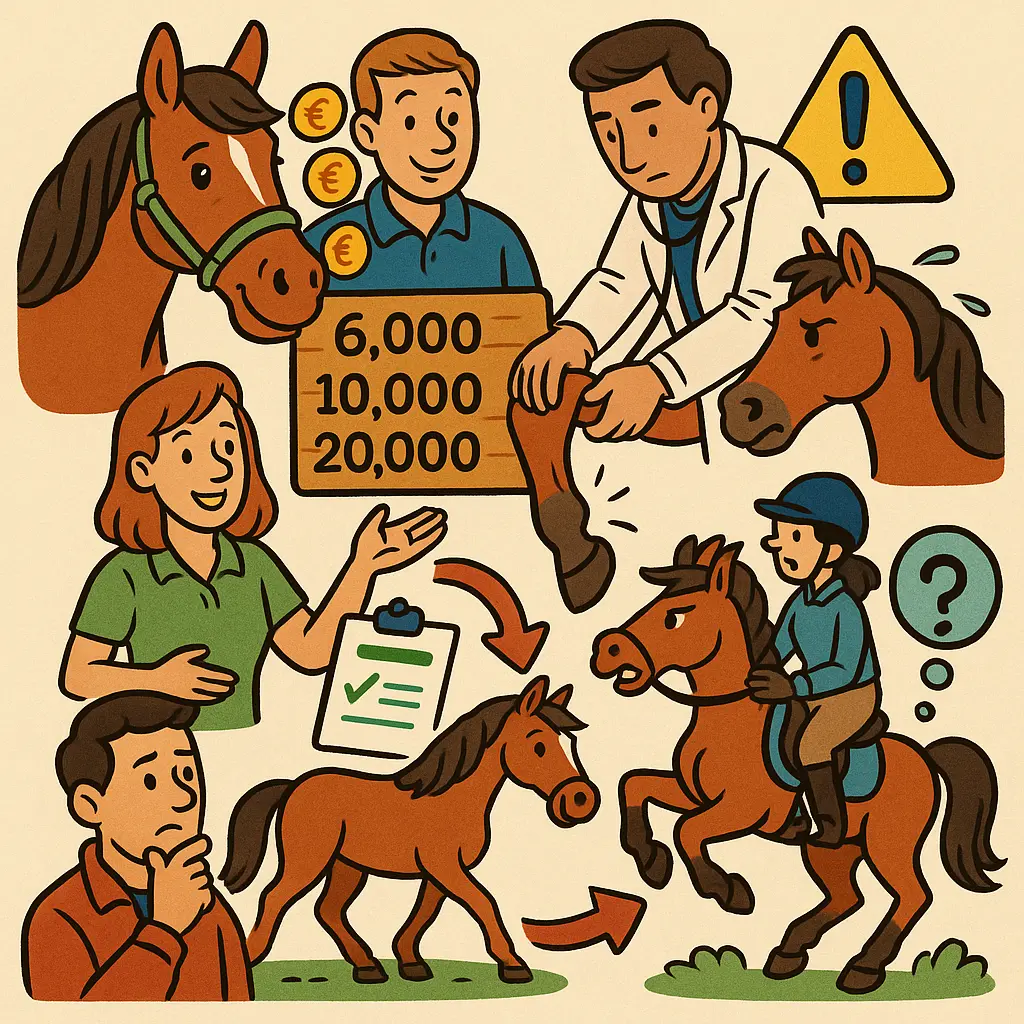
What paperwork protects both buyer and seller in the UK?
Keep written records of every disclosure, attach veterinary reports to the file, and ensure the bill of sale reflects known issues and any warranties. UK disputes frequently hinge on what was disclosed in writing, especially around lameness.
If you’re the seller, prepare a simple dossier: horse ID, passport details, work diary, behavioural notes, veterinary history summaries, and copies of any imaging or treatment plans. Include a plain-English statement of current work and any known quirks or limitations. Agree the price subject to vetting, put deposits and terms in writing, and retain signed confirmation that the buyer has received all disclosures.
Where lameness is known and disclosed, price adjustments are common, but clarity protects both parties — a point underlined by legal Q&A cases like this front-leg lameness sale example. Buyers should keep the full pre-purchase report, including the vet’s risk commentary, as part of the horse’s file going forward.
What kit helps prepare your green horse for viewings and a return to consistent work?
Focus on safety, comfort, and professional presentation; the right basics reassure buyers and make assessments smoother. Choose protective legwear for travel and schooling, clear safety gear for riders, weather-ready rugs, and a tidy grooming kit.
- Protection on the move: travel and brushing protection from our horse boots & bandages range keeps legs safe for vet visits and viewings.
- Turnout that works: a clean, well-fitted rug signals good management; browse proven turnout rugs for British weather.
- Rider presentation and safety: arrive looking the part and protected, with a properly fitted hat from our riding helmets collection and smart, comfortable bottoms from our women’s jodhpurs & breeches.
- Polish the picture: quick-fix brushes, coat sheen, and tidy manes from our grooming collection help the horse look their best without hiding anything.
- Thoughtful support: if your vet advises, consider targeted supplements for joints and recovery while bringing the horse back into steady work.
At Just Horse Riders, we stock trusted brands and ship fast across the UK, so you can get the essentials in place before you open the gate for viewings.
FAQs
What is a fair price for a green 6-year-old mare with resolved lameness?
Expect mid four figures to low five figures depending on diagnosis, treatment, and current workload. Many ordinary but usable green horses are discussed around £6,000–£8,000 in the UK; a resolved, well-documented lameness history usually places you toward the lower end compared to a similar horse with a clean record. See recent market chatter on the H&H pricing thread.
Does a lameness history reduce value even if the horse is sound today?
Yes. Buyers discount for risk of recurrence and future costs. You retain more value with a clear diagnosis, appropriate treatment, and months of consistent, evidenced sound work backed by a current pre-purchase exam — the staged lameness approach from the University of Edinburgh clarifies why diagnosis matters (equine orthopaedics).
Is napping a serious issue for resale?
Often yes. The impact depends on how frequent and severe it is, what triggers it, and whether schooling and management reduce it. UK buyers test for solo hacks, winter wind, traffic and time off. Full disclosure and a calm, honest demo help protect price.
Should I vet a green horse with a “resolved” issue before buying?
Absolutely. UK buyers routinely commission pre-purchase assessments to gauge suitability and risk, especially after any lameness. Discuss concerns with your vet ahead of time and authorise imaging if indicated — see vettings and sales for how equine vets support purchase decisions.
What’s the main pricing mistake sellers make with horses like this?
Pricing as if the horse has a spotless history and proven production. Buyers will price in uncertainty around lameness and behaviour. Lead with current evidence, be transparent, and set a realistic figure that sells promptly to the right home.
How should I present the horse at viewings?
Clean, tidy, and professional without hiding anything. Bring a recent work diary and videos; demonstrate schooling and a short hack. Prioritise safety gear (a compliant hat, ideally hi-vis for roadside work) and consider protective legwear — our riding helmets and horse boots & bandages collections cover the essentials.
Where can I check how the market is segmenting similar horses?
Browse UK classifieds that group by discipline, breeding and price, such as Horsemart, ehorses, and “green” listings on Pets4Homes. Then calibrate your ask against the horse’s current job and evidence, not potential alone.