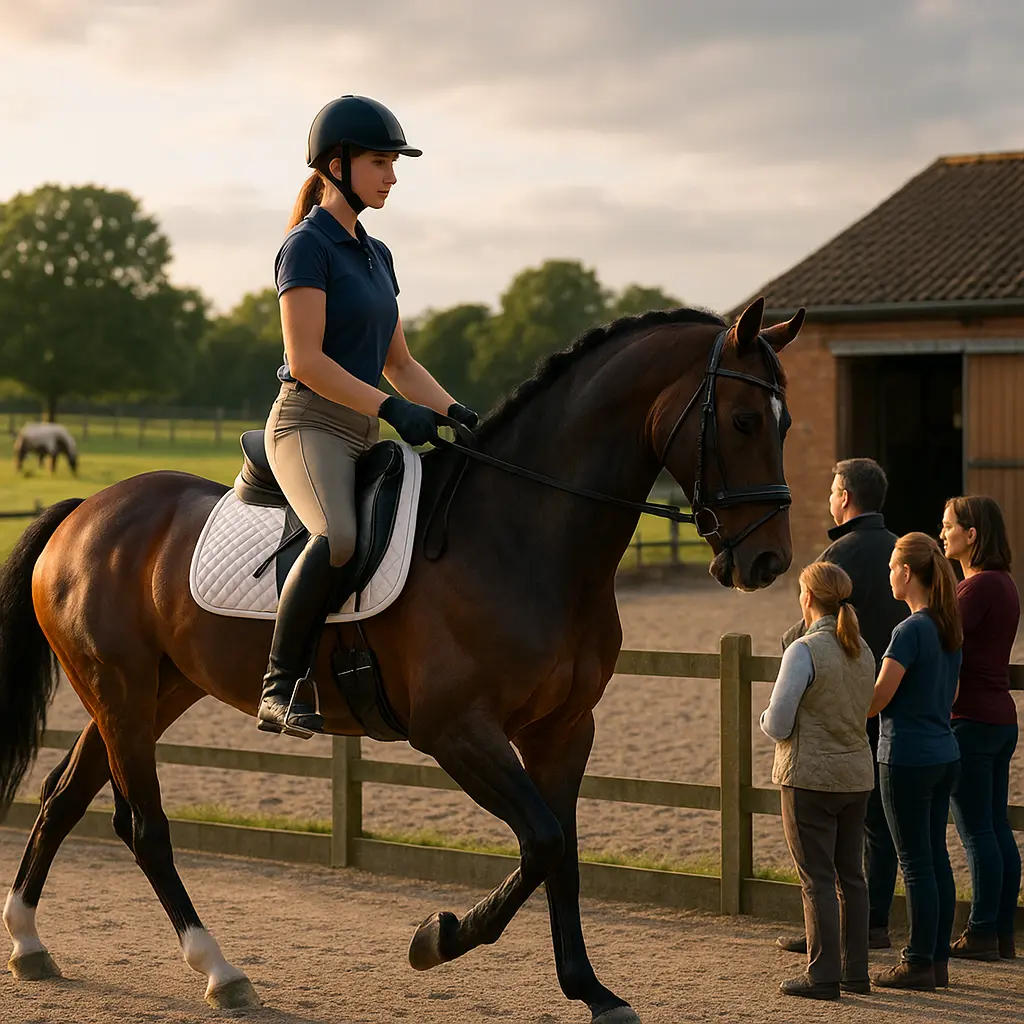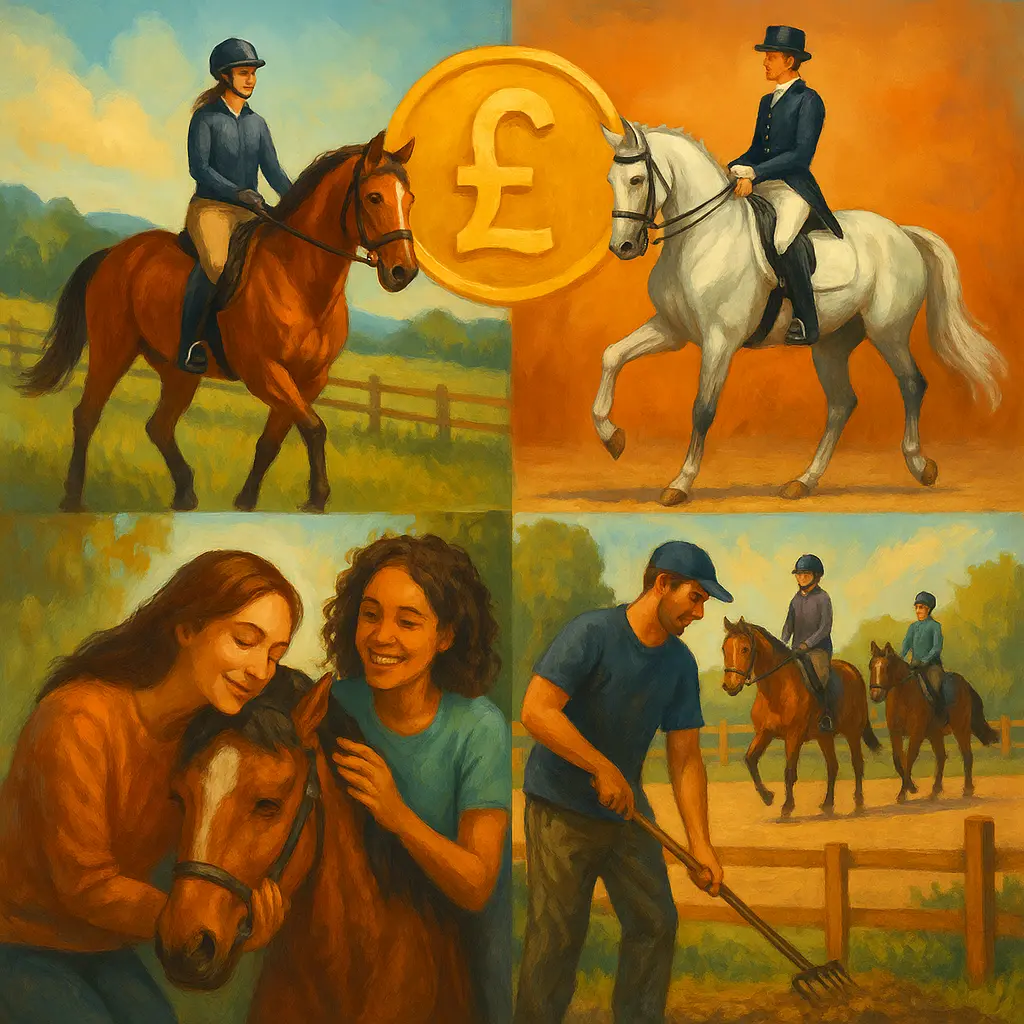
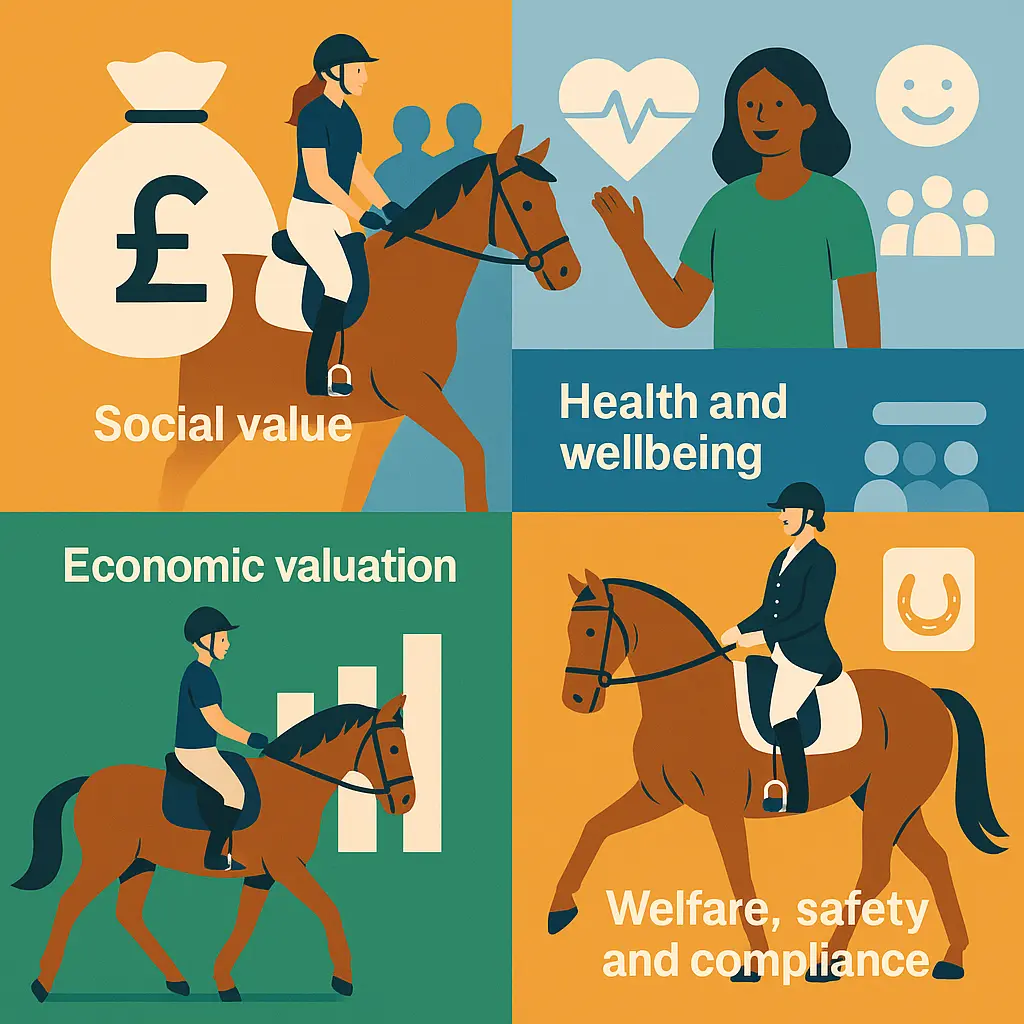
New UK research finally puts numbers to what you feel every time you step on the yard: horses change lives. From stronger bodies to calmer minds — and even stronger communities — dressage and everyday riding deliver measurable benefits for you, your horse and the people around you.
Key takeaway: Ride or do yard work for 30+ minutes at least three times a week and you’ll hit UK activity guidelines while unlocking £2,000–£3,500 in annual wellbeing value per person, all while keeping your dressage goals on track with a welfare-first approach.
How horses power UK wellbeing and community
Equestrianism generates £1.2 billion in social value annually in the UK, with riding schools alone averaging £292,000 each in community benefit. This value reflects improvements in physical health, mental wellbeing, skills, and social inclusion across riders, volunteers and local communities.
The scale is growing. British Equestrian reports an 11.7% rise in memberships across its 19 member bodies between 2023 and 2024, signalling renewed participation after the pandemic era and a strengthening grassroots base. Riding schools and equestrian centres act as year-round community hubs in variable UK weather, offering safe, structured access to horses — and the evidence shows it pays off for everyone.
“This research marks a significant milestone for the equestrian sector – the beginning of a new stage, where we are able to clearly demonstrate our contribution to public health and wellbeing.” — Jim Eyre, CEO, British Equestrian (source)
On-horse participation is valued at around £2,000 per adult per year if you ride twice monthly, and £3,500 per young person riding weekly, while off-horse involvement is valued at around £2,000 per year. Volunteering contributes even more — £2,100 per year for weekly activity and about £1,000 for monthly commitment — building confidence, skills, and social ties as well as supporting local events and centres.
Does riding meet UK health guidelines?
Yes. More than two thirds (68%) of UK riders achieve 30+ minutes of riding or associated yard activity at least three times a week, meeting government physical activity guidance. In other words, your routine with your horse already counts — and it adds up quickly.
Schooling sessions, hacking, lunging, mucking out, sweeping and even lifting feed or water all contribute meaningful activity. Research highlighted by British Equestrian and British Dressage links equestrian activity to improved cardiorespiratory function and enhanced balance and posture — the same motor functions targeted in clinical hippotherapy. It’s functional fitness with a purpose: a calmer mind, better balance in the saddle, and everyday strength you can feel.
At Just Horse Riders, we see riders make the most of their time by planning compact, purposeful sessions. Even a 35-minute schooling ride followed by 15 minutes of walking off and a quick groom will move the needle for your fitness and your horse’s relaxation.
Quick tip: Stay safe and comfortable as you build routine. A well-fitted hat from our range of riding helmets and supportive legwear from our women’s jodhpurs and breeches collection keep you riding consistently — the cornerstone of progress and wellbeing.
Welfare in dressage: when to withdraw and what to watch
Withdraw immediately if your horse shows signs of unsoundness or bleeding; around 19.7% of British Dressage eliminations this year were welfare-related, including 57 for soundness and 15 for blood. Welfare-first choices protect your horse, your reputation and the future of the sport.
These data, highlighted via Horse & Hound’s coverage of BD’s transparency drive, underline what conscientious riders already practice: stop, assess and act if your horse’s comfort is compromised. Day to day, that means tracking subtle changes in way of going, listening to feedback from your trainer and vet, and never “riding through” lameness or mouth trauma. British Dressage and FEI rules also prohibit practices that compromise welfare, from hyperflexion to insensitive use of equipment, with strict anti-doping and controlled medication policies covering both horses and riders.
Support your horse’s body and training with smart choices. Protective legwear from our horse boots and bandages collection helps reduce knock injuries in schooling, while targeted nutrition from our supplements range can support joints and muscles — highly relevant given that soundness accounted for the majority of welfare-related eliminations reported.
Pro tip: Build in a weekly “wellbeing session” — a loose-rein hack, in-hand stretch, or light lunge — to check way of going and mental freshness. The aim is to finish with a lower heart rate and a softer outline than you started.
Year-round training in UK weather: keep the horse warm, dry and focused
For consistent training through wet, windy UK seasons, use the right rug at the right time to keep muscles warm, backs comfortable and sessions productive. Turnout when it’s wet and blustery; stable rugs for dry shelter; and a lightweight riding or exercise layer for clipped horses on cold days.
Cold-backed steps, tight strides and a longer warm-up are classic signs your horse is chilled or tight across the back. Appropriate layering protects muscle comfort and reduces the risk of strains when you pick up lateral work. For outdoor days, explore our waterproof, breathable turnout rugs to keep skin and muscles dry before and after schooling. In the stable, a well-fitted stable rug helps maintain temperature without sweating, supporting relaxed toplines and softer contact the next day.
Our customers often pair dependable rugging with clear warm-up protocols: 10 minutes of active walk, then rising trot with gentle figures of eight, before a few minutes of long-and-low canter. Consistency beats intensity in UK winters. For proven weather protection and value, many riders choose brands like WeatherBeeta for reliable fit, durable outers and easy-care linings that make daily routines smoother.
Quick tip: Check fit monthly as body condition changes with the seasons. A stable rug that sat perfectly in October may rub shoulders by January if your horse has lost or gained condition.
Staying eligible and moving up in BD
To progress through British Dressage pathways, you need 68% at Regionals (70% for music) to move forward without dropping back, and you must maintain fitness and adhere to anti-doping and controlled medication rules to avoid de-selection. Keep training structured and welfare-led to protect both scores and eligibility.
In practice, that means balancing technical schooling with recovery and correctness. A simple framework works: day one suppling and basics; day two power and straightness; day three recover and stretch; then repeat. Film run-throughs monthly to catch tension patterns and training holes that cost marks. Remember, selection and progression policies require you to maintain agreed training programmes and performance levels — it’s about sustained form, not one good day.
For competition days, preparation is performance. Pack the night before, arrive with time for a calm walk and progressive warm-up, and ride the test you’ve trained, not the one you wish for. Compliant attire helps you focus on feel and harmony; browse our women’s competition clothing to tick off the essentials and present a polished, professional picture that reflects your training.
Pro tip: Build your test like a pyramid. Start with rhythm and relaxation, add connection and straightness, then ask for expression. If the base wobbles, rebuild before adding power.
A weekly plan to maximise health and happiness
Combine 2–3 rides, 1–2 groundwork or yard sessions, and optional volunteering to unlock the highest wellbeing value and sustainable progress. The research values on-horse participation at £2,000–£3,500 per year and volunteering at up to £2,100 per year for weekly involvement.
Here’s a simple, UK-proofed template you can adapt around weather and light:
- Ride 2–3 times (mix schooling, hacking and poles) to meet the 30-min x 3 guideline most weeks.
- One in-hand or lunge session to build suppleness without weight of rider.
- One active yard session (deep clean, poo-pick, hay and water carries) on a non-riding day for functional strength.
- Optional: volunteer monthly or weekly at your local riding club or centre to contribute, learn and connect.
Layer in micro-habits: 5 minutes of hand-walking to cool down, 3 sets of carrot stretches post-ride, and one short mindfulness moment at the end of each session. At Just Horse Riders, we recommend reviewing your plan every four weeks: note what worked, what spiked tension, and which exercises improved suppleness or contact, then nudge the mix accordingly.
Safety and comfort keep you consistent. A correctly fitted hat from our riding helmets selection and weather-ready layering for your horse with the right turnout rug or stable rug mean fewer missed days — and that’s where real progress and wellbeing gains live.

FAQs
Yes — here are concise answers to the most common UK questions on dressage, welfare and health, grounded in current research and British Equestrian guidance.
What wellbeing value does dressage riding provide?
On-horse participation is valued at about £2,000 per adult per year when riding twice monthly and £3,500 per young person riding weekly, reflecting gains in physical health, mental wellbeing and social connection (source). These values echo the lived experience of riders who report improved mood, resilience and community through regular participation.
How common are welfare issues in UK dressage competitions?
About 19.7% of 427 British Dressage eliminations recorded year to date were welfare-related: 57 for soundness, 15 for blood and 12 other welfare factors (source). The takeaway is clear: monitor soundness closely, withdraw if in doubt, and prioritise a training diet that builds resilience gradually.
Does riding meet UK physical activity guidelines?
Yes. According to the British Horse Society’s research, 68% of riders achieve at least 30 minutes of riding or associated yard work three times per week, meeting UK government recommendations and delivering cardiorespiratory benefits (source).
What rules apply to competitive dressage in the UK?
UK riders must follow FEI/British Equestrian anti-doping and controlled medication rules, adhere to British Dressage codes of conduct (including welfare and judging standards), and maintain fitness and agreed training programmes to avoid de-selection in representative contexts (2024 policy; 2025 policy).
How can I support my horse’s soundness for dressage?
Build a progressive plan with regular rest, vary the surfaces and exercises you use, and monitor for subtle gait changes. Consider protective schooling gear from our horse boots and bandages range and targeted nutrition from our supplements selection to support joints and muscles, alongside professional guidance from your vet, physio and saddle fitter.
What should I wear and pack for a smooth BD competition day?
Focus on comfort, compliance and calm. A correctly fitted hat from our riding helmets range, weather-appropriate layers, and tidy, rule-compliant attire from our women’s competition clothing collection set you up to focus on riding for harmony. Pack spares for gloves and reins, a simple repair kit, and cooling tools for warm weather.
“The findings highlight the transformative impact equestrian activities have on individuals and communities across the UK, contributing to physical health, mental wellbeing and social development.” — Mandana Mehran-Pour, Head of Participation & Development, British Equestrian (source)
Ready to ride for health, happiness and harmony? Build your three-sessions-a-week routine, put welfare first, and set your training to the rhythm of UK seasons — with dependable gear from warm, waterproof turnout rugs to proven WeatherBeeta favourites — so you and your horse can thrive all year round.