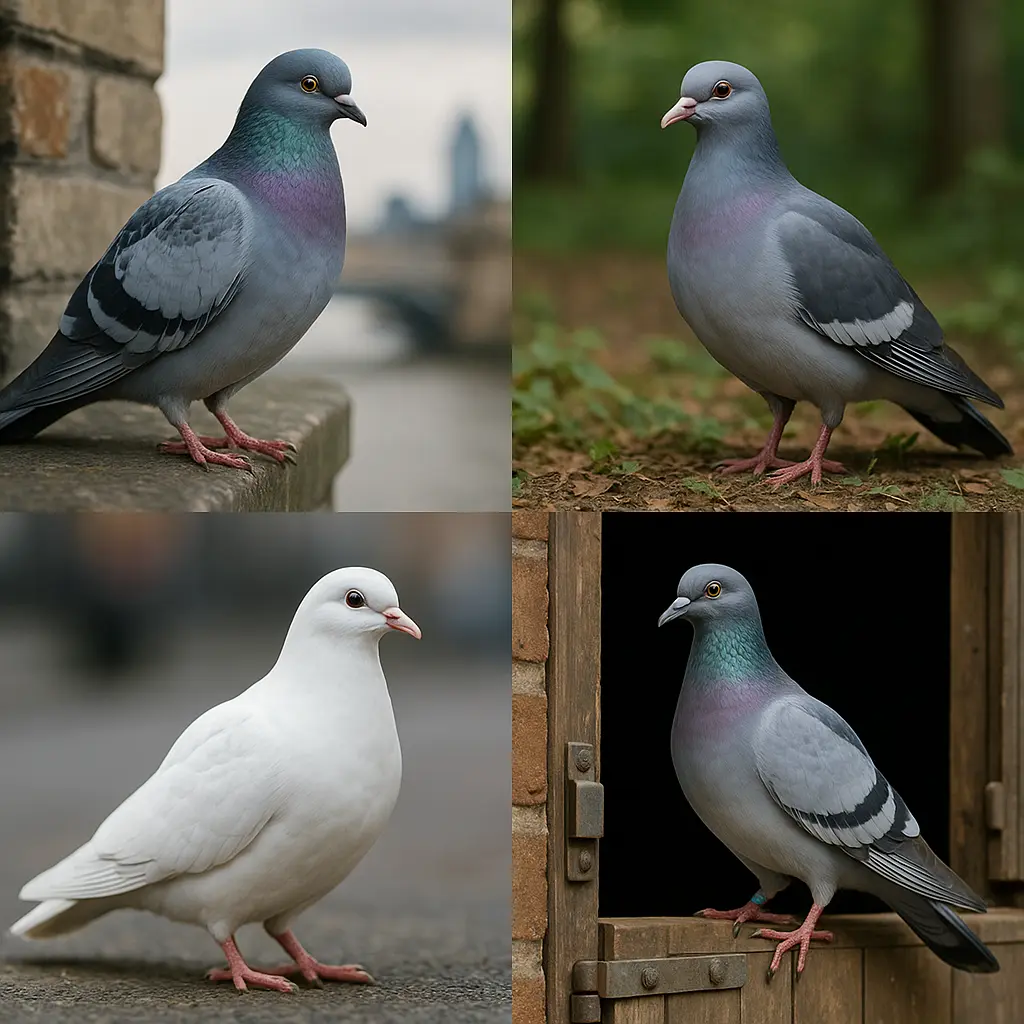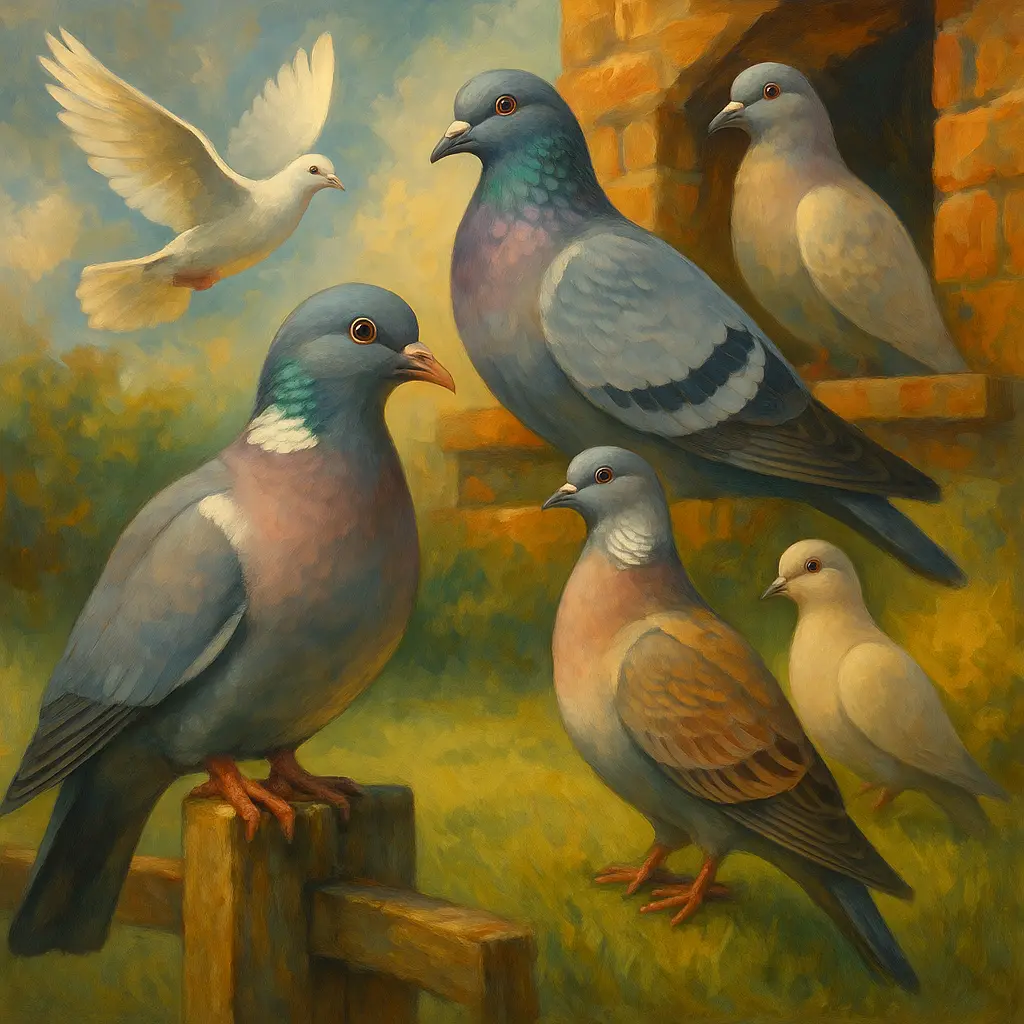
Pigeons love British stables: they’re dry, high, and often full of spilled grain. But not every “yard pigeon” is the same — and knowing what you’re dealing with helps you protect your horses, your feed, and local wildlife.
Key takeaway: Most pigeons you’ll see at UK yards are feral pigeons or woodpigeons; check neck patches, leg rings, calls, and behaviour to identify them, and proof stables to keep droppings out of feed and hay.
How to identify which pigeon is in your yard
Look for white neck patches, leg rings, calls, and behaviour: woodpigeons show bold white neck patches and pink breasts; feral pigeons vary in colour and usually lack rings; racing pigeons carry coded plastic leg rings. Here’s how to tell the common UK species apart fast.
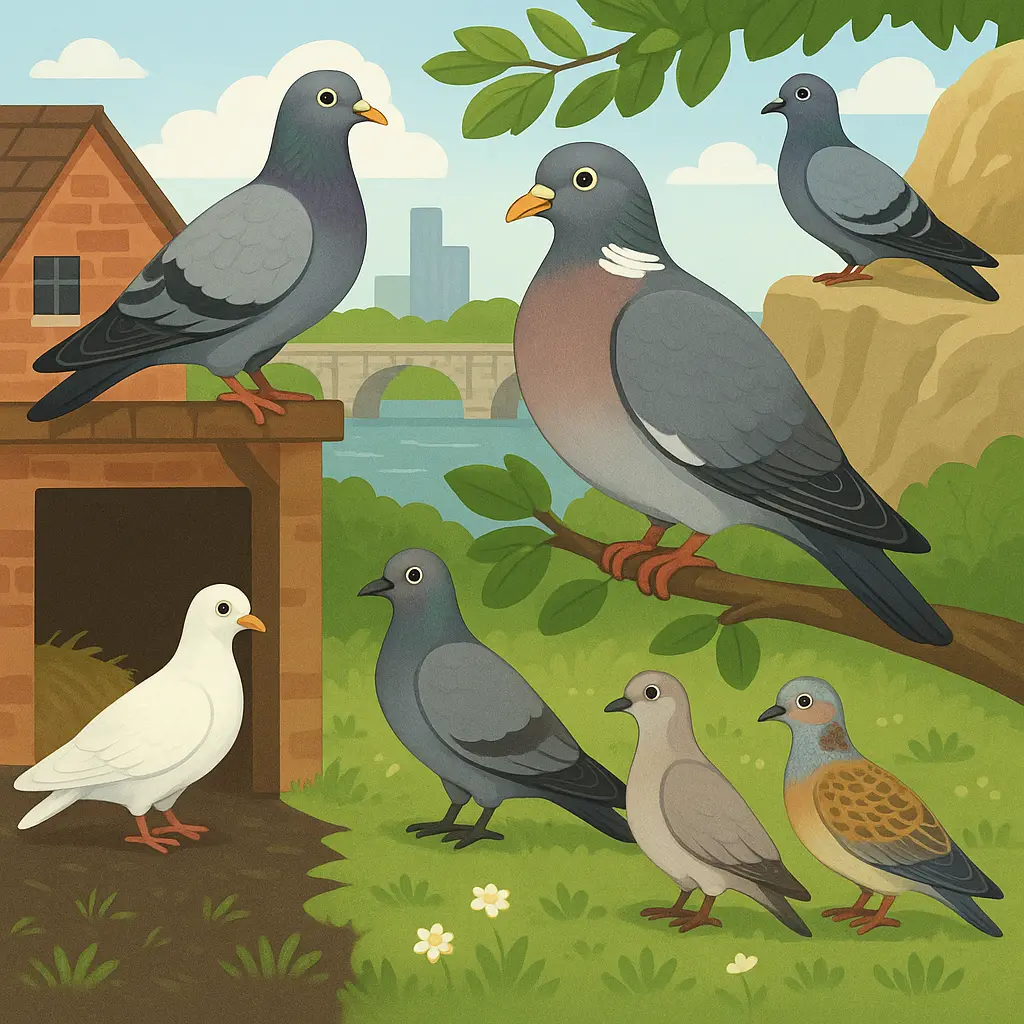
Five pigeon and dove species are regulars across the UK: feral/rock pigeon, woodpigeon, stock dove, collared dove, and the much rarer turtle dove (a summer visitor). Feral pigeons are descended from domesticated rock pigeons (rock doves), so they come in every shade from classic blue-grey to white, black, and brown. That variation often causes confusion in yards.
- Woodpigeon: the UK’s largest and most numerous pigeon (around five million breeding pairs). Key ID: white neck patches and a pinkish breast. Often shy in woodland or farmland, but flocks build in winter with continental migrants.
- Feral pigeon (urban/yard pigeon): variable plumage; many show two dark wing bars and an iridescent green/purple neck. Typically bold around people and buildings, nesting on ledges, roofs, and bridges.
- Stock dove: smaller than a woodpigeon; dark grey upper back contrasts with a paler rump, with an iridescent neck patch and short, dark wing bars. Often seen around farmland and quiet parkland.
- Collared dove: slim, pale dove with a neat black neck “collar” and a repetitive “un-i-ted” call. Common around gardens and farms.
- Turtle dove: scarce summer visitor to southern/eastern England, delicate with mottled wings and a soft purring call; legally protected from disturbance.
Calls help: feral pigeons give the familiar soft “crooo” cooing; woodpigeons are deeper — the mnemonic “take two cows, Taffy” is hard to miss; collared doves chant “un-i-ted” in threes.
“Feral Pigeons are actually the same species as the plainer, wild Rock Dove... Seen an all-white dove? It’s actually a Feral Pigeon.” — RSPB
“The main identification pitfall is the Feral Pigeon/Rock Dove problem. While many Feral Pigeons look nothing like the wild Rock Dove from which they are descended, some look identical.” — British Trust for Ornithology (BTO)
True wild rock doves are now rare in the UK; they nest on coastal cliffs in north and west Scotland and Ireland, so a “rock dove lookalike” in a Midlands stable is almost certainly a feral pigeon.
“Pure rock doves are rare and, in the British Isles, now found only on the coasts of north and west Scotland and Ireland where they nest on cliffs.” — BBC Countryfile
Lost racing pigeon or feral? Exactly what to check
Check the legs first: a racing pigeon almost always carries a coloured plastic ring with an owner code; no ring and bold, scavenging behaviour points to a feral or an escaped pet.
Racing pigeons often drop into stables to rest, especially after tough weather on a race day. In the UK, these visitors typically carry a bright plastic ring with characters that trace back to the owner through the Royal Pigeon Racing Association (RPRA). If you can approach safely, read the code or photograph it and use the RPRA lost bird service (rpra.org) to report the location and condition. If the bird is weak or injured, the RSPCA or a local wildlife rescue can advise on immediate care.
No ring? Then you’re likely looking at a feral pigeon — or a tame escapee without ID. Either way, avoid feeding; food rewards cause pigeons to imprint on your yard, bringing friends. Instead, offer a shallow dish of clean water for 12–24 hours, then remove it.
Quick triage routine for a “yard arrival”:
- Observe from a distance: fluffed up, limping, or unable to fly merits a call to a rescue.
- Check for a ring: if present, report to RPRA with photos and location; they’ll contact the owner.
- Water only: offer fresh water; do not scatter grain or horse feed.
- Daylight reassessment: many rest overnight and leave at first light.
Pro tip: Photograph both legs and the bird from each side while it’s perched; you’ll capture the full ring code and any distinguishing features for reporting.
What to do when a pigeon sleeps in your stable
Leave it undisturbed overnight, keep horses calm, put out a shallow dish of water, and reassess in the morning; report ringed racers and call a rescue if the bird is injured.
Why do pigeons pick your stable? It’s dry and high, echoing the cliff ledges their wild ancestors used. In wet UK winters and after long flights, tired pigeons seek the first safe perch. Woodpigeons also roost communally and may use big, quiet spaces on stormy nights. Most will depart at dawn once rested.
What to do:
- Close the stable quietly so the bird and your horse both stay settled.
- Position water away from your horse’s feed; remove in the morning.
- Check for a ring in daylight; report racers through the RPRA service.
- Remove any droppings from hay or bedding promptly and disinfect hard surfaces.
At Just Horse Riders, we recommend a simple “yard response kit” near the feed room: disposable gloves, a stiff brush and shovel, a disinfectant spray, and a designated bucket for waste. It makes clean-up quick and keeps contamination away from feed.
Are pigeons a risk to horses and yards?
Yes — pigeon droppings can foul hay and feed with bacteria such as salmonella, so prevent access, remove contaminated forage immediately, and disinfect perches and surfaces.
For most horses, the biggest risk isn’t direct disease but contamination of hay, bedding, and buckets. Droppings on haynets or in feed bowls should be treated as spoiled; remove and replace. Keep grain sealed, sweep up spillages daily, and proof favourite perches to stop the mess before it starts.
Practical yard hygiene:
- Store feed in lidded bins and keep grain off the floor.
- Clean droppings from hard surfaces with gloves and disinfectant; bag and bin the waste.
- Discard any hay or bedding soiled by droppings; don’t shake out in the aisle where dust can spread.
To protect horses during clean-up or in busy mixed yards, a lightweight sheet helps keep coats clean. Consider breathable fly rugs and sheets in summer to shield against mess and midges while you tackle proofing. If droppings splash a rug, brush off when dry and spot-clean with a mild solution before reproofing as per the manufacturer.
Quick tip: Keep a separate stiff brush and dustpan just for bird mess to avoid cross-contamination with grooming kit or feed prep tools.
How to pigeon-proof stables humanely
Block entry with netting or mesh, fit spikes or gel on ledges, lock food away, and remove spilled grain daily; these steps quickly make your yard unattractive to pigeons without harming them.
Pigeons return to reliable roosts and easy meals. Remove both and they move on. Work through this checklist:
- Seal gaps high in the building with sturdy netting or mesh; check ridge vents, eaves, and beam openings.
- Fit deterrent spikes or non-toxic gel on favoured perches like lamp housings, beams above feed rooms, and signboards.
- Use dummy predators sparingly and move them weekly; birds habituate quickly if you don’t vary placement.
- Keep the floor clean: sweep up grain, dropped treats, and chaff at the end of each day.
- Secure feed rooms and keep bins lidded; never leave mixed feeds open while riding or mucking out.
- Confirm you’re not excluding protected species (see legal notes below) before netting large areas.
Gear that helps:
- Stable bird-proofing netting/mesh and humane deterrent spikes or gels for common perches.
- A wildlife camera to learn where birds slip in so you can fix the right gaps first.
- Stout yard footwear and gloves for safe, hygienic clean-up — a good pair of yard boots pays for itself quickly.
- Dedicated cleaning kit; browse yard-friendly brushes and tools within our grooming collection to assemble a practical set.
Pro tip: Proof the feed room first. If there’s no payoff, most ferals won’t bother exploring the rest of your buildings.
When and where UK yards see most pigeons
Expect spikes in March–June and July–October during UK racing seasons when tired birds seek shelter, and more roosting in October–March when wet, windy weather pushes pigeons indoors.
Seasonality matters. In spring and autumn, racing schedules increase the chance of a ringed visitor stopping at your yard. In winter, cold snaps and persistent rain drive both feral and woodpigeons to drier roosts — stables, barns, and store sheds are prime. Urban-edge yards see more feral pigeons comfortable around people; rural livery yards in mixed farmland may also host stock doves, which tend to be quieter and less intrusive.
Woodpigeon flocks often swell in winter thanks to migrants from the continent, so big groups on fields and hedgerows near your yard are normal. Feral pigeons, by contrast, breed year-round where food is reliable, raising several broods in urban settings and around farms.
Protected species and what the law means at your yard
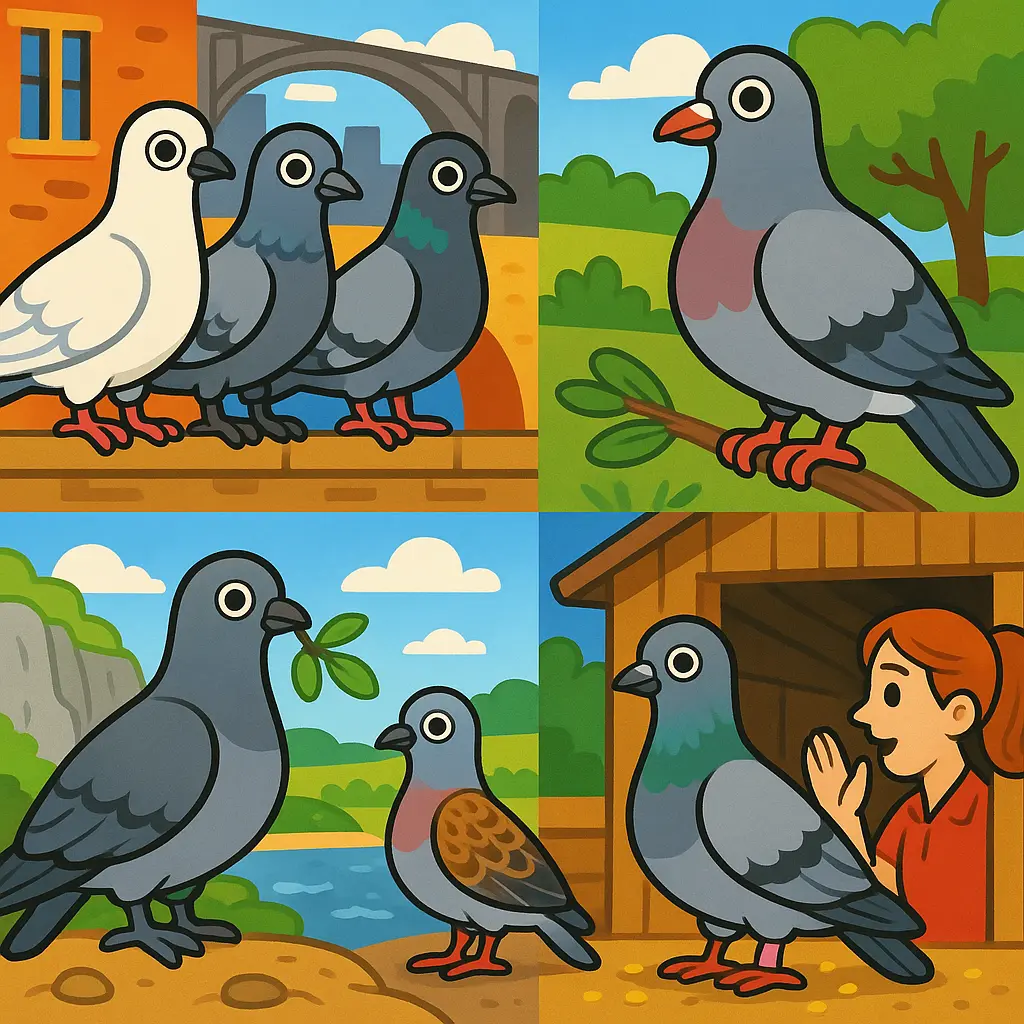
Do not disturb turtle doves (Schedule 1 under the Wildlife & Countryside Act 1981) or any nesting birds; pure rock doves are essentially coastal in north and west Scotland and Ireland, so yard “rock” lookalikes are almost always feral pigeons.
All wild birds are legally protected from active nest disturbance. If you discover a nest, pause works and seek advice before proofing that area. Turtle doves — now very scarce and a summer-only visitor — and other Schedule 1 species have additional protections against disturbance. If you’re on the far north or west coasts of Scotland or in Ireland, remember that wild rock doves nest on sea cliffs; away from those habitats, the similar birds you see around buildings are feral pigeons descended from domestic stock.
Handling feral pigeons to remove them from buildings is generally unrestricted, but best practice is always humane, non-lethal deterrence. When in doubt, consult a local wildlife rescue for advice tailored to your site.
Yard kit that helps you manage pigeons safely
Use protective rugs, cleaning gear, and simple deterrents to keep horses clean and feed uncontaminated while you proof entry points.
Useful additions for busy UK yards:
- Lightweight protective layers: breathable sheets are handy while you sort proofing; see our summer-ready fly rugs and sheets to keep coats clean without overheating.
- Winter cover while roosts are fixed: when wet weather drives birds inside, a durable stable rug can save you time on grooming and washing.
- Clean and quick: assemble a designated cleaning set from our grooming range — stiff brushes, scrapers, buckets, and gloves — to remove droppings fast and hygienically.
- Trusty yard brands: sturdy, easy-care rugs and tools from Shires and smart, durable kit from LeMieux stand up to daily use in busy barns.
- Budget-friendly backups: keep a spare rug or brush set from our Secret Tack Room clearance so you’re never caught out on a wet, bird-busy week.
At Just Horse Riders, we recommend setting a weekly five-minute “perch patrol”: brush away any dry droppings, wipe rails, and check netting tension. Consistency beats one big clean every few months.
The bottom line for UK yards
Identify the bird, keep food locked away, proof obvious perches and gaps, clean promptly, and report ringed racers — that’s the simple, humane formula that keeps horses safe and stables clean.
Once you remove access and reward, feral pigeons quickly move on. Meanwhile, a calm, water-only approach and a quick ring check help lost racers get home. Keep a small clean-up kit handy, and you’ll stay ahead of the mess.
FAQs
How do I tell a feral pigeon from a lost racing pigeon?
Check the legs. Racing pigeons wear coloured plastic rings with coded numbers; ferals usually don’t. Photograph the ring and report through the RPRA lost bird service. No ring and bold scavenging behaviour generally indicates a feral or escapee.
Should I feed a pigeon that’s sheltering in my stable?
No. Offer water only. Feeding encourages dependency and attracts more birds to your feed and hay, increasing contamination risks. Most resting birds will leave at first light once hydrated and rested.
Is a white pigeon a special dove I shouldn’t disturb?
An all-white “dove” around buildings is almost always a feral pigeon colour variant, not a separate protected species. Avoid disturbing active nests, but general proofing and discouragement are fine.
When should I call a rescue or vet for a pigeon?
Call if the bird is injured, very thin, unable to fly, or has obvious wounds (dangling wing, limping). If it’s simply roosting overnight, leave it undisturbed and reassess in daylight.
How do I get droppings off my horse or rug safely?
Let it dry, brush off with a dedicated stiff brush, then spot-clean the area. A lightweight sheet from our fly rugs and sheets range can protect coats while you proof roosts.
What’s the fastest way to pigeon-proof a feed room?
Seal obvious gaps with netting or mesh, install spikes on lamp housings and door lintels, keep bins lidded, and sweep spillages daily. Most ferals move on when there’s no easy food or perch.
Are pigeons dangerous to horses?
The main risk is contamination: droppings on hay or in feed can carry bacteria such as salmonella. Remove soiled hay immediately, disinfect hard surfaces, and keep grain sealed to minimise risk.