Looking for a sensible hacker that won’t empty your wallet? In today’s UK market you can still buy a safe, non‑youngster for under £5,000 — if you know where to search, what to ask, and how to test.
Key takeaway: Safe, mature hackers are available in the UK for £2,850–£5,000 — focus on older cobs and Irish types, filter smartly on trusted platforms, and invest in proper vetting and kit to set you up for success.
Can you really buy a safe, mature hacker for under £5,000?
Yes — current UK listings show multiple non‑youngster horses (7–17 years) advertised as safe, sane hackers from £2,850 to £5,000. Recent examples include a 14‑year‑old 14.3hh bay mare at £3,950 and a 14hh dun cob gelding at £2,850, both marketed as calm, family‑friendly types.
Across leading UK sales platforms there are 10+ mature (7+ years) adverts at any time in “happy hacker” or “allrounder” categories under £5,000. You’ll regularly see descriptions such as “safe, sane, sound,” “calm, non‑spooky,” and “hacks alone and in company,” often attached to cobs and Irish types between 14hh and 16hh. While some well‑proven allrounders and very tall models price higher, even a 13‑year‑old 17.1hh Thoroughbred gelding described as easy and willing was listed at £5,500 — just above the threshold and a useful guide to mature pricing.
Where to find the best under‑£5,000 mature horses online
Start with trusted UK marketplaces and use category and price filters like “Happy Hackers,” “Family,” and “Under £5,000.” HorseQuest’s Happy Hackers and Horsemart’s Family horses sections are rich hunting grounds for older, steady types.
Filter by age (7+), height (14–17hh), and keywords such as “hacks alone/in company,” “bombproof,” “no vices,” and “open to vetting.” Cobs and Irish Sports Horse types dominate the value bracket and are frequently presented as traffic‑safe and non‑spooky. When an advert sounds right, request videos of the horse hacking on roads, passing vehicles, and working in open spaces. A seller willing to share thorough footage and history is a positive early signal.
What types and heights offer the best value for novice‑friendly hacking?
For under £5,000, 14–17hh cobs and Irish types over 10 years old offer the strongest pool of “ploddy,” low‑maintenance hackers suitable for novices and families. Many are advertised specifically as traffic‑safe, kid‑friendly, and steady in company or alone.
Listings often highlight “bombproof lazy ploddy” temperaments, which suit UK lanes, bridleways, and riding club life. Examples include 14hh geldings around £2,850 and small‑draught or Irish Draught‑type mares near £5,000. If you want extra height, search 15–16hh cobs and Irish Sports Horses labelled “safe sane sound straight”; several mature grey geldings over 15hh appear regularly in this category with strong manners for hacking.
Quick tip: If the dream is a calm 16hh+ but your budget is tight, widen your net to 14.2–15.2hh — prices are often kinder and you’ll find more genuine family types with miles on the clock.

How to assess “safe, sane, sound” claims before you view
Prioritise adverts stating “hacks alone and in company,” “good in traffic,” “non‑spooky,” and “no vices,” backed by clear videos and a vetting‑friendly attitude. Ask for history (ownership, shoeing, dentistry, saddle fit) and any vet work or management needs up front.
Strong listings will read like this:
“Safe sane sound straight; Calm non spooky hack. Lovely grey gelding with superb manners. Hacks alone and in company and is always a gent.”
Source: HorseQuest Happy Hackers
What to ask before you travel:
- Provide videos of: catching from the field, tacking up, mounting, standing quietly, hacking on roads with traffic, passing bicycles/tractors, negotiating puddles, and working in an open field.
- Confirm: rides out alone, will leave the yard sensibly, good to shoe/clip/load, no stable vices, current fitness level and workload, turnout routine, and any past lameness or behavioural episodes.
- Request: full passport details, vaccination dates, dentist/farrier dates, and openness to pre‑purchase vetting (Stage 2–5) by an independent vet.
Pro tip: Look for phrases like “hacks alone and in company,” “seen heavy traffic,” “open to any vetting,” and “no bute or known issues.” Vague wording or refusal to share roadwork videos is a red flag.
What to check on the day: a UK‑focused test ride plan
Replicate your real‑world routine: see the horse caught from the field, handled, tacked up, and ridden on roads, in wet lanes, and in open spaces — both alone and in company. A genuine hacker will stay polite in traffic, step through puddles, and remain rideable in wind and rain.
Follow this simple, safe sequence:
- On the ground: assess manners to catch, lead, tie, pick up feet, and rug. Watch for pushiness, tail swishing, or reluctance to be handled.
- Mounting: ask the seller to get on first from a mounting block; observe standing quietly. Then you mount and see if the horse stands until asked to move off.
- Hacking: ride on local roads with passing cars, bicycles, and ideally a tractor. Walk through puddles and past bins, dogs, and hedge‑cuttings. Test alone and with another horse.
- Open spaces: trot/canter on a track or field, then calmly return to walk. Check brakes, steering, and the ability to go first and last.
- Arena basics: transitions, a soft contact, and a small circle each rein. Note any stiffness, unevenness, or resistance.
- After work: watch recovery, check legs for heat or swelling, and assess temperament back at the yard.
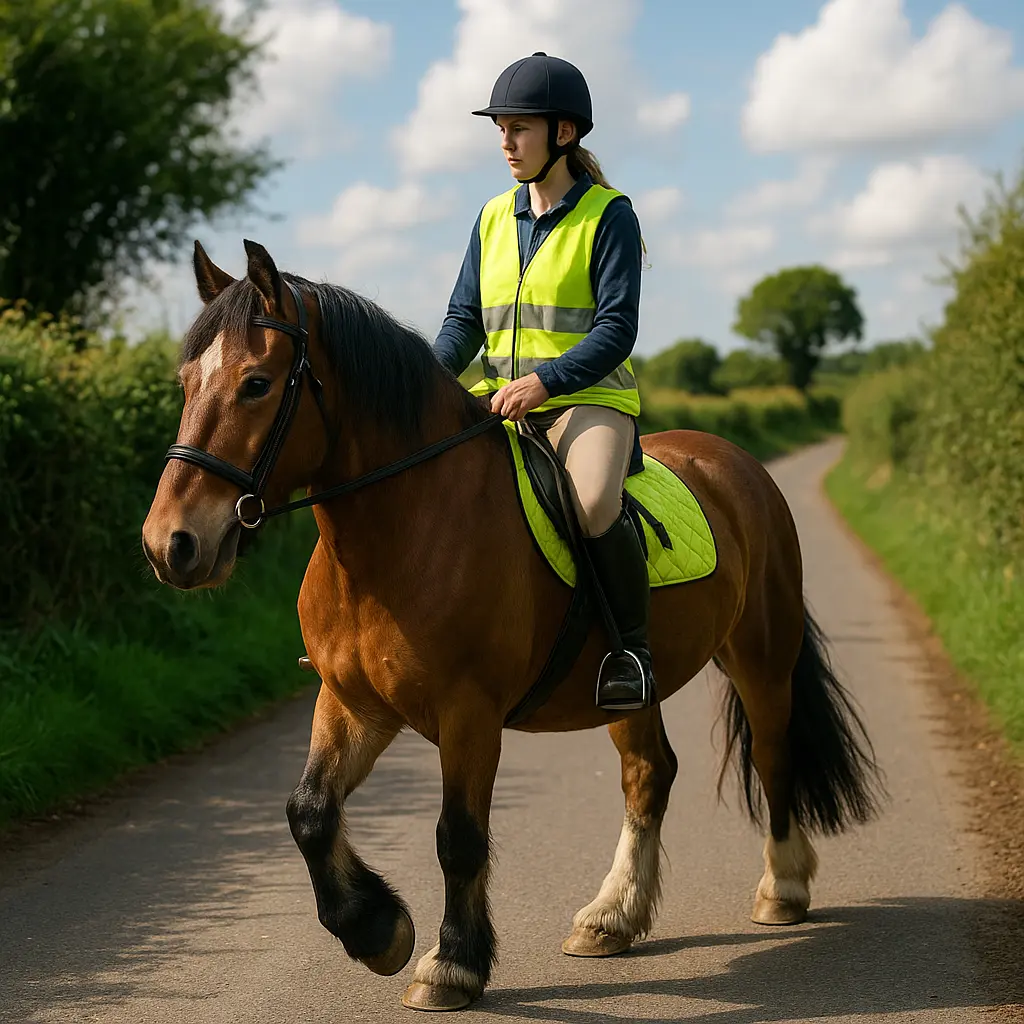
Safety first: wear a properly fitted riding helmet and visible layers. Bringing your own hi‑viz rider gear is sensible if you’re going on roads during a viewing.
Budgeting beyond the price tag: vetting, gear and first‑month costs
Allocate an extra 10–20% of the purchase price for vetting, initial gear, and first‑month care. A Stage 2–5 pre‑purchase vetting by an independent equine vet is recommended on any budget buy to identify issues such as lameness, wind problems, or heart murmurs.
Essentials to cost in:
- Vetting: choose the level to match your workload plans; many leisure owners opt for Stage 2–3, while a full Stage 5 adds ridden assessment and more diagnostics.
- Rugs: UK winters are wet and windy; most mature hackers will need at least a turnout and a stable rug suitable for your yard’s routine. Explore our reliable range of winter turnout rugs and practical stable rugs.
- Road safety kit: older, traffic‑safe horses still need you to be seen — invest in hi‑viz for riders and keep your helmet in date.
- Leg care and recovery: mature cobs and Irish types often benefit from supportive bandaging and boots for hacking or stabling. See our horse boots and stable bandages.
- Daily care: friendly, family horses usually love a fuss; a good grooming kit makes quick work of winter mud and promotes skin health.
- Supplements: consider joint or general health support to keep older horses comfortable in damp conditions. Browse proven options in horse supplements.
At Just Horse Riders, we recommend buying core kit early so you can focus on settling your new horse in — a warm rug, visible hacking gear, and a simple wellness supplement routine set you up for safe, stress‑free miles from day one.

Are ex‑racers and RoR‑eligible Thoroughbreds a safe bet?
Yes — in experienced homes, RoR‑eligible Thoroughbreds can make steady, willing hackers near the £5,000 mark, but assess retraining, management, and temperament carefully. Listings often highlight rideability, good manners, and a love of work.
One typical advert reads:
“Finn is now looking for his next partner… RoR Eligible. Easy to do in all ways. Loves his work and willing to please.”
Source: HorseQuest seller listing
Practical points:
- Look for older (10–15 years) ex‑racers with miles of retraining and evidence of hacking alone and in company.
- Ask about turnout routine and diet: many Thoroughbreds thrive on predictable turnout and fibre‑first feeding.
- Test in traffic, open spaces, and on a loose rein. A settled ex‑racer will come back to you even when the wind picks up.
If you’re newer to Thoroughbreds, view with a knowledgeable coach and keep expectations realistic; many make kind, forward, but safe hacks when well retrained and correctly managed.
Common pitfalls with budget buys — and how to avoid them
The biggest risks under £5,000 are hidden health issues and buying something sharper than you can enjoy; protect yourself with thorough vetting, a realistic test ride, and the discipline to walk away if red flags appear. Always buy for the horse you need today, not the mythical “unicorn.”
Red flags to recognise:
- No video of roadwork, or only arena footage despite “happy hacker” claims.
- “Sold from the field,” “no time wasters,” or refusal to allow independent vetting.
- Poor feet, under‑muscling, or inconsistent stories about workload and history.
- Adverts promising everything — “bombproof, hunts, events, first pony” — at a bargain price.
Pro tip: Try twice on different days if you’re serious, ideally once in wind or drizzle. A true UK hacker stays the same horse whatever the weather. And don’t forget immediate safety — a current riding helmet and bright hi‑viz are non‑negotiable on the roads.
FAQs
Are there really safe, mature horses (not youngsters) under £5,000 that hack well?
Yes. Current UK adverts include a 14‑year‑old 14.3hh mare at £3,950 and multiple cobs around £2,850 described as “bombproof” hackers that are safe in traffic and suitable for family use.
What breeds make reliable budget buys for hacking?
Cobs, small draught types, and Irish Sports Horses dominate under £5k. You’ll also find older Thoroughbreds (including RoR‑eligible) that hack sensibly for experienced riders.
How do I avoid being over‑horsed?
Shop older (10+), pick proven hackers, and insist on videos and a road test. If your day‑to‑day is quiet lanes and occasional fun rides, choose a steady cob over a sharp sports model.
What level of vetting should I choose on a budget horse?
At minimum, a 2‑stage vetting; for most leisure riders a 3–5 stage is ideal to check soundness under saddle and heart/respiratory health. Use an independent equine vet and share any x‑rays or findings with your coach or yard manager.
Can I find calm 15hh+ happy hackers?
Yes — multiple adverts list “safe sane sound” grey geldings over 15hh that hack alone and in company. Widen your search across major platforms and set alerts for “Happy Hackers 15hh+.”
Are ex‑racers a viable safe option under this budget?
Yes for capable riders. Look for older ex‑racers with proven retraining and roadwork; one 13‑year‑old 17.1hh Thoroughbred was priced at £5,500, showing how close many sit to the threshold.
What first‑month kit should I prioritise?
For winter hacking in the UK: a dependable turnout rug, a cosy stable rug, visible hi‑viz layers, a current helmet, supportive boots/bandages, a practical grooming kit, and sensible supplements for older joints.
With a sharp eye for adverts, a UK‑focused test ride, and sensible budgeting, you can still buy a safe, mature hacker for under £5,000 — and enjoy many happy, mud‑splashed miles together.