

To Neck Cover or Not: Debating the Necessity of Neck Covers for Trace-Clipped Horses in Mild Weather
The debate on whether neck covers are necessary for trace-clipped horses during mild weather is far from settled. This blog will delve into the factors involved in deciding if a neck cover is needed, taking into account the specific clip pattern, the horse’s characteristics, and prevailing climate conditions.
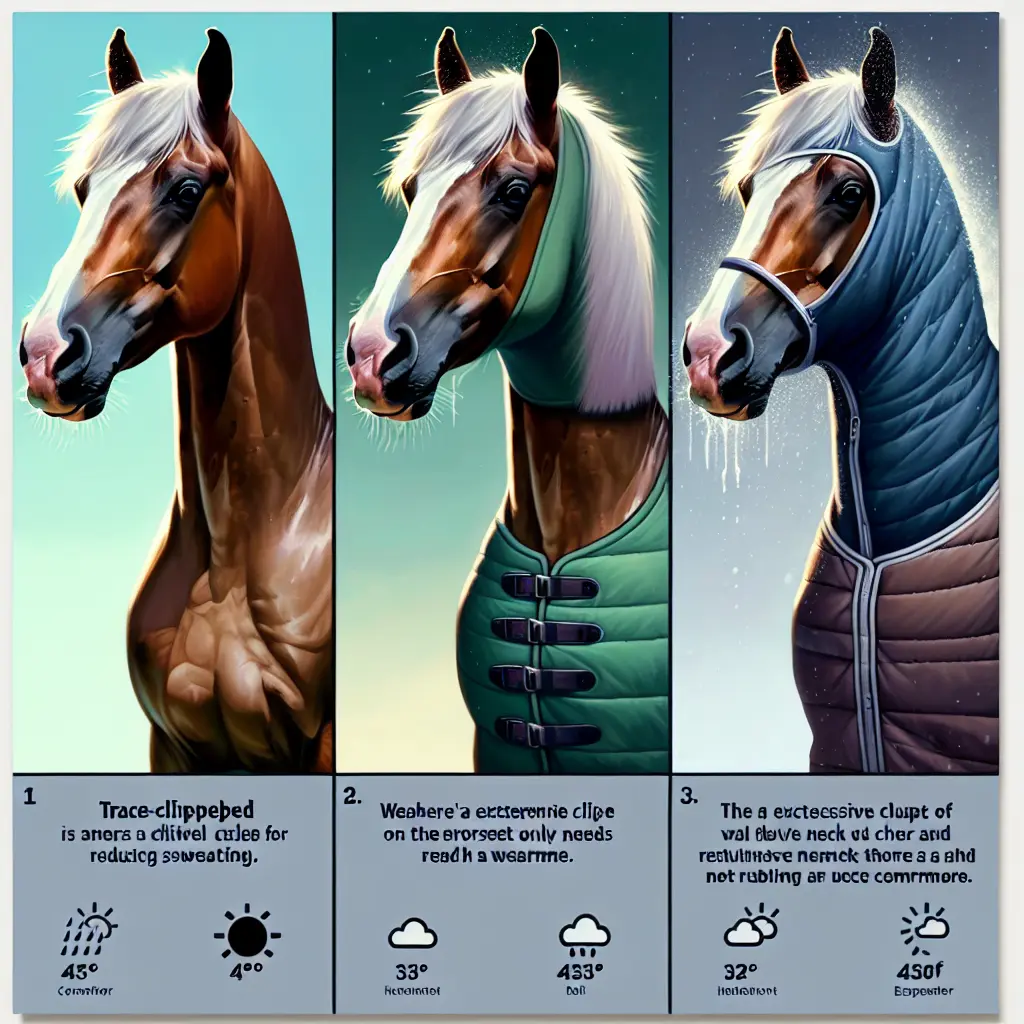
What Is Trace Clipping and Why Does It Matter?
Trace clipping is a method that involves removing hair from specific body areas, such as the neck, shoulders, and belly, to reduce sweating and facilitate cooling during exercise. Unlike full body clipping, trace clipping leaves some patches for warmth, yet removing parts of the horse's natural insulation requires additional protection like neck covers or blankets.
When Is a Neck Cover Necessary?
In conditions where temperatures hover mildly above freezing, evaluating if a neck cover is necessary involves several considerations:
Horse’s Physical Condition and Coat
A horse that maintains a good body condition and warmth may not require a neck cover. The muscle groups along the neck generate heat and typically stay warm sans covering, especially when protected from rain and wind by a turnout blanket.
Climate and Weather Conditions
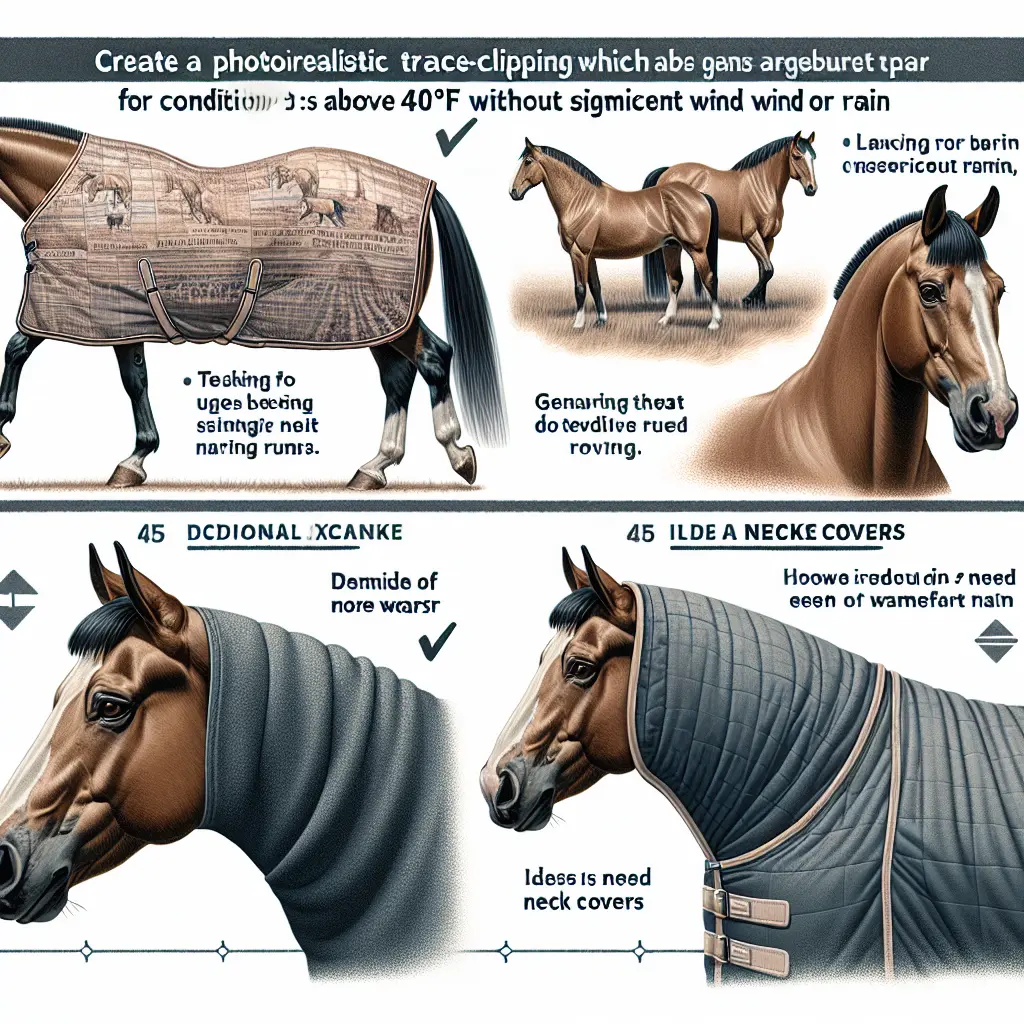
If temperatures are about 40°F (4°C), without significant wind or precipitation, many trace-clipped horses might be comfortable without a neck cover. However, colder, wetter, or windier conditions might necessitate extra protection for the neck to avoid dampness-induced issues.
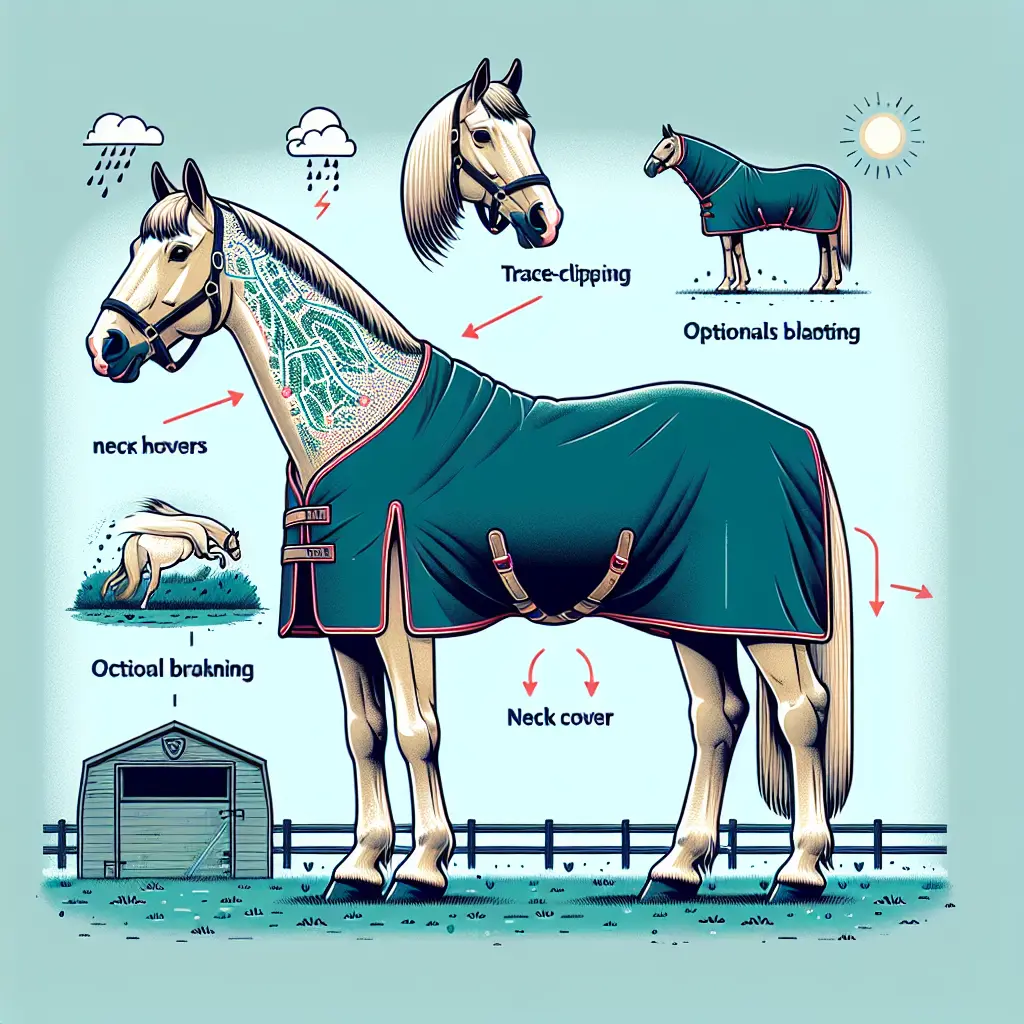
Type and Extent of Clip
The degree of hair removal plays a crucial role. If there’s extensive clipping in the neck, a neck cover can help maintain heat. Balancing removal with protection ensures your horse remains comfortable and healthy.
Horse’s Activity Level and Exposure
Horses exercised regularly produce body heat, allowing them to bear less covering than those that are idle. For horses with access to shelter, the need for neck covers is lessened.
Benefits of Neck Covers
- Provide additional warmth and protect muscles that might get cold after clipping.
- Helps in keeping the horse dry, reducing rain rot risks.
- Facilitates a lighter blanket for improved comfort and mobility.
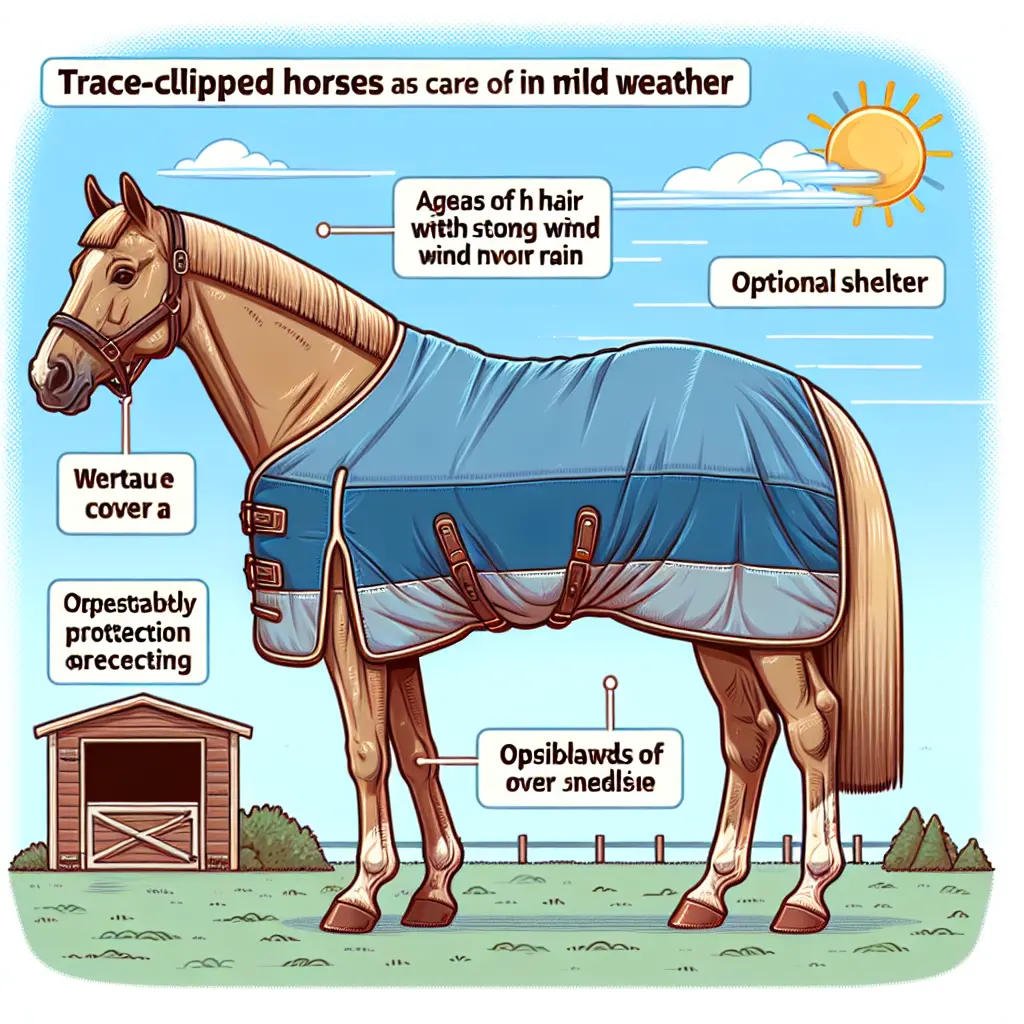
Drawbacks and Considerations
- Potential for rubbing or irritation, leading to mane loss.
- Certain horses may not adapt well, especially around electric fencing.
- In milder or wetter climates, neck covers might be excessive if already well-sheltered.
Practical Tips for Owners
To ensure your horse remains comfortable:
- Observe behavior: Fell the ears and neck for temperature cues.
- Use attachable covers or “Jammies” to maintain warmth without overheating.
- Monitor for rubbing and adjust as needed using anti-rub designs.
Additional Products and Resources
If considering a complete range of horse riding and equestrian products, browse our collections for Jodhpurs, horse riding boots, gloves, socks, and more. We also recommend checking out the turnout and stable rugs collections alongside our fly protection options for comprehensive care.
Summary
Summing up, the need for a neck cover varies based on the horse's unique needs, its coat condition, and the specific climate. Regular assessments and keen monitoring of your horse's condition will help in making the right choices to ensure warmth, health, and comfort.
Concluding Thoughts
Deciding whether to add a neck cover should always suit the individual needs of your horse, ensuring it is neither too cold nor too warm. By staying informed and observant, you can provide optimal care and protection.