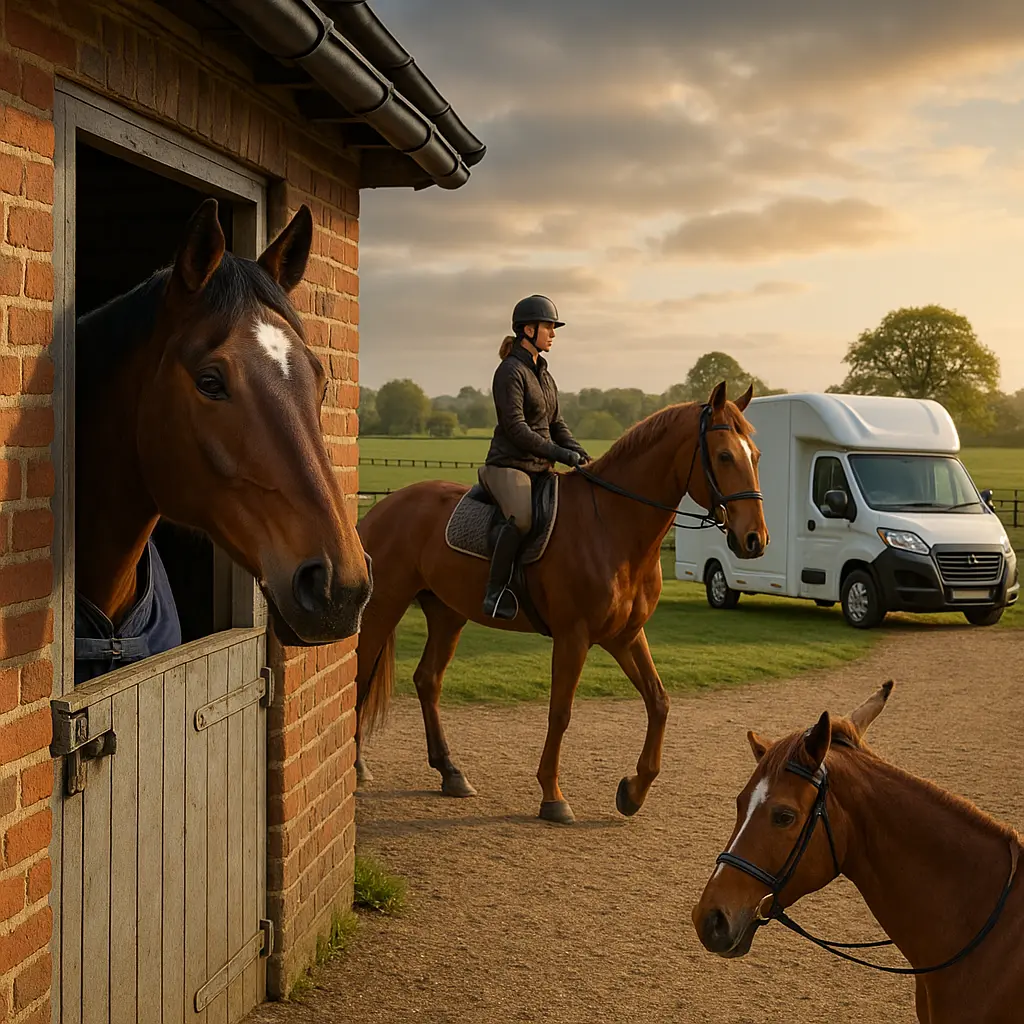
Finding the right horse in 2026 takes more planning than ever. Supply is tighter, livery is pricier, and many buyers are travelling further to secure the right match while keeping monthly costs under control.
Key takeaway: Budget realistically for livery (£200 DIY; £600–£900 full), plan travel in the £10,000–£50,000 horsebox band, and target British-bred programmes to source quality horses amid a 2.3% dip in training numbers.
Yes—rising livery costs and tighter supply mean UK buyers are travelling further and budgeting more in 2026.
The UK is home to over 1 million horses and ponies, with 75% kept for leisure, contributing to a £4.7 billion sector that supports 120,000 jobs (Gitnux). Yet the pool of available horses has tightened. Horses in training fell to 21,728 in 2025, a 2.3% drop year-on-year, prompting £4.4 million in funding—£3.2 million of it for developmental races—to support supply (British Horseracing Authority 2025). For buyers, that often means expanding searches across regions, budgeting for travel, and prioritising well-bred British stock.
At the same time, ownership costs have risen. More than two-thirds of livery yards raised prices in the past 12 months and 80% expect further increases (Your Horse 2026 Livery Survey). This cost-of-living pressure intersects with welfare: UK charities report more cases stemming from private homes as owners struggle to meet needs.
Plan £200/month for DIY livery and £600–£900/month for full livery, with county extremes up to £20,000 a year apart.
Median DIY livery sits around £200 per month, while full livery typically ranges from £600 to £900 per month in 2026. However, Your Horse’s latest nationwide analysis shows massive regional disparity—some county-to-county comparisons add up to a £20,000 annual difference for full livery (Your Horse). That gap can dwarf the purchase price difference between two horses.
Rising operational costs are driving these hikes. As Cheryl Johns, founder of Livery List and Yard Owner Hub, notes:
“Many yard owners simply can’t absorb the increases anymore. A lot aren’t businesspeople – they’re in it for the love of horses.”
And from a welfare perspective, the Blue Cross highlights the consequences. Sally Foskett, Horse Operations Manager, says:
“Financial pressures – from hay prices to vet bills – are creating significant barriers for owners trying to meet basic welfare needs.”
When planning a purchase that might involve moving yards or counties, calculate 12–24 months of livery at your likely standard of care. Also assess what “increases expected” could look like at your short-listed yards—especially if turnout could be restricted in winter or during wet spells. Horses with reduced turnout often need more management time, more forage, and careful rugging. For weather swings, browse our curated range of winter-ready turnout rugs (including durable options from Weatherbeeta) to keep your horse comfortable if yard conditions are challenging.
Quick tip: Use livery comparison tools or yard-finder apps to map actual monthly costs before you travel for a viewing. A cheaper horse in a higher-cost county can be more expensive after just a few months.
Expect to pay a median £31,995 for horseboxes, with strongest buyer engagement between £10,000 and £20,000 and solid demand across £10,000–£50,000.
If you plan to travel widely for viewings, budget your transport. The UK horsebox market’s 2025 median asking price is £31,995, with peak engagement in the £10,000–£20,000 band and most demand across £10,000–£50,000. Premium listings over £75,000 see reduced interest and longer sale times (Moving Manes). This matters if you’re upgrading transport to support a regional or national search—and want to preserve resale value and avoid long selling cycles later.
Plan for travel supplies and test rides too. Always take a properly fitted riding helmet for assessments and bring protective travel boots or bandages if you’re moving a horse between yards during the trial. These details reduce risk on long journeys and keep horses more comfortable if weather or traffic add time to the trip.
Pro tip: If you don’t own a box, price up hire plus fuel per mile, or team up with a trusted transport service. A realistic per-trip budget helps you prioritise the right viewings and avoid “cheap horse, expensive travel” traps.
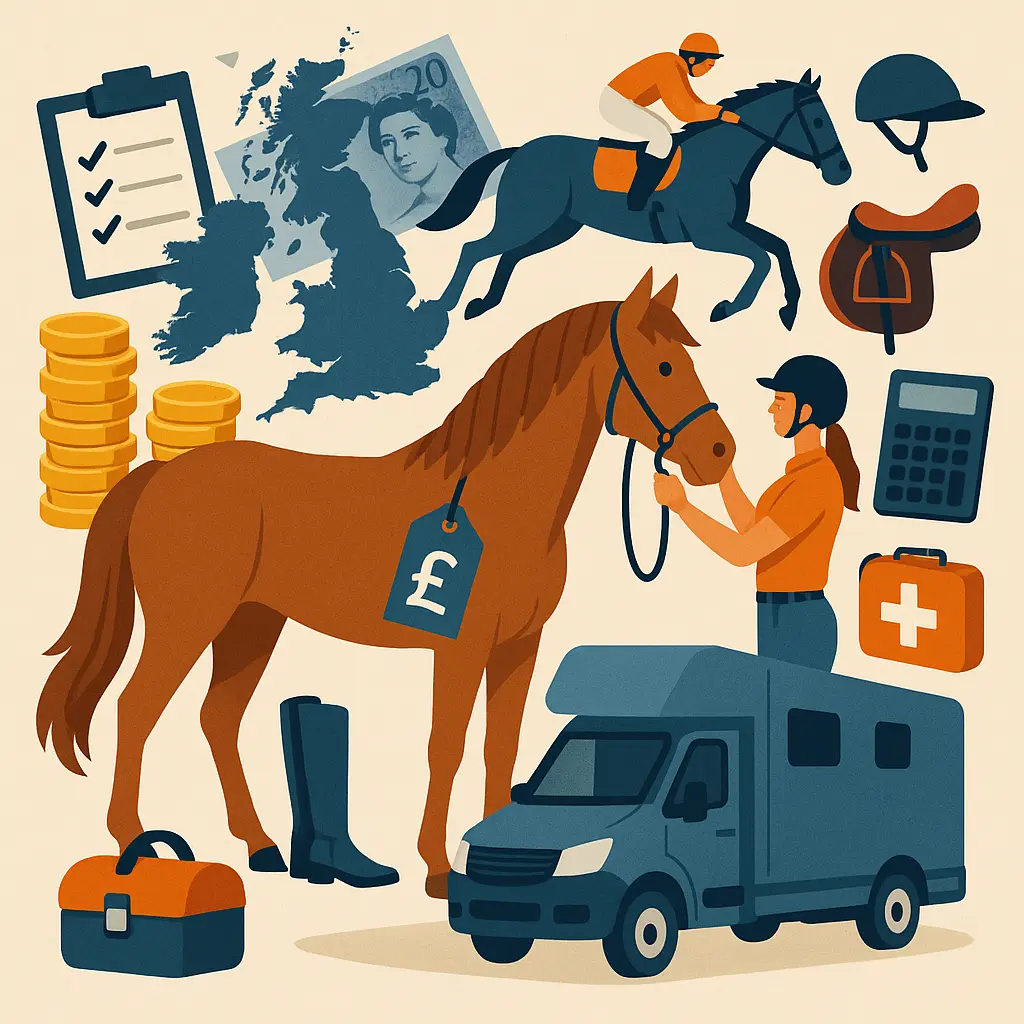
Focus on British-bred stock from developmental races and schemes like the Elite Mares’ Scheme, which has doubled elite Jump broodmares to 300.
With horses in training down 2.3% in 2025 (BHA 2025), targeted funding aims to support supply and quality. The Elite Mares’ Scheme has helped increase elite Jump broodmares from about 150 a decade ago to 300 today, improving access to top stallions and raising the overall level of British-bred horses (Thoroughbred Breeders’ Association).
“We are particularly encouraged to see a clear focus and targeted investment in supporting the supply and retention of horses within Britain. This is especially important given the downward trend in domestic and global foal crop numbers – the impact of which cannot be underestimated.” — Claire Sheppard, Chief Executive, TBA
Practical ways to access quality:
- Ask agents and producers about horses connected to developmental programmes.
- Use discovery calls to unlock off-market sport horses; many sellers now prefer vetted conversations before public listings.
- Request clear records (breeding, training, soundness), professional videos, and recent competition results before you book a long trip.
At Just Horse Riders, we recommend shortlisting three to five sellers per region, then scheduling viewings in efficient clusters so you can compare horses side-by-side without inflating costs.
Compare horse price plus 12–24 months of livery and travel—regional gaps can swing ownership costs more than purchase price.
Don’t judge a horse “on sticker price alone”. Median full livery (£600–£900) vs DIY (£200) can vary widely across counties; in extreme cases the annual gap can reach £20,000 (Your Horse). Over two years, that’s potentially £40,000 more than an equivalent yard elsewhere.
How to plan smartly:
- Set your monthly ceiling: include livery, forage, shoeing, insurance, fuel, and a modest vet contingency.
- Map regions by cost band: shortlist 2–3 counties where your ceiling holds with room for 10–15% increases (80% of yards expect rises).
- Cluster travel: line up multiple viewings per trip to reduce per-horse travel cost.
- Factor welfare logistics: confirm turnout policies and winter facilities—reduced turnout can increase management needs and costs.
- Lock in a trial plan: agree vetting, trial ride, and transport in writing before you travel.
Pro tip: If you’ll be hacking on lanes at a new yard, add visibility kit to your first-week checklist. Our team sees riders consistently reaching for hi-vis, especially in low winter sun and at dusk.
Bring a fitted helmet, suitable boots, weather-ready layers, travel protection for the horse, and a basic care kit for after the journey.
Turn up prepared—sellers appreciate professionalism and you’ll make safer, clearer assessments:
- Rider safety: a current-standard riding helmet and supportive horse riding boots for stable footing and secure contact.
- Comfort and mobility: well-fitting women’s jodhpurs and breeches to move freely and ride multiple horses if needed.
- Horse travel protection: breathable cooler or lightweight turnout for weather, plus travel boots/bandages to protect limbs.
- Immediate care: a compact grooming kit to check for rubs or pressure points post-travel, a thermometer, and spare headcollar/lead rope.
With UK weather changing hour to hour, layer up and keep spares in the vehicle. The UK import market for riding equipment grew 9.52% from 2023 to 2024 (CAGR 7.35% since 2020), so there’s strong availability of modern, comfortable kit at multiple price points (6Wresearch).
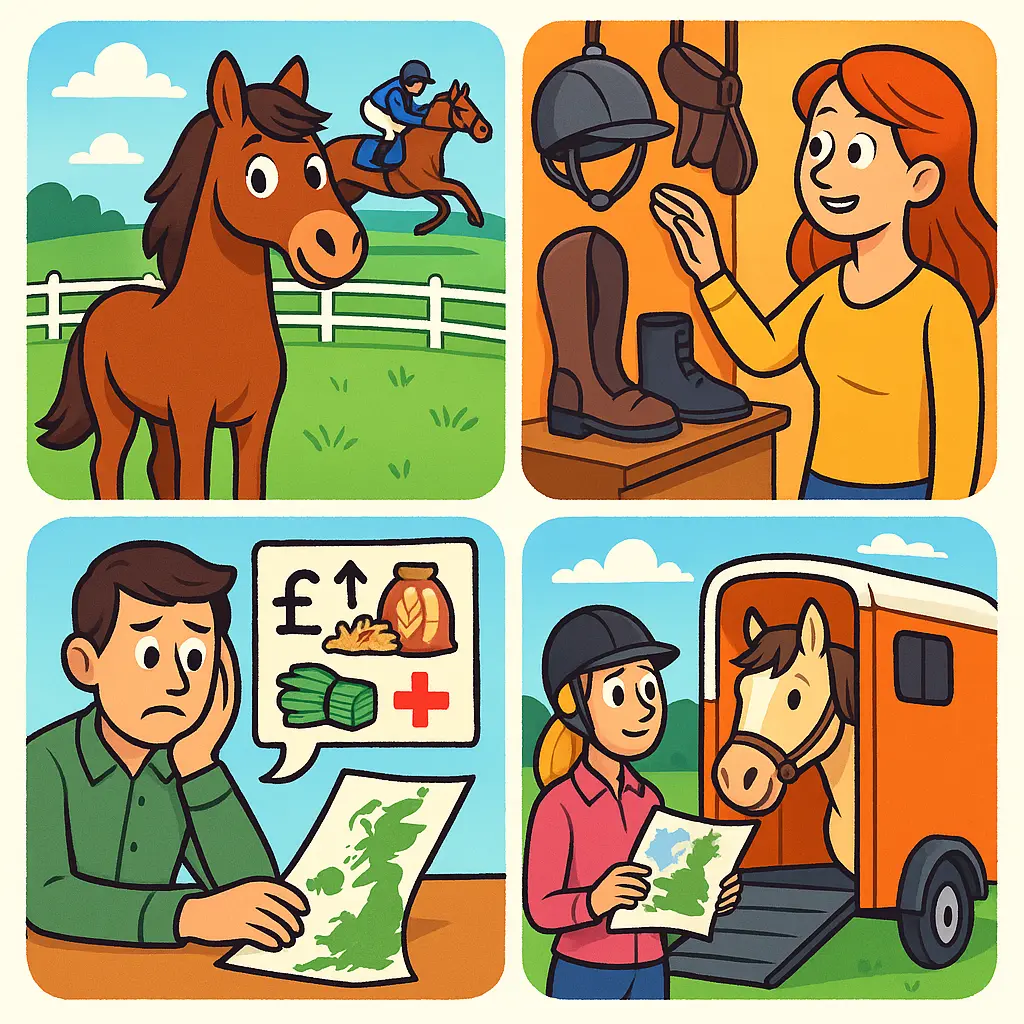
Financial pressure is increasing welfare risks, so insist on transparent histories, safe trials, and clear aftercare plans.
The squeeze from hay, feed, fuel and vet bills can lead to compromised management. Sally Foskett of the Blue Cross has warned that basic needs are harder for some owners to meet (Your Horse). Buyers must respond by tightening due diligence:
- Insist on full history: vet notes, farrier schedule, dental records, saddle fit, and turnout routine.
- Observe management: if turnout is restricted or the horse is stabled for long periods, ask how behaviour and diet are managed.
- Watch for red flags: sedation, inconsistent stories, or reluctance to allow a sensible trial ride.
- Always arrange a pre-purchase exam: agree scope (including imaging if indicated) and see the passport and microchip check done properly.
Transparent sellers won’t hesitate to provide paperwork, video evidence of the horse in varied contexts, and a safe environment to ride. If you proceed with a purchase and a yard move, support the transition with steady routines, appropriate forage, and the right kit—consider calm handling, a consistent grooming schedule, and targeted nutrition or supplements where advised by your vet or nutritionist.
As yards feel the pinch, Cheryl Johns highlights the strain on providers too:
“Many yard owners simply can’t absorb the increases anymore. A lot aren’t businesspeople – they’re in it for the love of horses.”
Compassion and clarity go a long way: confirm services, notice periods, and winter plans in writing before the horse arrives.
Follow this 7‑step plan: set your budget, map regions, pre‑screen sellers, cluster viewings, protect welfare, and kit up for safe trials.
Here’s a practical sequence you can follow this month:
- Define the budget: include purchase, livery (12–24 months), travel, insurance, and a vet contingency.
- Pick regions: shortlist 2–3 counties where livery fits your ceiling even if prices rise 10–15%.
- Source quality: prioritise British-bred stock from funded pathways; ask about developmental programmes and the Elite Mares’ Scheme (TBA).
- Pre‑screen remotely: collect videos, records, and references; book discovery calls before long trips.
- Cluster your viewings: plan routes and transport; aim for multiple horses per journey.
- Travel prepared: take helmet, boots, jodhpurs, travel protection and a grooming kit; choose weather‑ready layers.
- Control costs on kit: check our rotating deals in The Secret Tack Room clearance for smart savings on essentials.
At Just Horse Riders, we’re here to help you ride out confidently—whether that’s choosing the right turnout rug for a wet week, selecting a comfortable helmet for back‑to‑back trials, or packing the grooming basics for a long return journey.
FAQs
How much does it cost to keep a horse on livery in the UK?
Median DIY is about £200 per month; full livery typically ranges £600–£900 per month, with some counties showing up to £20,000 per year differences at the extremes (Your Horse).
What’s the typical price for a used horsebox for UK horse hunting?
The median asking price is £31,995. Buyer engagement is highest between £10,000 and £20,000, with solid demand across £10,000–£50,000. Listings over £75,000 usually take longer to sell (Moving Manes).
Why are fewer horses available in the UK?
Horses in training fell to 21,728 in 2025 (down 2.3% from 2024). A £4.4 million funding package, including £3.2 million for developmental races, aims to support supply (BHA 2025).
Are there schemes to improve British horse quality?
Yes. The Elite Mares’ Scheme has helped increase elite Jump broodmares from roughly 150 to 300 over the past decade, supporting access to high-quality stallions and better stock (TBA).
How do rising costs affect welfare during ownership searches?
Pressures from hay, feed, and vet bills increase welfare risks, so insist on transparent histories, safe trials, and clear aftercare plans. UK charities report more cases linked to private homes (Your Horse).
What gear should I bring to a viewing?
A fitted helmet, appropriate riding boots, weather-appropriate layers, travel boots/bandages for the horse if moving between yards, and a compact grooming kit. The UK riding equipment market has grown steadily, so quality kit is widely available (6Wresearch).
How big is the UK equestrian sector?
Over 1 million horses and ponies (75% leisure), with the sector generating about £4.7 billion annually and supporting 120,000 jobs (Gitnux).