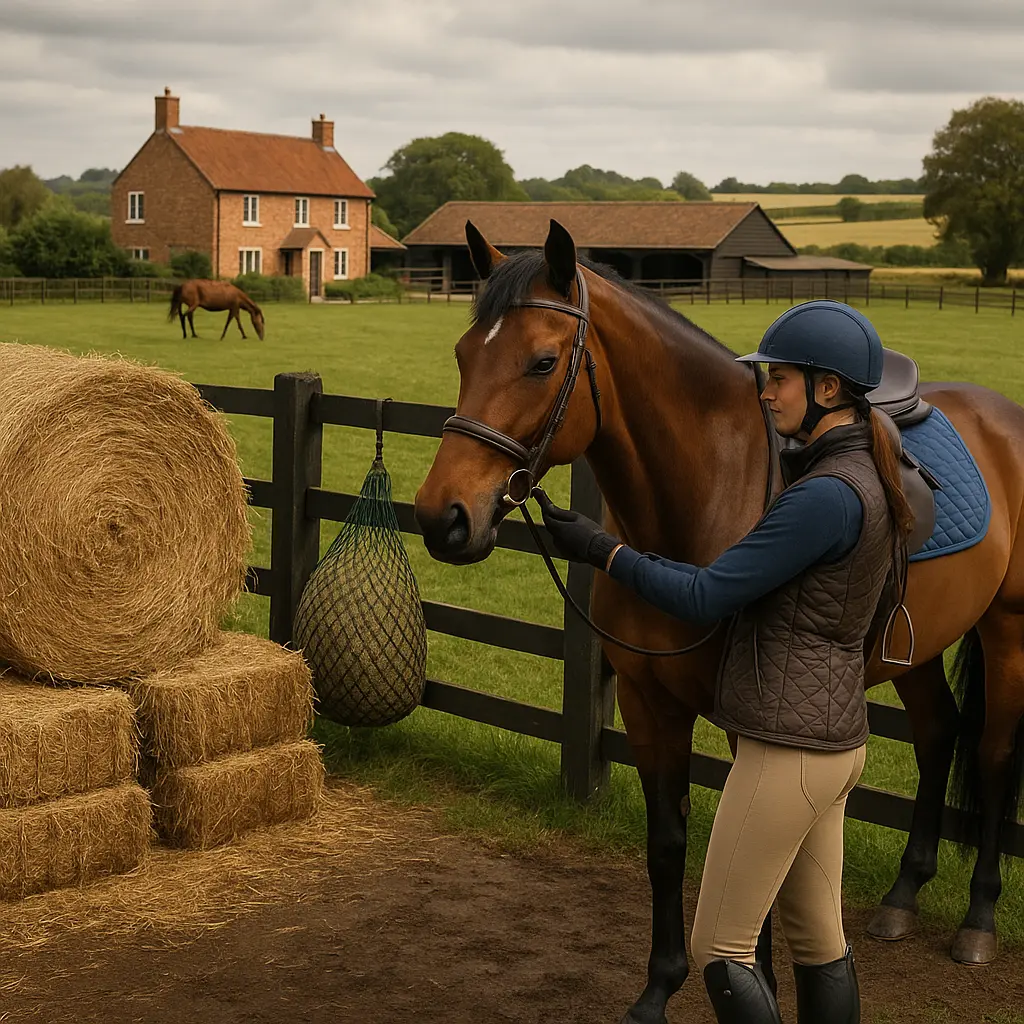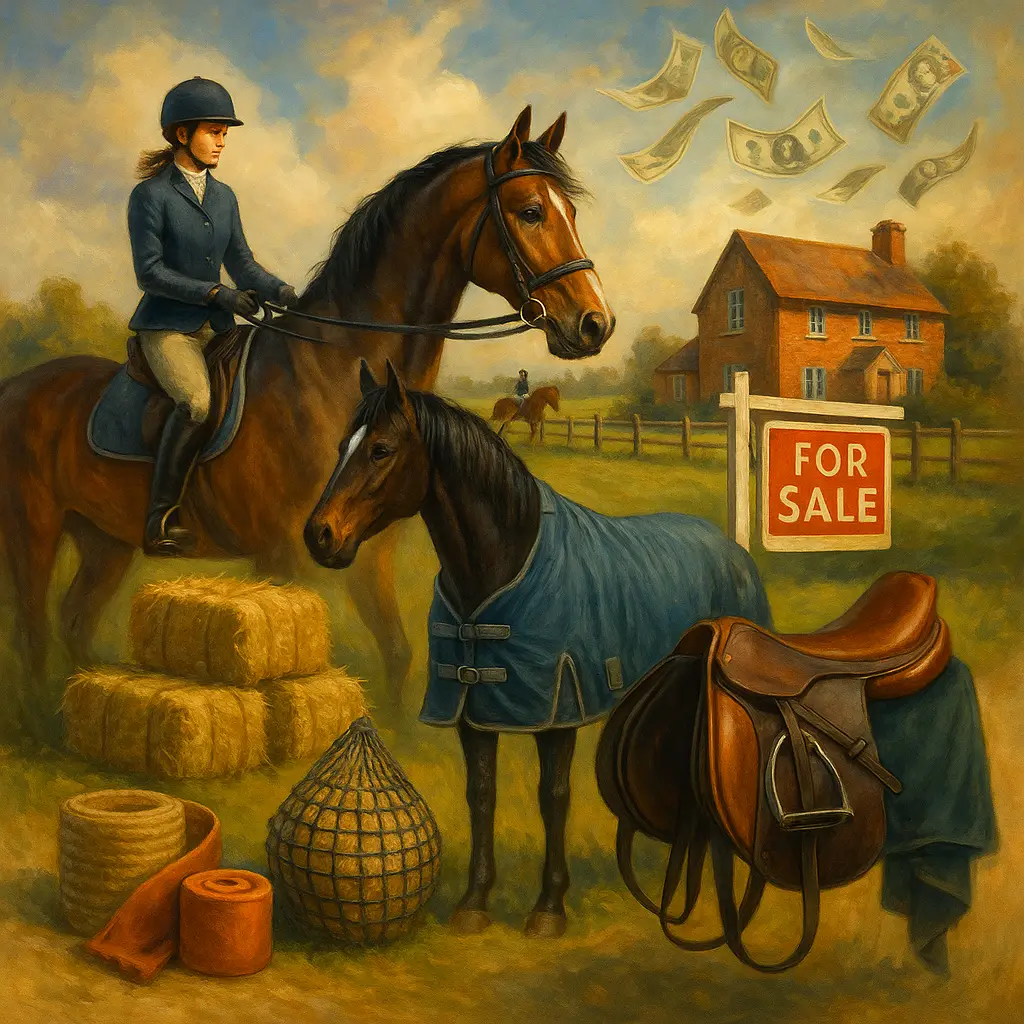
Participation is up, costs are up, and the market is cooling. If you own, buy, sell or breed horses in the UK, 2025–26 demands sharper pricing, smarter timing, and rock-solid welfare standards to stand out.
Key takeaway: Demand for riding is rising to 3.2 million participants, but higher livery (£250–£1,000+/month) and forage costs are slowing sales and squeezing margins — price realistically, prioritise private sales, and upgrade the essentials that cut running costs.
What’s changed in the UK horse market for 2025–26?
Riding participation has risen to 3.2 million while costs have surged, so horses are taking longer to sell, public auction spend is down ~30%, and UK foal numbers fell 4% year-on-year. In short: demand to ride is healthy, but affordability is biting across ownership, sales and breeding.
The step-change is clear. More people are riding — 3.2 million in the last 12 months — driving interest in equestrian properties as livery costs climb (The Buying Solution). Yet DIY livery has jumped from about £150/month to £250–£300/month, and full livery in the South East now often tops £1,000/month, with hay at roughly £7/bale or £350/tonne (Whickr UK Horse Market Report 2025). Buyers are more cautious, horses are sitting on the market longer, and price reductions are commonplace.
Public auction spend has dropped sharply: aggregate sales down 32% at Tattersalls Cheltenham, 34% at Goffs Aintree, and 29% at Punchestown (2023–24 vs 2022–23), with activity shifting to private deals instead (Racing Post). Meanwhile the GB foal crop fell another 4% in 2025, continuing a long-term decline that industry analysts warn could reduce race numbers and prestige for British-breds (ICAEW equine industry profile).
“As the cost of livery has risen sharply so, too, has the demand for equestrian properties and I expect to see that continue throughout 2026.” — Katherine Watters, Equestrian Specialist & Partner, Southern Home Counties, The Buying Solution
Despite the squeeze, the sector still contributes about £5bn a year to the UK economy and supports over 250,000 jobs — pressure points are real, but the market remains substantial (Channel Consultancy). Gear demand is also resilient, with UK horse riding equipment imports up 9.52% year-on-year (CAGR 7.35% since 2020), driven by riders seeking better, longer-lasting kit (6W Research).
Pricing and sales: should you adjust strategy now?
Yes — price to today’s market and prioritise private sales; reduce by 10–20% if you’ve had no movement after 4–6 weeks and emphasise welfare standards to win cautious buyers.
In a cooled market with fewer enquiries and longer listing times, realistic pricing is essential. Compare like-for-like on established platforms and act decisively if you’re getting only tyre-kickers after a month. Auctions are attracting less spend, and prominent owners are leaning into private purchases (Racing Post). That aligns with sellers seeking controlled viewings, transparent histories, and lower fees.
Boost presentation with professional-level prep: a tidy clip, immaculate feet, and a polished outline. At Just Horse Riders, we recommend setting aside a weekend to fully refresh tack and turnout. A well-groomed coat and clean limbs not only look the part but shout “well managed.” Our customers often start with a deep clean kit and fresh bandages — browse grooming essentials and supportive horse boots & bandages to finish the picture. For saddle pads and show-smart accessories, consider quality brands and fabrics that photograph well.
Quick tip: List clear monthly running costs and feeding routines in your advert. Buyers facing £250–£1,000+ livery and £7/bale hay appreciate transparency before viewing.
Livery and forage: how costs are reshaping ownership
Livery now ranges from about £250–£300/month (DIY) to £1,000+/month (full) in the South East, while hay has risen to roughly £7/bale; these costs are driving DIY solutions, different turnout strategies, and interest in equestrian properties.
Those higher costs reflect forage shortages and tighter margins at yards. Owners are tightening management to stretch feed and safeguard horse comfort in soggy winters and variable springs. Rugging correctly and feeding efficiently are your two biggest levers:
- Rug for the weather and the individual horse. For wet, windy spells and muddy gateways, durable, breathable turnout is non-negotiable — explore our winter-ready turnout rugs and reliable stable rugs for a cost-saving rotation as conditions change.
- Feed for fibre first and support the gut. With hay pricey, make every strand count with slow-feed routines and balanced vitamin/mineral support — see our targeted supplements range, including options from NAF.
- Manage mud and wet. Regular checks for rubs, rain scald and thrush prevent small issues becoming vet bills. Consistency beats heroics.
On property demand, the logic is simple: livery inflation encourages owners to trade monthly fees for capital investment in stables and grazing (The Buying Solution). If you’re considering a move, cost out drainage, access, hay storage and winter turnout plans — this winter’s high water tables flooded many paddocks, clogging the youngstock market and complicating daily management.
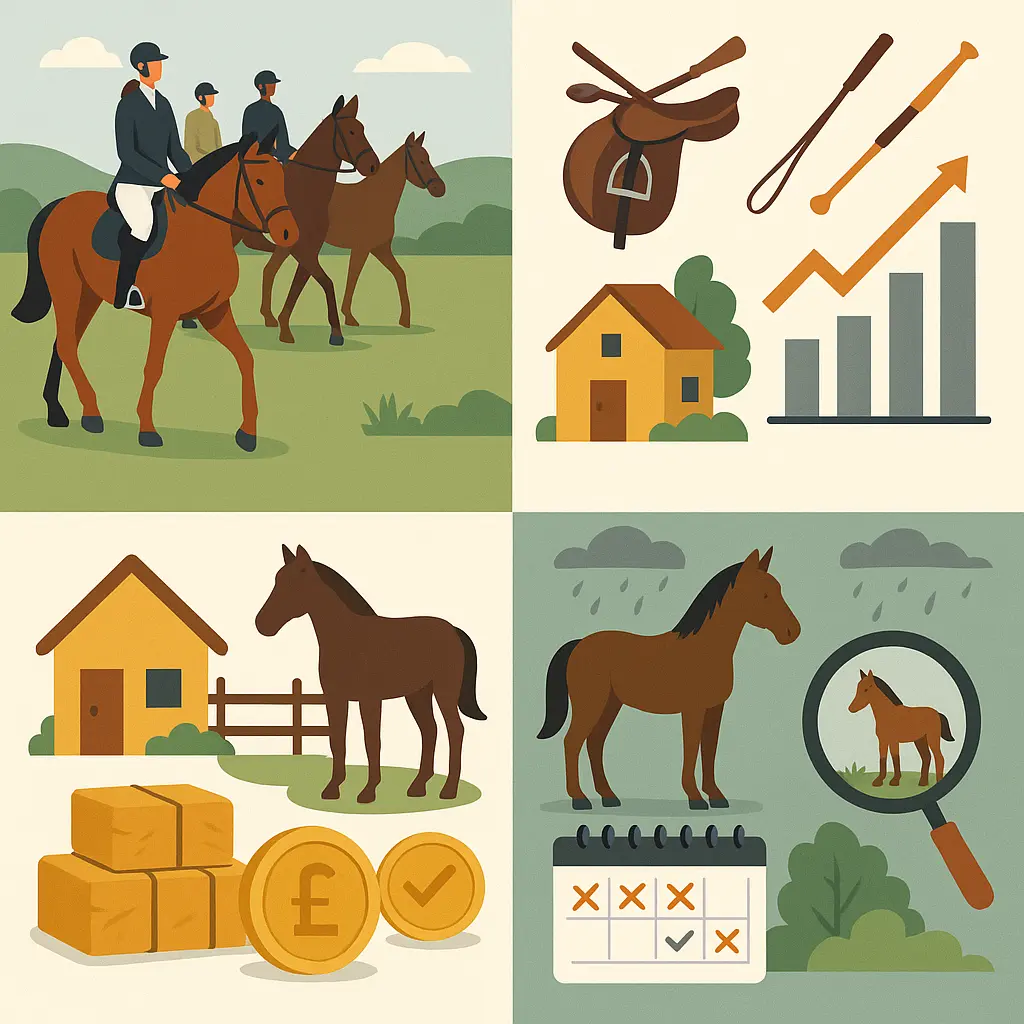
Breeding viability: should you scale back?
Yes, unless your mid-tier youngstock reliably sell at prices that clear higher stud, feed and labour; UK foal numbers are falling and public auction aggregates are ~30% down, so many breeders are prudently reducing numbers.
Breeding through a downturn is a test of cash flow and discipline. As one UK breeder put it in 2025: stud fees, feed and labour are all higher, but mid-tier sale prices rarely bridge the gap (Whickr). Public auction spend is weaker, and top buyers are increasingly transacting privately (Racing Post).
“We’ve made a conscious decision to scale down... Stud fees, feed, and labour are all higher than before, but the sale prices of mid-tier youngstock rarely make up the difference.” — UK Breeder (2025), Whickr
The British Equestrian Federation has warned that a shrinking breeding base erodes the UK’s prestige across disciplines; the Great British Bonus continues to support British-bred fillies. Still, viability comes down to your own spreadsheet. If margins don’t stack up, pause or reduce coverings, focus on quality over quantity, and lean into private networks for sales. If you sell into the EU, remember post-Brexit logistics (see below) — some breeders now base mares in Ireland or France to streamline access.
Pro tip: If you keep breeding, document welfare and handling from day one. Buyers are risk-averse right now; detailed histories and calm, well-handled youngsters de-risk the purchase.
Timing the market: when to list or buy?
List and shop in spring and summer when ground, daylight and buyer enthusiasm peak; avoid flooded mid-winter months when land is waterlogged and the youngstock market is glutted.
The winter just gone left high water tables and muddy paddocks, slowing sales and over-supplying youngsters. As the weather improves, so does motivation, trialling conditions and competition calendars — all good for conversions. Use this window to refresh photos and videos, update schooling clips, and book show outings. For seller and rider polish alike, consider confidence-boosting kit: smart, breathable competition clothing for the ring, correctly fitted riding helmets for safe viewings, and hi-vis for hacking trials.
For buyers, spring often brings more choice and better weather for vettings and turnout checks. But keep an eye out for realistic, fairly priced horses year-round — quality, well-presented adverts still stand out in any month.
GB–EU sales: what paperwork is required?
You need an Official Vet-signed Export Health Certificate and the required disease testing to sell GB-to-EU; allow extra time and cost, or consider staging from Ireland/France for simpler EU access.
Post-Brexit, you can’t wing it. Plan your timeline from deposit to departure, co-ordinate with your vet early, and keep buyers informed to avoid last-minute hiccups and lorry re-bookings. Core steps include:
- Book your vet for the Export Health Certificate (EHC) and any mandated tests.
- Confirm the EU entry requirements for your horse’s status (e.g., registered/unregistered, competition vs breeding).
- Co-ordinate transporters with your EHC schedule and border appointment.
- Prepare a full medical and management history to reassure EU buyers through the wait.
These frictions are one reason some UK breeders run mares from Ireland or France for EU buyers. If you stay GB-based, just build the admin into your sales plan — organised sellers still complete smooth, timely exports.
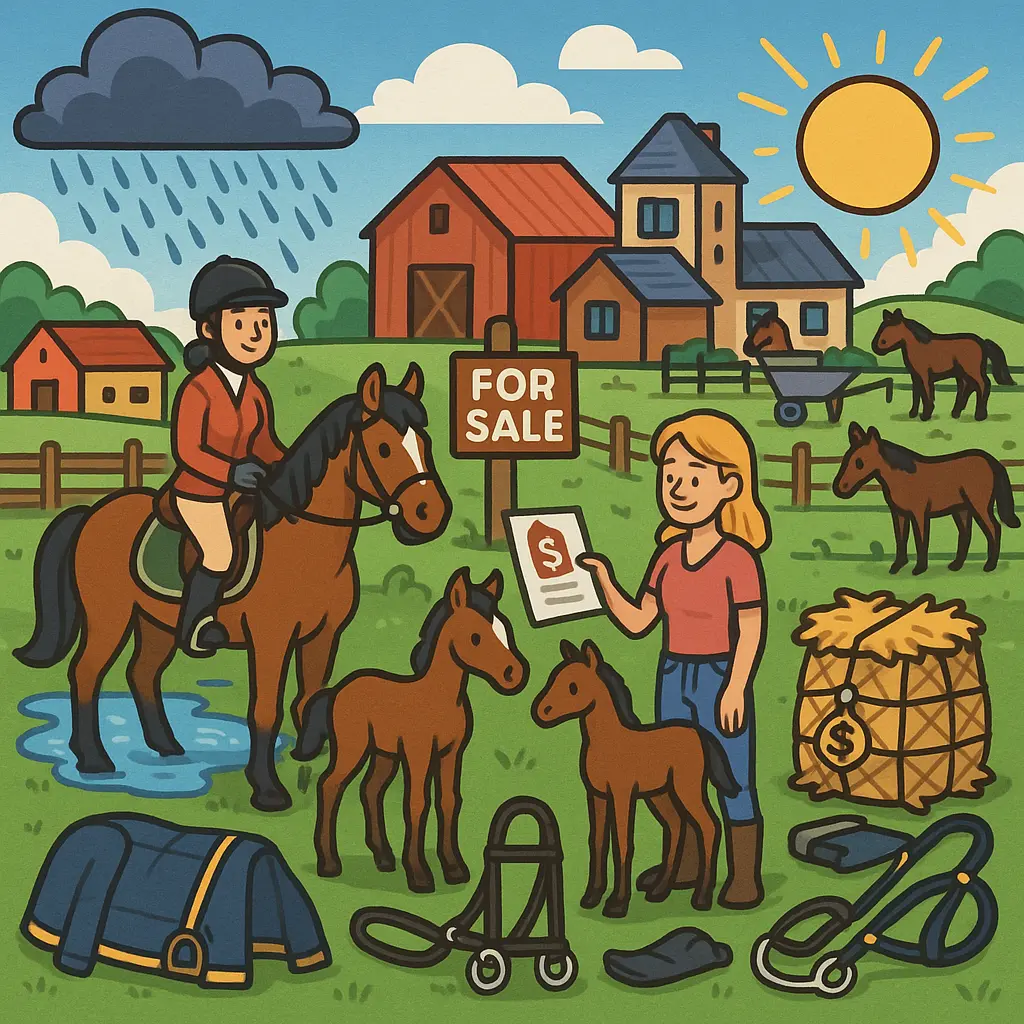
Welfare standards: how to stand out to cautious buyers
Spell out your welfare credentials — BHS-aligned care, turnout schedules, dentist/farriery routines and fit-for-purpose kit — because buyers facing higher running costs want proof a horse has been managed correctly.
In today’s market, a transparent welfare story sells. Detail dentist dates, worm counts, saddle fitting, turnout, forage type and workload. Include short clips of handling: loading, feet, mounting, and traffic. Reference recognised UK standards (e.g., BHS good practice) to frame your routine. Support your case with thoughtful equipment: protective boots and bandages for schooling, consistent grooming for skin and coat health, and balanced supplements where appropriate.
For safe test rides on yards or lanes, well-treaded horse riding boots and sensible hi-vis help everyone relax and focus on the horse. Buyers are not just purchasing potential — they’re buying into your management.
Smart kit upgrades that deliver value
Invest in durable, season-proof essentials that lower running costs and improve presentation; they pay for themselves in comfort, condition and saleability.
At Just Horse Riders, we favour kit that works hard across UK seasons and showcases horses at their best:
- Weather-ready rugs: Rotate waterproof, breathable turnout rugs with cosy stable rugs to keep coats consistent and vet bills down.
- Summer protection: Stop midges and sun-bleaching with light, airy fly rugs so your horse stays comfortable and photo-ready.
- Rider polish: Well-fitted women’s jodhpurs & breeches and a smart jacket lift your presentation on viewings and at shows.
- Safety first: Modern, certified riding helmets reassure buyers during trials and vettings.
- Condition cues: Thoughtful grooming tools and targeted supplements support topline and coat bloom that photos can’t miss.
- Value hunting: Stretch your budget in our Secret Tack Room clearance — ideal for kitting out youngsters or a sales yard sensibly.
Prefer trusted labels? Our rug wall features proven designs and fabrics from rider-favourite brands, making it easier to buy once and buy well.
Conclusion
Riding is booming, but the cost base has shifted. If you want results in 2025–26, price realistically, list in fair weather, lean into private sales, and make your welfare story impossible to ignore. Equip smartly to reduce running costs and raise presentation — from fit-for-purpose rugs and fly sheets to rider kit that inspires confidence. If you need help choosing, our team is here to match you with the right gear for your horse, yard and budget.
FAQs
Why are horses taking longer to sell?
Because affordability is tight: DIY livery is now about £250–£300/month and full livery in the South East tops £1,000/month, with hay around £7/bale. Buyers are cautious, enquiries are thinner, and price cuts are more common (Whickr UK Horse Market Report 2025).
Is the youngstock market oversupplied?
Yes. High water tables and flooded land this winter constrained turnout and flooded the market with youngsters, slowing sales alongside tighter budgets (discussion reflected on the Horse & Hound forum).
Are auction prices still high?
No. Aggregate spend fell ~29–34% at major sales like Tattersalls Cheltenham and Goffs Aintree in 2023–24 vs 2022–23, with more activity shifting to private deals (Racing Post).
What’s happening to UK breeding?
The GB foal crop for 2025 is down 4% on 2024, extending a long-term decline that risks fewer races and reduced prestige for British-breds, according to ICAEW. Many breeders are scaling down as rising costs outpace mid-tier sale prices.
Should I lower my horse’s price now?
Yes — if a sensibly presented horse hasn’t sold within 4–6 weeks, reduce by 10–20% to align with the cooled market and buyer affordability. Quality, well-priced horses still move.
Is participation dropping and hurting demand?
No — participation has risen to about 3.2 million riders in the last 12 months. The demand to ride is strong; it’s running costs that are moderating ownership and sale speeds (The Buying Solution).
What GB–EU paperwork do I need to sell a horse?
An Official Vet-signed Export Health Certificate with required testing and correct transport/border bookings. Build time and cost into your plan, or consider staging from Ireland/France to simplify EU access post-Brexit.