From bridleway access to road safety and welfare, the data shows a UK horse world that’s big, busy and under pressure — but also resilient and well supported. Here’s what matters now for you, your yard and your riding.
Key takeaway: UK equestrianism is growing and publicly accepted, but access and safety need action — record your local bridleways before 1 January 2031 and ride road‑smart with hi‑viz and a certified hat.
The UK horse landscape in 2024
The UK is home to 847,000 horses and 1.8 million regular riders, contributing £4.7 billion to the economy. The average horse age is 13, and equestrian activity delivers £1.2 billion in annual social value.
These headline figures from British Equestrian Trade Association and British Equestrian reflect a sector that’s substantial, socially valuable and still growing. British Equestrian reports federation memberships across its 19 member bodies rose by 11.7% from 2023 to 2024, despite cost-of-living challenges for yards and riding centres, especially in the South East and South West. You can explore the latest insights in British Equestrian’s State of the Nation research at britishequestrian.org.uk.
“We welcome the findings of this research, which is one of the biggest of its kind in the UK and covers our whole sector, from companion horses to those competing across a range of disciplines. The confirmation that we still have public acceptance, despite the difficulties that equestrianism has faced in recent years, is very positive.” — Jim Eyre, Chief Executive of British Equestrian
At yard level, that means more riders to share routes and facilities with, but also more competition for time and space at popular venues. The good news: the public is largely supportive, and central bodies are investing in safety, welfare and participation.
Are UK riders safe? What the data says
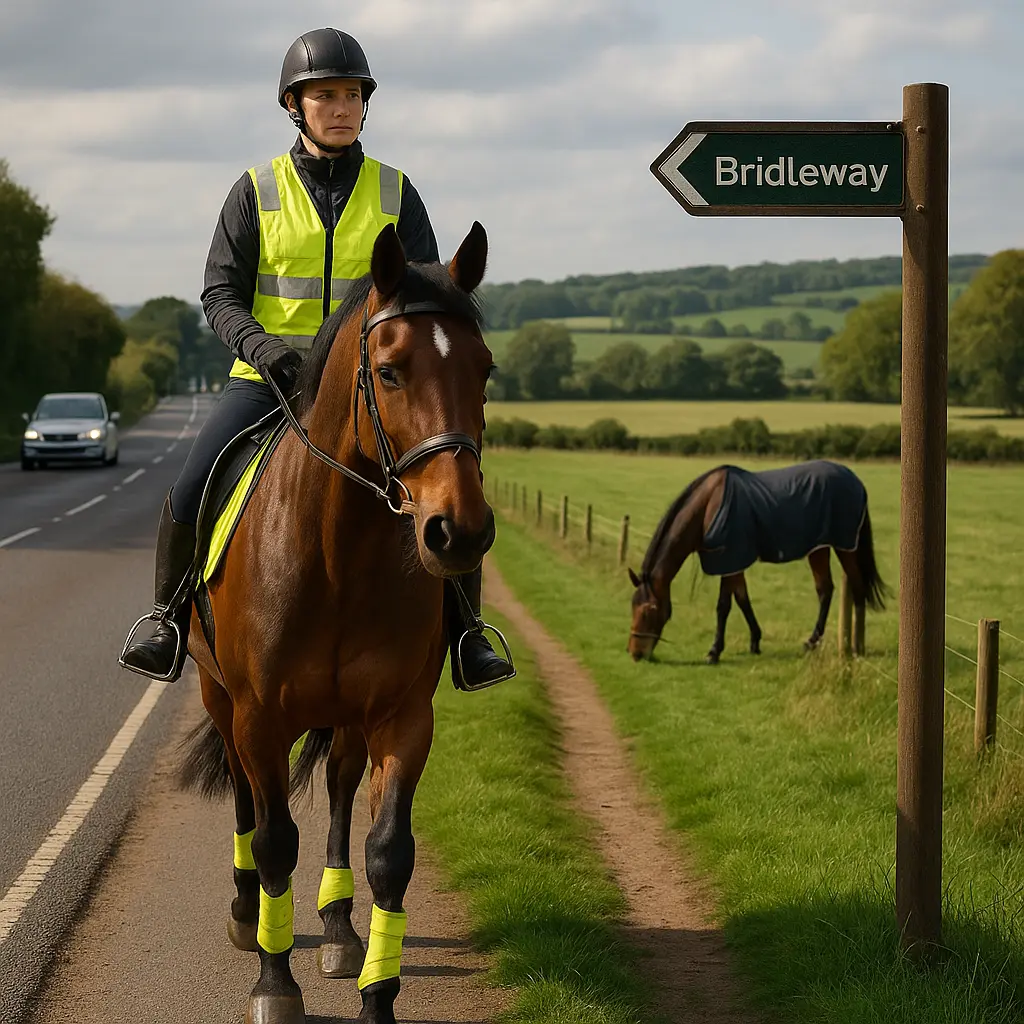
Since 2010, 4,429 road traffic incidents and 43 horse-related human deaths have been reported to the British Horse Society. High‑visibility clothing and certified helmets remain the simplest and most effective controls when you have to use the roads.
Ride defensively, make yourself unmissable and protect your head every time you mount up. Our best-selling, safety-first combo is a fully certified hat from our riding helmets collection paired with bright, reflective layers from our rider hi‑viz range. Together they improve driver detection and reduce the severity of any fall or near miss. Report every incident to the BHS to strengthen the evidence base that shapes driver education and local road engineering.
Quick tip: carry a charged phone, ID, and a compact first-aid kit; add leg protection where appropriate and consider overreach protection on busy verges. For impact and strike protection in everyday exercise or hacking, see our curated horse boots and bandages.
Access to off-road riding: the 2031 bridleway deadline
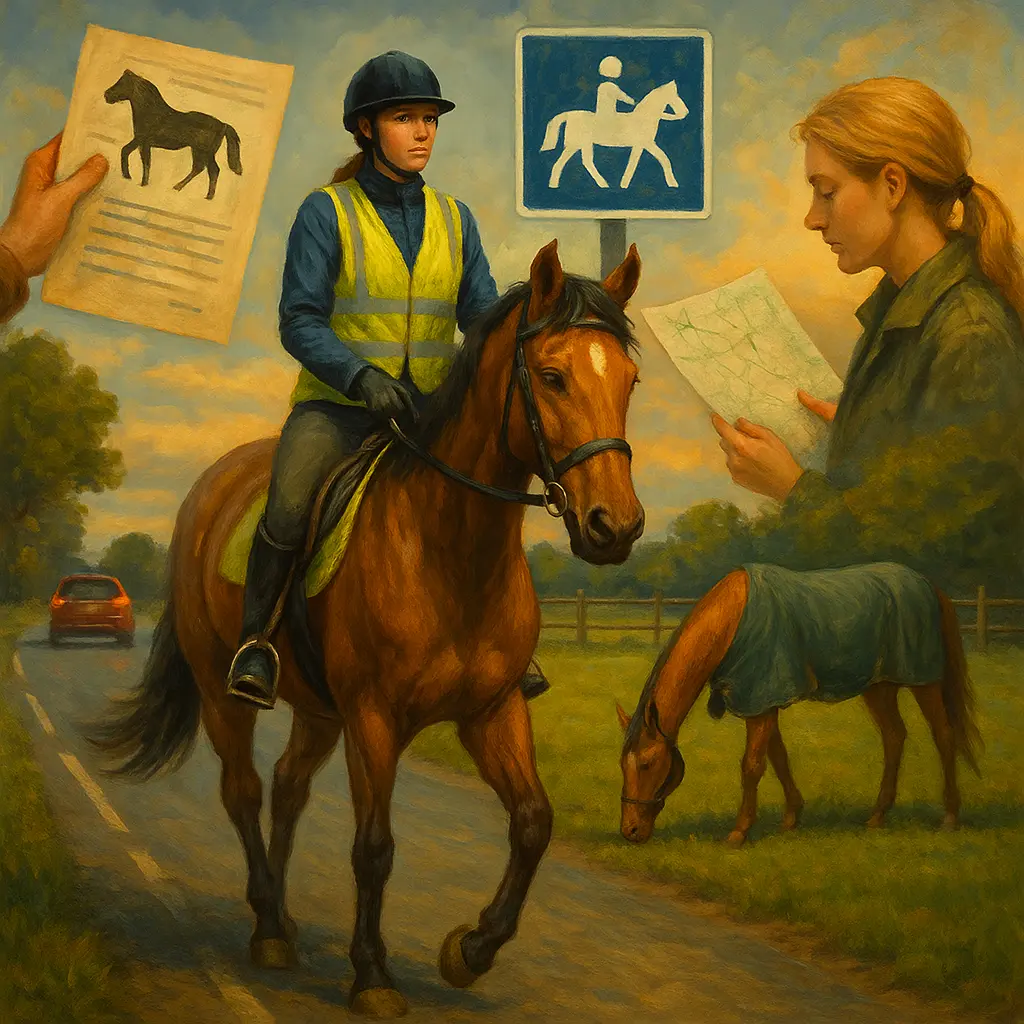
Historic bridleways in England must be recorded by 1 January 2031 or they risk permanent loss. Only 22% of England’s 117,250 miles of recorded public rights of way are open to horses, so every mile we save matters.
The Countryside and Rights of Way Act changes mean unrecorded historic routes will be extinguished in England if they’re not on the definitive map by the deadline (this change does not apply in Wales). The British Horse Society’s long-running campaign — see BHS guidance here — sets out clear, practical steps you can take now:
- Check your local authority’s definitive map and old maps (e.g., Ordnance Survey Explorer) to identify unrecorded bridleways and byways.
- Attend a BHS training day to learn how to recognise historic routes, use archive resources and build evidence.
- Volunteer with the BHS (over 260 people are already active) to help keep routes open and challenge obstructions.
- Use the BHS 2026/2031 Toolkit for step‑by‑step instructions on documenting, submitting and tracking applications.
Pro tip: winter surveying can be wet, muddy and slick. Wear supportive, waterproof riding boots designed for long miles on foot and share your route notes with local riders so evidence gathering isn’t duplicated.
Rugging for British weather: what to use and when
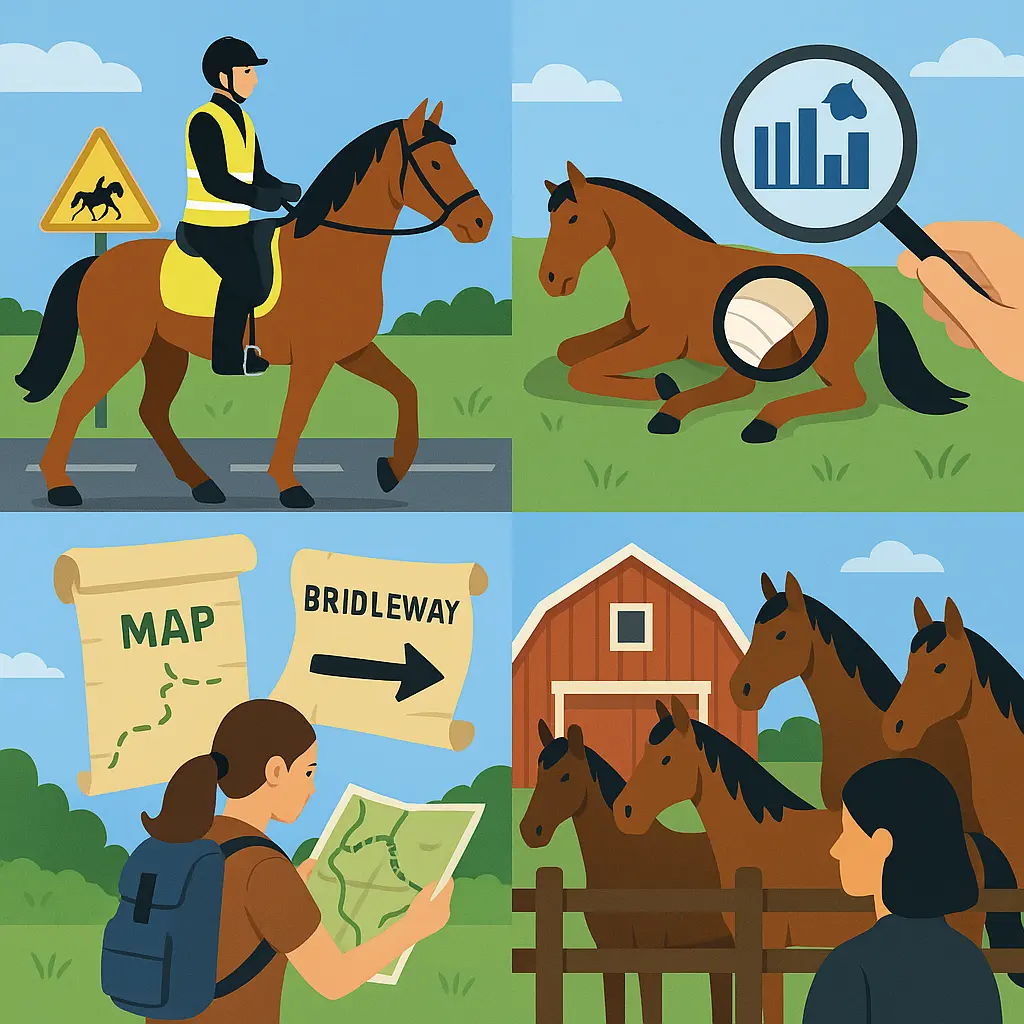
In the UK’s wet, changeable climate, turnout rugs help prevent rain scald and rubs outdoors, while stable rugs add warmth and keep coats cleaner overnight. Choose weight and fill based on your horse’s condition, clip, shelter and the day’s wind and rain, not just the thermometer.
Use a waterproof, breathable turnout in prolonged wet spells; swap to a lighter sheet or no rug in mild, dry weather if your horse maintains weight well. In the stable, a well-fitted rug can reduce chills, especially after late rides on cold nights. In spring and summer, consider fly sheets for midgey fields and sensitive coats. At Just Horse Riders, we curate proven layers from leading brands in our turnout rugs and stable rugs collections so you can fine‑tune comfort through the seasons.
Fit matters more than fill. Check shoulder freedom, wither clearance and belly strap tension; you should slide a flat hand at the wither and chest without pinching. Look out for mane rubs, damp patches (a sign of leakage or poor breathability) and shifting rugs after rolling. Regularly clean, reproof and repair to extend life — it’s better for your budget and your horse’s skin.
Everyday health: minor wounds and lasting scars
Minor cuts are common in active horses; prompt cleaning, protection and monitoring help prevent infection and scarring. Keep a well-stocked first aid kit on the yard and in the lorry for shows and pleasure rides.
For shallow wounds, gently clean with saline or clean water, pat dry, apply a non‑sting barrier or sterile hydrogel as appropriate, then cover with a non‑stick dressing and supportive wrap. Change dressings as directed by your vet or manufacturer and watch for heat, swelling, discharge or lameness. For turnout, consider protective boots to reduce knocks on exuberant days — start with breathable brushing or tendon boots from our horse boots & bandages selection.
Pro tip: restock your kit with sterile dressings, cohesive bandages, saline pods and gloves before the busy hacking season. At Just Horse Riders, we recommend adding a lightweight foil blanket to your road-hacking kit — it takes no space and helps retain warmth while you wait for help after an incident.
Once healed, gentle massage around scar tissue and regular grooming can support skin suppleness. Use specialist creams as advised by your vet, keep flies off new skin in summer with a suitable sheet, and reintroduce work gradually if a limb was involved.
Public trust, welfare and transparency
Public acceptance of horse sport remains strong, and British Equestrian estimates £1.2 billion in annual social value. Sector bodies have also improved transparency and collaboration around safety and welfare.
“There is real strength in coming together as a horse sports sector to share best practice and to address what matters most for the horse and to the public. This research shows that British Racing is on the right track with the work it is undertaking, but there is always more to be done.” — James Given, Director of Equine Regulation, Safety and Welfare, British Horseracing Authority
“With society changing around us it is so important that we in the horse world listen to how others see our relationship with horses, so we are delighted that our sector has been so proactive in seeking to understand public views.” — Roly Owers, Chief Executive, World Horse Welfare
British Horseracing Authority now publishes enhanced raceday fatality data and, since 2021, includes injuries that lead to euthanasia within 48 hours, giving a fuller picture of risk and progress. You can review the latest safety information and initiatives at britishhorseracing.com. For broader public attitudes and participation trends, see British Equestrian’s news and research hub at britishequestrian.org.uk.
Budgeting: smart gear buys and yard planning
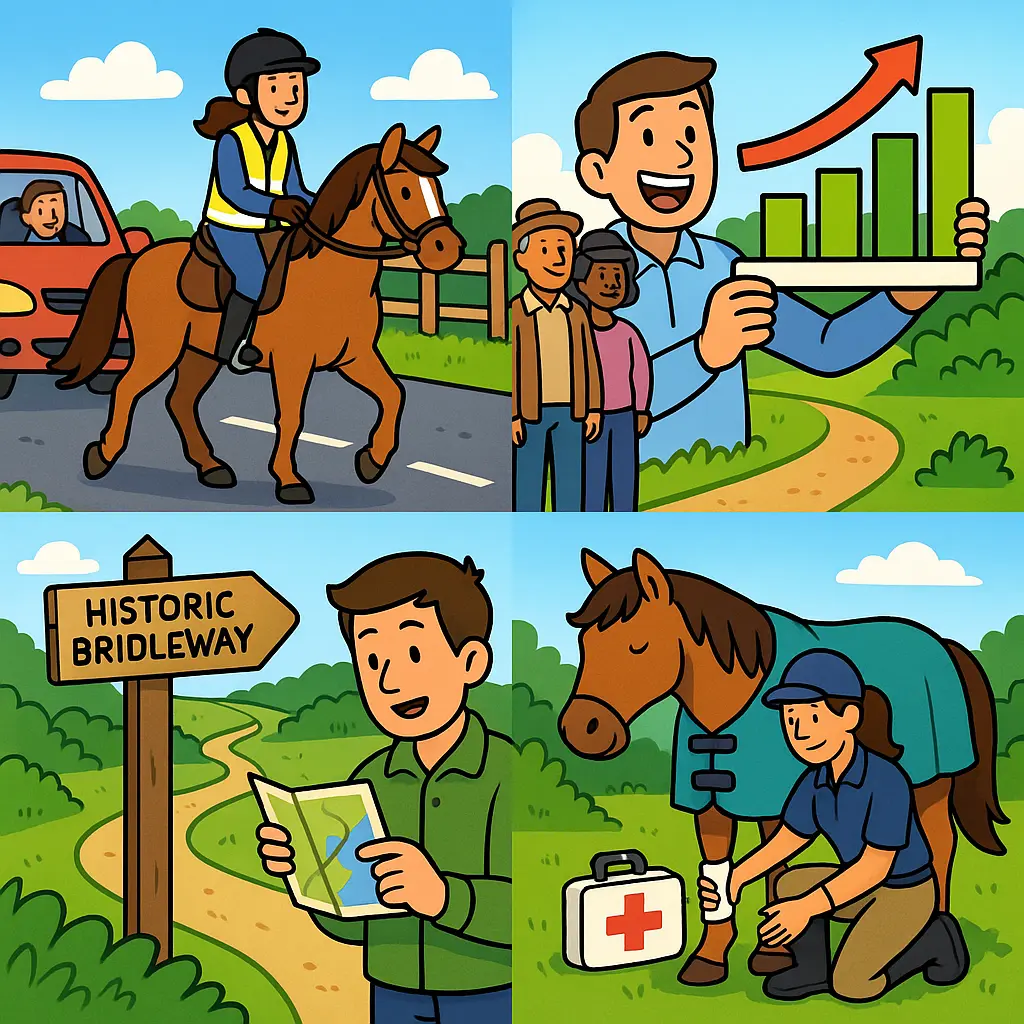
Rising feed, energy and insurance costs are squeezing UK yards, especially in the South East and South West. Prioritise purchases that reduce risk, protect health and last through multiple seasons.
Start with safety: a certified, well‑fitted hat, high‑visibility layers for roadwork, and a topped‑up first‑aid kit. Next, invest in core layers you’ll use 9–12 months a year — a breathable turnout, a versatile stable layer and protective legwear for your horse; then build out competition or discipline‑specific kit gradually. For value, time big purchases out of peak season and browse our rotating offers in the Secret Tack Room clearance. Durable footwear also pays you back every day — if you’re surveying bridleways this winter, choose supportive, grippy horse riding boots that handle mud, lanes and long hours on your feet.
Quick tip: plan a 12‑month gear calendar. Note likely clip dates, show seasons and known weather pinch‑points (late February cold snaps, July flies), then schedule cleaning, repairs and any top‑up purchases a month before you’ll need them.
FAQs
Here are clear answers to the most‑asked UK horse ownership questions in 2024.
How many horses are there in the UK?
There are 847,000 horses in the UK (2019 figure), and 1.8 million people ride at least once a month. Source: British Equestrian Trade Association and British Horse Society via The Vet Desk.
What is the risk of road incidents for UK riders?
Since 2010, 4,429 road traffic incidents have been reported to the BHS, including 43 horse-related human deaths up to 2022. Source: BHS via The Vet Desk. Make yourself visible, ride predictably and report every incident to strengthen safety campaigns.
Will bridleways be lost after 2026?
The deadline in England to record historic rights of way is 1 January 2031 (extended from 2026). Unrecorded historic routes risk permanent loss if not evidenced and added to the definitive map. Guidance: British Horse Society. This change does not apply in Wales.
Is equestrian participation growing in the UK?
Yes. Federation memberships across British Equestrian’s 19 member bodies rose by 11.7% between 2023 and 2024, despite capacity pressures on riding centres. Source: British Equestrian.
How safe is UK horseracing today?
Fatal injury rates are published transparently by the BHA, with enhanced reporting since 2021 that includes injuries leading to euthanasia within 48 hours. See the latest data and safety initiatives at the BHA’s hub: Making Horseracing Safer.
What simple kit improves my safety when hacking on roads?
Wear a certified helmet, bright hi‑viz on your torso and your horse, and carry a phone, ID and a compact first-aid kit. Add reflective leg bands or a tail guard for dusk and poor visibility. At Just Horse Riders, we also recommend a yard‑stored incident sheet so everyone knows who to call and what to do.
How can I find new off‑road routes near me?
Check your council’s definitive rights of way map, compare it with Ordnance Survey Explorer mapping to spot potential historic routes, and join a BHS training day to learn how to research and record bridleways. Start here: BHS bridleway recording guidance.
Whether you’re planning winter turnout, mapping a forgotten green lane or prepping for a busy show season, the combination of clear data, practical kit and community action will keep you — and your horse — safer, more comfortable and better connected to Britain’s bridleway network.