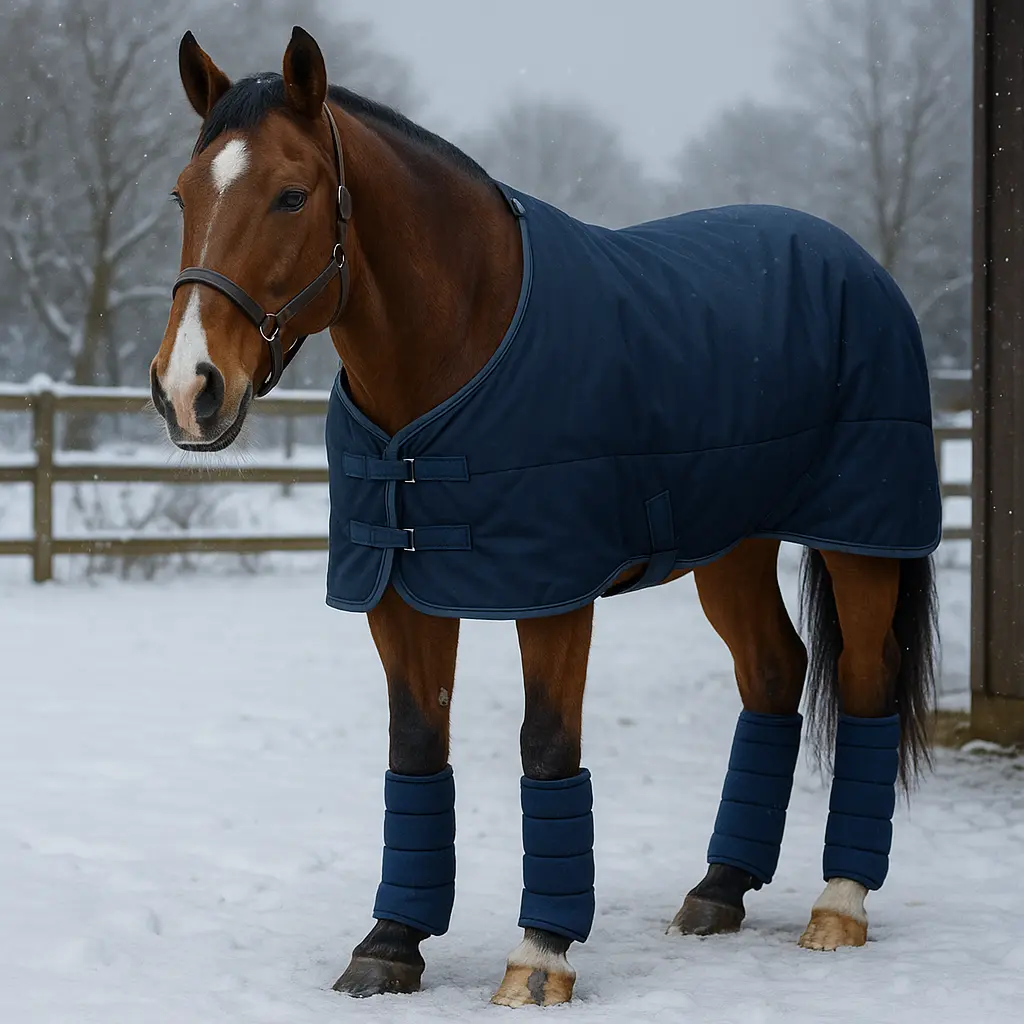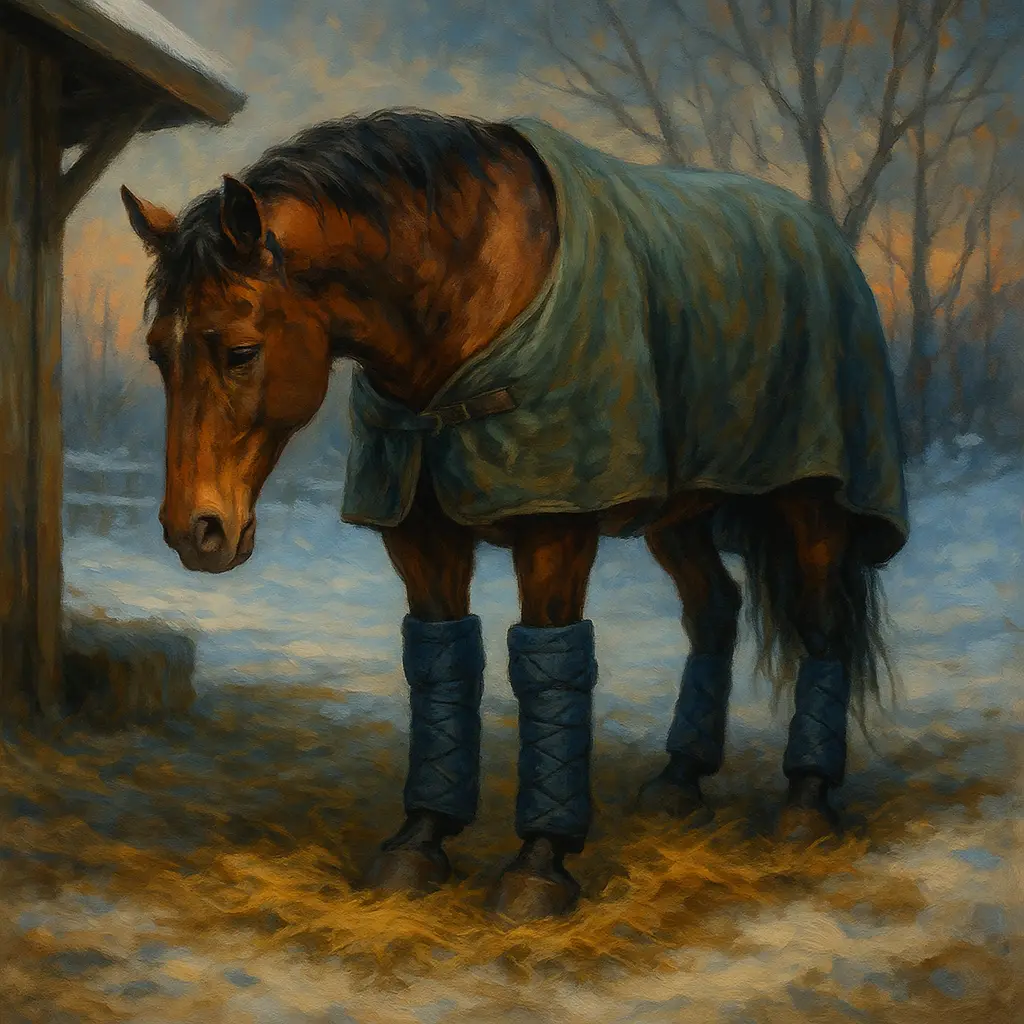
A cold snap in February, a damp easterly wind, and suddenly your usually cheerful cob is pottery on the yard. This isn’t “typical” laminitis from spring grass — it’s winter or cold‑induced laminitis, and it needs a different playbook. The right combination of warmth, leg management and metabolic control can quickly turn things around.
Key takeaway: Cold‑induced laminitis is a circulatory problem triggered by cold; keeping the limbs and hooves warm and managing PPID/insulin resistance are the most effective ways to prevent and relieve it — rugs and breathable thermal leg wraps used correctly are core tools.
What is winter laminitis?
Winter laminitis is a circulatory problem where cold triggers vasoconstriction in the hoof, causing pain without the inflammation typical of diet‑related laminitis. Because the pain is circulatory rather than inflammatory, NSAIDs generally don’t help.
In cold weather, blood vessels in the distal limb constrict to conserve core temperature. In metabolically sensitive horses, this normal response can go too far, starving the hoof of warm blood and oxygen. Horses carry roughly 60% of their weight on the front feet, which is why front hooves are often the first to show signs of soreness on cold mornings or during sharp temperature drops.
Endocrine factors magnify the problem. Elevated insulin raises endothelin‑1, a potent vasoconstrictor, while cortisol and insulin resistance change the hoof’s vascular responses:
“Cortisol has been documented to dramatically increase hoof responses to vasoconstrictors. Insulin is normally a vasodilator — with insulin resistance, this response may be blocked.” — Dr Kellon, metabolic specialist (source)
Practical implication: think warmth and circulation first. Avoid cold‑hosing or standing in icy water — it makes the vasoconstriction worse — and prioritise targeted warming of the limbs and body.
Who is at risk and when in the UK?
Horses with PPID (Cushing’s) or insulin resistance are highest risk, especially during damp cold snaps and rapid temperature drops, with February–March proving a common danger window in the UK.
Our winters are rarely extreme, but wet cold combined with wind chill and repeated freeze–thaw cycles can be enough to trigger a flare. Watch closely when overnight lows drop towards and below about 7°C (45°F) — that’s the point many horses start spending extra energy to maintain core temperature, diverting warmth from the extremities. Signs to watch for include a short, pottery stride on hard ground, reluctance to turn tightly, and shifting weight off the front feet. Even mild foot soreness on cold mornings deserves quick action in at‑risk horses.
Pro tip: Plan ahead for PPID horses. Discuss autumn testing and a winter management plan with your RCVS‑registered vet, so you’re not reacting mid‑cold snap.
Do leg wraps help — and how should you use them?
Yes. Breathable thermal leg wraps keep the lower limb warm, support circulation and can markedly improve comfort during cold spells, provided they’re fitted correctly and checked daily.
Thermal wraps modelled on Thermatex use quilted, moisture‑wicking fabric designed for stable use to warm and dry the limbs. In practice, this means you can keep tendons warm without trapping sweat, and protect the pastern and fetlock area from chilling draughts at floor level. The guiding principles:
- Choose breathable, moisture‑wicking wraps with thermal properties (e.g. quilted, double‑layer designs).
- Apply evenly and snugly — never tight — from below the knee/hock down, avoiding pressure points.
- Reset at least once daily to check for slippage, skin condition and heat build‑up; remove any wrap that becomes wet or dirty immediately.
- Use in the stable; pair with suitable hoof protection in extreme cold.
Quick tip: If your horse needs more than a wrap, consider lined or insulated hoof boots to keep the hoof capsule itself from chilling. For fit‑for‑purpose options, explore our curated horse boots and bandages.
Are Thermatex‑style bandages safe to leave on overnight?
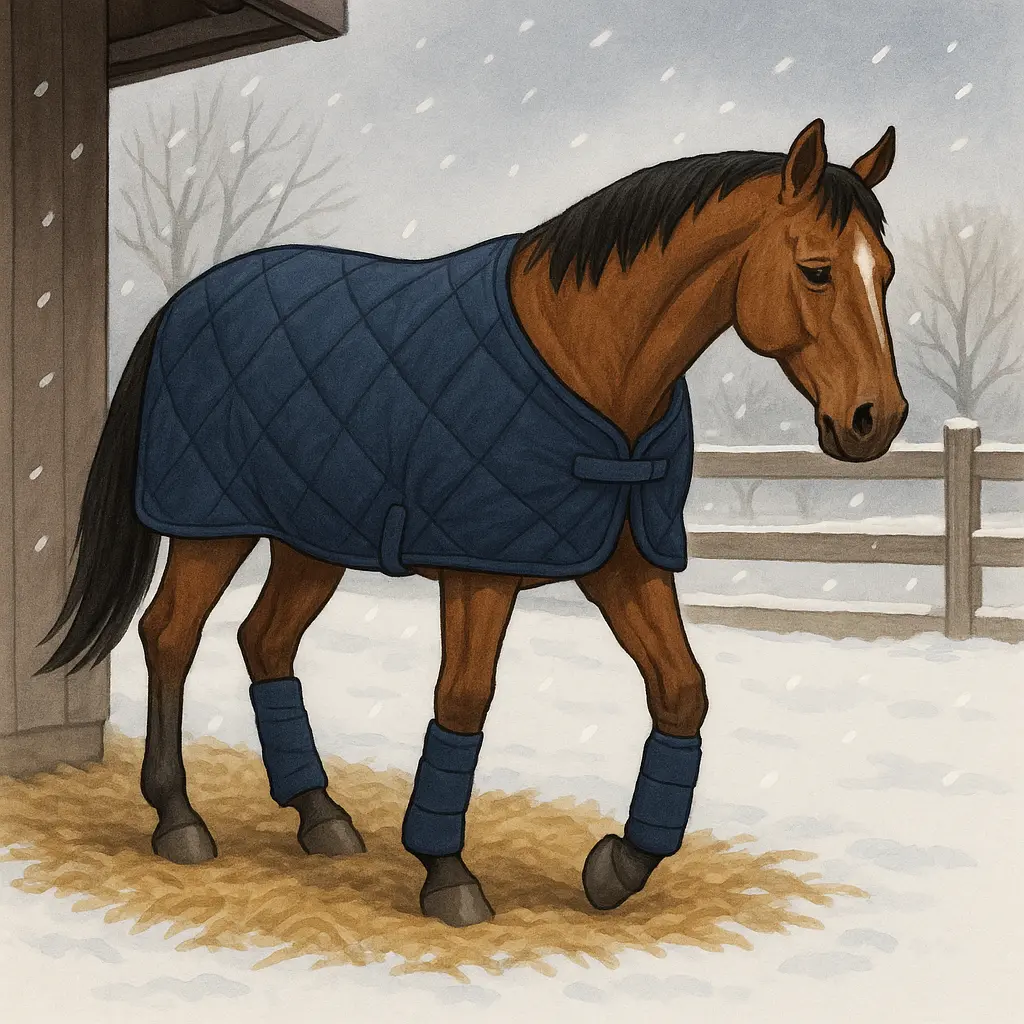
They can be left on overnight in the stable for suitable horses if they’re dry, well‑fitted and checked at least daily, but follow your vet’s guidance for your horse.
Manufacturers market quilted thermal bandages for stable protection and drying wet legs. UK yard chat often flags a valid caution: prolonged heat without breaks can soften tissues or irritate skin if moisture is trapped. The solution is management, not avoidance:
- Only apply to clean, fully dry legs; remove and reapply daily to let the skin breathe.
- Check under the wraps for any rubs, heat build‑up or scurf; wash and thoroughly dry legs before re‑wrapping.
- Match limb warmth with body warmth — a chilled body will still divert heat away from the feet.
At Just Horse Riders, we recommend a simple winter routine for at‑risk horses: warm, dry legs wrapped at tea time; overnight monitoring on a deep bed; morning removal, quick check and a gentle walk in the stable while legs air. If you’re building a winter kit on a budget, have a look at our rotating deals in the Secret Tack Room clearance.
Bedding, boots and shelter: protect the hoof from cold
Deep, insulating bedding, lined hoof boots for severe cases and draft‑free shelters all reduce cold stress and help relieve hoof pain in winter laminitis.
Cold floors pull heat from the hoof. A deep, dry bed (shavings, cardboard or even sand) lets horses avoid standing directly on cold, conductive surfaces. Many will naturally dig their toes in, angling the feet to ease pressure on the back of the hoof capsule while creating a warmer pocket around the foot.
For very cold nights or during a flare, lined hoof boots can add an extra layer of insulation around the capsule, complementing thermal wraps on the limb. Outside the stable, provide good shelter from damp winds — a southwest‑facing entrance works well on many UK yards — and keep turnout time flexible around sharp weather changes.
Rugs and body warmth: when should you rug?
Below about 7°C (45°F), many horses — especially older or PPID horses — benefit from a rug to reduce energy expenditure and support peripheral circulation to the feet.
Rugging isn’t just about comfort; for circulation‑sensitive horses it’s strategic. When the core is kept warm, the body is less inclined to clamp down blood flow to the extremities. For turnout, choose weatherproof, breathable rugs with appropriate fill for the day’s conditions. For stabled horses, a breathable stable rug avoids drafts without over‑heating. Check and adjust daily as temperatures swing.
Good places to start:
- Outdoor protection: see our selection of UK‑ready winter turnout rugs, from lightweight shells for wet, mild days to warmer fills for frost.
- Indoor comfort: browse breathable stable rugs for deep‑bedded nights.
- Trusted brands our customers rate highly for fit and durability include WeatherBeeta and Shires.
Quick tip: err on the side of “just warm enough” and reassess twice daily. Over‑rugging can lead to sweating, which chills rapidly and undermines your goal.
Feeding and metabolic management: reducing the risk
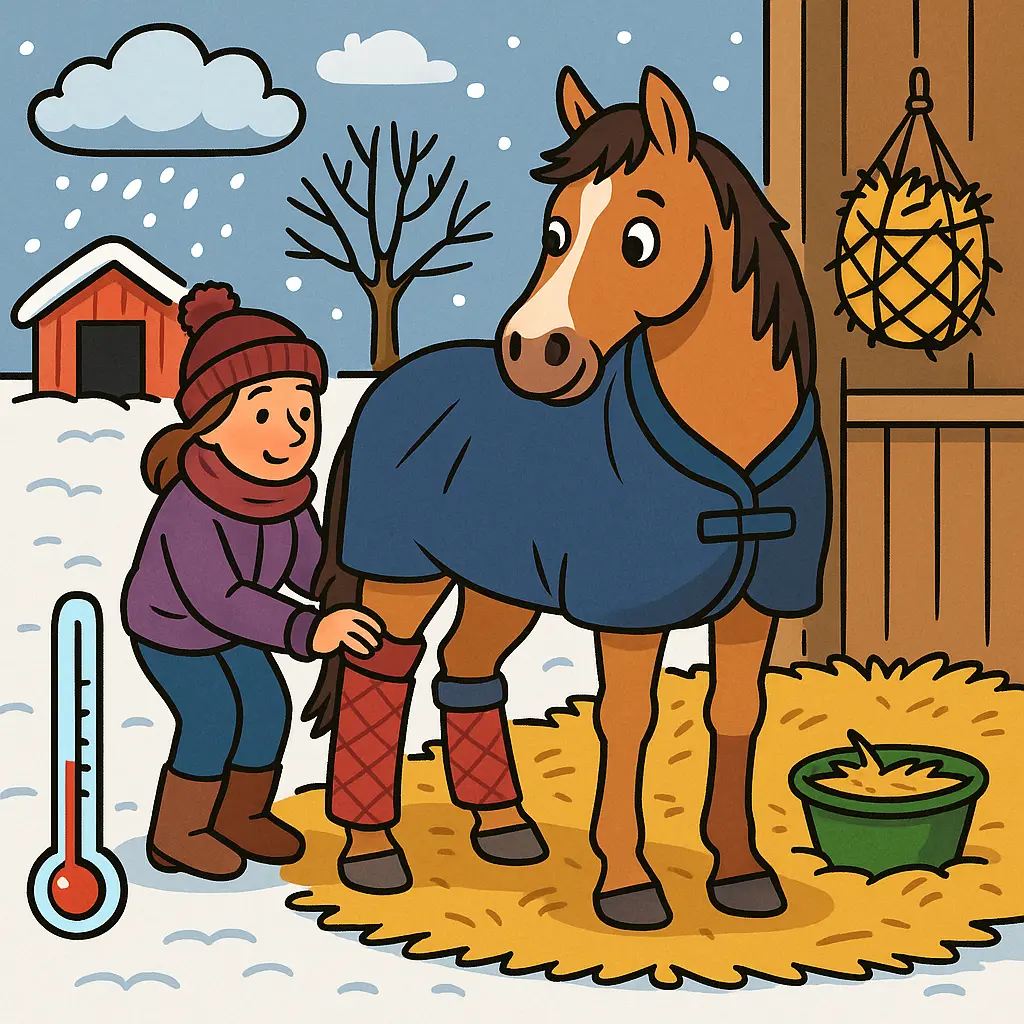
Consistent forage intake, low‑sugar, low‑starch diets and proactive PPID/insulin‑resistance management lower winter laminitis risk and improve comfort.
Long gaps without forage can destabilise insulin in susceptible horses. Keep hay going steadily, and if you need to slow intake, use trickle‑feeding methods rather than periods of fasting. Ahead of winter, work with your vet to test for PPID (Cushing’s) and insulin dysregulation, start or adjust pergolide where indicated, and monitor ACTH to keep the plan on track.
Supporting hoof and metabolic health is a whole‑horse project. Alongside veterinary care, owners often use targeted nutrition to bolster hoof quality and metabolic resilience; explore vet‑approved options in our horse supplements range, and integrate them under veterinary advice for PPID/IR cases.
Pro tip: Make “warmth + forage + movement” your winter mantra — gentle, in‑stable movement after you remove wraps in the morning can help limbs warm evenly while forage keeps insulin steadier.
What should you do if you suspect winter laminitis?
Call your vet immediately, keep the horse warm, stable them on a deep bed and organise farrier support — early, coordinated care gets the best results.
The British Horse Society emphasises prompt, vet‑led plans and farrier collaboration for all laminitis presentations:
“Treatment focuses on relieving pain, reducing inflammation, supporting the hoof structure and managing any underlying conditions. Prompt treatment is vital whether in early stages or chronic — a tailored, vet‑led treatment plan gives your horse the best chance of recovery and long‑term comfort.” — British Horse Society
“Your vet may prescribe painkillers and recommend box rest with a deep bed of shavings. The farrier may need to trim hooves to relieve pressure and fit sole or frog supports. Your vet will work closely with your farrier for remedial farriery.” — British Horse Society
For cold‑induced cases specifically, remember that NSAIDs often don’t address the core issue because the pain is circulatory. Keep the whole horse warm (appropriate rugging) and protect limbs and feet (thermal wraps and, if advised, lined hoof boots). Avoid cold‑hosing or icy standing water. Daily checks during routine grooming — feel for limb temperature, digital pulses and any change in stride — help you react early.
If your horse needs protective wear as part of the plan, you’ll find suitable wraps, bandages and boots in our horse boots and bandages collection, with options to suit stable and controlled turnout use as advised by your vet.
Conclusion: your winter laminitis checklist
Keep it simple and systematic: maintain core and limb warmth, feed consistent forage, and manage PPID/insulin proactively. Use breathable thermal wraps correctly in the stable, bed deeply, and adjust rugs when temperatures drop towards 7°C and below. Coordinate early with your RCVS‑registered vet and farrier. At Just Horse Riders, we’re here to help you choose the right kit — from turnout rugs and stable rugs to circulation‑friendly boots and bandages — so your horse stays comfortable through every cold snap.
FAQs
Are Thermatex‑style leg wraps safe to leave on overnight?
Yes, for suitable horses in the stable if wraps are breathable, applied to clean, dry legs, and checked at least once daily. Reset them every 24 hours, remove if damp or dirty, and follow your vet’s guidance — especially for PPID/IR horses with delicate skin.
Will NSAIDs help my Cushing’s horse with winter laminitis pain?
Usually not. Winter laminitis pain is primarily circulatory rather than inflammatory, so warming the body and limbs is more effective. Still contact your vet promptly; they may use pain relief alongside a plan focused on warmth, deep bedding and hoof support.
What temperature should I start using leg wraps or rugs?
Use protective measures when temperatures fall towards and below about 7°C (45°F), particularly for older horses, PPID/IR cases, or those not acclimatised to cold. Combine thermal leg wraps in the stable with appropriate rugging — see our turnout rugs for outdoors and stable rugs for inside.
Is deep bedding really effective for winter laminitis?
Yes. A deep bed insulates the hoof from cold floors and lets the horse adjust foot angle to reduce pressure on painful areas. Use clean, dry shavings, cardboard or sand and bank well to reduce draughts at floor level.
Should I cold‑hose my horse’s feet if they’re sore in winter?
No. Cold water and icy streams worsen vasoconstriction and can intensify pain in cold‑induced laminitis. Focus on gentle warmth, insulation and veterinary‑approved hoof support instead.
Which wraps or boots should I choose for cold‑sensitive feet?
Pick breathable, moisture‑wicking thermal wraps for the stable, applied evenly and checked daily. In severe cold or active flares, add lined hoof boots for capsule insulation. Start with our vetted selection in horse boots and bandages and speak with your vet or farrier about fit and wear time.
How can I prevent winter laminitis flares in a PPID/insulin‑resistant horse?
Test and treat PPID (pergolide as prescribed), keep forage consistent, feed a low‑sugar, low‑starch diet, rug appropriately around 7°C and below, and use thermal leg wraps during cold snaps. Consider targeted nutritional support from our supplements range under your vet’s advice, and monitor closely during February–March cold spells.