Dreaming of a sunrise canter on powder-soft sand or a once-in-a-lifetime swim with a sea-salty mane in your hands? Zanzibar delivers unforgettable riding — provided you follow the local rules and prepare like a pro.
Key takeaway: Rides in Zanzibar run between 07:00 and 17:00 with strict safety standards, small groups, and clear wildlife buffers — and even beginners can join, including 30-minute high-tide swims (around £50).
When and how long can you ride in Zanzibar?
Riding in Zanzibar is permitted only between 07:00 and 17:00, with short routes capped at 3 hours and a limit of two rounds per route per day per operator. These timings and limits are set by the Tanzania National Parks Authority (TANAPA) to protect horses, riders, and the environment.
In practice, most operators schedule early morning and late afternoon rides to avoid midday heat and to catch the best light. The “two rounds per route” rule keeps horse and trail welfare front and centre while preserving a quality experience for each small group. If you’re planning both a beach hack and a separate swim, expect them to be scheduled around the high tide window and within these daytime hours.
Source: TANAPA Horseback Riding Guidelines.
What safety rules apply on Zanzibar horse rides?
Helmets are provided and required, first aid kits must be available for horses and riders, and spacing rules are enforced: keep two-horse lengths between riders and at least 50m from wildlife. Groups run small — a maximum of six riders — and always with a minimum of two guides for oversight and support.
TANAPA’s rules are thorough: operators must give a pre-ride safety briefing, ensure correct clothing (helmets, boots, long trousers, shirts), stick to designated trails, and keep speeds reasonable. Crucially, the wildlife buffer protects both riders and animals — 50m is your non-negotiable minimum when passing or viewing fauna. Spacing between horses reduces the risk of kicking and pile-ups, especially on sand where stopping distances increase.
“Operator must ensure the activity is conducted in a professional, safe, quality and in orderly manner that comply with GMP... Operator should adhere with park rules and regulations.” — TANAPA Guidelines
At Just Horse Riders, we recommend packing or hiring only compliant kit and double-checking your operator’s emergency plan (GPS/cell communication and evacuation procedures) before you confirm.
How does swimming with horses in Zanzibar work?
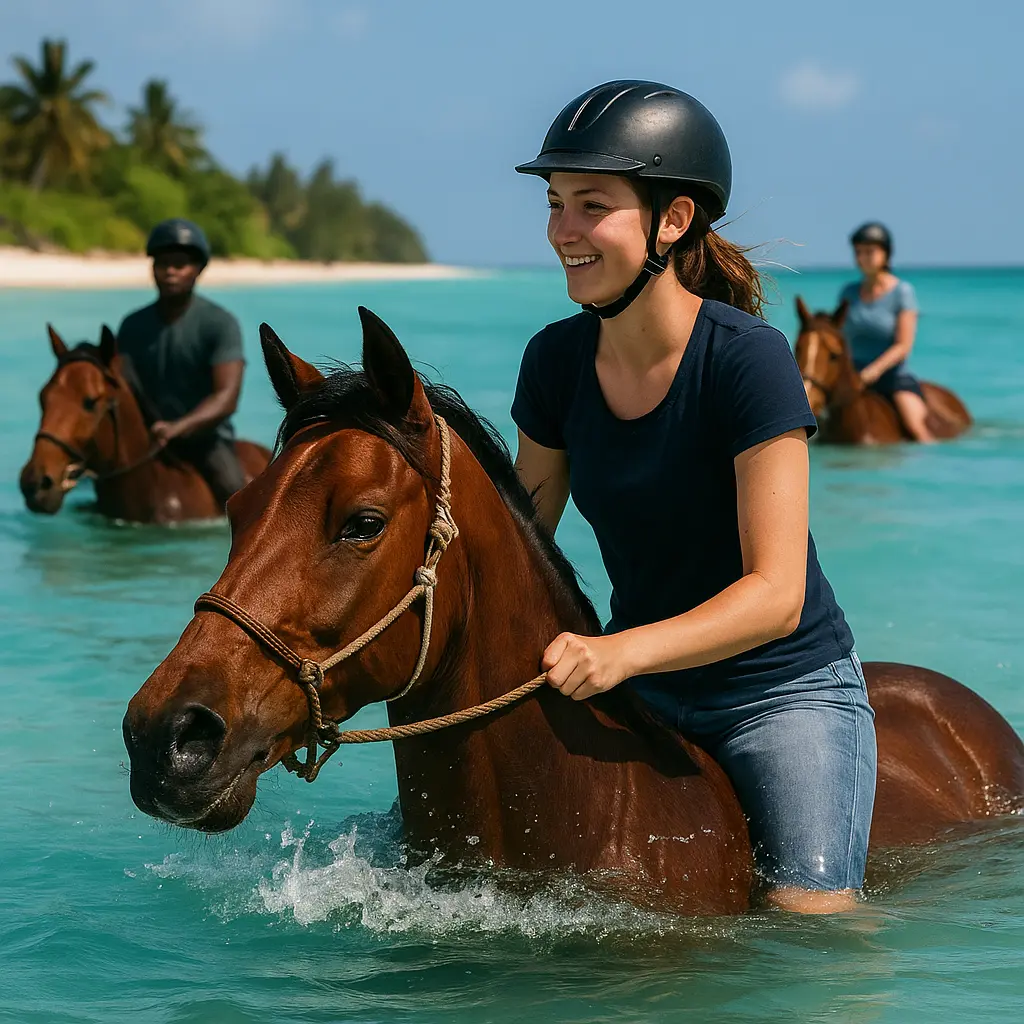
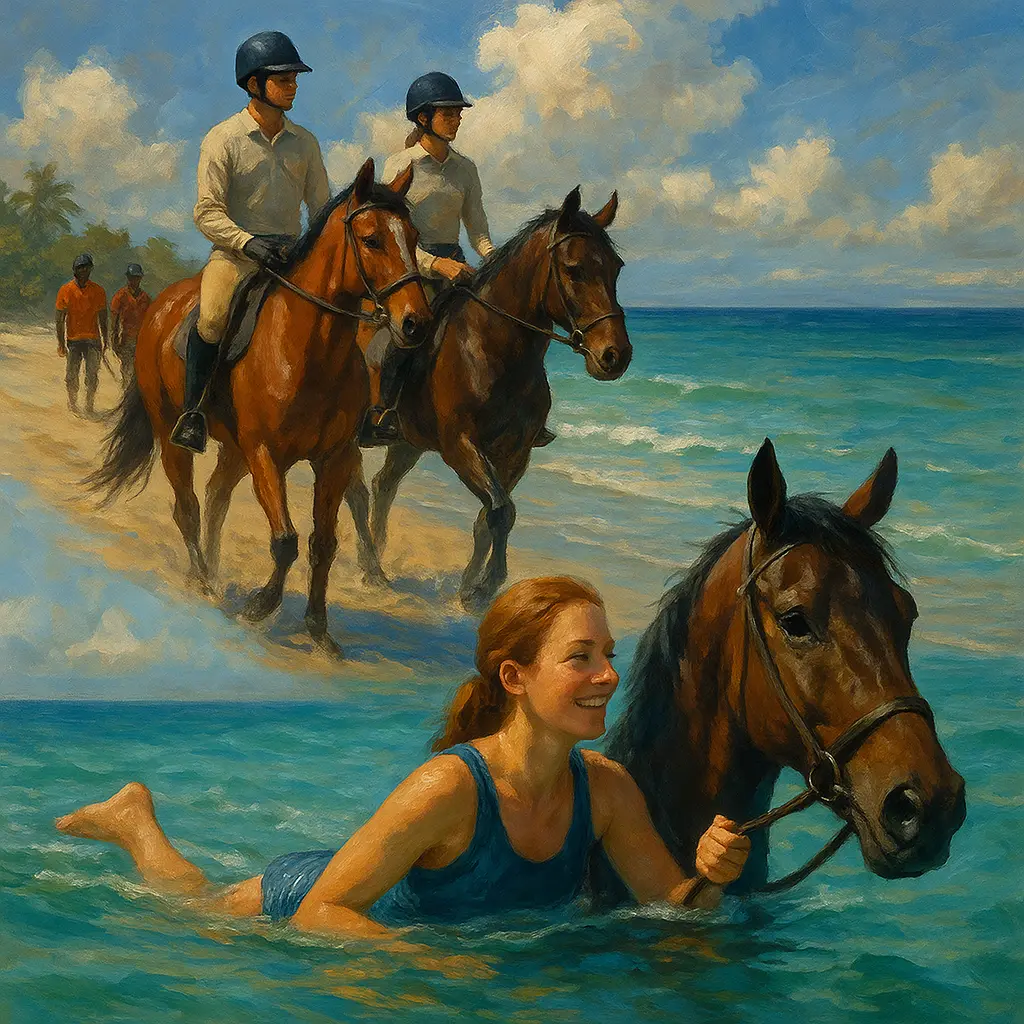
Swimming rides run only at high tide, last around 30 minutes, and are typically done bareback with natural halters; you must be able to swim. Pricing at Zanzibar Horse Club is listed at $65 USD (about £50) for a 30-minute session, ideal for confident novices who can swim.
Expect a calm, controlled introduction: you’ll wade in, feel your horse buoyant under you, and be guided by experienced staff. There’s no prolonged posing for photos — sessions are managed to prioritise horse welfare and rider safety in moving water. Bring a swimming costume, change of clothes, and sun protection; horses work under veterinary oversight and guides are trained to coach you through the unique sensation of riding afloat.
“All our guides are trained with years of experience and are happy to assist you with riding tips and helpful advice. We aim to make each ride safe, fun, and memorable. Safety helmets are provided to all guests.” — Zanzibar Horse Safaris
Source: Zanzibar Horse Club.

Do you need prior riding experience?
No — beach hacks and swim sessions are open to beginners, with quiet, sensible horses allocated to novices and progression only under guide instruction. If you’re swimming, you must personally be able to swim; otherwise, you’ll still enjoy a shoreline walk or gentle canter on the beach.
Guides will match you to a suitable mount and keep instruction simple and clear, moving from walk to trot and, if appropriate, canter, depending on your comfort and the footing. Groups are kept small (2–6 riders with at least two guides), so you’ll receive individual attention and calm coaching. If you’re an experienced rider, expect to be assessed before faster work — sand, heat and tide conditions demand sensible pacing regardless of experience.
Quick tip: Always disclose your true ability when booking. Honest details help the team pair you with the right horse and set the right route and speed for your safety and enjoyment.
What should UK riders wear and pack for Zanzibar beach rides?
Wear a helmet, riding boots, long trousers and a shirt for every ride; bring a swimming costume, change of clothes, sun protection and a camera for beach/swim sessions. Operators provide helmets, but many UK riders prefer to bring their own for fit and familiarity.
Here’s a succinct kit list tailored to Zanzibar’s heat and salt water:
- Head to toe safety: a snug, current-standard helmet and secure footwear are essential. Explore lightweight, ventilated options in our riding helmets collection and grippy, sand-capable footwear in our horse riding boots range.
- Legwear: choose quick-dry or lightweight breeches/jodhpurs that won’t chafe when damp. See our curated women’s jodhpurs & breeches and, if travelling with younger riders, children’s jodhpurs & breeches.
- Sun strategy: long-sleeved, breathable tops are better than bare skin in tropical sun. Pack reef-safe SPF 30+, sunglasses and a light towel. While you won’t be rugging local horses, at home you can mirror UV management with our summer-ready fly rugs and UV sheets.
- Hands and grip: travel riding gloves improve rein grip with salt spray and wet manes.
- Post-ride comfort: a dry change, flip-flops, and a small bag for damp kit keep sand out of taxis/hotels.
Pro tip: Salt and sand are tough on leather. If you ride in your own boots or gloves, rinse with fresh water after and clean thoroughly when back in the UK.
How to book and plan your Zanzibar ride
Reserve at least 24 hours in advance, confirm tide times if you want to swim, and ensure your travel insurance covers riding and swimming with horses. Booking is commonly handled via central reservations or WhatsApp, with guides confirming your ability level and ideal time slot.
Checklist before you pay your deposit:
- Confirm the ride window (07:00–17:00), route length (up to 3 hours for short routes), and group size (max 6 riders, min 2; at least two guides).
- Ask specifically about high tide availability and the day’s conditions for swim sessions.
- Verify that helmets and first aid kits (for horses and people) are provided and that pre-ride briefings are standard.
- Check the operator’s emergency protocol, including evacuation plans and GPS/cell communication as per TANAPA expectations.
- Insurance: the British Horse Society (BHS) recommends specialist cover when riding abroad; confirm your policy includes equestrian activities and any water-based components.
If you’re travelling in peak UK winter, consider a few pre-trip beach or arena sessions at home to build fitness. For comfort in British conditions, our horse boots & bandages and breathable layers from trusted brands like WeatherBeeta help you prep without the chill.

How Zanzibar beach riding compares to UK conditions
Zanzibar riding is hot, bright and sandy within a 07:00–17:00 window, while UK riding swings from muddy winters and short days to breezy, fly-prone summers. Expect slower, heat-aware pacing in Zanzibar and different footing considerations compared with slippery British clay or wet grass.
On sand, stopping distances increase and horses work harder through soft going; guides manage speed accordingly. In the UK, winter mud increases slip risks and chills tack and muscles; you’ll often adjust schooling, turnout and travel plans around the weather. Keep your horse comfortable at home with season-appropriate winter turnout rugs and support tendons during schooling or hacking with protective boots and bandages. For your own comfort, breathable layers from performance brands such as LeMieux help bridge the gap between cold mornings and warmer stables.
Quick tip: Hydration matters more than you think in the tropics. Drink water before and after your ride, and avoid heavy meals immediately before a swim session.
Essential safety standards and what to expect from operators
Expect professional, guide-led rides with pre-ride briefings, provided helmets, first aid kits, and strict spacing/wildlife rules; avoid operators who cut corners on group size, equipment or safety communication. The benchmark is set by TANAPA’s formal guidelines and delivered by reputable stables with trained teams.
Look for:
- Two guides per group, max six riders, and calm, ability-matched horses.
- A concise safety briefing covering helmets, riding order, hand signals, speed, spacing, and wildlife etiquette.
- Clear instructions for water entries during swims, including mounting bareback, rein management and exit plans.
- Visible first aid kits (equine and human), radio/phone contact, and staff with first aid knowledge.
Red flags include no mention of the 50m wildlife buffer, oversized groups, rushed tide sessions, or reluctance to discuss emergency procedures. Choose stables transparent about their standards, like those that share credentials publicly:
“All our guides are trained with years of experience… Safety helmets are provided to all guests.” — Zanzibar Horse Safaris
If you prefer riding in your own kit, pack a well-fitting skull or peaked hat that meets current standards and supportive footwear. Explore our ventilated riding helmets and durable riding boots suited to sand and salt.
Practical packing and prep tips from UK riders
Bring essentials you trust, prepare for sun and salt, and plan smooth transitions between ride and resort. A little forethought makes a big difference to safety and comfort.
- Pack doubles of small items: gloves and socks get salty fast; spares keep blisters at bay.
- Choose quick-dry breeches and breathable tops; our lightweight women’s breeches are popular for hot-weather hacks.
- Carry reef-safe sunscreen and a soft cloth to wipe sand from buckles/zips.
- If you’re building fitness at home, stay ahead of coat and skin care with smart grooming — our grooming essentials keep your horse comfortable before and after winter rugs.
Pro tip: Keep your phone in a waterproof pouch with a wrist lanyard for safe, quick photos without risking a drop in the surf.
Conclusion: make your Zanzibar ride safe and memorable
Book early, respect the 07:00–17:00 window, stick to the 50m wildlife buffer and two-horse spacing, and gear up for sun and salt. With trained guides, compliant kit, and sensible pacing, even first-timers can enjoy a confident beach hack or a magical high-tide swim — and bring home memories that last.
Before you go, refresh your kit with ventilated helmets, sand-ready riding boots, and hot-weather breeches from Just Horse Riders, so you arrive ready to ride.
FAQs
Do I need prior riding experience for Zanzibar beach rides?
No. Rides are suitable for beginners, with quiet horses allocated to novices and progression under guide instruction. For swim sessions, you must personally be able to swim.
What safety gear is mandatory?
Helmets are required and provided by operators; you should also wear riding boots, long trousers and a shirt. TANAPA rules also require first aid kits for horses and riders, plus a pre-ride briefing.
When can I swim with horses, and how long does it last?
Only at high tide. Sessions are typically 30 minutes, bareback with natural halters, and priced around $65 USD (about £50). Prolonged photo posing isn’t allowed — safety and welfare come first.
How many riders are in a group, and how long are the rides?
Groups are 2–6 riders with at least two guides. Short routes are capped at 3 hours, and rides take place within 07:00–17:00.
How close can we get to wildlife?
Maintain at least 50 metres from wild animals at all times. Riders must also keep two-horse distances between each other to avoid kicking and ensure safe stopping.
Should UK riders bring their own helmet and boots?
Yes, if you prefer your own fit and familiarity — provided your kit is safe and in good condition. Operators supply helmets if needed. For breathable options that suit warm climates, see our riding helmets and riding boots.
How far in advance should I book?
Book at least 24 hours in advance, especially for swim sessions tied to high tide. Confirm insurance covers riding (and swimming) and check the operator’s emergency procedures before you pay.