
LeMieux
Breastplates & Martingales
Reins, bridles, girths, stirrups and more - matched to the LeMieux look.


LeMieux Martingales & Breastplates
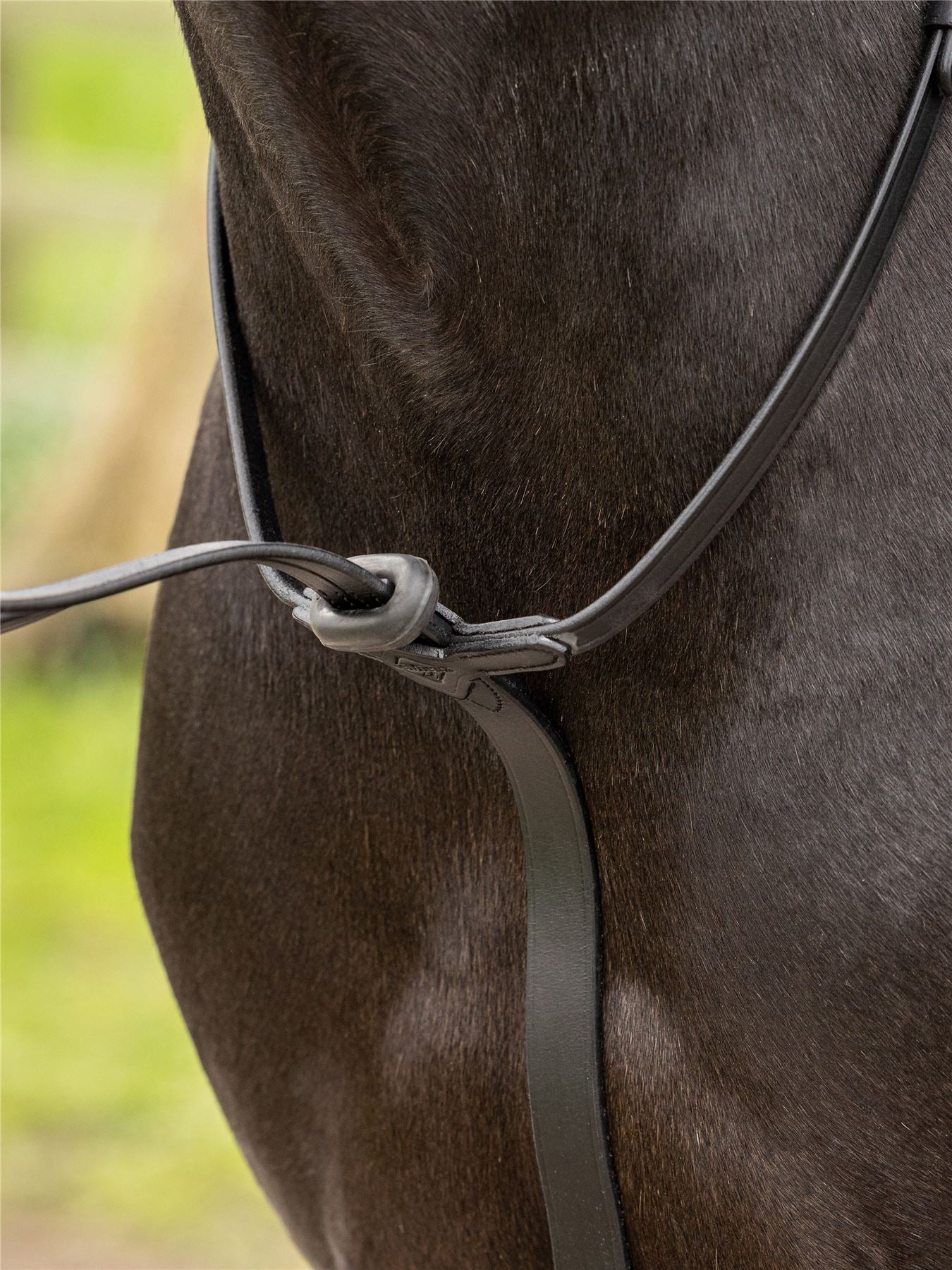
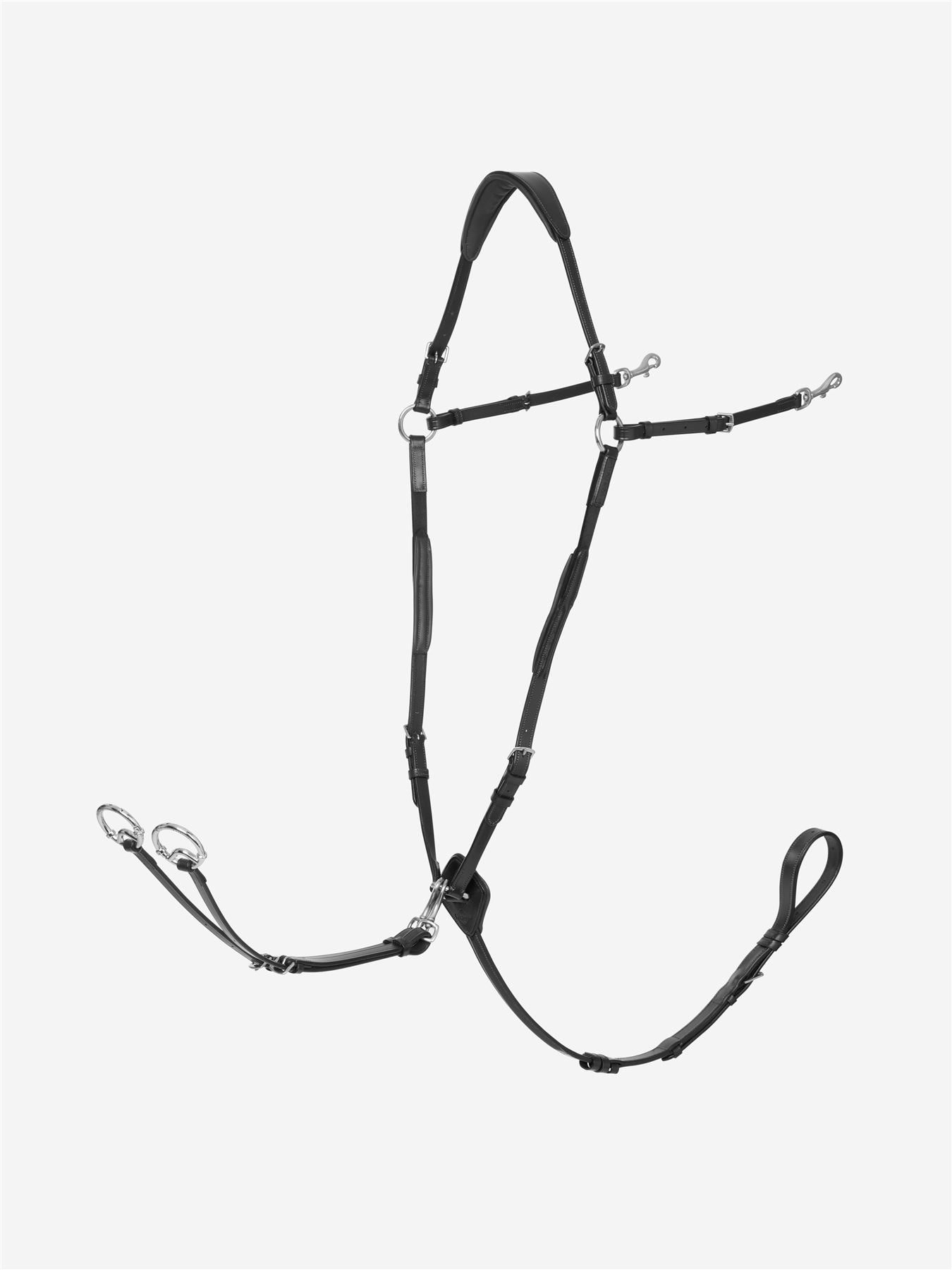
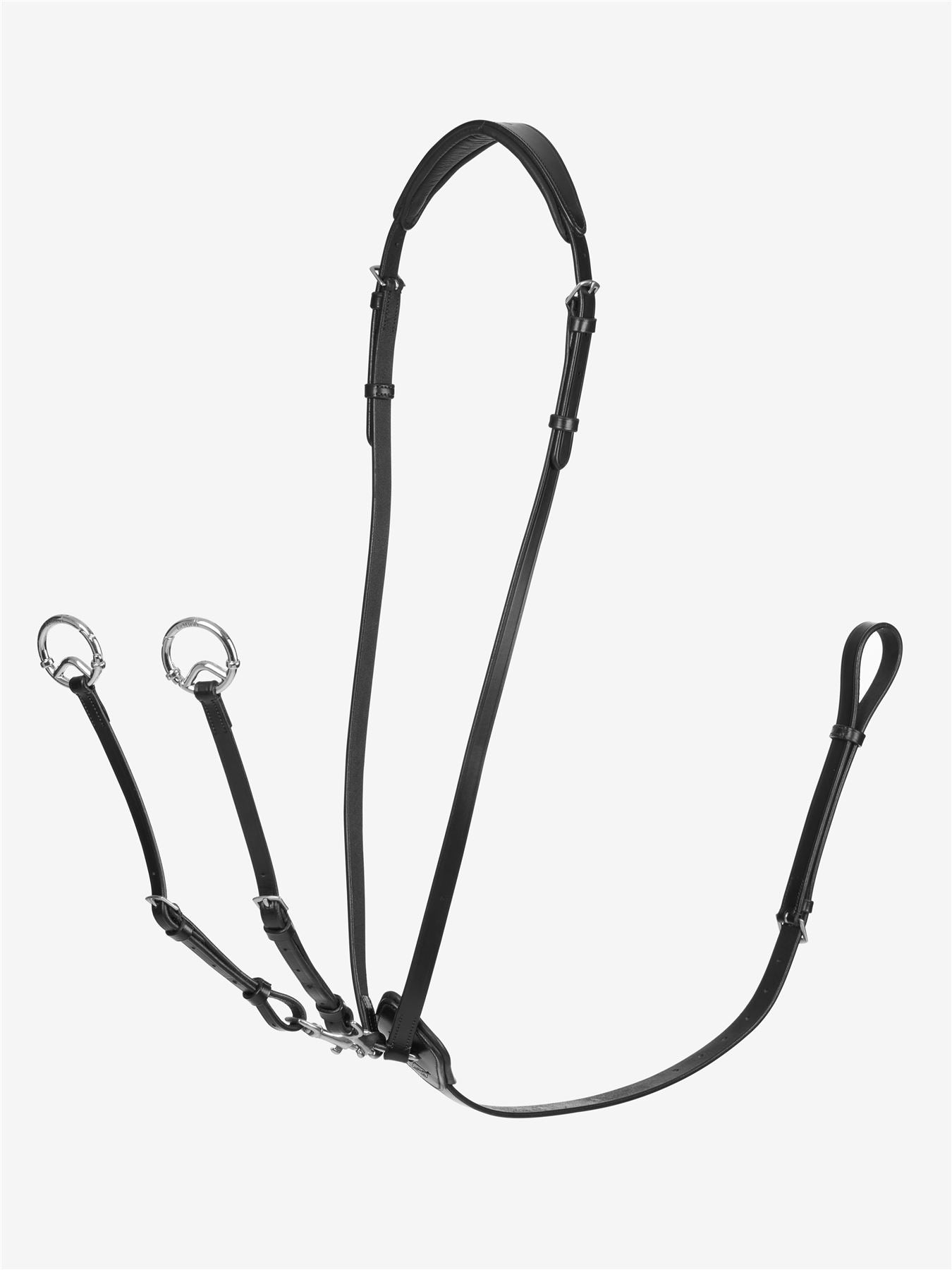
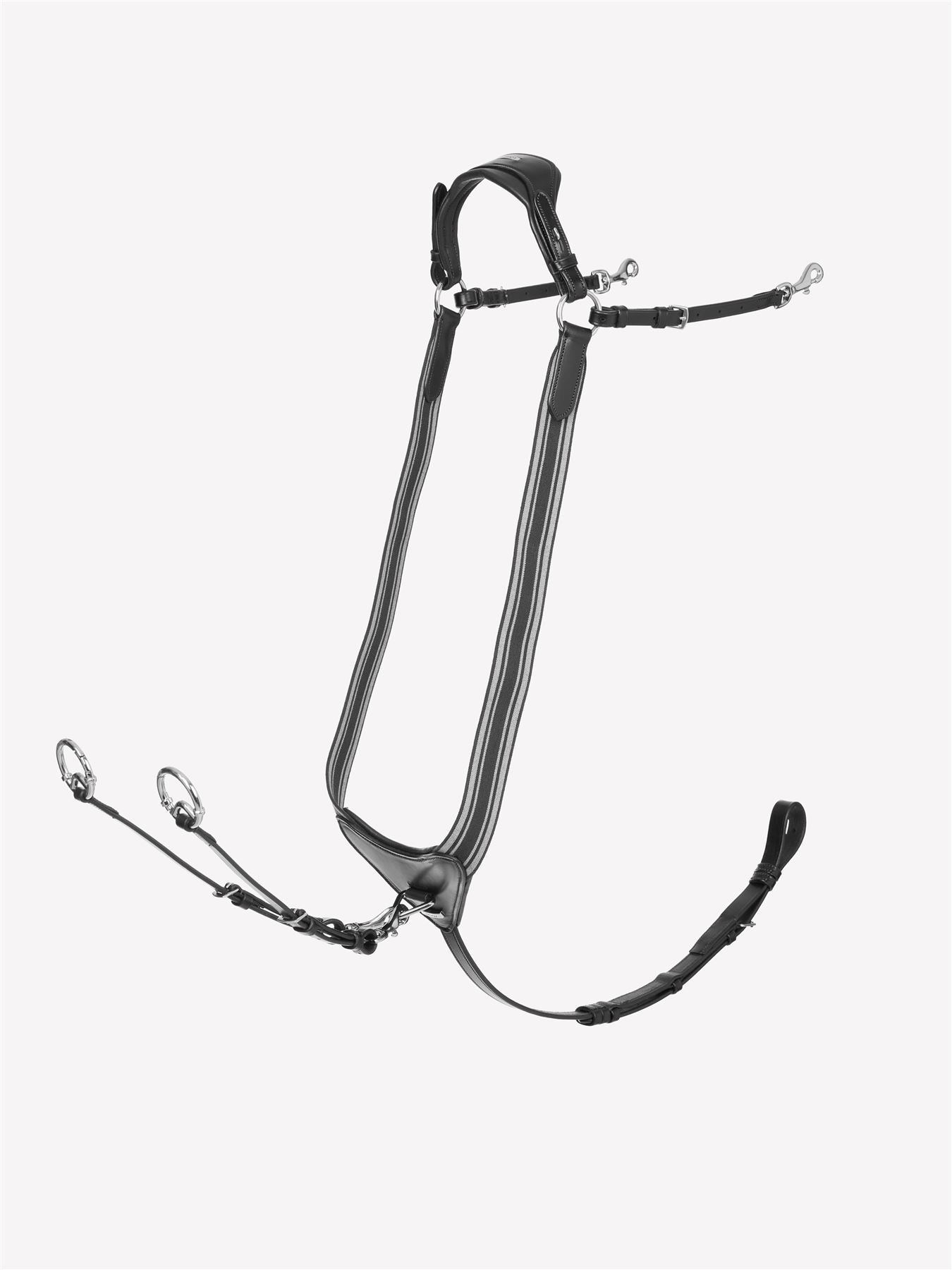
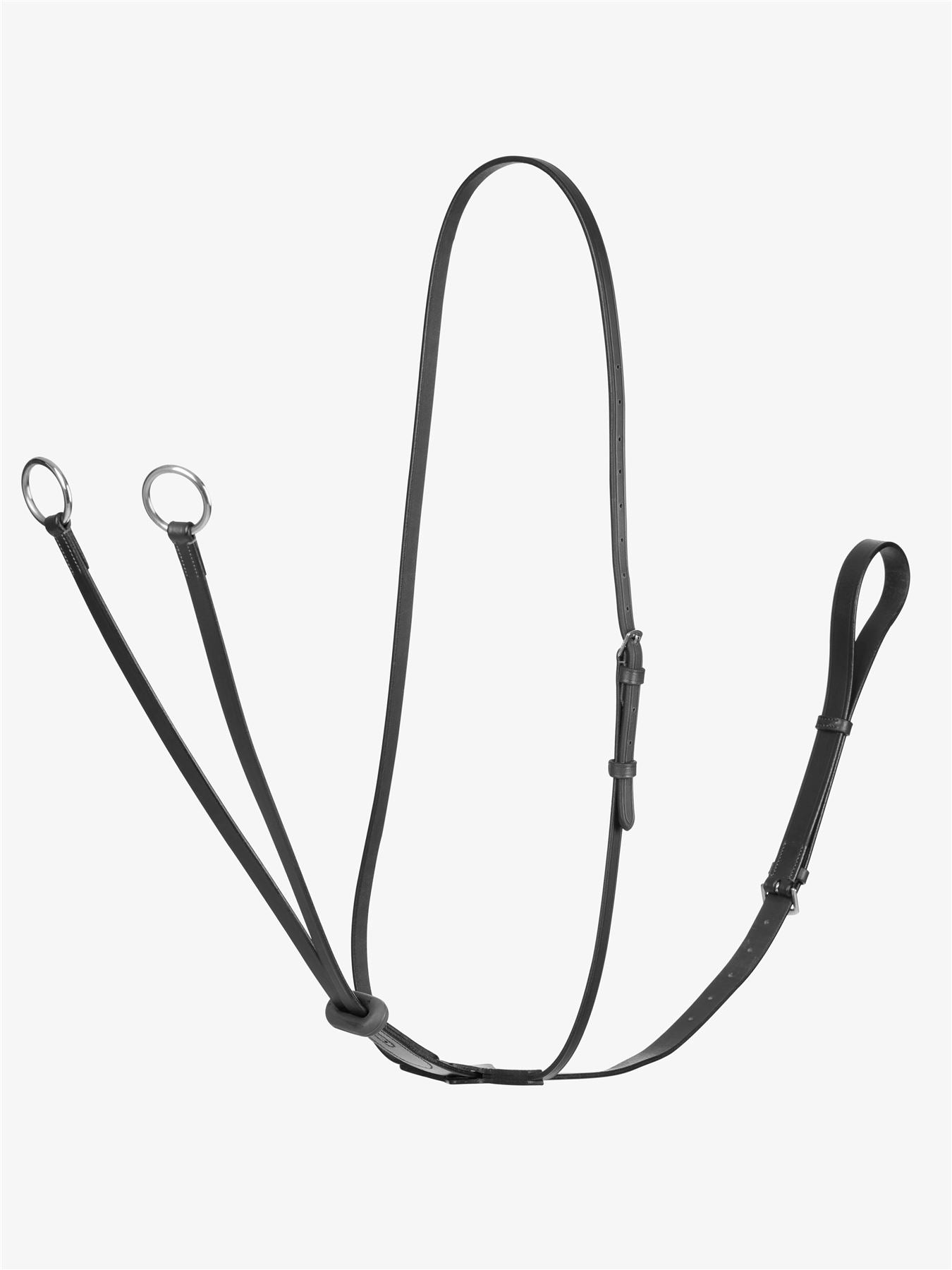
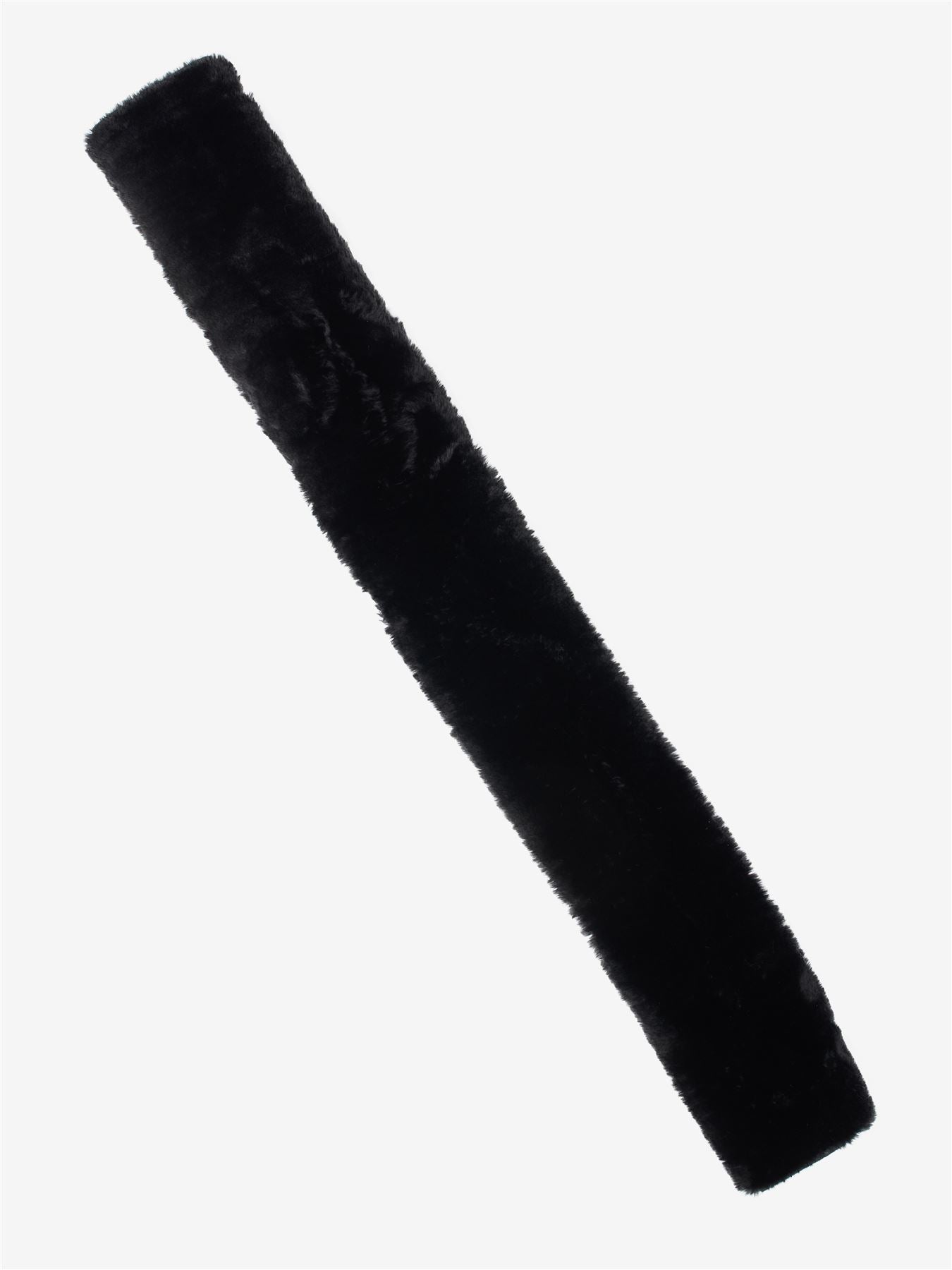
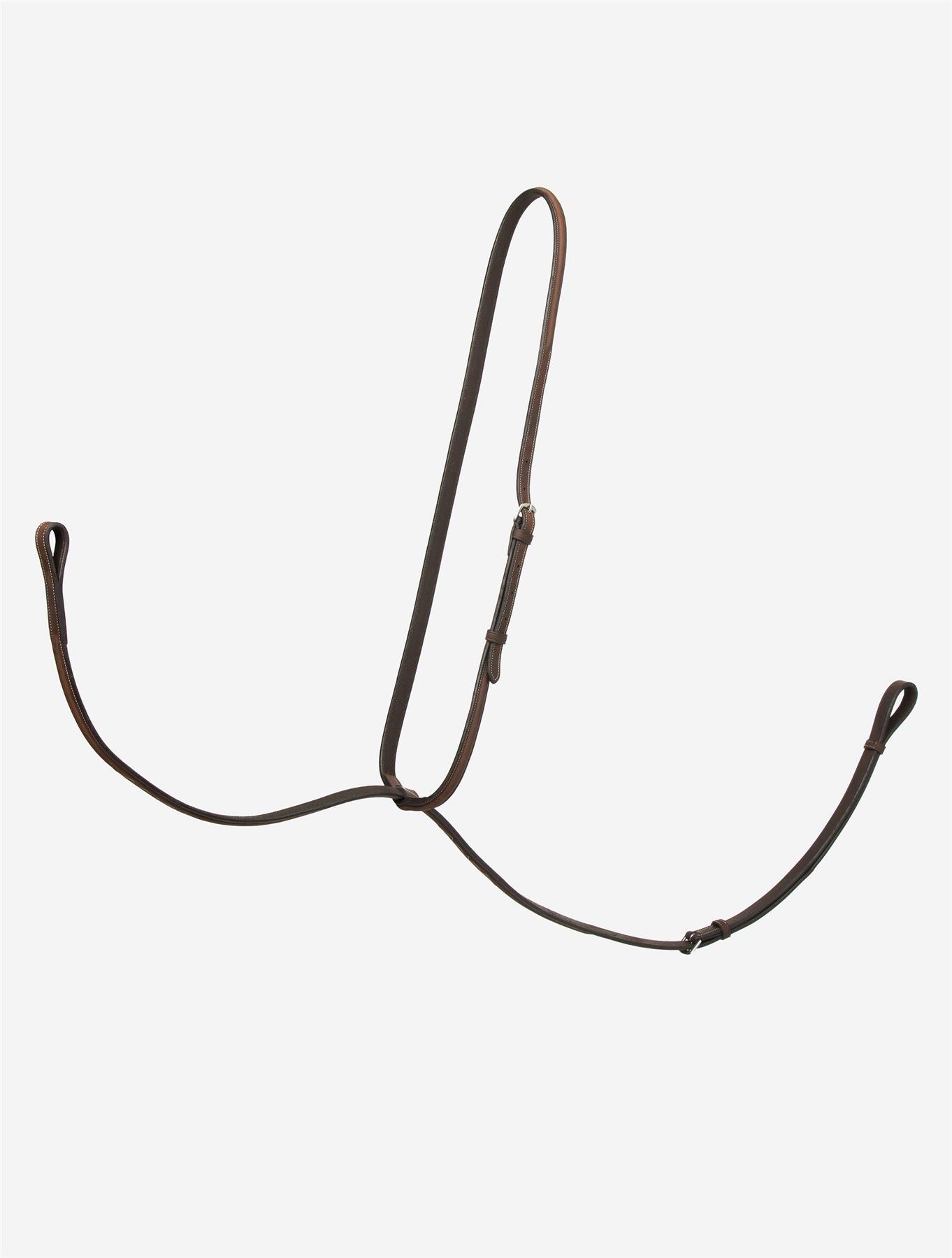
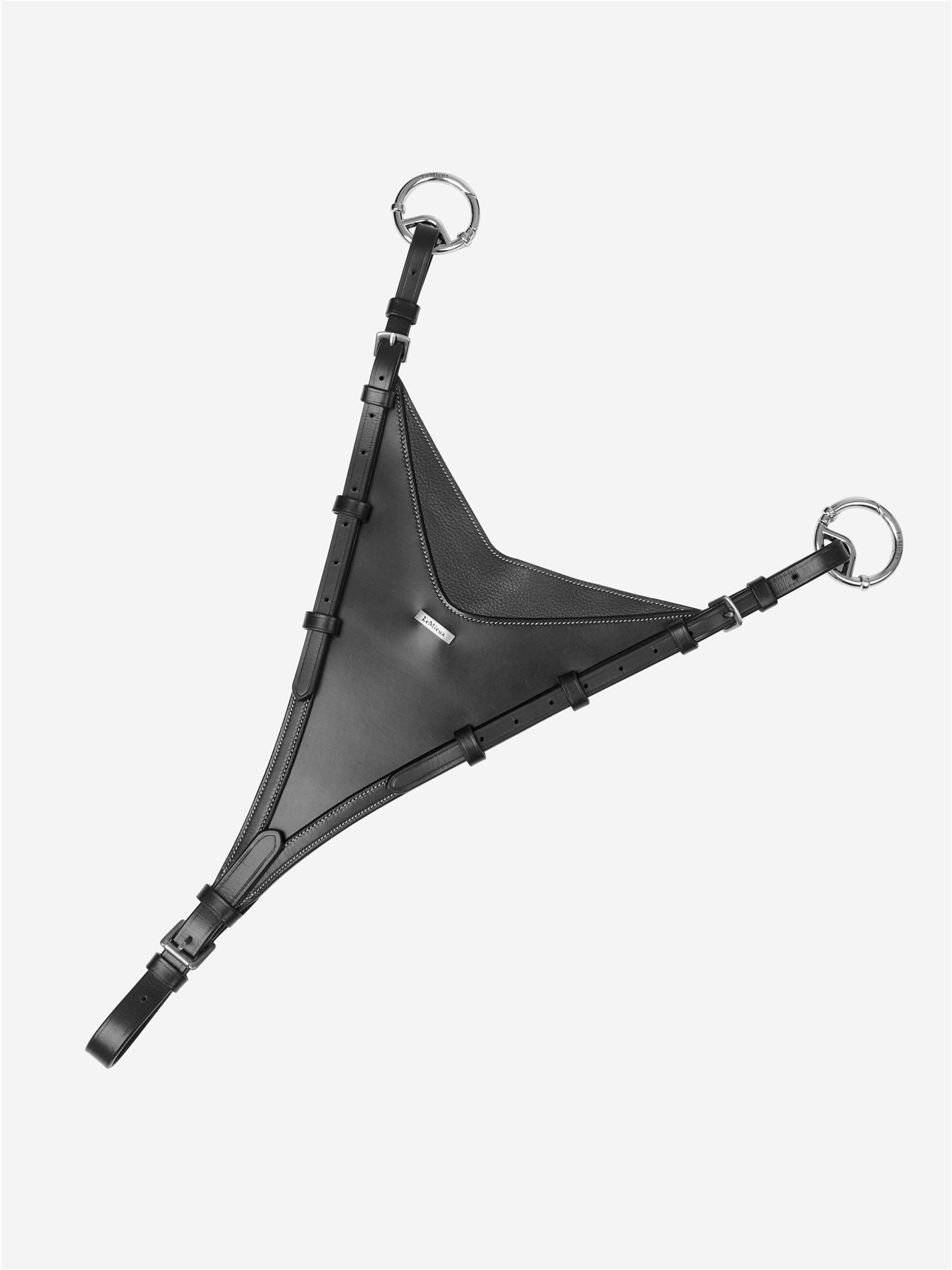
Short answer: if your horse throws its head above the point of control, you want a martingale; if your saddle slips back on hills, jumps or a lean-shouldered horse, you want a breastplate. In the LeMieux range here, the LeMieux Arika Running Martingale (from £44.95) is the everyday starting point, the LeMieux Kudos Running Martingale (from £74.95) is the padded upgrade, the LeMieux Hunter Standing Martingale (from £69.95) is the hunter-ring option, and the LeMieux Arika Elasticated Breastplate (from £89.95) or LeMieux Breastplate (D-Ring Attachment) (from £99.95) keep the saddle where you put it.
In a hurry?
- Head carriage too high when jumping? LeMieux Arika Running Martingale — from £44.95, pony, cob and full.
- Want more padding and a softer feel? LeMieux Kudos Running Martingale — from £74.95, pony, cob and full.
- Riding hunter classes? LeMieux Hunter Standing Martingale — from £69.95, pony, cob and full in Havana/silver.
- Horse that bites the straps or gets its head over them? LeMieux Bib Martingale Attachment — from £49.95, cob and full in Havana.
- Saddle creeping backwards? LeMieux Arika Elasticated Breastplate from £89.95, or the LeMieux Breastplate (D-Ring Attachment) from £99.95.
- Rubbing where the breastgirth sits? LeMieux Simuwool Breastgirth Cover — from £24.95, one size.
- Neck strap sliding along the martingale? LeMieux Rubber Martingale Stoppers — from £2.08, one size.
Martingale or breastplate — which do I actually need?
They solve two different problems and are often worn together. A martingale acts on the head: it limits how far up the horse can carry its head before the rein or noseband is influenced. A breastplate acts on the saddle: it stops the saddle sliding back over jumps, up hills or on a horse with little wither and a big shoulder. If you need both, choose a breastplate with a martingale attachment point so one piece of tack does both jobs.
Which LeMieux piece suits which job?
| Product | What it does | Best for | Sizes in stock | From |
|---|---|---|---|---|
| LeMieux Arika Running Martingale | Runs from girth to reins via a neck strap; martingale stopper included | Everyday schooling and jumping | Pony, cob, full | £44.95 |
| LeMieux Kudos Running Martingale | Running martingale with a padded wither piece and clip-on rings | Riders wanting a softer, smarter option | Pony, cob, full | £74.95 |
| LeMieux Hunter Standing Martingale | Fixed strap from girth to cavesson noseband | Hunter classes and traditional turnout | Pony, cob, full (Havana/silver) | £69.95 |
| LeMieux Bib Martingale Attachment | Leather bib that clips onto a breastplate or martingale | Horses that bite the straps or get the head over them | Cob, full (Havana) | £49.95 |
| LeMieux Arika Elasticated Breastplate | Elasticated breastplate with detachable rein attachments | Cross-country, hills, saddles that slip back | Cob, full | £89.95 |
| LeMieux Breastplate (D-Ring Attachment) | Gel-padded breastplate with D-ring trigger clips and a removable running martingale attachment | Riders who want breastplate and martingale in one | Cob, full | £99.95 |
| LeMieux Simuwool Breastgirth Cover | Soft Simuwool sleeve over the breastgirth strap | Sensitive skin and rub-prone horses | One size | £24.95 |
| LeMieux Rubber Martingale Stoppers | Rubber stop that keeps the neck strap from sliding along the martingale | Anyone fitting a martingale or breastplate | One size | £2.08 |
What's the difference between a running and a standing martingale?
A running martingale splits into two straps with rings that the reins pass through, so it only takes effect when the horse raises its head beyond a set point — the rein pressure is redirected downward rather than fixed. The LeMieux Arika Running Martingale (from £44.95) and LeMieux Kudos Running Martingale (from £74.95) both work this way; the Kudos version has a padded top piece at the wither and rings that clip on and off without undoing the reins.
A standing martingale, like the LeMieux Hunter Standing Martingale (from £69.95), is a single strap running from the girth to the cavesson noseband. It sets a firm ceiling on head height and is the traditional choice in hunter classes. Check your discipline's current rules before competing — running and standing martingales are permitted in different classes.
And what about a bib martingale?
A bib martingale has a triangle of leather filling the gap between the two straps of a running martingale. That panel stops a busy horse biting the straps or getting its head over them, and it holds an even, fixed distance between the reins. The LeMieux Bib Martingale Attachment (from £49.95) is the version stocked here: it is an attachment in soft oiled leather that clips onto a breastplate or martingale you already have, rather than a complete martingale on its own. In-stock sizes are cob and full, in Havana with brass or silver fittings.
How should a martingale be fitted?
Fit is what makes a martingale useful rather than restrictive. As a working guide:
- The neck strap should allow roughly a hand's width between strap and withers.
- On a running martingale, the rings should reach comfortably up towards the withers when you lift the straps — not so short that they pull the rein down at rest.
- On a standing martingale, the strap should push up into the horse's gullet when the head is at a normal working height, not act constantly.
- Always ride a running or bib martingale with rein stops fitted, so the rings cannot slide forward along the rein towards the bit. The LeMieux Arika Running Martingale comes with a martingale stopper included.
- If the neck strap creeps along the martingale body in work, the LeMieux Rubber Martingale Stoppers (from £2.08, one size, black or brown) hold it in place.
If a horse suddenly starts throwing its head, resisting the contact or fighting the bit, treat that as a reason to check teeth, back, saddle fit and bit with your vet or a qualified professional first. Tack supports the horse's way of going; it does not fix pain or discomfort.
Do I need a breastplate, and which style?
You need one if your saddle moves back during work — common on horses with flat withers, a big shoulder or on steep, hilly ground, and on anything jumping at speed. The LeMieux Arika Elasticated Breastplate (from £89.95) has fully elasticated neck straps onto a soft leather wither pad, plus detachable rein attachments that clip on and off without undoing the reins. The LeMieux Breastplate (D-Ring Attachment) (from £99.95) has a gel-padded wither piece, trigger clips onto the saddle D-rings and a removable running martingale attachment, in cob and full, in black with silver fittings or Havana with brass.
Both should sit clear of the point of shoulder so the horse can stride out freely. If the straps sit close to sensitive skin, the LeMieux Simuwool Breastgirth Cover (from £24.95, one size) adds a soft high-density layer over the breastgirth.
How do I choose the right size?
LeMieux martingales and breastplates in this range come in pony, cob and full depending on the model — the Arika Running Martingale, Kudos Running Martingale and Hunter Standing Martingale are stocked in all three, while the Arika Elasticated Breastplate, the D-Ring Breastplate and the Bib Martingale Attachment are stocked in cob and full. Match the size to your bridle size as a starting point: a horse in a cob bridle usually takes cob tack. Every piece here is adjustable, so a size that lands mid-range on the holes is a better buy than one at the very end of its adjustment. Not sure between two? Get in touch and our team will help.
How do I look after leather tack?
Wipe the leather down after each ride to lift sweat and grease, use a gentle saddle soap when it needs a proper clean, and condition occasionally so the leather stays supple rather than drying out. Let wet leather dry naturally away from direct heat, and store tack somewhere cool and dry. Check stitching, buckle holes and elastic regularly — those are the points that wear first on martingales and breastplates.
LeMieux martingales & breastplates: your questions answered
Can I use a martingale and a breastplate at the same time?
Yes, and it is very common in jumping and cross-country. The simplest route is a breastplate that takes a martingale attachment, such as the LeMieux Breastplate (D-Ring Attachment) from £99.95, which has a removable running martingale attachment, or the LeMieux Arika Elasticated Breastplate from £89.95, which has detachable rein attachments. That gives you saddle security and head-carriage control from one piece of tack instead of two overlapping straps.
Do I need rein stops with a running martingale?
Yes. Without stops the martingale rings can slide forward along the rein and catch on the bit or a rein buckle, which is a genuine safety risk, and the same applies to a bib martingale. The LeMieux Arika Running Martingale comes with a martingale stopper included. Note that the LeMieux Rubber Martingale Stoppers listed here, from £2.08 in black or brown, one size, are a different accessory — they stop the neck strap sliding along the martingale rather than acting as rein stops.
Which LeMieux martingale is best for a first-time buyer?
The LeMieux Arika Running Martingale from £44.95 is the easiest place to start. It is a straightforward running martingale in soft oiled European leather, stocked in pony, cob and full, and it works for schooling and jumping alike. If you would rather have a padded wither piece and rings that clip on and off without undoing the reins, step up to the LeMieux Kudos Running Martingale from £74.95, also in pony, cob and full.
What size martingale or breastplate should I order?
Start from your bridle size — a horse in a full bridle almost always takes full tack, and a cob bridle points to cob. In this range the Arika Running Martingale, Kudos Running Martingale and Hunter Standing Martingale are stocked in pony, cob and full, while the Arika Elasticated Breastplate, the D-Ring Breastplate and the Bib Martingale Attachment are stocked in cob and full. Aim to sit mid-way through the adjustment holes rather than at either extreme. If you are between sizes, get in touch and our team will help.
My saddle keeps slipping back — will a breastplate fix it?
A breastplate helps hold a correctly fitted saddle in position, which is why it is standard kit for cross-country and hilly hacking. It is not a substitute for saddle fit, though. If your saddle moves on the flat, or your horse is sore or reluctant to go forward, have the saddle checked by a qualified saddle fitter and speak to your vet before adding more tack.
Are these martingales allowed in competition?
It depends on the discipline and the class. Running martingales are widely permitted in jumping phases, standing martingales are the traditional choice in hunter classes, and dressage rules are far more restrictive. Rules change, so always check the current rulebook for your governing body and the specific class before you compete.
Free UK delivery over £50 · 90-day returns · Expert help
Last reviewed 2026-07-24 by the Just Horse Riders team.