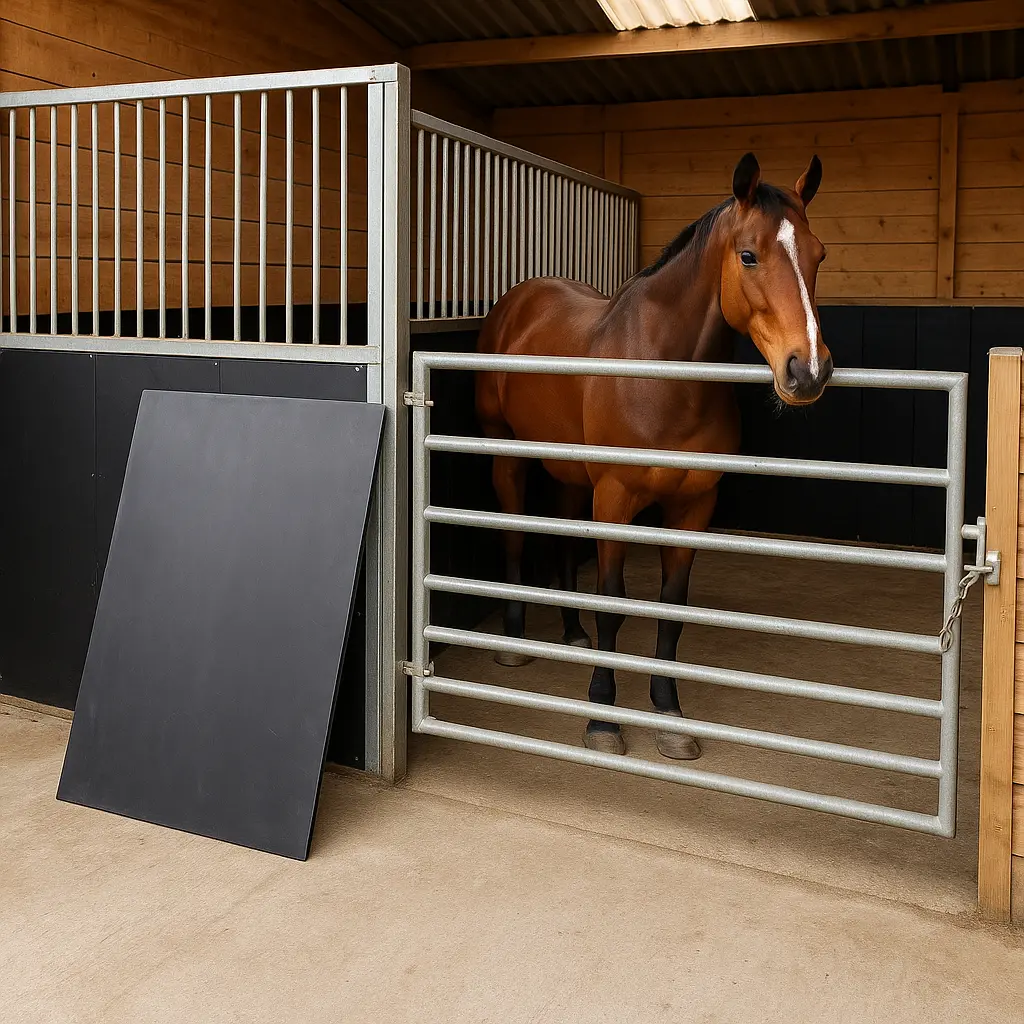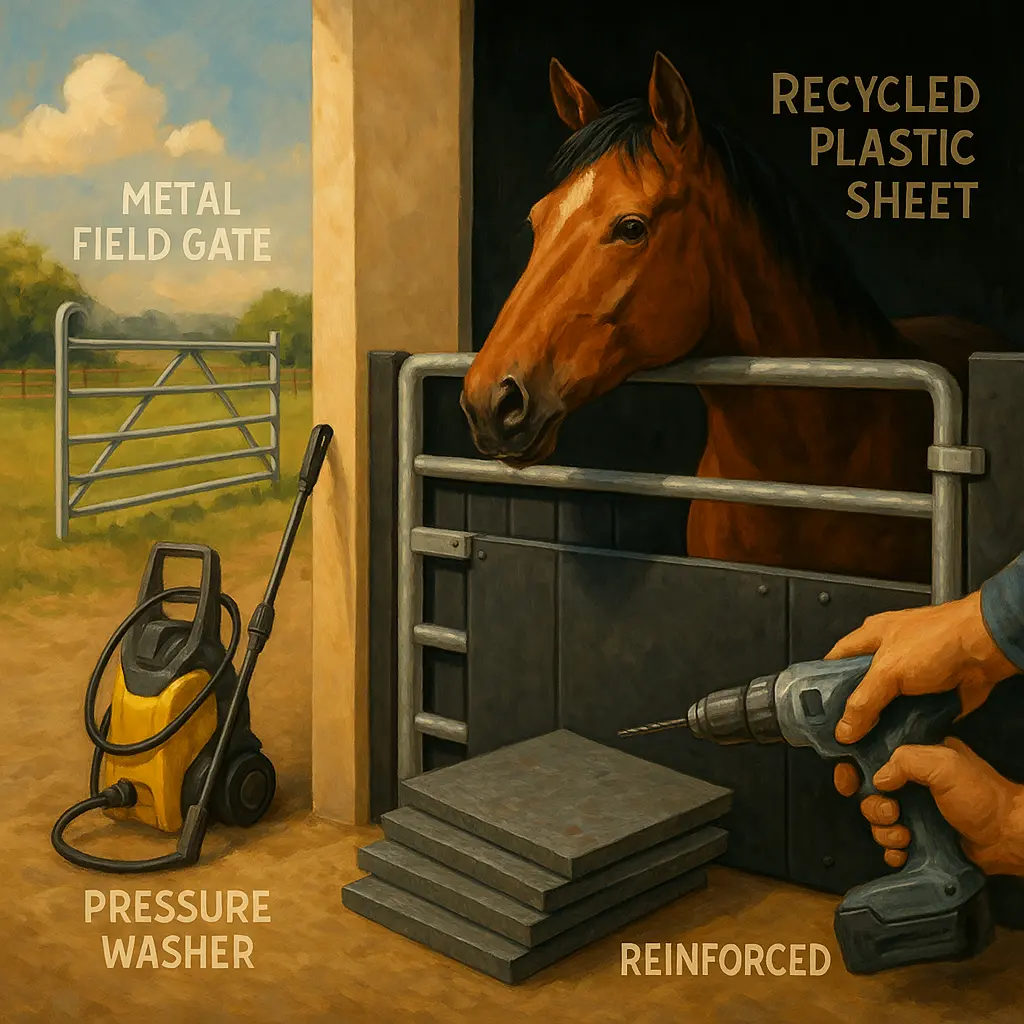
Converting a metal-gate bay into a safe stable or kick-proofing a lively youngster’s wall doesn’t have to be expensive or complicated. With the right sheet material and fixings, you can create a durable, low‑maintenance lining that stands up to British winters.
Key takeaway: For kick‑proof stable linings and gate conversions in the UK, choose 12mm Stokbord sheets (2440 x 1220mm), fix them securely to cover metal bars, and add rubber mats in high‑impact zones for the best safety and longevity.
What is Stokbord and why yards use it
Stokbord is a 100% recycled plastic board, waterproof, rot‑proof, frost‑proof and chemical‑resistant, supplied in 6mm, 9mm, 12mm and 18mm thicknesses as standard 2440 x 1220mm (8’ x 4’) sheets. It’s widely used by professional horsebox manufacturers and on UK yards for kick walls, stable linings and trailer protection because it won’t splinter, swell or need repainting.
In damp, muddy UK conditions, Stokbord outperforms timber stock boards: it doesn’t absorb water, it won’t rot, and it tolerates steam or water‑jet cleaning for quick biosecurity between occupants. Typical sheet prices range from about £20.00 to £100.00 depending on thickness, making it a cost‑effective, long‑term upgrade for DIY conversions and livery yard refurbishments.
Because it’s non‑toxic and has a smooth, slightly textured finish, most horses ignore it rather than chew it. For yards moving away from preservative‑treated timber in wet areas, Stokbord provides a robust, maintenance‑free alternative that handles the knocks of daily use.
What thickness of Stokbord do you need for kick walls?
Use 12mm Stokbord for stable and horsebox kick walls because it resists heavy impact without splintering and matches common professional specifications. Thinner sheets have their place for light‑duty partitions, but 12mm remains the reliable choice where hind feet might connect with the wall.
For most standard boxes, 12mm gives the right balance of stiffness, impact resistance and manageable weight for handling during installation. This is the thickness typically seen in horseboxes for kick protection, so you can expect it to perform for stable walls and metal‑gate conversions too. Typical UK pricing for 12mm sheets (2440 x 1220mm) starts from around £49.44 incl. VAT, with suppliers offering bulk discounts; some retailers list heavier‑duty or branded options up to roughly £105.60 incl. VAT.
For the liveliest horses or high‑traffic corners, combine 12mm Stokbord with a layer of rubber matting on the lower section of the wall to dampen shock and reduce noise. This twin‑layer approach protects the horse and the structure, especially through a long, wet season when stabled time increases.
How do you attach Stokbord to metal field gates?
Drill small holes and tie or screw Stokbord directly to the gate frame so it covers the bars wherever a horse could strike, ensuring there are no exposed edges or protruding fixings. Use stainless or galvanised hardware and broad washers to spread load and prevent pull‑through.
Experienced DIYers on UK equestrian forums recommend a simple, durable method:
“If yard owner is reluctant, buy the same Stokbord, put small holes through with a drill or soldering iron, and tie Stokbord to the metal gate.” — Horse & Hound forum user (DIY metal‑gate stable conversions)
Here’s a proven approach for a tidy, horse‑safe finish:
- Cut to fit: Offer the sheet to the gate and mark cut lines; a hand saw or jigsaw works well on Stokbord.
- Round and de‑burr: Radius the corners and smooth edges to eliminate potential catch points.
- Fixings: Drill a perimeter pattern and at key rail intersections; use cable ties for a quick fit or stainless bolts with penny washers for a permanent job.
- Full coverage: Ensure the sheet fully covers any bars the horse could reach to eliminate strike points and prevent feet from slipping through rails.
- Reinforcement: If you’re starting from scratch, pick a robust 7‑rail field gate and consider reinforced top/bottom rails for extra rigidity in equestrian use.
Metal field gates suitable for paddocks and stables, such as 7‑rail models, start from around £93.53 incl. VAT in the UK. Where gates meet the elements, use appropriate horse gate fixings kits and secure hinge/latch hardware to cope with winter winds. As an alternative to metal, some reinforced plastic gates (e.g., Hanit with zinc‑coated steel) are designed with horse safety in mind.
Quick tip: Leave a small gap at the base of the sheet so bedding and moisture can be swept clear, and always check that all cut edges and fixings are smooth to the touch.
Can you build a safe DIY metal‑gate stable in the UK?
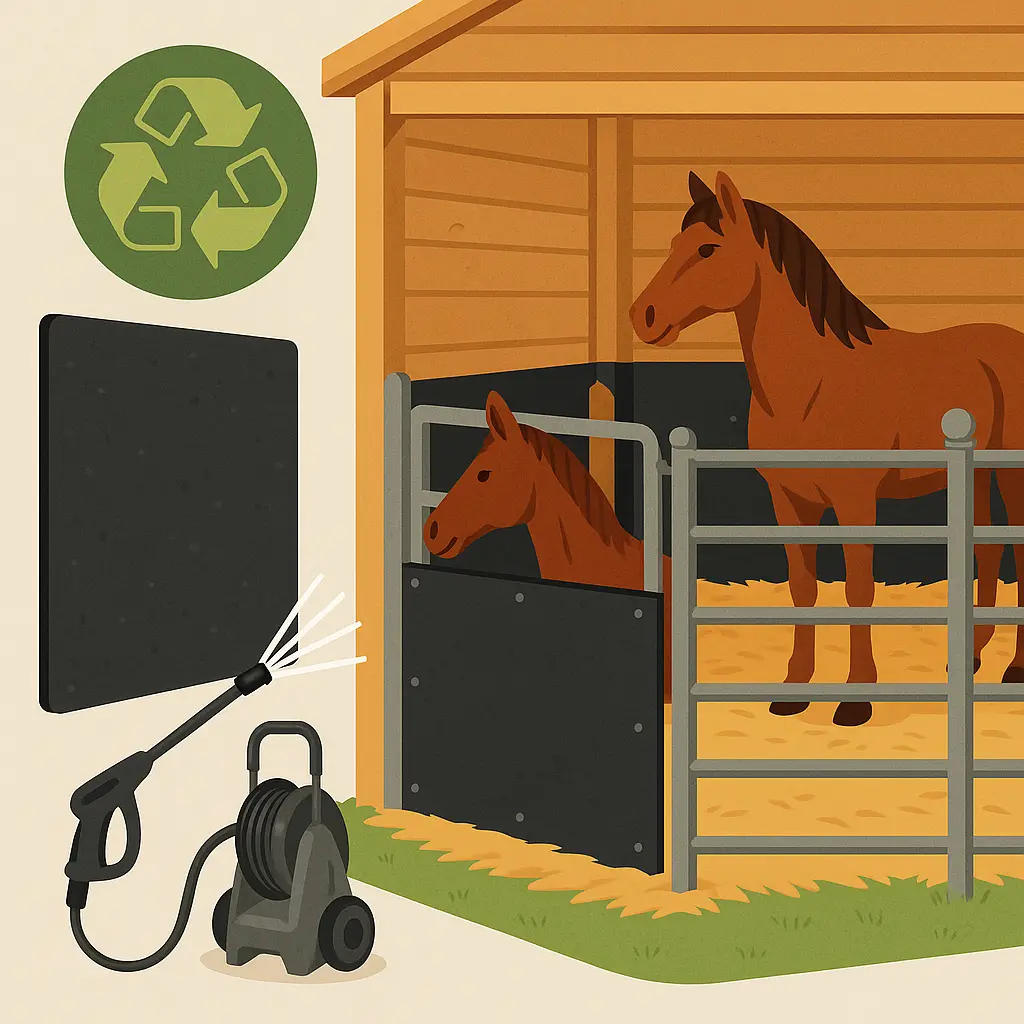
Yes—many UK yards convert 7‑rail field gates into stables and line them with Stokbord to meet horse safety needs cost‑effectively in wet winters. The key is secure posts, horse‑safe latches, and fully lined gate panels to remove gaps and strike points.
DIY gate‑front stables are commonplace on British livery yards where turnout areas become heavy going in winter. Stokbord’s frost‑proof, waterproof nature makes it ideal for these conversions: it won’t warp with damp, it tolerates disinfectants, and it’s easy to power‑wash. Align your setup with the spirit of British Horse Society (BHS) stable‑safety principles—smooth internal surfaces, no snag hazards, and secure partitions—so everyday handling stays safe for horse and handler.
When you’re doing the work yourself, dress the part. A snug, certified riding hat protects your head if a horse jostles during measuring or fitting—see our range of riding helmets. If you’re working near roadways or in fading light, add high‑visibility rider kit so yard traffic and drivers spot you quickly. And for the horses that will winter in these bays, line up appropriate rugs before the first cold snap with our curated winter turnout rugs and cosy stable rugs.
At Just Horse Riders, we recommend planning the conversion while the horse is turned out: pre‑cut, pre‑drill, and have all fixings to hand so installation is clean, quiet and quick when you bring them back in.
How do you cut and clean Stokbord for a professional finish?
Cut Stokbord with a hand saw or jigsaw, de‑burr the edges, and fix with broad washers; clean it with steam or a water jet and it never needs painting. The sheet’s non‑porous surface shrugs off grime, so regular wash‑downs keep it hygienic.
For the neatest installation:
- Mark accurately and score your lines before cutting to minimise burring.
- Drill pilot holes and use sharp wood or metal bits; Stokbord drills cleanly.
- Use penny washers under bolt heads and nuts to distribute load and avoid pull‑through.
- Leave a small expansion gap along long runs, especially if a wall sees direct sun.
Maintenance is simple: Stokbord is chemical‑resistant, so standard disinfectants are fine; for deep cleans, use a steam cleaner or water jet. Because it’s non‑toxic and smooth, most horses do not chew it, but avoid leaving inviting lip edges in high‑nibble zones. A routine scrub‑down sits well with your broader stable‑hygiene programme—while you’re at it, freshen up your horse’s kit with quality grooming essentials so coat and skin stay healthy through winter stabling.
What will your project cost and how many sheets will you need?
Expect to pay £49–£106 per 12mm Stokbord sheet (2440 x 1220mm) and from £93.53 incl. VAT for a 7‑rail metal field gate, with long‑term savings over timber thanks to no rot, repainting or preservative costs. Buying multiple sheets often unlocks bulk discounts from suppliers.
To estimate quantities, measure the area you want to cover and divide by the sheet area. A 2440 x 1220mm sheet covers roughly 2.98 m². Remember to account for offcuts around posts, latch boxes and rails, and decide whether you want full‑height lining or only up to a typical kick zone. If you’re cladding both sides of a gate, double your sheet count and add extra fixings.
Budgeting pointers:
- Sheets: 12mm for kick walls; add 1–2 spare sheets if you’re cladding multiple bays to allow for offcuts.
- Fixings: Stainless or galvanised nuts/bolts with penny washers; cable ties for temporary positioning.
- Tools: A jigsaw, drill/driver, sharp bits and a file for de‑burring edges.
- Optional extras: Rubber mats for lower walls, plus gate fixings kits and reinforced rails where needed.
Pro tip: Cost in your time and yard workflow. Pre‑cut and pre‑drill all panels before bringing horses back in so you finish the job in one quiet, low‑stress session.
When should you add rubber mats and horse protection?
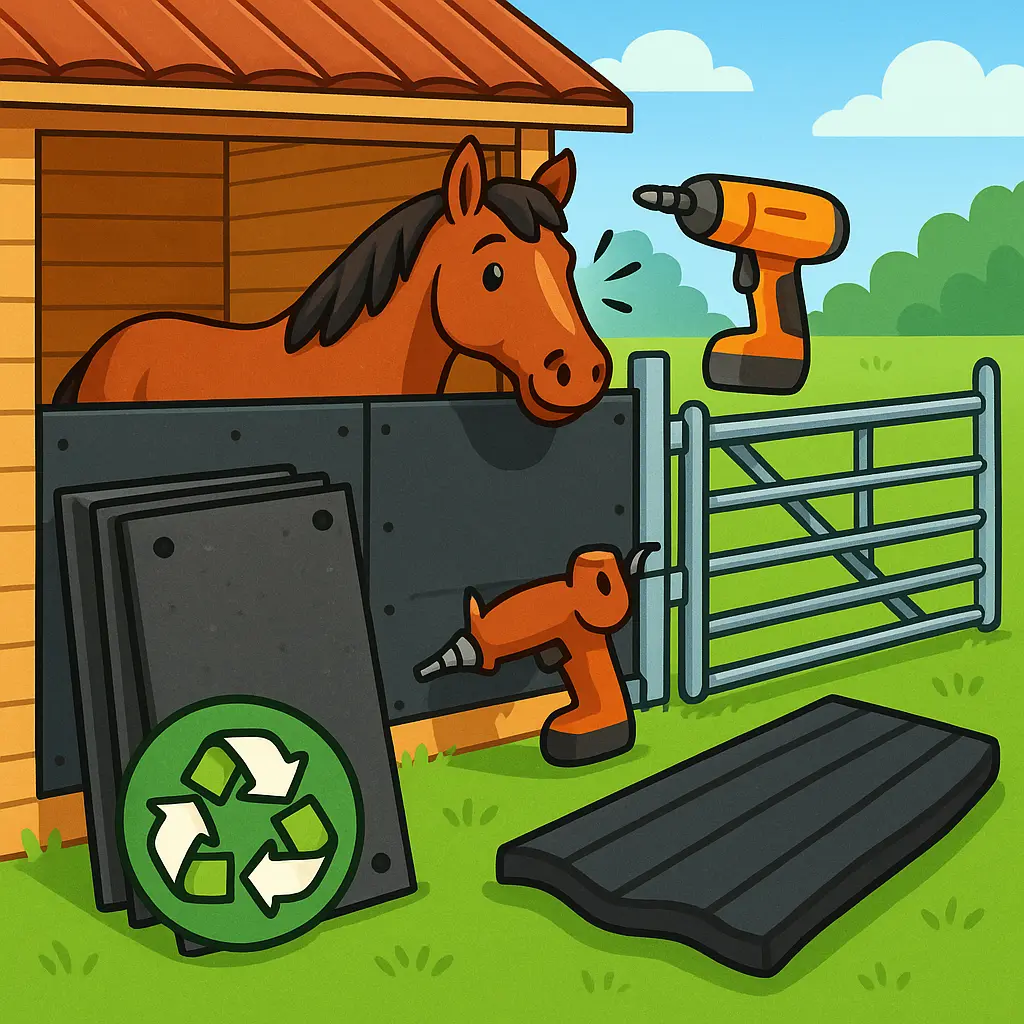
Add thick rubber or EVA mats on lower walls where a horse regularly kicks, and consider protective boots for habitual pawers or box‑walkers to reduce knocks. Use Stokbord higher up to spread impact and prevent splinter risks.
Many owners find a two‑layer solution works best in high‑impact boxes:
“One of my horses kicks the wall, luckily, always in the same place. I put a thick cow mat on the wall, this absorbs the impact so prevents him...” — Horse & Hound forum user (kick‑proofing options)
Mount dense rubber on the lower third of the wall to soak up force and dull sound, then continue with 12mm Stokbord to the desired height. For horses that scuff fetlocks or over‑reach when restless, consider protective horse boots and bandages while you work on the environment and routine to reduce stress. If winter stabling increases activity and rub risk around shoulders or hips, well‑fitted stable rugs can reduce coat wear, while appropriate supplements may support overall wellbeing as part of a balanced management plan.
At Just Horse Riders, we see the best outcomes when environment, routine and kit work together: safe surfaces, consistent turnout as weather allows, and the right protective gear when necessary.
FAQs
What thickness of Stokbord is best for kick‑proof stable walls?
12mm is the standard for horsebox and stable kick protection because it resists heavy impacts without splintering. Thicker sheets exist for specialist jobs, but 12mm suits most stable and gate‑front applications.
How do I attach Stokbord to existing metal gates?
Drill small holes around the sheet and at gate rail positions, then tie or screw the board to the frame so it covers all bars in the strike zone. Use stainless or galvanised hardware with penny washers and smooth all edges for safety.
Is Stokbord safe for horses and easy to maintain?
Yes. Stokbord is non‑toxic, rot‑proof and chemical‑resistant; it requires no painting and can be cleaned with steam or a water jet. Most horses do not chew recycled plastic, especially when edges are rounded and flush‑mounted.
What are typical prices for Stokbord and metal gates in the UK?
12mm Stokbord sheets (2440 x 1220mm) typically range from about £49.44 to £105.60 incl. VAT, depending on supplier and brand, and metal 7‑rail field gates start from around £93.53 incl. VAT. Buying in bulk often reduces the per‑sheet price.
Can Stokbord replace timber in wet UK conditions?
Yes. Stokbord is waterproof and frost‑proof, so it won’t rot or swell like timber and doesn’t need preservative or paint. That makes it ideal for British winters and damp yards.
How do I cut Stokbord to size?
Use a hand saw or jigsaw with a suitable blade, mark accurately, and de‑burr edges after cutting. Drill clean holes with sharp bits and use broad washers under fixings to prevent pull‑through.
What else should I consider for a safe, quiet stable?
Add rubber or EVA mats on the lower wall in known kick zones, keep all edges smooth, and check latches and hinges for snag‑free operation. When fitting out or working around horses, wear a certified riding helmet and, if you’re near traffic or dusk, add hi‑vis rider gear for safety.
Ready to plan your conversion? Measure up, choose 12mm Stokbord for the kick zones, and gather your fixings before the weather turns. If you need winter kit for your horse at the same time, our curated ranges of turnout rugs, stable rugs, horse boots and bandages, grooming essentials and supplements can help you head into the season fully prepared.